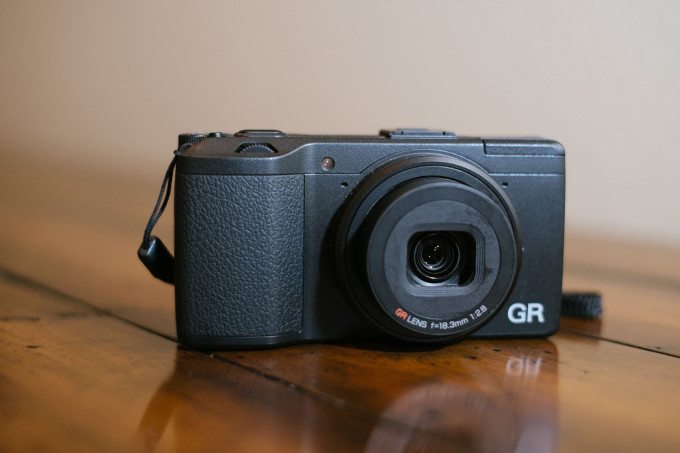
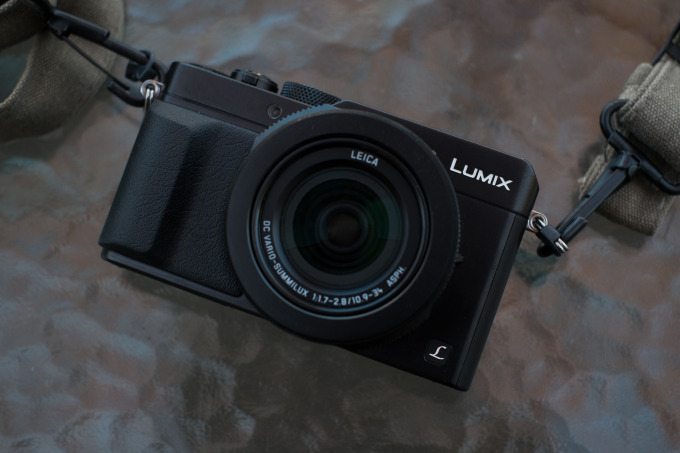
The Ricoh GRIV is a camera for a cult of street photographers who share an intrigue in a very specific camera that can do other things with difficulty. But if I had the option of buying it, I’d tell Ricoh to keep it. For the money, you can get nearly the same camera second-hand with better build quality, autofocus, and image quality. I really tried to like the Ricoh GR IV. I know the Ricoh fans are going to come for me and only listen to the photographers who shoot with the camera they love and use. Honestly, though, Ricoh could’ve done so much better with this camera and they had years to do so. But they didn’t. You probably don’t want to hear this, but there’s way too many good cameras out there for Ricoh to have made something like this.
On the last day before I wrote the review of this camera, the Costar app told me to make decisions based on what would be more interesting to write about instead of calculating. Essentially, I needed to let my pulse quicken a bit. So I took the camera out into a rainy situation and ended up having it in my pocket for most of the time.
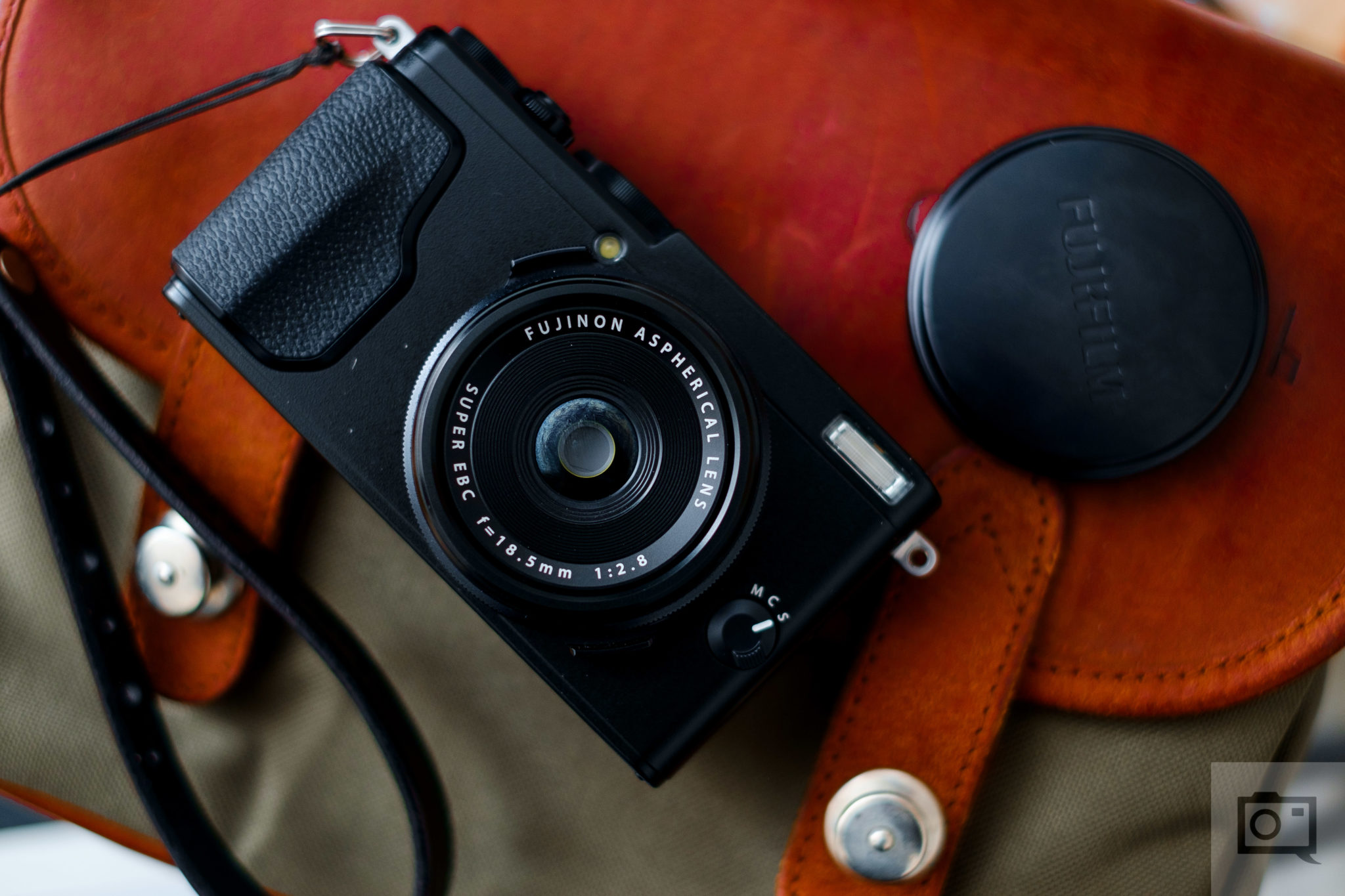
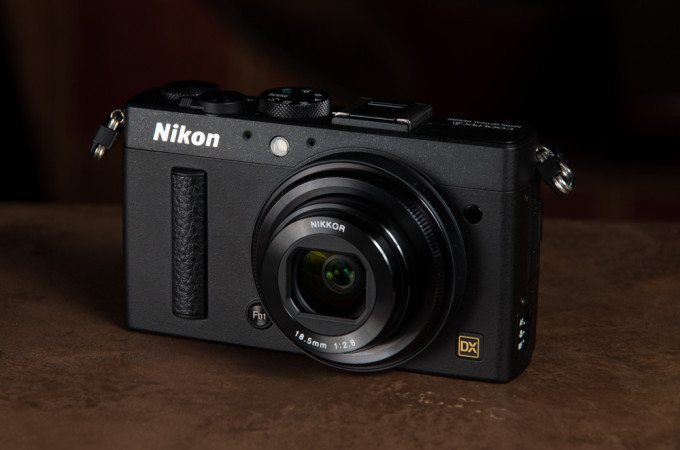
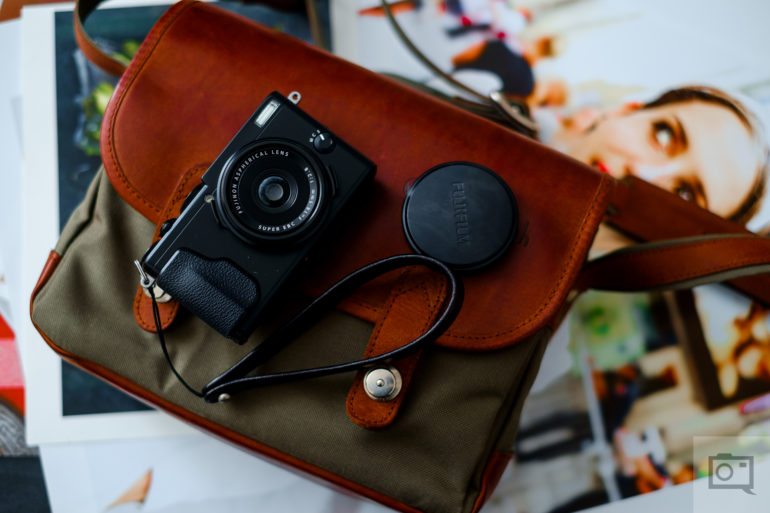
The Ricoh GR IV has a 26MP BSI APS-C sensor with a fixed lens. The older Fujifilm X100F has also the same setup — for a cheaper price point. The Ricoh lacks weather resistance because they prioritized making the camera smaller while giving it heat dispersion. Indeed, the camera did sometimes heat up when using it. And more often than not, because billionaires and global warming likes to have its way with the weather, I’d need to shove the camera into my pocket.
That part, admittedly, was cool. But it would also be cool if I didn’t need to shove it into my pocket.
At times, I’d be in places where it didn’t always feel safe to have the camera out, so I’d put it in my pocket. But I could do the same with my older Canon G1x Mk III. The Canon is weather resistant, has a zoom lens, can zone focus, has wifi built in, can load up film presets, and is really small. In comparison, The Ricoh GR IV has image quality that feels like the same algorithmic stuff that we’re used to seeing online.
With that said, the Ricoh GR IV lacks imagination. And sometimes, the best street photography has imagination involved with foresight and being able to get the shot. Said street photography can make you think. But with this tool in my hand, I didn’t want to think. I instead, wanted to set it to focus away to 1.5 meters away, shoot in continuous shooting mode, and pray that I got something worth using.
Certain things really didn’t make sense with it either. I mean, I’m stopped down to f5.6 at times and focused to 1.5 meters away but I would expect so much more of the scene to be in sharp focus. However, that wasn’t always the case at all.
I’ve done a lot of comparisons so far in this RANTview. And if I was ever taught anything, it’s that comparison is the theft of joy. But in this situation, they’re trying to do everything that every other camera maker does.
After going through my notes on this camera, it really seems like it’s mostly the same camera from 2019.
One of the things that I was told to try is handholding the camera for really long periods of time. And sure, it can get you a steady shot without camera shake at 1 second and a bit beyond that. But so can mostly every camera on the market today.
Where the Ricoh GR IV really differs though, is with multiple exposure mode in-camera. It gives you a RAW that you can edit and of any current camera brand on the market, the only brand that does this is Panasonic. Canon used to do it, but that’s gone now.
At ISO 3200 and beyond, it’s best used in black and white mode and not worried about at all. The color falls apart very hard after this. Honestly, I could shoot with so many other cameras and get better images that I wouldn’t complain about at all.


So what was I expecting from the Ricoh GR IV? Well, I’ve reviewed nearly every single Ricoh GR camera out there. Here’s what I wanted:
- A full-frame camera
- The on-camera flash to come back
- Weather resistance
- Halation, because it’s awesome in Ricoh’s other cameras
- An easier way to share presets and customizations. Nikon and Panasonic still do this the best and Canon does is really well too.
- Better and more zone focusing options that can be fine tuned instead of set to preset distances
In 2025, it’s costly to make a mediocre camera. And here’s the thing, I know that the Ricoh fans will say that I don’t understand this camera. But if they only understood how many good cameras are already out there, then you’d realize that you don’t need this thing.
Get rid of the ads!
Did you enjoy reading this article as much as we enjoyed writing it? There's a way to support us and our reporting, getting ad-free navigation and more as a bonus. Subscribe to us for less than a coffee per month —just $3.99— or take advantage of our yearly subscription with a hefty discount for only $25.- An ad-free experience
- A free mystery box for Lightroom or Capture One
- All the books in our store
- 20% discount on Capture One
- 30% discount on Imalume Photo Theft Protection
- 20% off Herbs and Kettle Tea Company.
- 20% off your order from MPIX printing services.
- 5% off Viltrox Products via their eCommerce store.
- 10% off all film developing, printing and scanning services from Blue Moon Camera and Machine
- 15% off 7Artisans products: The lens and accessory maker is offering a sweet discount for Phoblographer's readers.