

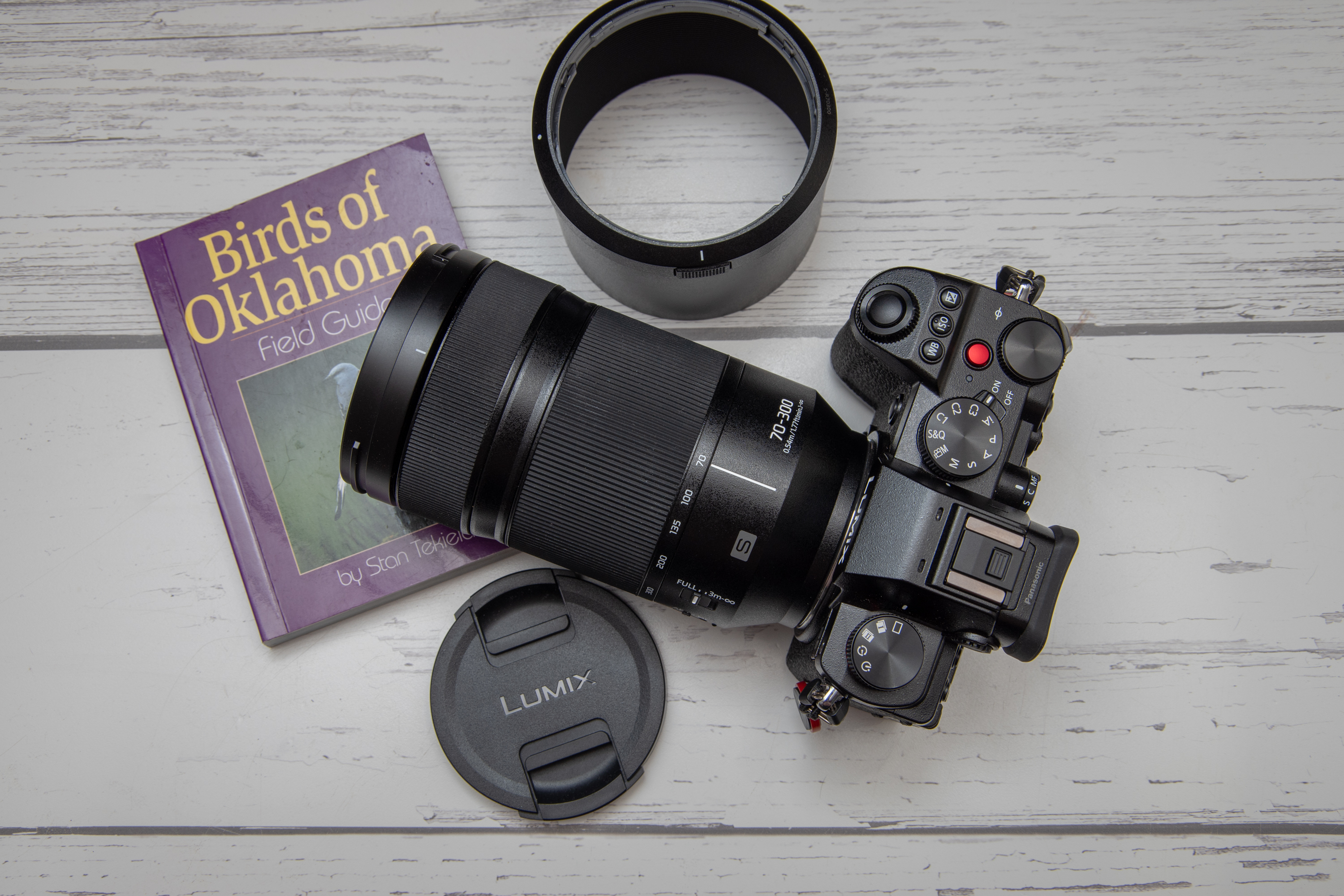
Panasonic has some exceptional telephoto lenses for wildlife and bird photographers. Lenses such as 70-200mm f2.8, 100-400mm f4-6.3 II, and 70-300mm f4.5-5.6 are some offerings that are helpful to many. Panasonic, understanding this, and in a bid to help those who want more reach, has published a new patent highlighting the use of teleconverters for such lenses. What is the patent about? Let us explain below.
What is This New Mechanism?
First reported by Asobinet, the new Panasonic patent, number P2025093296, showcases how teleconverters will not affect zoom lenses anymore. This is because of the compatibility issue between of two, which, in some ways, hinders the photographers. Per the patent, the company will design a new lens barrel that features a built-in mechanism to prevent it from damaging the lens when the teleconverter is attached. This is helpful for lenses like 70-300mm, which may not have the desired reach for some.


The patent was filed in October 2024, and it showcases a design solution for Panasonic telephoto lenses. The new Panasonic lenses will likely feature a zoom limit switch at the rear of the lens. With this, one can limit the zoom range when a teleconverter is attached to the camera. In other words, your lens will not face physical damage, and will also not lead to a compromise in its performance.
While this may seem something new, it is, in fact, not. Canon had something similar with its RF 100-500mm lens, which limits the zoom when a teleconverter is attached. However, it remains unclear whether this will be implemented in future lenses or this will continue to be in research phase.
What This Means for Panasonic Users?
Photographers who use telephoto zoom lenses will be safer and their teleconverter will also be far reliable, enabling longevity. While some may argue that the limit on focal range could be a drawback, but also have to account for the cost that the damage can result in. The latter can burn a hole in your pocket.
However, we do hope this patent does see the light of day, not just for higher-end lenses but also for mid-range budget lenses. That’s because the cost of gear is increasing exponentially, with many looking at older, second-hand cameras over purchasing new ones. Those who do manage to buy a new one will have to invest in gear care. A lens like this can help sports, wildlife, and bird photography, many of whom shoot in challenging conditions. The wear and tear of their lenses is always a bit more. If the switch can help to increase its longevity, but at the same price as the lenses we see today, many will be delighted.
Panasonic is already doing pretty well, with launches like S9 and S1R II being different than other offerings in the market. We hope they continue down this path further and give photographers better solutions for their needs.
Get rid of the ads!
Did you enjoy reading this article as much as we enjoyed writing it? There's a way to support us and our reporting, getting ad-free navigation and more as a bonus. Subscribe to us for less than a coffee per month —just $3.99— or take advantage of our yearly subscription with a hefty discount for only $25.- An ad-free experience
- A free mystery box for Lightroom or Capture One
- All the books in our store
- 20% discount on Capture One
- 30% discount on Imalume Photo Theft Protection
- 20% off Herbs and Kettle Tea Company.
- 20% off your order from MPIX printing services.
- 5% off Viltrox Products via their eCommerce store.
- 10% off all film developing, printing and scanning services from Blue Moon Camera and Machine
- 15% off 7Artisans products: The lens and accessory maker is offering a sweet discount for Phoblographer's readers.