

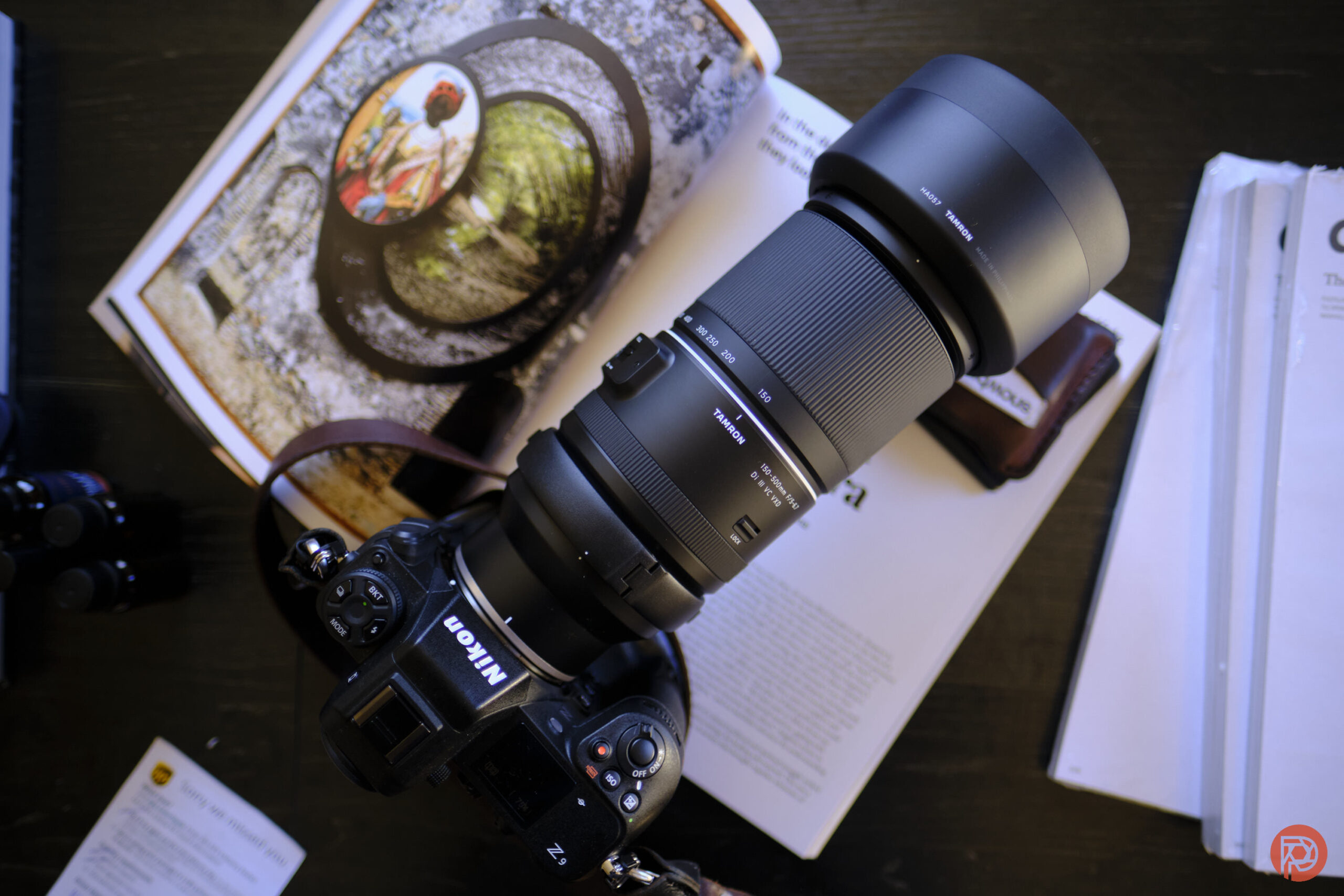
If you’ve been shooting photographs for less than 7 years, we’re pretty sure that you’re guilty of doing something that people forget about. Actually, we think that many photographers were just never taught it. It has to do with good form in photography. We’re not talking about simply just bringing the camera up to your face and shooting a photo. We’re talking about something that’s a lot more serious: breathing control.
For more useful photography tips, click here.
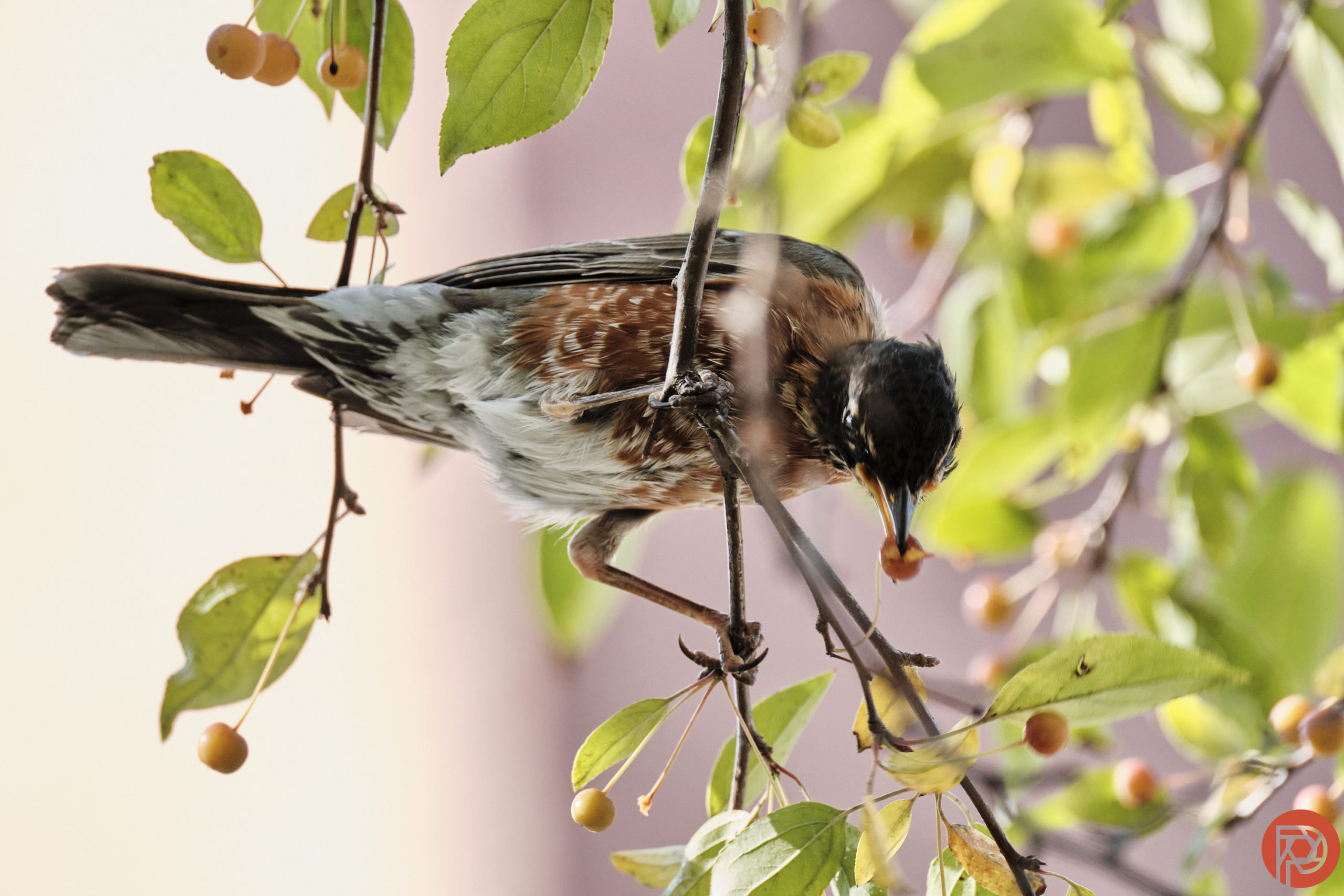
There are a few things to know when controlling our breathing. Keep this in mind, especially if you’re doing bird photography:
- Some of us become absolutely still when we let all the air out of our lungs. Think of it like a deflated balloon that isn’t moving.
- Other photographers become very still when our lungs are filled with air. Think of this as a dense balloon that’s smushed between other organs and doesn’t move because it’s so tense. This is typically how I shoot partially because of blood pressure issues.
- Still, other photographers find their most stability somewhere in between while holding in enough air to make their diaphragms half full.
Now here’s another thing that photographers don’t talk about or mention: lots of people these days have high blood pressure. We’re all drinking way too much caffeine, or are overweight, according to a doctor’s BMI readings. So if you hold your breath, you’re probably going to make your heart rate go up quite a bit. So here’s a method that I developed during my Vipassana meditation certification process. I like to call it rectangle breath:
- Inhale for a count of 7
- Hold for a count of 2
- Exhale for an even count of 7 to the inhale
- Hold for an even count of 2 to the previous hold
This method mimics a more natural breathing process. It forces you to think more often about your shots and gives you the option to shoot when your chest is filled with air or not. Of course, lots of us might just spray and pray when it comes to bird photography. But then you’ll just be dealing with more images to cull through.
Isn’t it just better to shoot a smaller handful of great images?
Get rid of the ads!
Did you enjoy reading this article as much as we enjoyed writing it? There's a way to support us and our reporting, getting ad-free navigation and more as a bonus. Subscribe to us for less than a coffee per month —just $3.99— or take advantage of our yearly subscription with a hefty discount for only $25.- An ad-free experience
- A free mystery box for Lightroom or Capture One
- All the books in our store
- 20% discount on Capture One
- 30% discount on Imalume Photo Theft Protection
- 20% off Herbs and Kettle Tea Company.
- 20% off your order from MPIX printing services.
- 5% off Viltrox Products via their eCommerce store.
- 10% off all film developing, printing and scanning services from Blue Moon Camera and Machine
- 15% off 7Artisans products: The lens and accessory maker is offering a sweet discount for Phoblographer's readers.
- 15% off a VSCO One subscription: Get a bunch of great tools with their all-in-one package.