

Reports of compact, fixed-lens cameras making waves in the camera industry are no longer new. The trend, which began to take hold in late 2023, continues showcasing an upward mark. Amidst this, the launch of a new range of fixed-lens cameras further highlights how the industry is just starting off with this trend. While Canon, Leica, Fujifilm, and Nikon have launched their compact cameras in varied forms and sensors, we think it’s time for Nikon to bring back its older fixed lens camera series: DL and Coolpix A. Why? Scroll down for more.
Nikon DL and CoolPix A Specs
In a new post on X, Nikon Rumors took a poll that asked whether Nikon should launch its own fixed lens camera, just like Canon did with PowerShot V1. The results were a staggering 52.8% saying yes, with the remaining saying no or that they don’t care. There is also a particular inclination for Nikon DL and Coolpix A cameras, and many users said they would purchase them if the cameras came with upgrades.
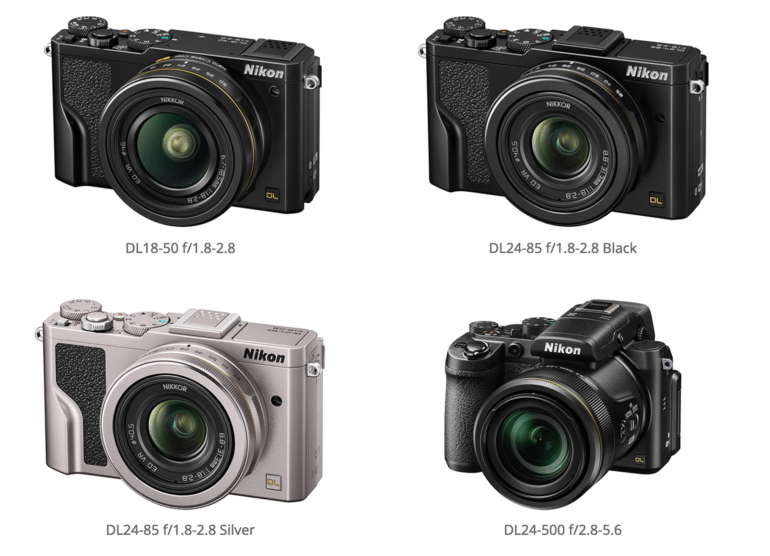
For the unversed, the Nikon DL series was announced in 2016, but they discontinued the lineup even before the cameras were shipped to users. The reason was an issue with the camera’s sensors, so the company canceled the entire lineup of four cameras. The DL series was targeted at high-end compact camera users, and many were keen to use it for the following specifications:
- 1-inch type backside illumination CMOS sensor with 20.8MP resolution
- EXPEED 6A image-processing engine
- Three lens options: 18-50mm f1.8-2.8, 24-85mm f1.8-2.8, and 24-500mm f/1.8-2.8
- Hybrid autofocus with phase- and contrast detection
- 20fps continuous shooting speed
- 4k video at 30fps
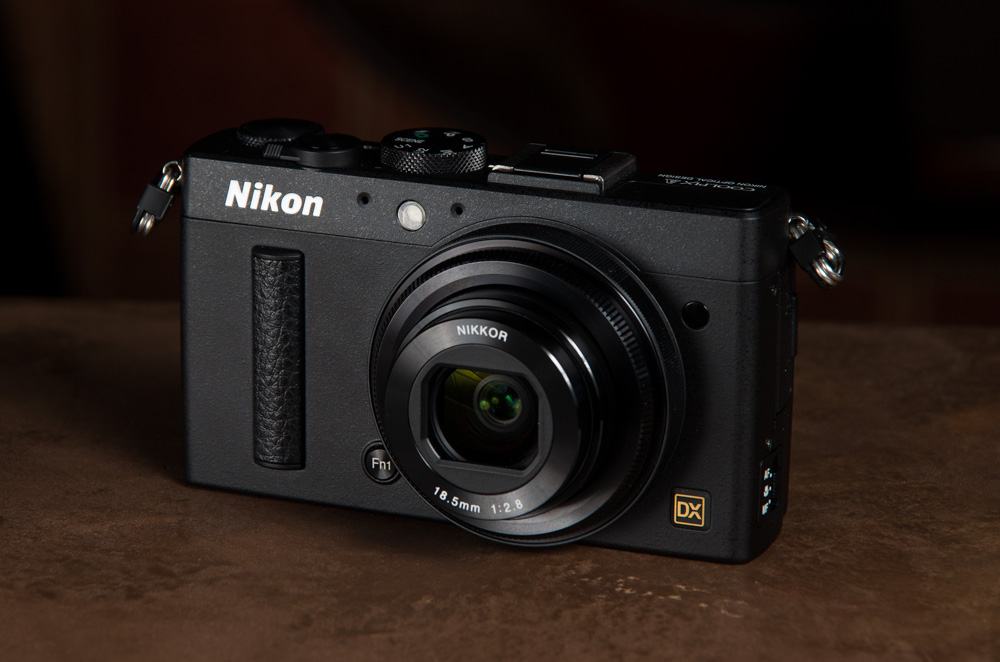
Like the DL series, Nikon users want the CoolPix A to return as well. The cameras were really tiny and pocketable, and one could say they rivaled Ricoh’s GR series. It features the following:
- 16MP APS-C DX sensor
- 18.5mm f2.8 lens (28mm equivalent)
- 3inch LCD with 921,000 pixels
- Measures 111 × 64.3 × 40.3mm and weighs 299g.
- Can record 1080p 30/25/24P videos
- SD card for storage
- WiFi connectivity.
In our review of Coolpix A, we liked the camera’s image quality, the great Matrix metering system, and the overall build quality was good. The only challenge was the button placement, which they could easily work on today.
Why They Make a Return
The market demand for compact cameras is still rising, and there is an obvious market demand for compact cameras that don’t compromise image quality. The PowerShot V1 has a powerful sensor, so does the Leica D-Lux 8. Even the Fujifilm GFX100 RF brings a medium format camera into a compact, fixed-lens body. This proves that as long as Nikon is able to meet consumer demand for professional high-megapixel sensor cameras, people will continue to buy.
What they need to keep in mind is that their upcoming technological advancement helps hybrid shooters since photographers sometimes also rely on video. A full-frame sensor in a compact body, for instance, is likely to help people get more detailed images and improve low-light performance. Nikon users who want a second camera will likely opt for a Nikon fixed lens camera rather than other brands like Leica or Ricoh.
Furthermore, Nikon has the edge for tapping into nostalgia that many Nikon users have for older cameras. The company introduced the P1100, which is a bridge camera for wildlife photographers. If they manage to add more to the fixed lens camera segment, especially considering the technological advancements they have made with Z9, then they will get many youngsters investing in it, too. Nikon has the upper hand this time, and we would like to see what they can do with it.
Get rid of the ads!
Did you enjoy reading this article as much as we enjoyed writing it? There's a way to support us and our reporting, getting ad-free navigation and more as a bonus. Subscribe to us for less than a coffee per month —just $3.99— or take advantage of our yearly subscription with a hefty discount for only $25.- An ad-free experience
- A free mystery box for Lightroom or Capture One
- All the books in our store
- 20% discount on Capture One
- 30% discount on Imalume Photo Theft Protection
- 20% off Herbs and Kettle Tea Company.
- 20% off your order from MPIX printing services.
- 5% off Viltrox Products via their eCommerce store.
- 10% off all film developing, printing and scanning services from Blue Moon Camera and Machine
- 15% off 7Artisans products: The lens and accessory maker is offering a sweet discount for Phoblographer's readers.