

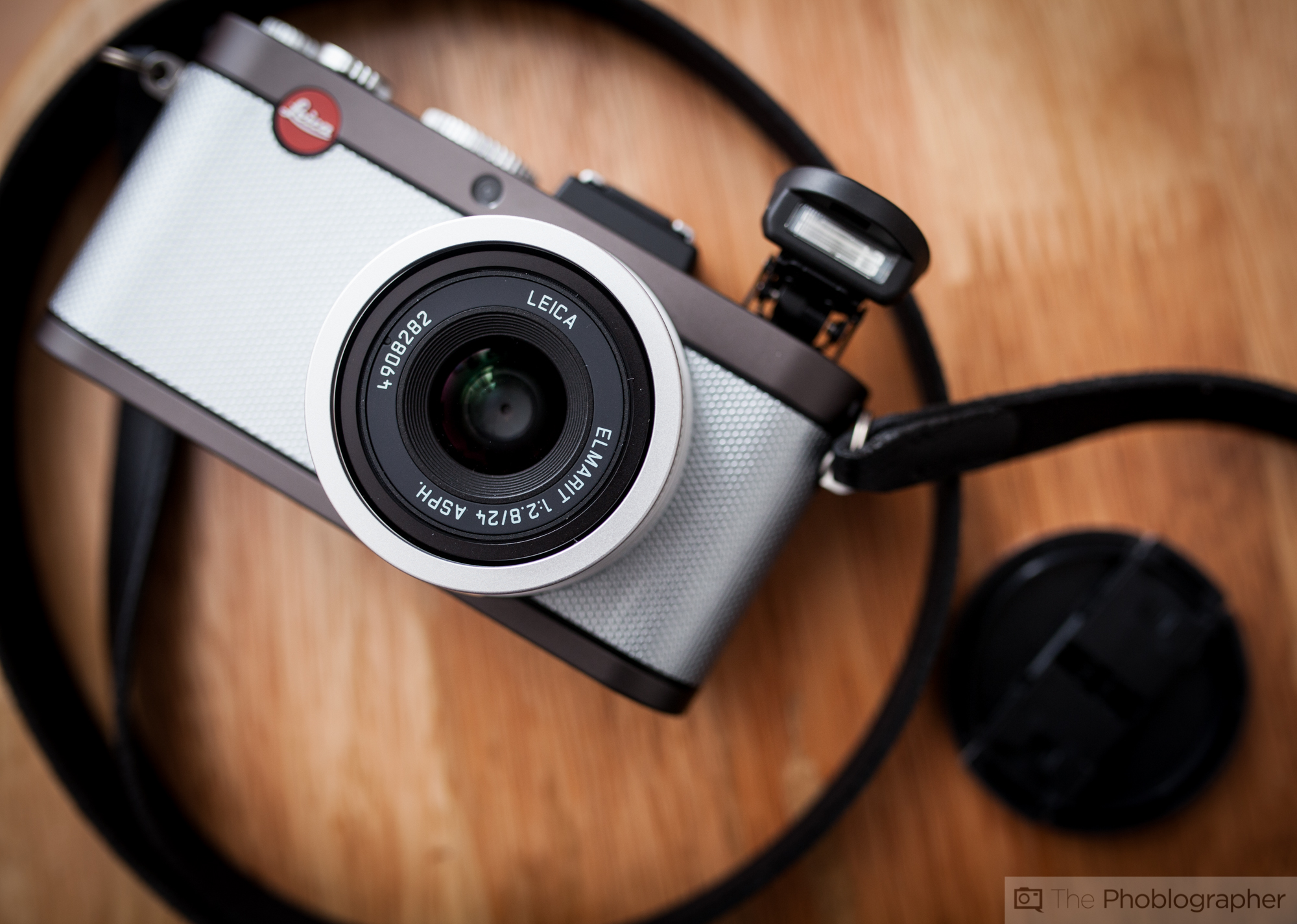
Over a decade ago, we saw the peak of digital compact cameras, and companies like Fujifilm, Ricoh, Panasonic, Nikon, and Canon launched some of the most iconic devices. In fact, some of the devices launched back then have made a massive comeback today, thanks to Gen Z, who are pretty tired of the sterile image quality of their iPhones (and we don’t blame them either). While many compact cameras are making a comeback, we wonder about Leica, which has also been at the forefront of designing perfect devices. In fact, their Q series, which is for professional photographers, proves how the company has evolved with the current technology. It’s also the reason why we think Leica needs to resurrect their compact lineup.
To believe it or not, we are heading towards smaller and smaller cameras. The mirrorless devices have made DSLRs outdated, thanks to their size and speed. However, they have also made many realize that sometimes, we do not need an extremely high megapixel sensor and many high-tech features. We only need a camera that can give you a better experience than a phone and is less costly than a mirrorless device. In that regard, Leica launched the perfect APS-C sensor X series compact cameras that captured everyday moments with a level of quality that was hard to match at the time.
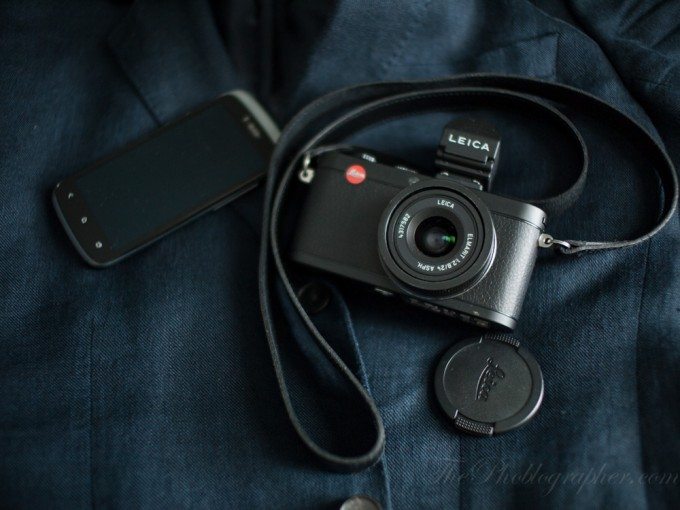
If you have been following us, you are aware that we absolutely adore a Leica. There are several reasons for this, but one includes the fact that the company listens to the users and ensures the devices work decades after they have been purchased. Similarly, their Leica X series, which offered models like X1, X2, X Vario, and XE, has been known for its exceptional build quality, quiet shutter, and large physical dials. In fact, as we stated in our previous article, the X series was hailed as the golden age for Leica compact cameras. The design was functional and aesthetically pretty, featuring better autofocus, battery life, and RAW file versatility. In fact, it was the perfect device for street and everyday photographers who wanted to carry light.
Considering all the cameras offered, we think this is the perfect time for Leica to revive this long-gone device. For starters, the camera will meet the market demand, which is pretty high. In fact, we recently reported that one of the reasons why Leica had such a watershed moment with its profits was the boom of the Leica Q3, which is one of the most sought-after cameras among professionals. Similarly, the Leica X series will fit perfectly in the hands of photographers who do not want a DSLR’s bulkiness or a mirrorless system’s price tag.

Then, there is the heritage aspect that comes with Leica. Anyone who purchases a camera from the company knows they are getting the deal of a lifetime. Reviving the X series would help many photographers who have used the device in the past or admire the brand to carry a Leica, which will be a bridge between their high-end M series and the more accessible Q series. Furthermore, since Leica can be sold at a better price later on, they will recover a large part of the money they already spent.
Similarly, the X series could do what other companies fear: better technological improvements. The X series can be built on Leica’s image quality and other features, such as low-light performance and a better menu, which will make the devices more appealing to a wider audience, including professionals and enthusiasts.
Lastly, Leica’s compact camera revival could have an edge over Canon, Nikon, and Fujifilm. Leica has been pretty clear that it is not a part of the rat race, and that’s why it has a better chance to offer something that other camera companies are not thinking of: innovation. The way Fujifilm X100VI was sold off in a few months, Leica could have a similar impact if it played its cards correctly.
In a way, Leica could bring back the era of compact cameras, which not only meet but exceed the expectations of photographers. By doing this, they can perhaps remind photographers of the immense joy of using a camera over a smartphone.
Get rid of the ads!
Did you enjoy reading this article as much as we enjoyed writing it? There's a way to support us and our reporting, getting ad-free navigation and more as a bonus. Subscribe to us for less than a coffee per month —just $3.99— or take advantage of our yearly subscription with a hefty discount for only $25.- An ad-free experience
- A free mystery box for Lightroom or Capture One
- All the books in our store
- 20% discount on Capture One
- 30% discount on Imalume Photo Theft Protection
- 20% off Herbs and Kettle Tea Company.
- 20% off your order from MPIX printing services.
- 5% off Viltrox Products via their eCommerce store.
- 10% off all film developing, printing and scanning services from Blue Moon Camera and Machine
- 15% off 7Artisans products: The lens and accessory maker is offering a sweet discount for Phoblographer's readers.
- 15% off a VSCO One subscription: Get a bunch of great tools with their all-in-one package.