

Last Updated on 01/31/2025 by Lara Carretero
It’s Black History Month — and as always, we’re celebrating the exceptional works of Black photographers across various genres. Despite facing numerous challenges, these talented artists have worked tirelessly to achieve success in their careers. Each photographer possesses a unique vision and a deep commitment to their projects, yet their contributions are often overlooked in the industry. This month, we take the opportunity to spotlight the best Black photographers who they are and how their unique stories help diversify and improve the medium.
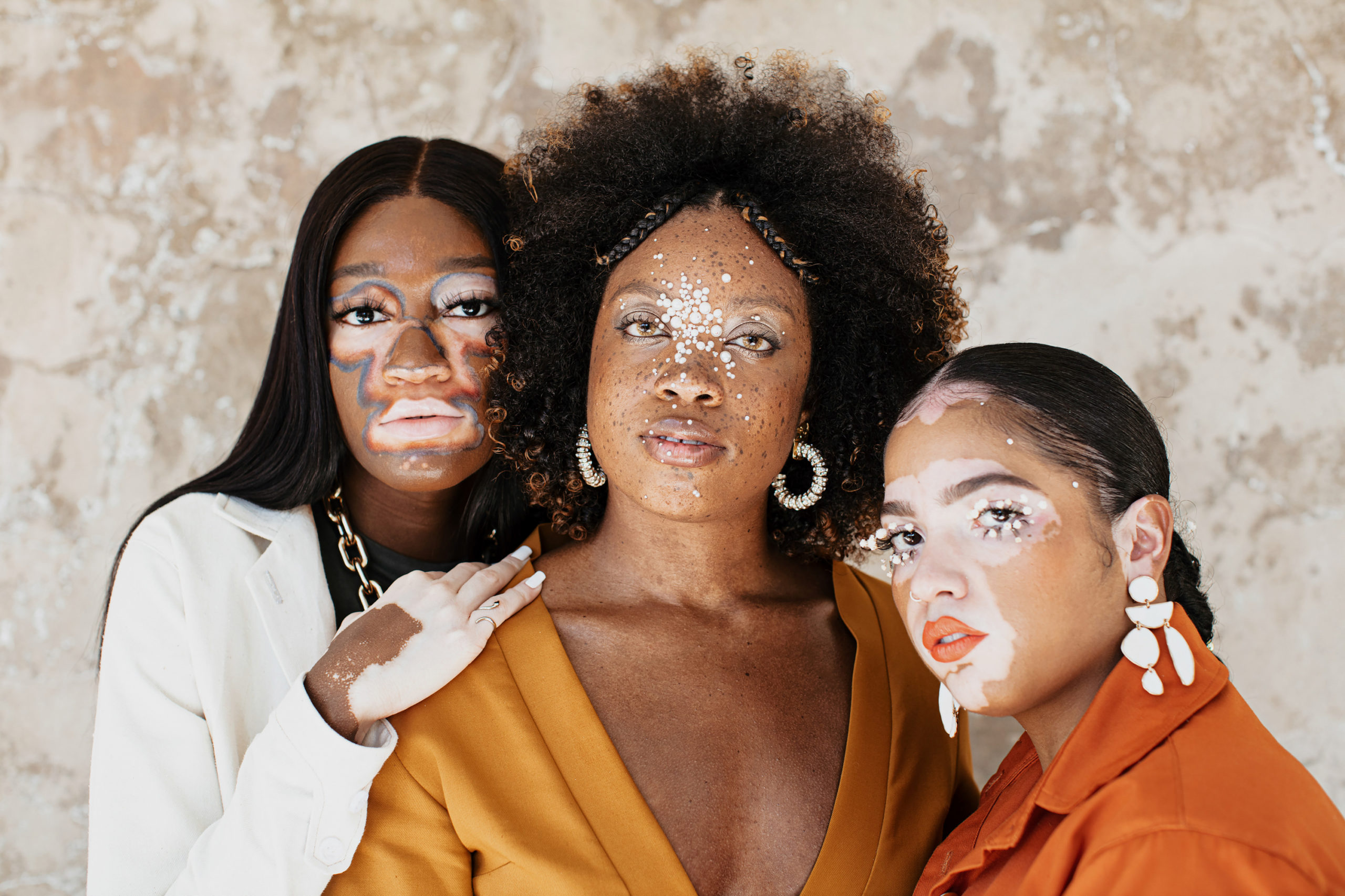
The lead image is by Kreshonna Keane. All images are used with permission.
Table of Contents
Aisha Seriki

As a Black woman photographer, Aisha wanted to explore the representation of Black women in the visual arts, which led to the birth of her series, Heaven Is Not Closed. Her work is captivating because she makes the women in her photographs appear like goddesses, teaching having supernatural powers, yet are naturing and soft. Their confidence, along with the rich gold tones, only elevates the image more so. The powerful portrayal only proves that Black women need to be given more space in visual history, both in front of the lens and behind it. In her interview with us, she said:
I am interested and would like to see the art world engaging with black and POC artists past the marker of identity and race.
JD Barnes
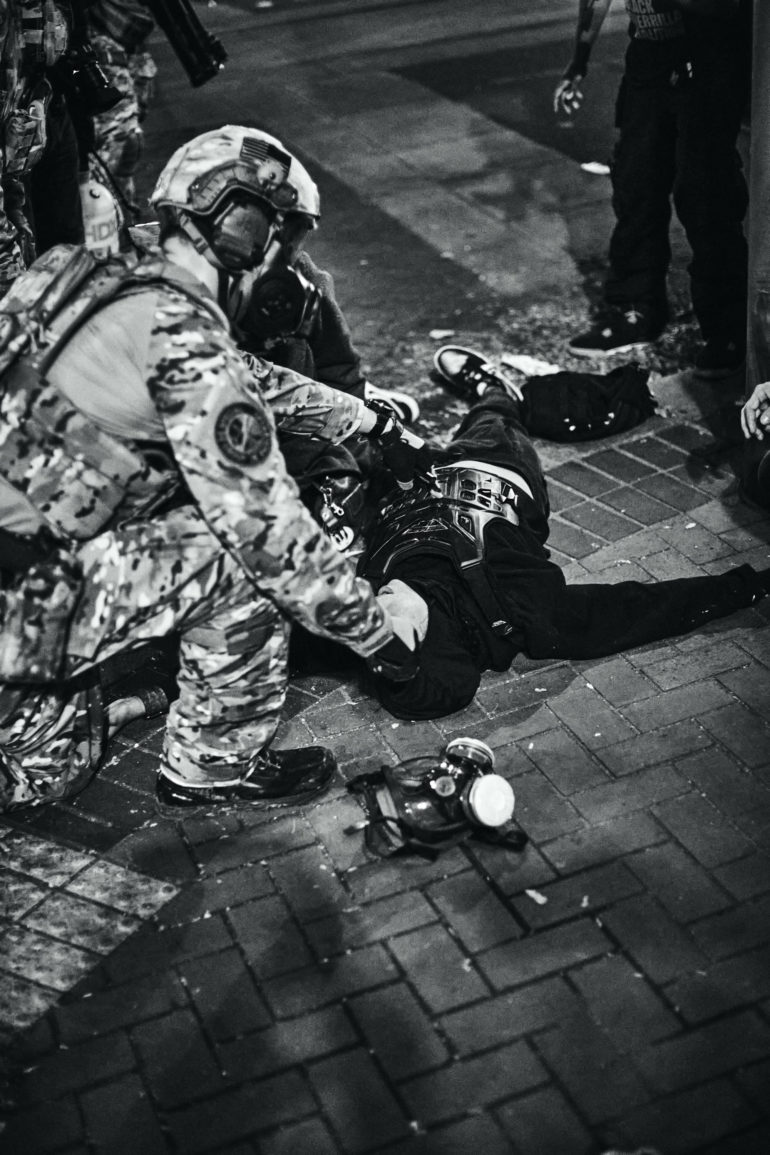
A Black photojournalist, JD Barnes, has documented the protests in Portland and New York; some even became violent for the protestors. Despite being beaten with a baton, JD continued photographing the protest as he knew its importance. His photographs portray the imbalance in power–the police, with their gears, beating up civils who don’t have anything. The image above only proves why photojournalists must be present: to document the harsh realities of the government when nobody is ready to do so. In our interview, JD told us:
As a black photographer, I think that feeling is something that I kind of live with. Ultimately the job needed to be done, and I think that from my perspective the rewards of being there and capturing history especially from a black person’s perspective, outweighed the risk of being out there.
Chinelle Ro

Starting her journey in 2010, Ro’s self-portraits have changed drastically over time. Now, using different lights, poses, and editing techniques, Ro showcases who she is as a person and a model. The image above depicts her in different hairstyles, but in the end, she embraces her culture, flaws, and identity. In an interview, she told us:
As a child, growing up, I NEVER actually considered myself Black. I was just Trinidadian, as if they couldn’t be synonymous with each other. It wasn’t until my early 20s that I actually acknowledged that I’m a Black Trinidadian who grew up in a Black American society. When people see me, I’m Black FIRST before everything. It wasn’t until my mid 20s that I actually embraced that. So, titling the entirety of my self portrait work, my ongoing, 10-year long project, as “My Black Self” seemed appropriate. It’s a constant reminder, that I am, in fact, SO proud to be a Black woman, and wouldn’t change that for anything.
August Udoh
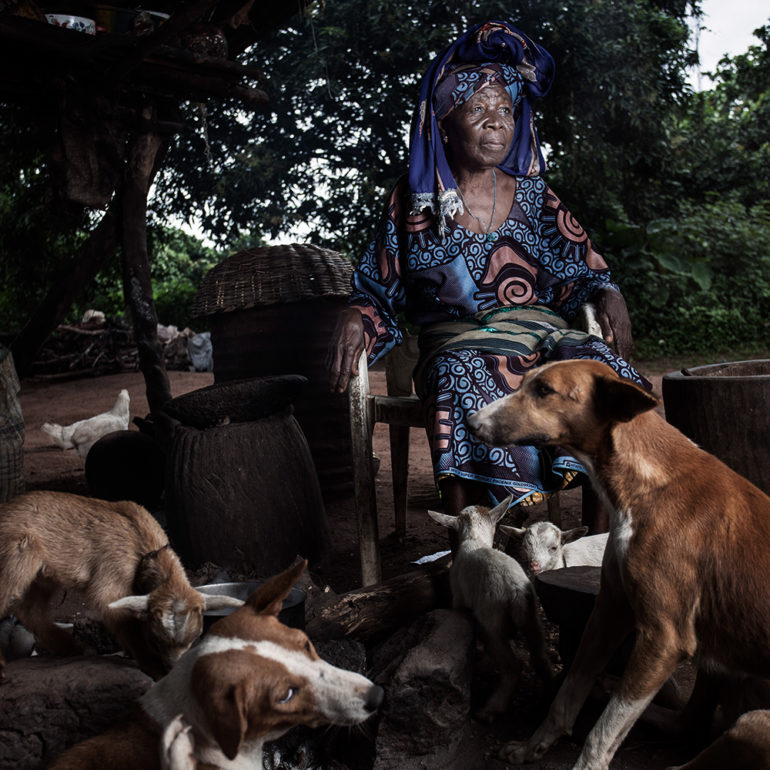
As a photojournalist, August has been included in our best Black photographers list because his work showcases ordinary people in extraordinary ways. Inspired by Richard Avdeon’s American West series, August has used a similar format to showcase people’s unique personalities in his hometown in Nigeria. The image above is from his project, Everyday People, and showcases the lady with much dignity. We don’t know who she is, but we are still drawn to her, particularly her pets. The colors of her dress, the environment, and her expressions all add to the photograph.
C. Stephen Hurst
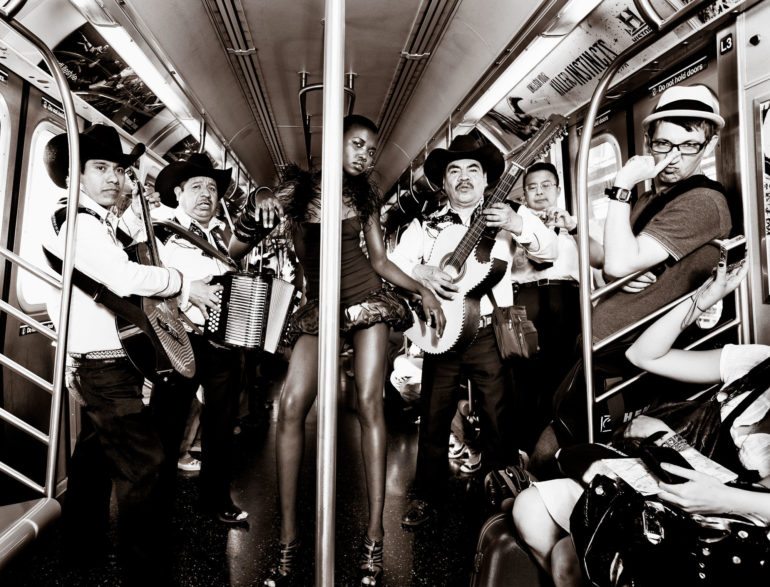
As a portrait photographer, Hurst’s images are truly unique. His use of flash, bold setup, and unique angles are like a breath of fresh air. Inspired by Weegee and Thierry le Goues, his photographs captivate the viewer, too. The image above, for instance, has so much going on. The musicians, the model, and the man in the corner each have a personality of their own. Yet, together, they don’t break the harmony. The image is a blend of street, fashion, portrait, and documentary, all in one. In his interview, Hurst tells us:
The real turning point though was when I was diagnosed with cancer. I accepted the possibility that the lymphoma would kill me but I couldn’t accept that my work as photographer, and not a painter, would end. I guess you can say this is when I transitioned from being a hobbyist to being a more focused practitioner of the craft.
Tiff J Tiff Sutton
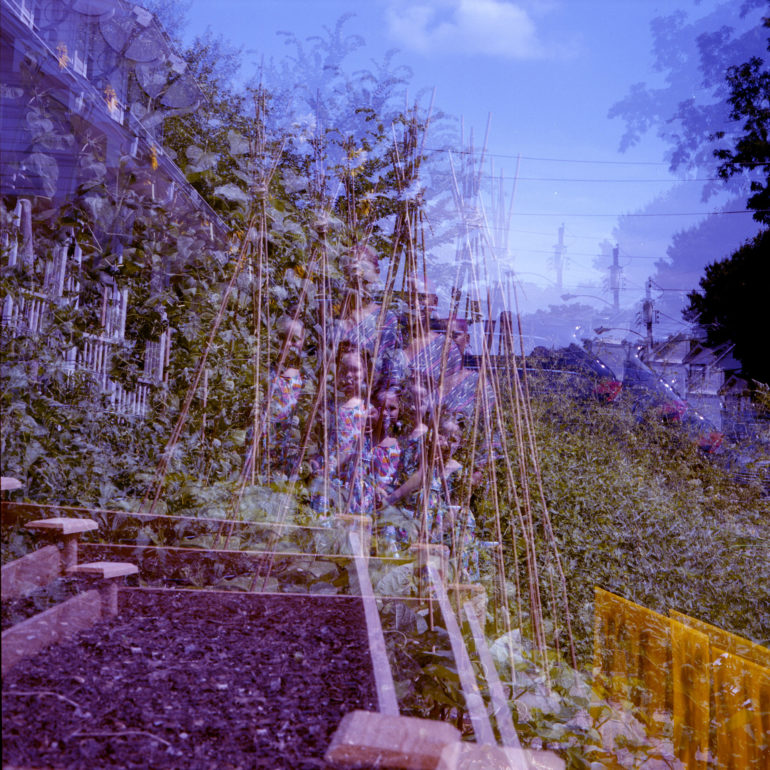
Beginning photography at 15, Tiff has always aspired to be well-known in the field. Today, she has made it to the best Black photographers list. Her work is different as it explores what it means to be Black, particularly as a woman. She always relies on double or multiple exposures, which seems the best way to showcase a woman’s life. The image above can be read as a Black girl turning into a woman and all the lives she has in her house before she has to move to someone else’s. In her interview, Tiff told us:
I moved to shoot exclusively Black women because I am committed to creating artwork with Black bodies. I want girls who go to Art Museums to see a variety of women on the walls. Women that look like them, women that look different, and women who aren’t all nude. It’s about being culturally diverse, and I want to contribute to making that happen.
Rydell Tomas Jr
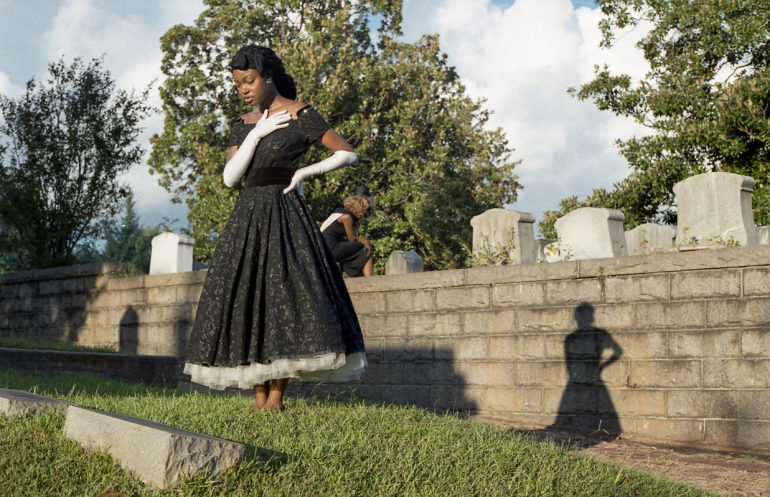
What we like about Rydell’s images is that despite being staged, they appear like moments shot from the 1970s and 1980s America. His series, American Dream, showcases the diversity of Atlanta and nearby cities, and it has been shot entirely on film. The image above is an example of that, as it portrays the rich tones of the film and adds to the entire model of the image. In an interview, he told us:
Typically, I try not to think too hard when I see anything worth capturing, I tend to overthink and that does more harm than good. I let things happen naturally; composition is important but “rules” aren’t real. At the end of the day, it’s ultimately your vision that others get to see.
Frank Jackson
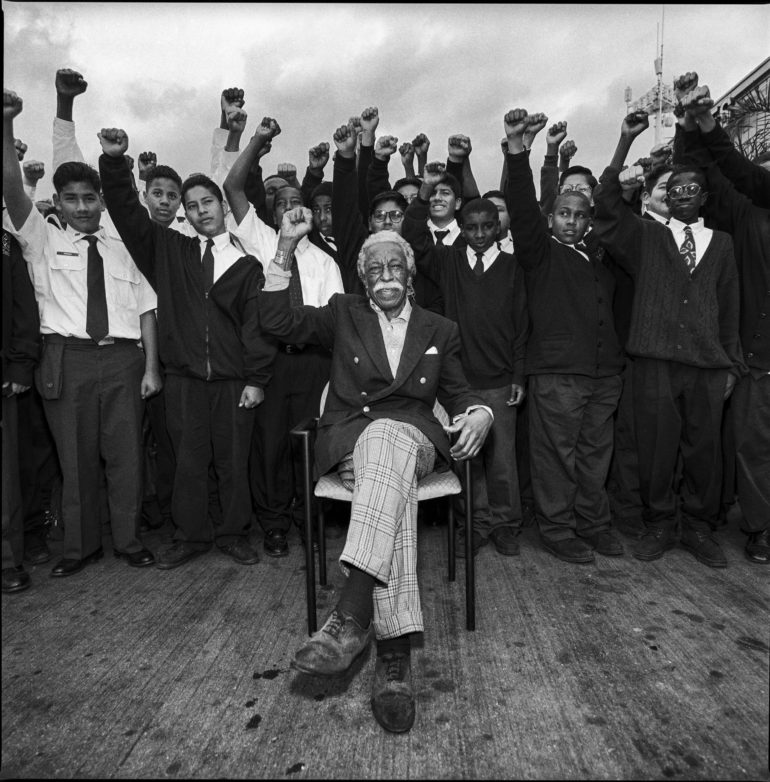
Frank’s work showcases the beauty of black and white photography and the rich details they bring. The image above is an example of this. It is a powerful photograph, with what seems to be one generation passing down its knowledge, courage, and resistance to the many that come after him. Their hands in the air resemble the Black Power salute that American sprinters Tommie Smith and John Carlos did at the 1968 Summer Olympics in Mexico City. Thus showcasing the tradition that is carried on years later. In his interview, Frank told us:
My photography is not for everybody, and I am ok with this, but most often, after someone has seen one of my photographs they usually want to see more.
Obafemi Matti

We chose Matti on the best Black photographers list because of how his images are between reality and diction. Through his portraits, Matti transforms the mundane into Dali-esque scenes. However, there is a deeper meaning behind his work. Matti tells The Phoblographer it’s about “the ones we love, the ones we know, and the ones we meet look just like people. We see them the way we want to, projecting our expectations and needs onto them, hoping they can fulfill whatever aspect of our lives that seems fitting.” You can read more here:
Through a lens I try to dig deeper to find my subjects hidden thoughts, fears, dreams, and imagination in an effort to discover them beyond what I believe them to already be.
Ericka Jones-Craven
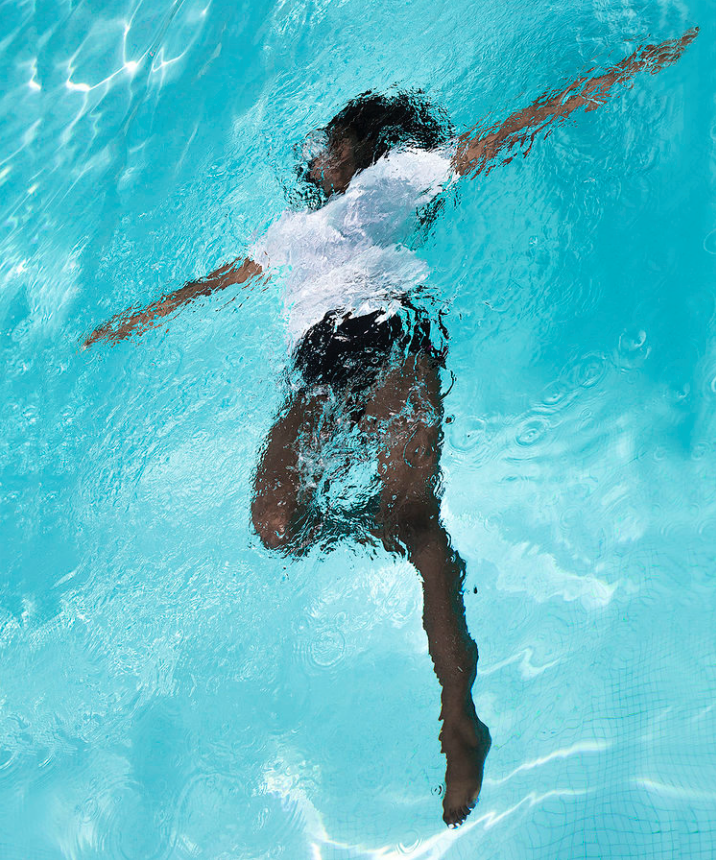
Erica has photographed people from varied walks of life, but with Up for Air, she began to follow queer people amongst church-going communities in the American South. She began to visit communities in Georgia and even attended traditional services, LGBTQ+ services, etc. Her work, thus, sheds light on the stigma around sexuality, religion, and spirituality. The images are poignant and, in today’s context, make much more sense to be seen and reviewed again.
Theik Smith
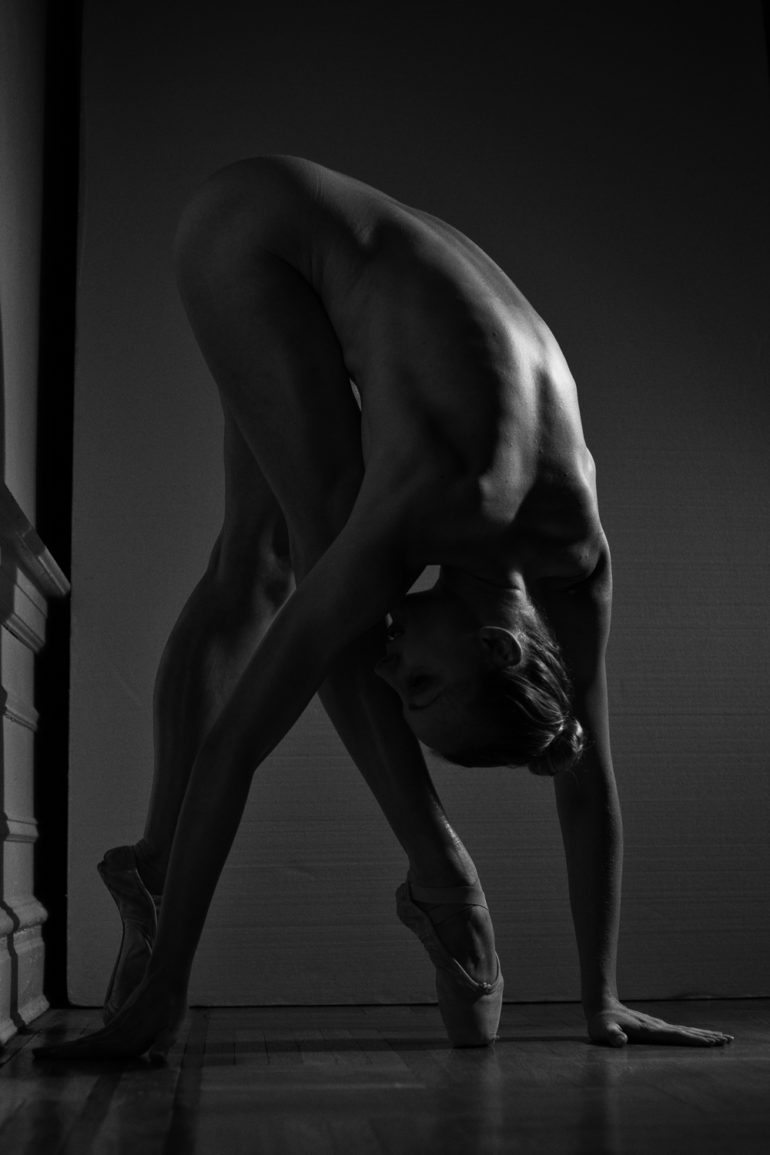
Theik’s photographs explore human anatomy through the play of light and details. His black-and-white images bring out certain elements and shapes that may sometimes get lost in color. The image above showcases the dancer’s grace and makes the lines on her back stand out. The single source of light is enough to keep one hooked and peel the image layer by layer. In his interview, Theik told us:
There’s this itch in me to create stories, especially action-oriented ones. I’m going to blame a steady diet of comic books, detective novels, and action movies. The tropes I gravitate towards to in my own story-telling are usually subcultures, specialized knowledge, power and control and how it’s wielded, and strength. The visual depiction of these things drives me to pick up my camera, I think.
Kreshonna Keane
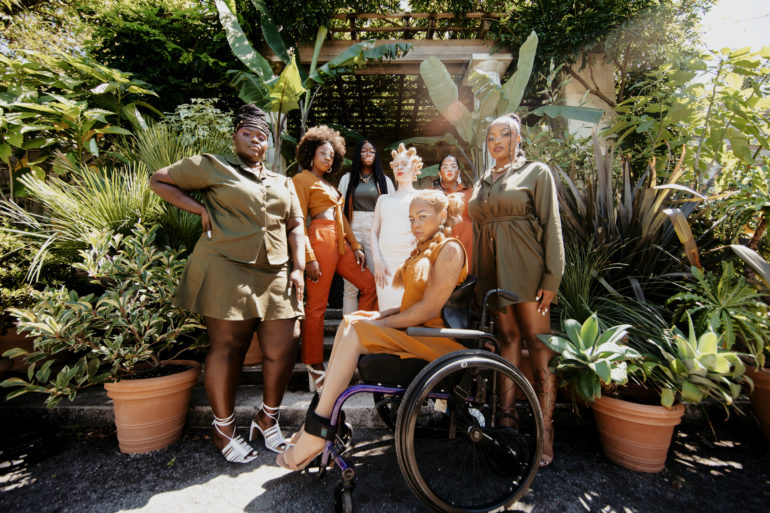
Kreshonna is one of the best Black photographers for showcasing the struggles of the BIPOC community. Through this series, she highlights the obvious disparity in our visual industry, particularly in commercial space. Her work focuses on black love, life, culture, and inclusion/diversity, all of which are very important narratives to follow today. Furthermore, she photographs her subject with the utmost dignity, and that helps her stand out from the crowd. In her interview, she told us:
A common theme I found was that they were all part of underrepresented communities, specifically in the fashion and beauty industries. The impact of this project showed me that there was a lot more work to be done in highlighting and celebrating inclusion in the BIPOC community. It became a common theme in my work and is something I am still actively pursuing.A common theme I found was that they were all part of underrepresented communities, specifically in the fashion and beauty industries. The impact of this project showed me that there was a lot more work to be done in highlighting and celebrating inclusion in the BIPOC community. It became a common theme in my work and is something I am still actively pursuing.
Get rid of the ads!
Did you enjoy reading this article as much as we enjoyed writing it? There's a way to support us and our reporting, getting ad-free navigation and more as a bonus. Subscribe to us for less than a coffee per month —just $3.99— or take advantage of our yearly subscription with a hefty discount for only $25.- An ad-free experience
- A free mystery box for Lightroom or Capture One
- All the books in our store
- 20% discount on Capture One
- 30% discount on Imalume Photo Theft Protection
- 20% off Herbs and Kettle Tea Company.
- 20% off your order from MPIX printing services.
- 5% off Viltrox Products via their eCommerce store.
- 10% off all film developing, printing and scanning services from Blue Moon Camera and Machine
- 15% off 7Artisans products: The lens and accessory maker is offering a sweet discount for Phoblographer's readers.