


Last Updated on 01/30/2025 by Lara Carretero
“Photography, at its core, is about storytelling and capturing memories,” says photographer and innovator Alireza Rostami in an interview with The Phoblographer. “Whether we use digital or analog tools, both serve that purpose in unique and powerful ways.” Alireza stands at an incredible intersection of the medium. His DIY cameras urge viewers to reconsider the approach we take towards our imaging industry, particularly the creation of the cameras. Through his simple yet spelling designs, Alireza offers a distinct glimpse into a world where any creative boundary can be easily broken to achieve one’s vision. Today, we speak to him about his DIY cameras and how he continues to be so motivated.
All images are by Alireza Rostami. Used with permission. For more, follow him on 500px, his YouTube Channel, and his Instagram @alirizarostami
A Curious Innovator And Storyteller
Rostami’s creative journey began at an early age, but it was not until later that he found photography as his calling. “I grew up in a family that valued the wisdom of nature deeply. My great-aunts were practitioners of traditional herbal medicine, carrying on the knowledge passed down through generations,” he tells us. As a child, he often accompanied his aunts to gather medicinal herbs and plants, which fueled his curiosity. This led him to keep a journal documenting the medicinal plants and methods of preparation. “My desire to document these findings eventually led me to photography,” he states. “I purchased my first camera, a Zenit 122, to capture the processes and results of my experiments. What began as a practical tool soon became a creative outlet.”

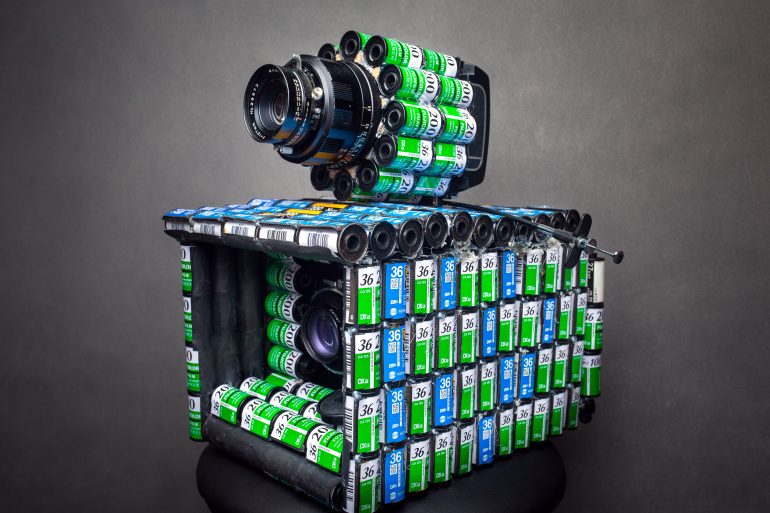
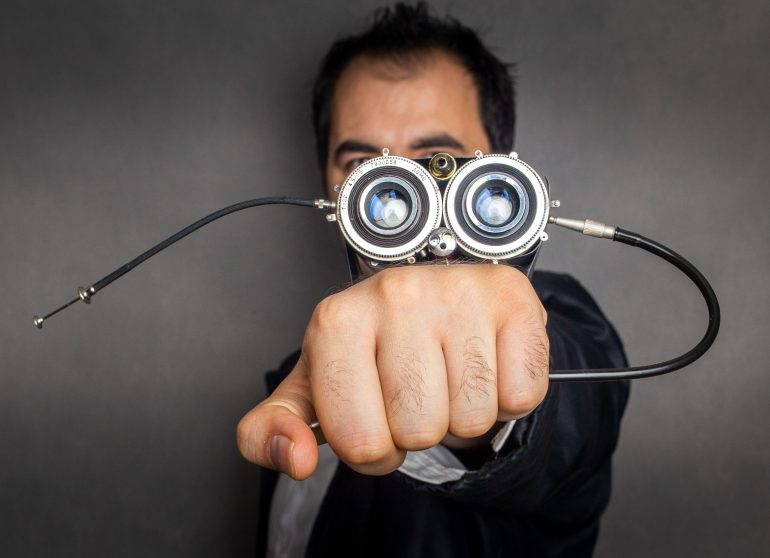
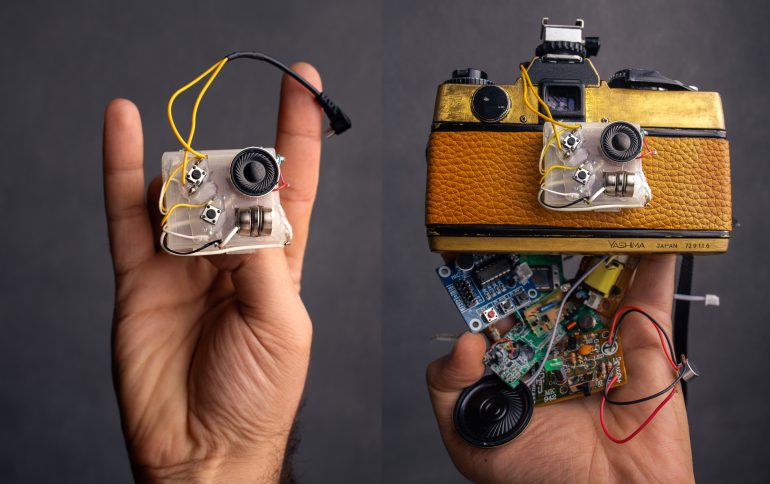

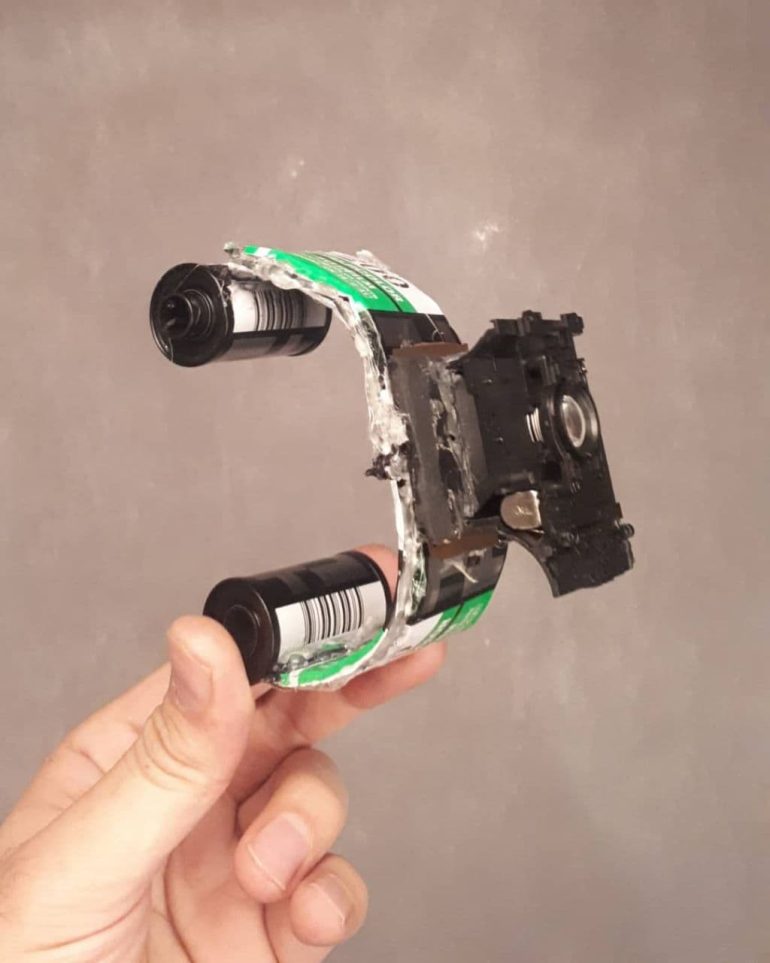
This love for folklore gradually found a creative outlet in his DIY camera creations. For instance, his Golem camera was inspired by Jewish folklore, where a clay figure was brought to life through mystical rituals and Hebrew inscriptions. While it was supposed to protect the creator, Golem becomes uncontrollable, highlighting themes of creation, responsibility, and unintended consequences. Like Golem, the Frankenstein camera was inspired by Mary Shelley’s novel. Created with multiple intricate and complex discarded objects, the device will shock and inspire anyone who loves photography. “I wanted to show that even ‘dead’ objects, such as broken camera parts or electronics, can be reassembled to create something functional and meaningful,” Alireza tells us. “It’s also a metaphor for sustainability: creativity can breathe new life into what others see as waste.”
Each piece is part of a larger journey, and I’m always looking for ways to push boundaries and explore new possibilities in photography.
Alireza Rostami
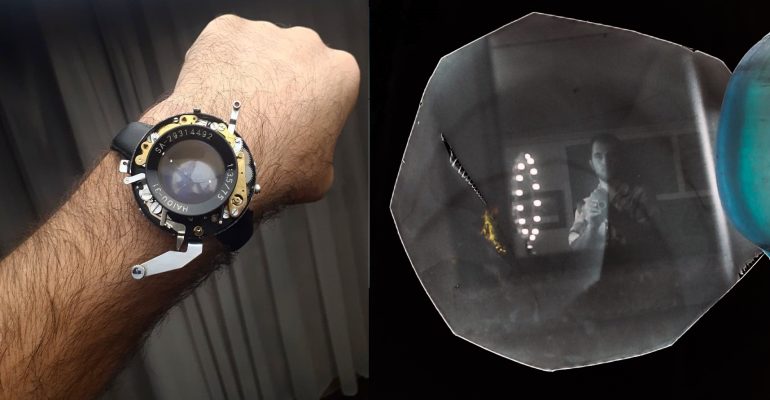
Some of his other creations include a talking camera, which is still in development; a unity camera, which serves as a symbolic anti-war artwork; and a wristwatch camera. He also designed an innovative lens by rearranging a few elements, creating stunning images with a unique string bokeh effect. In addition, he gave his mobile camera the ability to shoot film and created powerful flash triggers for his portrait setups. When asked how many cameras and lenses he has created, Alireza says: “The truth is, I’ve lost count. My work has been a continuous process of experimentation and innovation, and many of my creations are yet to be shared with the world.”
What Goes Into These Creations
Innovations require both imagination and dedication for the creator to bring their vision to life. Once the ideation part has been completed, Alireza plunges right into the second stage, which is crucial for his cameras. “I first dive into research and reflection, drawing from my personal experiences, cultural influences, and the history of photography,” he shares with us. After this comes the most interesting part, collecting material from discarded digital and analog cameras. “I believe these objects, often discarded as waste, possess unique personalities. For instance, a broken motherboard, dismissed as trash by many, tells the story of a once-valuable component now abandoned,” he adds.
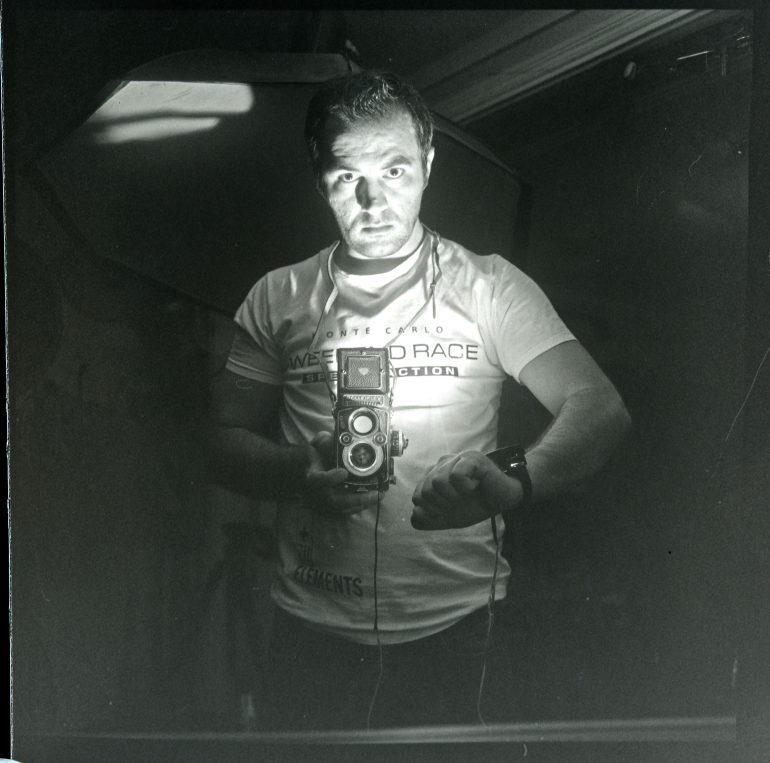
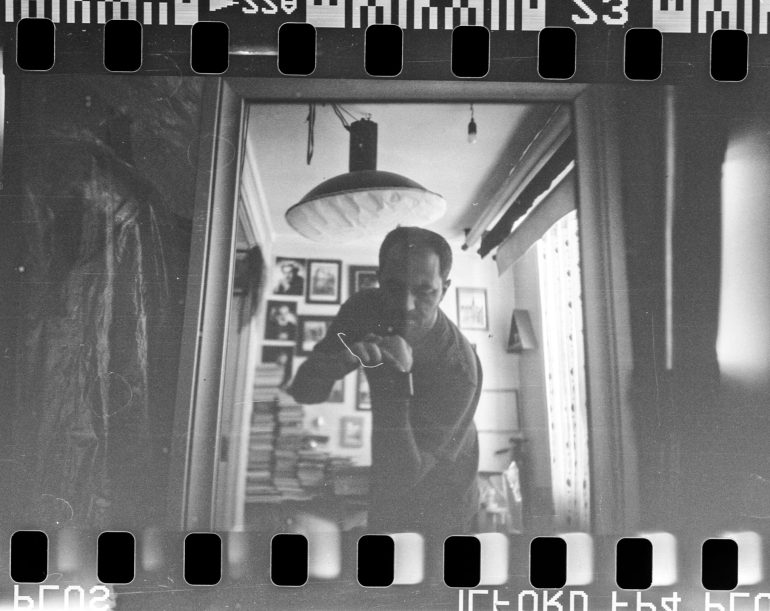
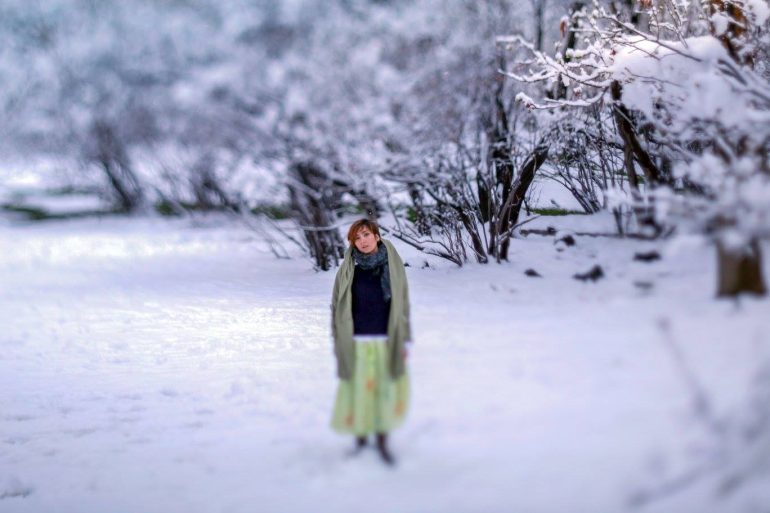
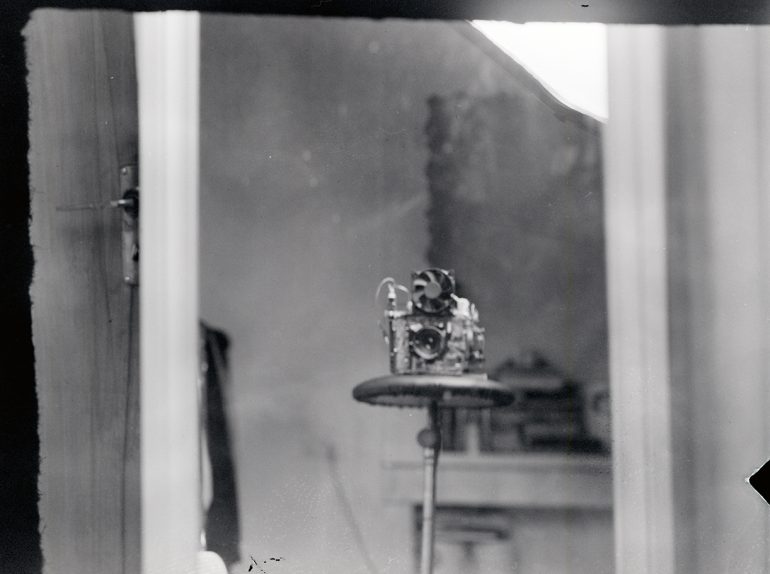
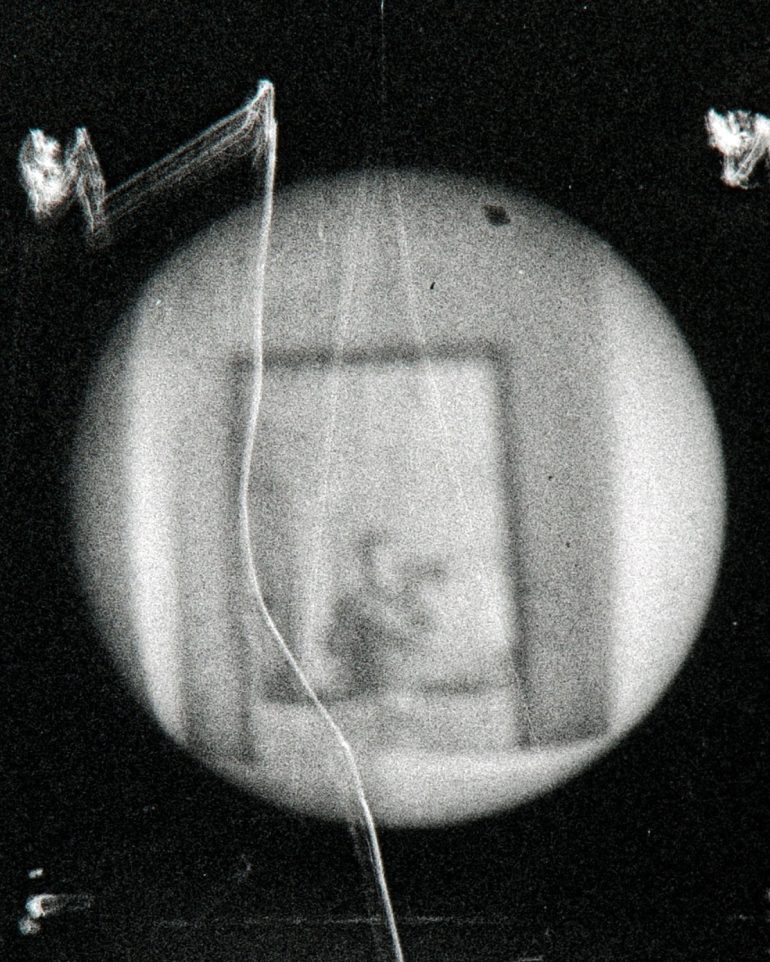
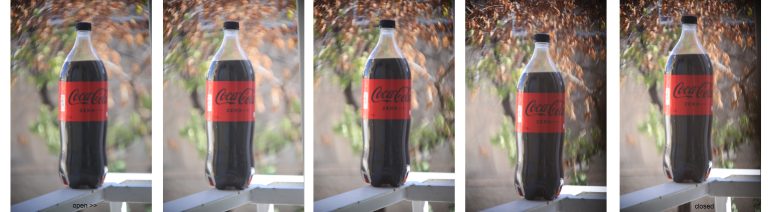
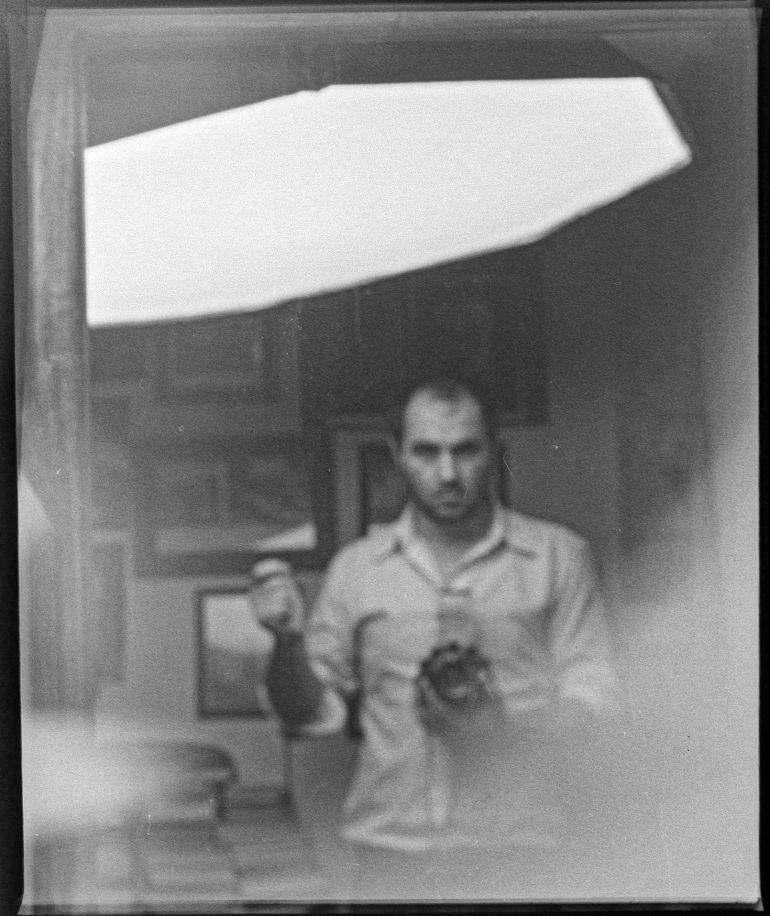
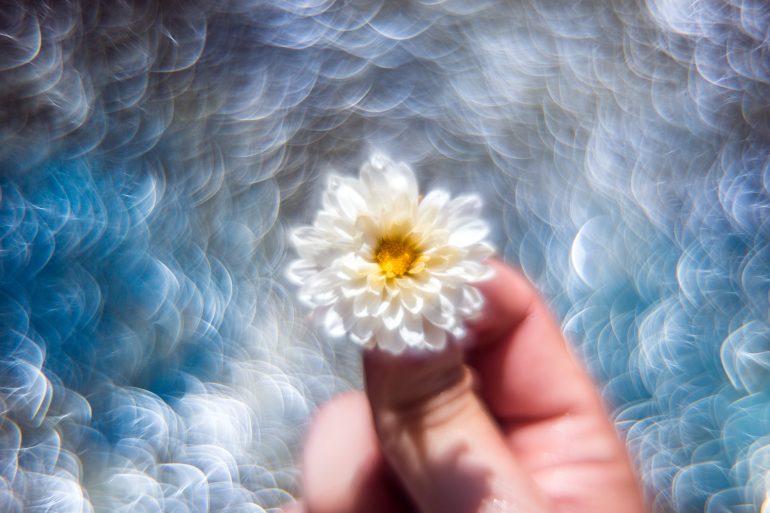
Photography has become my voice—a way to express my love for nature, advocate for its preservation, and promote messages of respect, creativity, and harmony with the environment.
Alireza Rostami
Once the materials are gathered, Alireza begins to assemble his creations, carefully experimenting and making adjustments until everything aligns with his vision. “I approach each project as a balance between creativity and technicality, combining my artistic instincts with hands-on engineering skills,” he says. For instance, when he was making the DIY tilt-shift lens, Alireza chose a Kyiv-60 lens and created a custom mount with rubber parts and a spare car component to create a flexible, adjustable setup. The lens was mounted without glue (to avoid damage) and secured with yarn to prevent dust. This setup allow the lens to tilt and shift, and give the effect that he wanted.
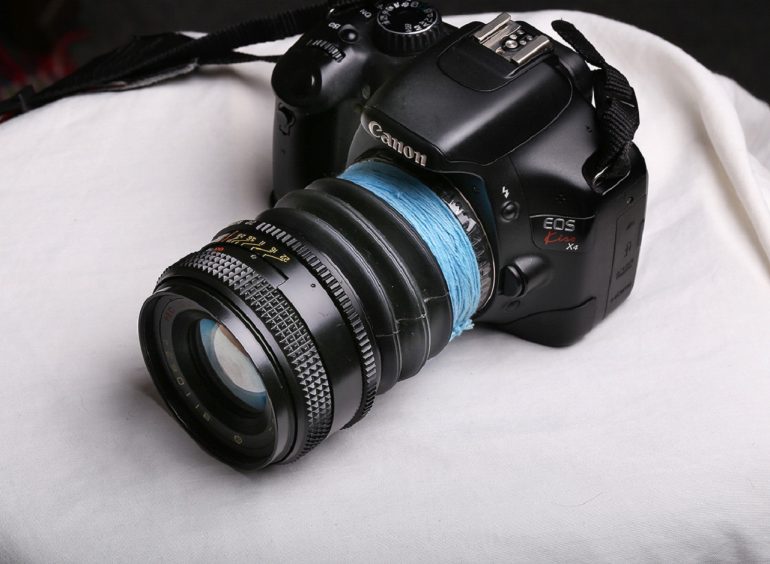
Once the DIY cameras are created, he will use them for his projects. When asked about his future plans, Alireza states that he will continue to make cameras and capture images later in life. “I prefer to pursue both paths together. While I am a photographer, I am also an artist who creates things to amaze my audience.”
The Debate of Digital and Analogue
Many photographers often debate which medium is superior. While some prefer digital photography and others lean towards analog, Alireza, who has experience with both, offers a thoughtful perspective. “While digital photography and AI can quickly produce remarkable results, they often lack the soul that analog photography inherently carries,” he explains his opinion. “The ‘fake’ or synthetic quality is tangible, and there’s no human touch or artistic craftsmanship behind the images.” On the other hand, analog photography holds a special place in his heart. “Analog forces us to slow down and be more mindful in our approach to photography. It also carries a certain nostalgic and emotional value, connecting us to the past in a way that digital often cannot.”


But that is not all. Alireza, while he has his personal preferences, believes that it all boils down to context and intention. “Each approach has its rightful place depending on the situation and the kind of expression or result one is aiming for,” he shares. He recognizes the contribution of the two and how each medium has helped artists in myriad ways. “Embracing both allows us to fully appreciate the spectrum of possibilities, and I think that’s the most enriching approach to this art form,” he adds.
Alireza Rostami’s creations emphasize the importance of viewing photography from a unique perspective, distinct from that of mass-produced cameras. Each of his photographs possesses a soul that many modern cameras struggle to capture. Moreover, his DIY cameras rekindle people’s love for photography, a passion that often gets overlooked while we chase dopamine casinos called social media. As this innovator demonstrates, passion and craftsmanship are essential factors that can lead to significant success.
Get rid of the ads!
Did you enjoy reading this article as much as we enjoyed writing it? There's a way to support us and our reporting, getting ad-free navigation and more as a bonus. Subscribe to us for less than a coffee per month —just $3.99— or take advantage of our yearly subscription with a hefty discount for only $25.- An ad-free experience
- A free mystery box for Lightroom or Capture One
- All the books in our store
- 20% discount on Capture One
- 30% discount on Imalume Photo Theft Protection
- 20% off Herbs and Kettle Tea Company.
- 20% off your order from MPIX printing services.
- 5% off Viltrox Products via their eCommerce store.
- 10% off all film developing, printing and scanning services from Blue Moon Camera and Machine