


Last Updated on 01/30/2025 by Lara Carretero
Magic exists all around us, quietly waiting for our senses to sharpen or our awareness to heighten. There are ever-so-subtle, fleeting moments when the world mesmerizes us with its immense beauty. While many of us seem unfazed by it, only a handful of individuals consistently venture to preserve its shine and wonder. An example of this photographer is Thaddäus Biberauer, who captures the enchanting beauty of our planet. “At first, I didn’t know this kind of photography even existed,” Biberauer tells The Phoblographer. “I always thought photography was just about documenting moments as they are. Once I started researching and playing around with friends, we realized how much fun it was to create visuals that didn’t exist without a camera.”
All images are by Thaddäus Biberauer. Used with permission. For more, please check out his website and his Instagram @hozzography.
A Dream Within a Dream
The year was 2019, when Biberauer, who was more into filming, began to take the camera with him to “make certain activities more engaging.” Here, the camera’s ability to “turn ordinary moments into something creative” drew the Austrian photographer closer to the medium. But, there came a point when one particular instance changed everything for him. “What really got me hooked was experimenting with night photography,” Biberauer tells us. “Long exposures fascinated me. Capturing light trails or transforming the dark into something visible felt magical. It amazed me that I could create images of things you couldn’t see with the naked eye,” he adds.

Gradually, his experimentation evolved, but with it, his need to push the boundaries of image-making. “That’s when I realized how much I loved photography, especially the ability to change how people perceive things,” he adds. Today, we see his years-long dedication to the craft, which evolved with time, and his immense dedication and curiosity. His photographs—whether portraits, landscapes, or cityscapes—each have a rhythm of their own. The images, which appear moody and dream-like, seem like moments plucked from fairytales. The horizons, often shrouded with mist, leave the reader wondering what lies ahead, perhaps a portal to the other world. So, when asked about what usually goes through his mind when he photographs, Biberauer says: “Most of the time, my process is instinctive. I move around and shoot what catches my eye without overthinking or planning too much. I like to keep things fluid and spontaneous.”
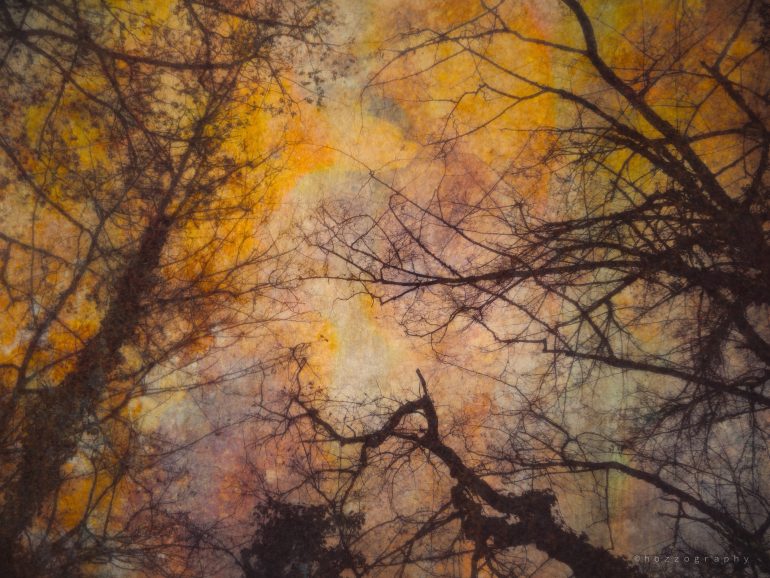
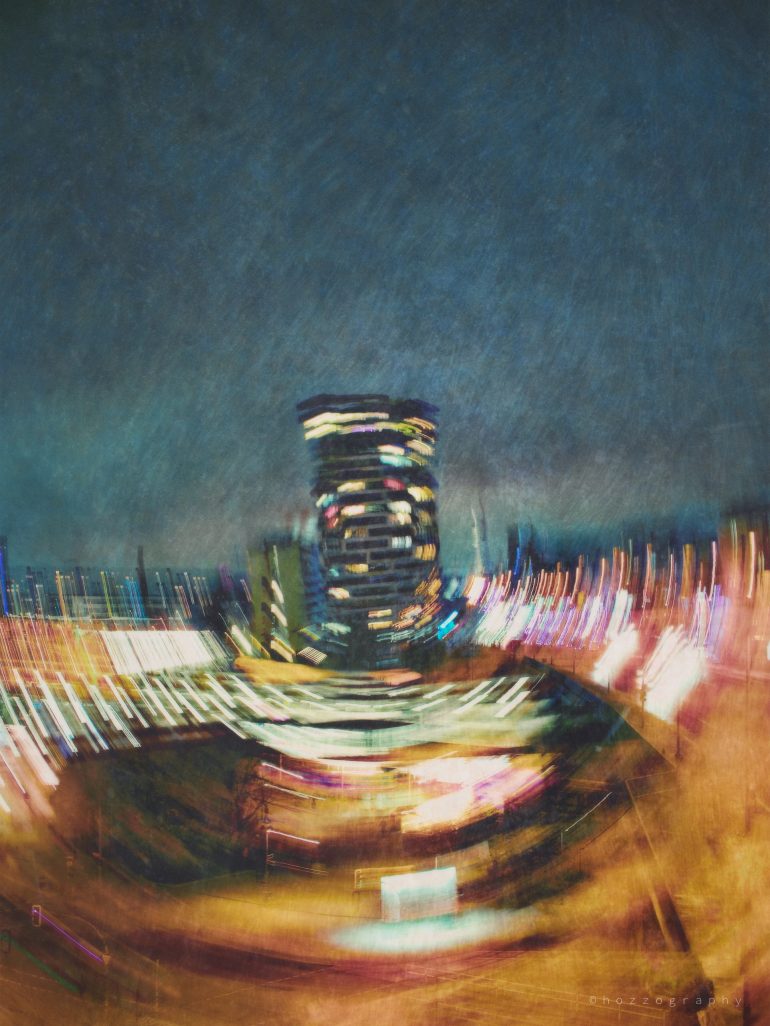
What defines his process is his preference for shooting manually. He carries an Olympus OMD EM10 Mark IV, which he prefers for its “intuitive knobs and buttons” that make it easy to adjust settings. He also carries Olympus M.Zuiko 14-150mm f4-5.6 II for range and versatility. In addition, a Walimex Slim UV filter, modified with hairspray as a diffusion filter, is always on him to diffuse the light. He also has a second UV filter, where he applies vaselin to create blur. “Depending on the scene, I adjust by using one, both, or neither filter,” Biberauer states. Other items in his bag include a Gobe variable ND filter, a small container of Vaseline, a cloth for adjustments, and an extra battery.
Into The Inner Worlds
The purpose of a photograph is often to evoke emotions or let viewers question what they see. In Biberauer’s case, his images achieve both objectives. On one hand, they may give viewers some respite; on the other hand, they may wonder about his motives. After all, a photograph is the reflection of the photographer. “Maybe some of my pictures reflect emotions I have felt or experiences I have had, but in the end, my goal is for the viewer to connect with the image in their own way,” he explains to us. “If an image stirs any kind of emotion, whether it is what I felt or something entirely personal to them, I think that is the best outcome I could hope for.”
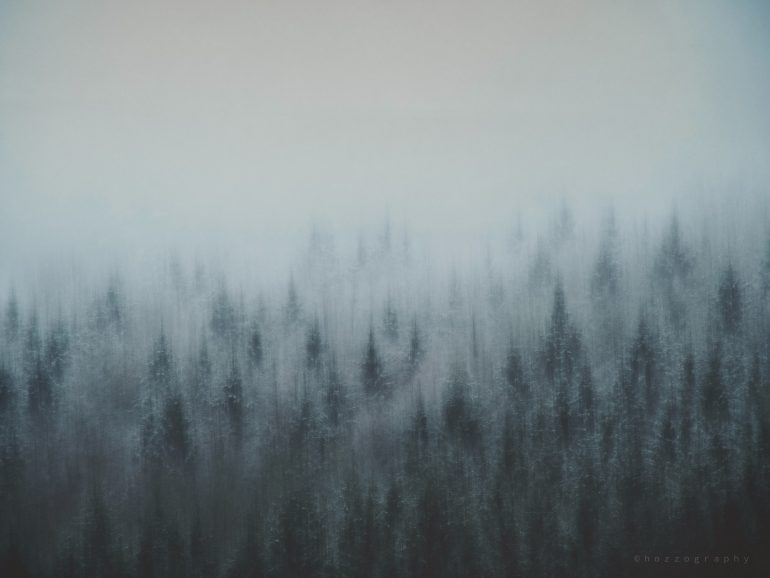
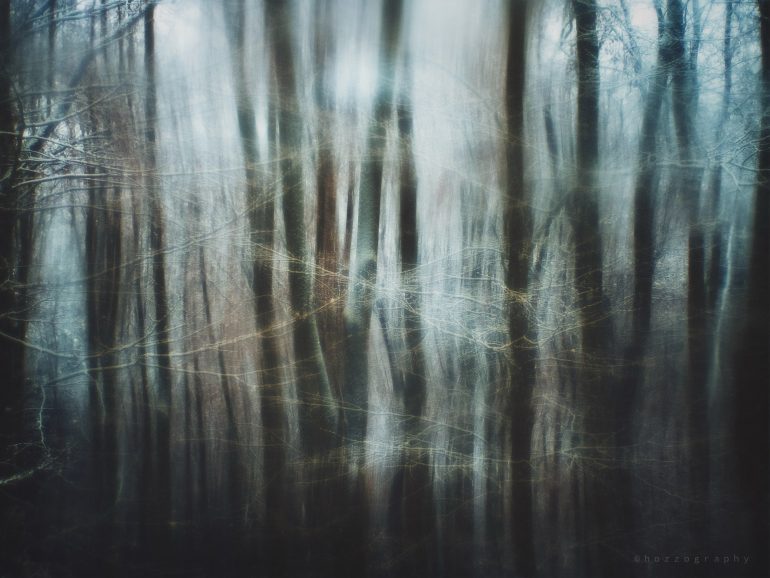
For me, though, it is not about emotional loneliness. It is more about solitude, a positive loneliness. I genuinely love being out in nature during ‘bad’ weather, enjoying the fresh air and the stillness. It gives me time to think or simply be present in the moment.
Thaddäus Biberauer
Similarly, the ‘faded’ film-like tones and colors also render the scene with a sense of Deja Vu or nostalgia. It makes the viewer yearn for the place, even if it’s the first time they are setting their eyes on it. “Colors play a big role in my work,” Thaddäus Biberauer tells us. “Depending on the image, I either make minor adjustments or spend more time intensively reworking the colors to create a specific mood or effect.” In the end, it’s about “striking a balance” in his work between “instinct and intention,” where what he feels about the image takes over everything else.
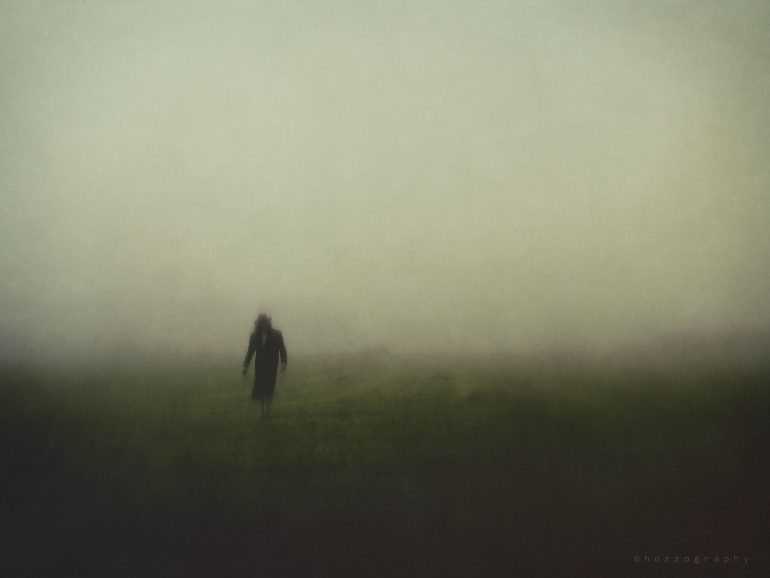
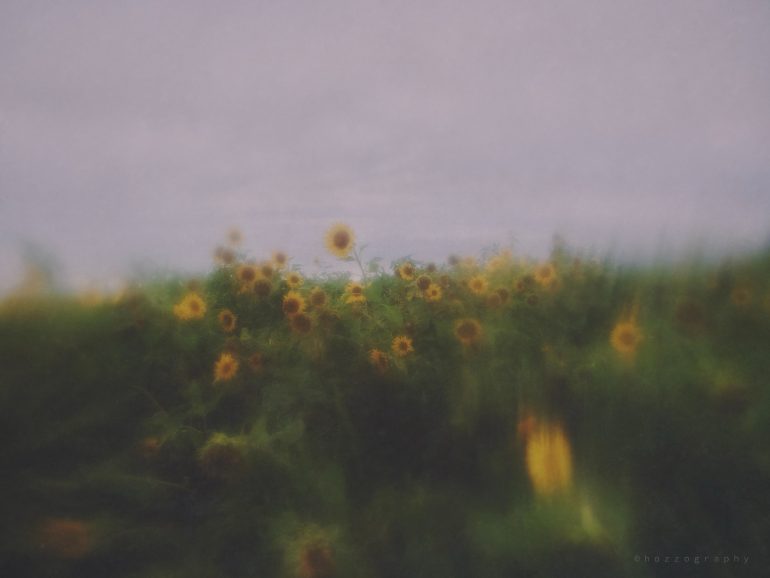
Weighing in on the AI image debate, Biberauer states that while he likes looking at them, sometimes, it may seem less meaningful to him. “At the same time, there is a part of me that likes to ask, ‘How did they create this?’” Whether it was done in-camera or through post-production, knowing it was made entirely by AI somehow loses that intrigue for me,” he explains.
Antoine de Saint-Exupéry said in The Little Prince, “It is only with the heart that one can see rightly; what is essential is invisible to the eye.” However, when you take a moment and examine Thaddäus Biberauer’s images, you realize that one can capture the invisible, even when the eye cannot fully fathom its beauty.
AUTHENTICITY STATEMENT
The Phoblographer works with human photographers to verify that they’ve actually created their work through shoots. These are done by providing us assets such as BTS captures, screenshots of post-production, extra photos from the shoot, etc. We do this to help our readers realize that this is authentically human work. Here’s what this photographer provided for us.


Get rid of the ads!
Did you enjoy reading this article as much as we enjoyed writing it? There's a way to support us and our reporting, getting ad-free navigation and more as a bonus. Subscribe to us for less than a coffee per month —just $3.99— or take advantage of our yearly subscription with a hefty discount for only $25.- An ad-free experience
- A free mystery box for Lightroom or Capture One
- All the books in our store
- 20% discount on Capture One
- 30% discount on Imalume Photo Theft Protection
- 20% off Herbs and Kettle Tea Company.
- 20% off your order from MPIX printing services.