

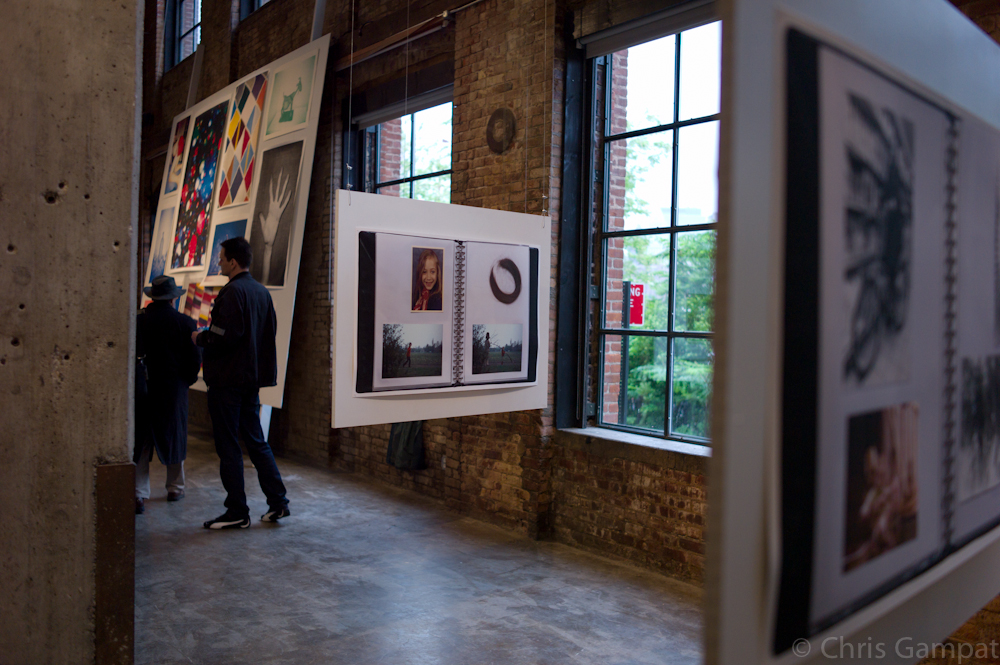
Before the pandemic stopped the world, one of the key places to display, network, or interact with like-minded photographers was photography festivals and fairs. Since their discovery decades ago, the event has spearheaded much-needed discourse on photography, some even going out of their way to engage the masses by holding exhibitions in public spheres. They have also been instrumental in shaping the direction photography takes, with many hobbyists learning from the diverse perspectives showcased under a roof. However, since COVID-19, and with digital platforms becoming a far more dominant form of promotion, it begs the question: are photography festivals still the need of the hour?
To better understand this dilemma, we reached out to a few great minds in the industry. Here’s what they had to say.
Photography Festivals And The Art of Instant Connection
The first person we spoke to was Heather Evans Smith, a conceptual and portrait photographer whose works delve into themes of memory, loss, and family. Having created some excellent photographs that speak about her roots, womanhood, and motherhood, Heather’s pictures found their way into photography exhibitions at Fox Talbot Museum in England, the Nasher Museum of Art in North Carolina, and Leica Galerie Milano in Italy.
According to Heather, photography festivals can never be replaced with online exhibitions or any other form of digital showcase. “There is no substitute for experiencing artwork firsthand and fostering a sense of community,” she tells The Phoblographer. “Photographers often operate in isolation, and it is essential for us to come together and honor this art form.” Another reason she believes that the event is needed more than ever is to help the community engage with the art form more seriously. “Such events also attract individuals who may not typically engage with photography online but are searching for events to participate in within their area,” she adds.

Like her, street photographer Eric Davidove feels that photography festivals are more important today. Having worked in the industry for decades, Eric’s phenomenal works have been exhibited worldwide, including in Naples, Italy, Greece, Amsterdam, Turkey, France, and more.
In addition to physical experience and community, Eric states these events are a great way to learn and grow. “Festivals often provide speakers and opportunities for two-way communication with experts, which shapes and refines the street photography genre, motivates and inspires street photographers to work on their unique voices, and helps them improve their knowledge and skills. Festival attendees also learn from each other when informally networking and talking,” he tells us.
But that is not all. Eric believes that such occurrences provide opportunities that otherwise would not be possible. “Lesser-known and emerging street photographers have opportunities to elevate their standing and improve their reputation by participating in festival-sponsored workshops and photo walks,” he adds. However, he also believes that, in some instances, one can form “meaningful mentor and mentee relationships.”
What Can Such Festivals Do to Attract More People?
In recent years, many have been critical of festivals, especially their organizing community. The reasons vary from theme to the choice of artists to a general issue with how the works are displayed. There is always something that people are unhappy about. So, with how things are going, we wanted to know what photography festivals must do to make their showcases more engaging and help the art form become more mainstream.
For Heather, it’s about building relationships outside the photography congregation. “Involve the community alongside photographers visiting from various regions,” she explains. “Incorporate local educational and artistic initiatives.” By having people from varied strata of society, festivals can gain a better standing amongst various communities.

Another way would be to create different ways of display, which may catch people’s attention. “Create avenues for photographers to showcase their work on a budget, such as projections and wheat pasting,” Heather elaborates. A successful approach observed at several festivals is hosting an outdoor ‘movie night’ that features the work of multiple artists. Moving images has often been an icebreaker. So, perhaps a movie night could intrigue people or make it a reason for one to spend time at a festival.
Eric feels that photography festivals need to be more accessible and affordable, both for the photographers and the visitors. “It’s important to attract new, lesser-known, and emerging street photographers and street photographers with limited financial resources,” he states. In addition, the program needs to be more interactive too. He states that photography festivals are much more effective when they “last three or more days and offer compelling presentations, workshops, live photo critiques, panel discussions, social gatherings, book fairs, and exhibitions of winners and finalists.” Certainly, having a more extensive schedule can target the likes of various people, giving them more reasons to visit.
However, the last but equally important change, according to Eric, is the location or venue of the festivals. He thinks that photographers, especially those who dabble with the genre of the street, “will be more interested in attending a festival located in a place where they want to photograph.” If it is a photography festival, it is natural that people would want to take images of the crowd or of little glimpses that catch their fancy. “Festival attendees will want to shoot photos before, during, and possibly after the festival.
While the way we engage with the world is changing, it seems that certain things, such as festivals and fairs, still hold a primary spot in our lives. What they need to do, however, is to evolve to the needs of the current generation.
Get rid of the ads!
Did you enjoy reading this article as much as we enjoyed writing it? There's a way to support us and our reporting, getting ad-free navigation and more as a bonus. Subscribe to us for less than a coffee per month —just $3.99— or take advantage of our yearly subscription with a hefty discount for only $25.- An ad-free experience
- All the books in our store
- 20% discount on Capture One
- 30% discount on Imalume Photo Theft Protection
- 20% off Herbs and Kettle Tea Company.