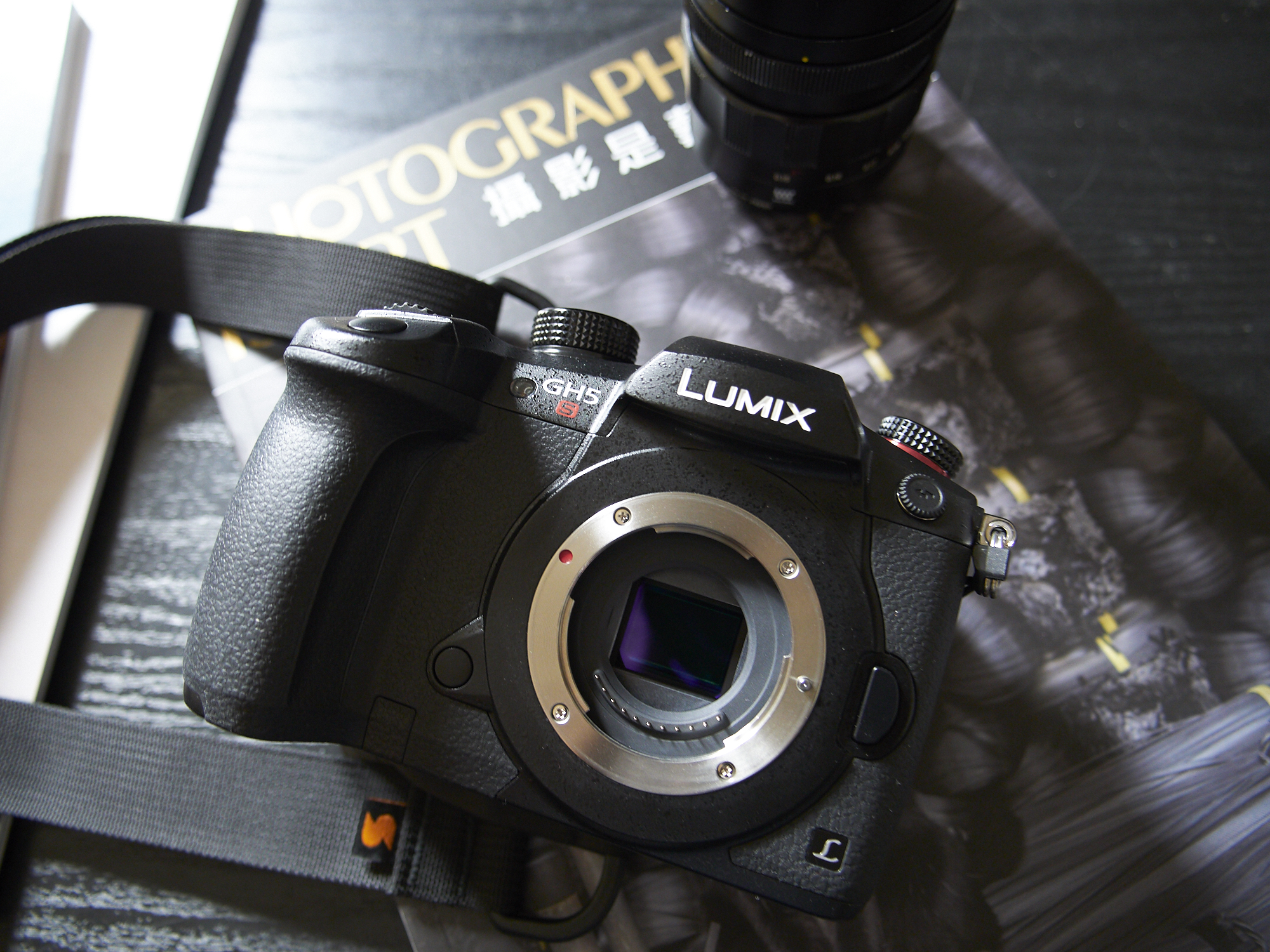
The camera industry is gearing up to go all in on mirrorless. In the past few years, we have continually received updates about the creation of mirrorless lineups from the biggest manufacturers in the world. With the latest Canon announcements, the trend won’t change any sooner. While each company is too focused on providing us with sensors that every pixel peeper loves, they seem to be completely forgotten by the last sibling of the family: MFT (Micro Four Third) sensors. Now, it seems that one of the pioneers of technology, Panasonic, is completely overlooking this small and fun powerhouse camera.
Panasonic is More Focused on Bigger Cameras
A new report from 43 Rumors revealed that Panasonic has reportedly documented a new camera model in China. According to the code P2403A, the device’s features include dual-band WiFi and Bluetooth. However, the author reveals sources closer to him think it is likely to be a full-frame L-mount mode instead of a new MFT camera. Furthermore, the chances of MFT coming out this year are also nil. This announcement comes shortly after our previous post, highlighting how Panasonic is also gearing up to launch the S1, a mirrorless camera that did not exactly meet our expectations. Unlike the S1R, which is more photography-focused, the S1 is geared towards video content, which is a direction most camera manufacturers are taking today.
So, with each iteration, companies like Panasonic want to upgrade the existing line-up, which is fair. However, the fact that the focus is purely on the “full-frame” era is somewhat of a head-scratcher. In one of the BCN Rankings for August, entry-level cameras are among the most selling cameras. Canon’s R10 and R50, Olympus’ Pen EP-7, and Panasonic’s G100D, for instance, made it in the top 10. This says a lot. Not every consumer can afford a full frame that’s worth $3000.
Panasonic Should Make MFT’s Revolutionary Again

The problem with smaller cameras is that they get easily sidelined. Many amateur photographers champion a full frame over an MFT. That’s pure ignorance because MFTs can be a great option for street and wildlife photographers. See, the logic is that if you are a beginner or a serious enthusiast, you probably do not need a massive pixel count. Furthermore, such professional cameras are complex, and they are designed specifically to meet the demands of specialists. What is the point of buying a camera whose features are not meant for you?
In fact, smaller sensor cameras are not just lightweight; they are an excellent way to make your photography fun. In our previous article, we mentioned how Panasonic can create an MFT camera that meets the demand of a serious point-and-shoot. For instance, grain at higher ISOs can corrected with AI processing and Real-Time LUT. Good color options, better ergonomics, fast autofocus, and weather sealing are some additional things that serious photographers would pay for. Of course, when you do make a camera that meets expectations, it would be wise to avoid exorbitant price points. Considering that the Panasonic GH5 and the GH5s are some exceptional MFT cameras, we think the company can achieve the same again. Even with the newly released GX9, our first impression was quite positive. “It’s packing a lot of great autofocus algorithms, a tilting LCD screen, a tilting viewfinder, a touch screen, buttons that feel good, a new Venus engine, and of course that new L Monochrome D feature,” wrote our Editor in Chief, Chris Gampat, in his article.
So, Panasonic, if you are reading this, you must bring back the age of MFT cameras. The AI tsunami is drowning us. All phone manufacturers have accepted the dystopian tech with open arms. We need a better camera than a gimmicky phone and less than a full frame. One person who can achieve it is you. So, will you do it?