

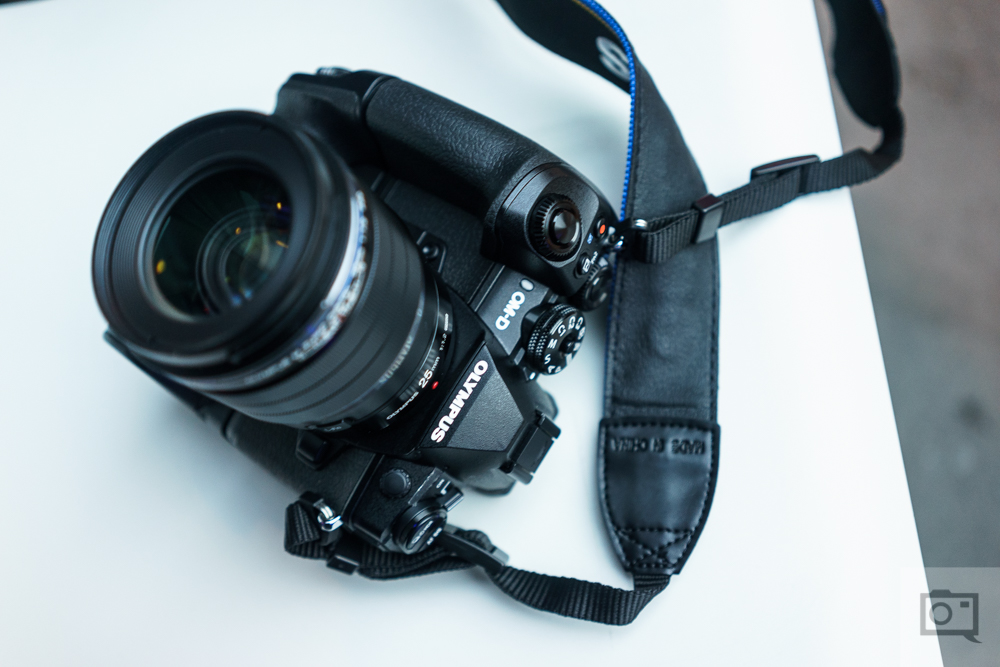
Recently, the Flickr blog revealed a list of the top 10 cameras used by photographers, and it was quite interesting to see OM System models amongst many full-frame options. However, what was even impressive was that the list featured not one but two OM System cameras, making the brand the only one to do so. So, we take a look at the models and why everyone is going after them.
Olympus OMD E-M1 Mk II
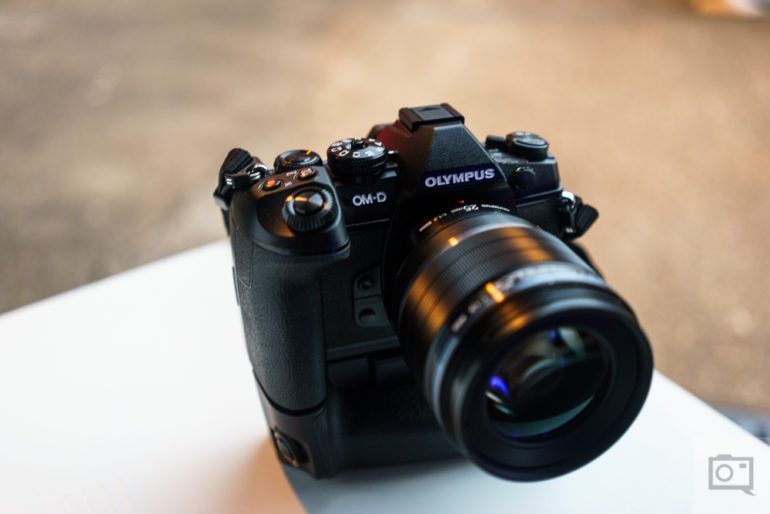
Housing a 20MP Four Thirds sensor, the OM System EM1 MK II is an exceptional offering for wildlife photographers. The device is a serious-looking camera (look at the image above), offering multiple buttons, a nice LCD that folds out and swivels out. The weather sealing is exceptional, and we can quite guarantee that because our Editor in Chief, Chris Gampat, ran the camera under the faucet. Twice. This proves how much trashing the camera can take.
But that aside, there are a few other reasons why the EM1 II is a great choice. And the second is the autofocus. The OM System camera is quite reliable and fast. As we explained in our review, “Fujifilm, Canon, and Sony all do very well with their mirrorless systems in their newer cameras, but Olympus seriously takes the cake here.” It can track fast subjects, but not the ones that go too fast. Like a running animal. But in low light, it gets you the shots that you need.
Last but not least is the image quality, which has been pretty great, given the smaller sensor. The EM1 II produces nice color depth, and delivers ” decent dynamic range depending on your scene exposures.” At high ISO, too, the noise is pretty controlled and only visible if you pixel peep. In fact, the OM System’s option is perfect, which won our Editor’s Choice Award. All of this at just under $700.
OM System OM-1
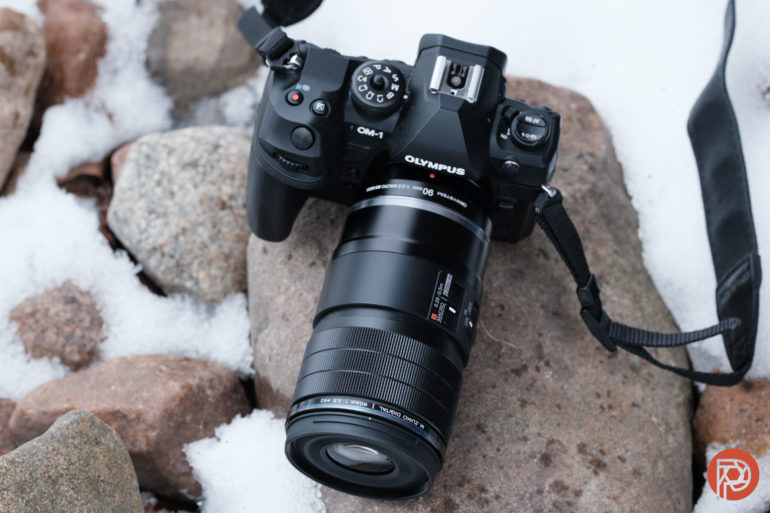
The OM 1 also features a 20MP Micro Four Thirds sensor, but it manages to get a few more things right. For instance, it has a touchscreen that’s on par with Canon’s. It is also the first camera to offer a BLX-1 battery for longer day use. IP53 weather sealing, 120fps shooting with single autofocus are some other exceptions that it can get right. The image stabilization is so great that we got a nice picture while holding the camera handheld for 13 seconds. The Live Composite model further helps you to get shining stars, and for us, we manged to do this in NYC. Live ND, High Res shots are some other options that make the camera a true option for professionals.
The focusing system can detect humans, and with updates, the bird detection has also gotten better. “With the OM System OM1 set to Bird AI, it increased the hit rate so much more. Further, I set the camera to Auto area AF, so it searched the scene by itself and then found the birds to focus on,” we explained in our review. Overall, the camera has improved continuous autofocus capabilities. Animal AF and Vehicle AF are some other options that the camera can track well.
The JPEGs are pretty lovely right out of the camera, and with lenses like the Voigtlander 17.5mm f0.95, the results are even more special. People often use the OM System for the final output, which is the JPEG. The RAW files are okay, and it is not what one expects from Fujifilm or full frame cameras. So, it’s better to stick to what the camera offers. Similarly, the high ISO output is quite clean for the MFT sensor.
The camera, like the EM1 II, is also the winner of the Editor’s Choice Award. So, if you want to pick up, then you must go ahead with it.