


Street photography is one of the genres that requires the best gear, one that can also help you be inconspicuous in a crowd. While there are challenges with the latter, there are some companies that have managed to launch smaller bodies with powerful sensors. This means not only does one get the shots, they get the best that APS-C sensors can offer in this day and age. Here’s a look at the two best cameras in this segment.
Fujifilm X Pro 3
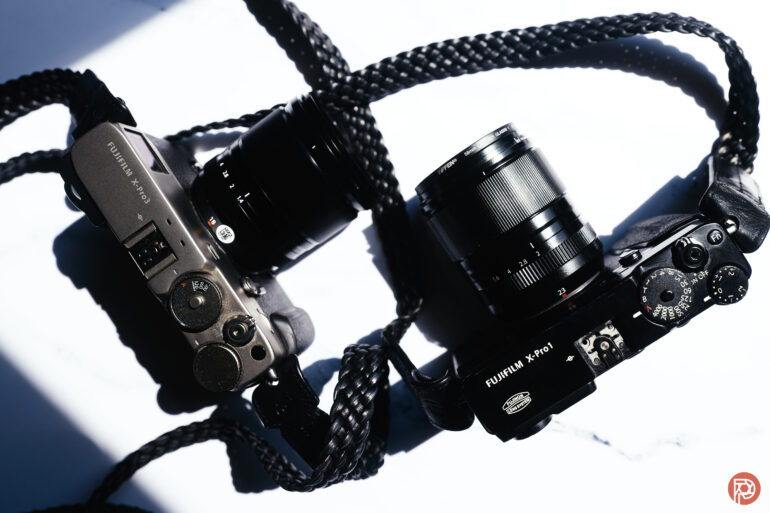
What makes it great? The features a 26MP X-Trans sensor, multiple film simulation modes, multiple exposure modes, and a hidden 3-inch tilting LCD. There is also a reverse Galilean viewfinder with electronic brightness, and it weighs just 447 g. The X Pro 3 is durable and can work in any situation, and when paired with weather-sealed lenses such as the 16mm f1.4 R WR, you have a camera that will outperform many. Serious enthusiasts will truly appreciate the X-Pro3 for it.
What makes it so unique? The autofocus for the camera is alright. For street photographers, they need to use wider lenses with zone focus. Where the real magic lies is in the RAW files. They are fantastic, can recover tons of details, and do pretty well compared to most cameras. You can also embrace the grains, thanks to the film simulation. Similarly, the high ISO results are beautiful, and you can use them for various settings.
When it comes to street photography, photographers using the Fujifilm X Pro 3 will need to rely on the ability of the wider lenses to zone focus. Ideally, you should spring for the 16mm f1.4 R WR, however, the 23mm f1.4 can also do a great job.


Ricoh GR IV
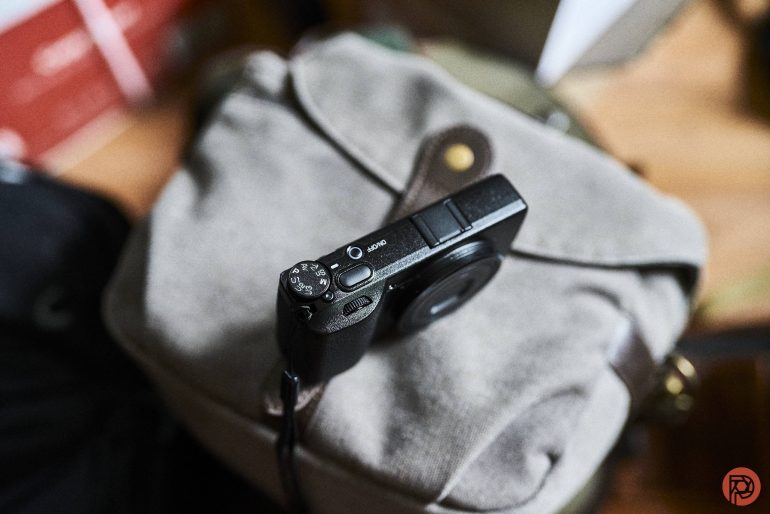
Why is it great? The camera comes with 53GB of internal storage, a 26MP BSI APS-C sensor, 6-stop shake reduction, and a GR7 engine that promises 1 stop higher ISO performance. The GR IV is really small; it doesn’t intimidate those you photograph, and it also feels really good in your hands. However, there is no weather sealing, which makes it a challenge to shoot in the rain. Overall, the size and weight make it perfect for street photography.
What makes it so unique? Where the camera stands out the most is the multiple exposure mode in-camera. You can shoot RAW, and you can also edit it. The only brand that gives this option is Panasonic. The results are nice at ISO 3200, and it works best when shot in black and white mode. The camera’s film modes are also good, and they can give you results like that of Fujifilm in some ways.
Most of the time, I was shooting with the camera from the hip and simply capturing what went by. I’d imagine what the world looked like at 28mm from my hip, then think about the focusing distance, and simply just shot. Being legally blind, this is often how I’ve shot for years and it has usually worked. This, overall, makes the Ricoh GR IV one of the most inconspicuous cameras that I’ve used this year. And I love that.


Get rid of the ads!
Did you enjoy reading this article as much as we enjoyed writing it? There's a way to support us and our reporting, getting ad-free navigation and more as a bonus. Subscribe to us for less than a coffee per month —just $3.99— or take advantage of our yearly subscription with a hefty discount for only $25.- An ad-free experience
- A free mystery box for Lightroom or Capture One
- All the books in our store
- 20% discount on Capture One
- 30% discount on Imalume Photo Theft Protection
- 20% off Herbs and Kettle Tea Company.