

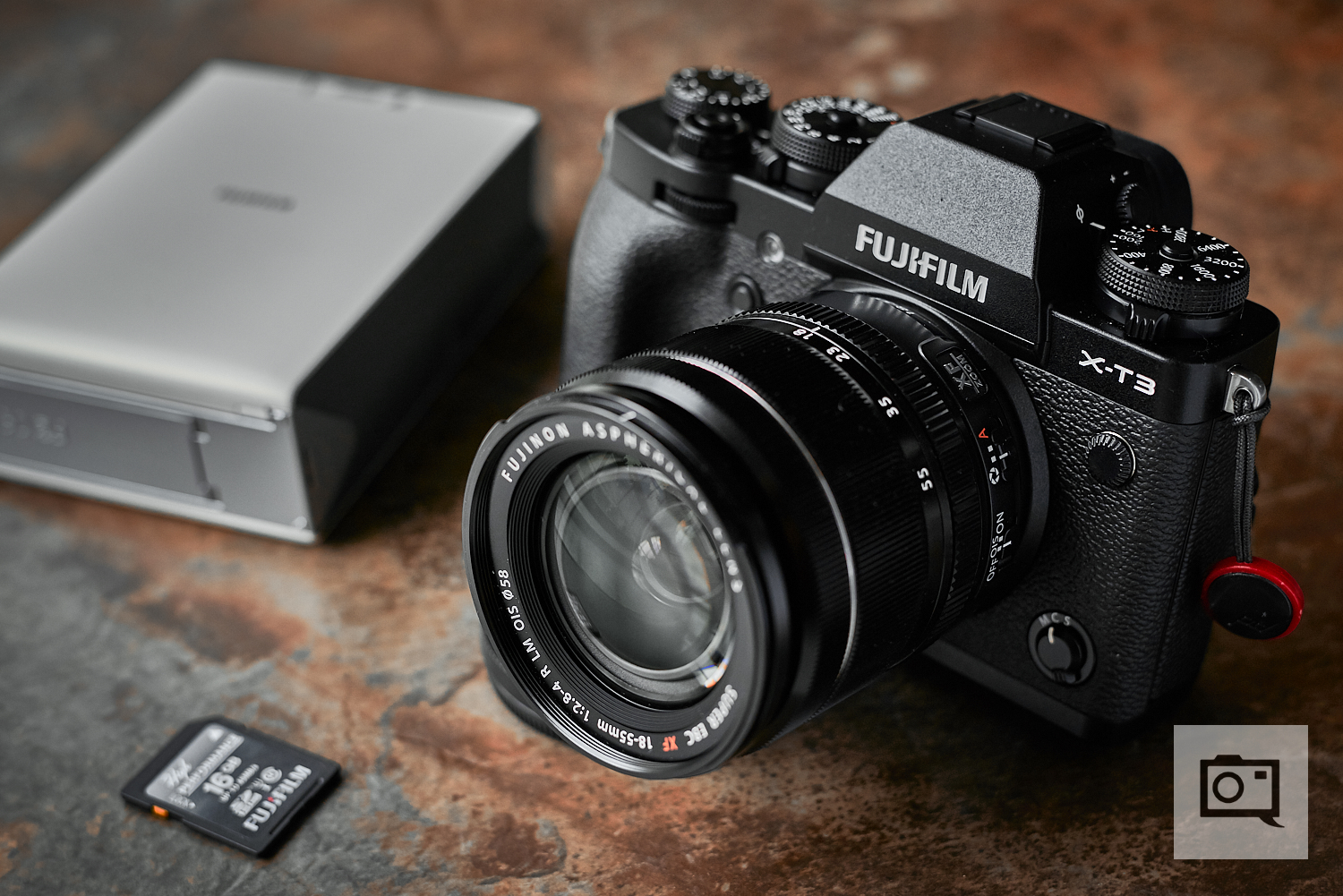
Fujifilm cameras have a cult following. The company has introduced models that meet the needs of both professionals and amateurs. While their latest models are pretty great on their own, the biggest challenge is the price point, which makes the offerings inaccessible. But worry not. If you wish to own a Fuji camera, these two models are the best option in the used camera market scene.
Fujifilm X70
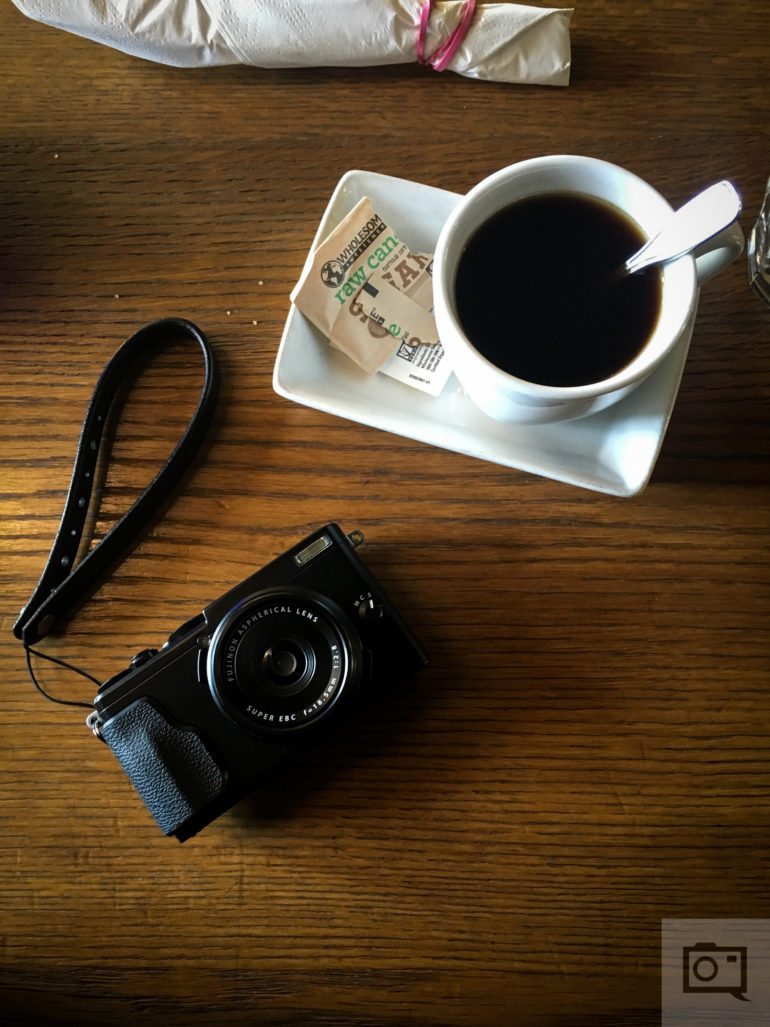
What makes it great? The Fujifilm X70 features a 16MP X-Trans II sensor, a 28mm equivalent f2.8 lens, and a 3-inch tilting LCD. The X70 is small, thin, and easily fits into your pockets. Despite its size, the camera boasts multiple dials on the top and back, making it easy to access settings. It feels incredible in your palm and has a dedicated auto button for those who do not want to get technical with their images.
Who is it for? Designed for point-and-click image-makers, the X70 can be used for travel, street photography, documentary, or any day-to-day shoot.
Why is it unique? During the day, the camera is fast and accurate, which is great for street photographers, but in low light, you may notice it slows down. The image quality is where it all makes more sense. You get nice bokeh with a 28mm lens, and it creates a nice haze effect for users. The lens is sharp, and Fujifilm’s film simulation gives you great JPEGs right out of the device. This saves time for those who don’t wish to edit their images.
Using the Fujifilm X70, you’re bound to be able to take incredible images. Like your phone, this is truly a carry-with-you-everywhere camera. It’s small, it’s thin, it can deliver jaw dropping image quality–there isn’t much to complain about here.


Fujifilm XT-3

What makes it great? Powered with a 26.1MP X-Trans CMOS 4 sensor, the XT-3 is a powerhouse APS-C camera. One of the reasons it is still highly recommended is its build; the device offers controls such as a dedicated lockable ISO dial on the top, a nice, large LCD at the back, and a good EVF. The device is built from metal, making it durable and rugged. There is also a weather sealing, which ensures the camera can be taken out on a rainy day. The camera can withstand various wear and tear, and that’s something.
Who is it for? Serious photographers into portraits, documentary, street, or sports photography can opt for it.
Why is it unique? The camera offers a significant improvement in autofocus, with a two-stop advantage in low light over its predecessor. It also has face and eye detection, which is on par with the Sony a6500. Its in-body image stabilisation makes it ideal for slow shutter photography, too. You can process images in-camera and apply film simulation to RAW files. The JEPGs are very pleasing, and only after ISO 12800 do the images fall apart.
We were very pleased with the Fujifilm X-T3’s JPEG image quality during our first impressions with the camera, and when Capture One announced that it was bringing full RAW file support to Fujifilm cameras, we jumped at the chance to play with the RAW files captured with the X-T3. The results did not disappoint.


Get rid of the ads!
Did you enjoy reading this article as much as we enjoyed writing it? There's a way to support us and our reporting, getting ad-free navigation and more as a bonus. Subscribe to us for less than a coffee per month —just $3.99— or take advantage of our yearly subscription with a hefty discount for only $25.- An ad-free experience
- A free mystery box for Lightroom or Capture One
- All the books in our store
- 20% discount on Capture One
- 30% discount on Imalume Photo Theft Protection
- 20% off Herbs and Kettle Tea Company.
- 20% off your order from MPIX printing services.
- 5% off Viltrox Products via their eCommerce store.
- 10% off all film developing, printing and scanning services from Blue Moon Camera and Machine
- 15% off 7Artisans products: The lens and accessory maker is offering a sweet discount for Phoblographer's readers.
- 15% off a VSCO One subscription: Get a bunch of great tools with their all-in-one package.