


Canon has multiple lenses in this portfolio, but it seems the company is not yet ready to call it a day. Per a new report, Canon is working on a new zoom lenses, which offer a bright aperture and a much better build. In a time when interchangeable-lens cameras have abundant lens options, Canon is pursuing a different strategy. Here is a look at what the company is offering and how.
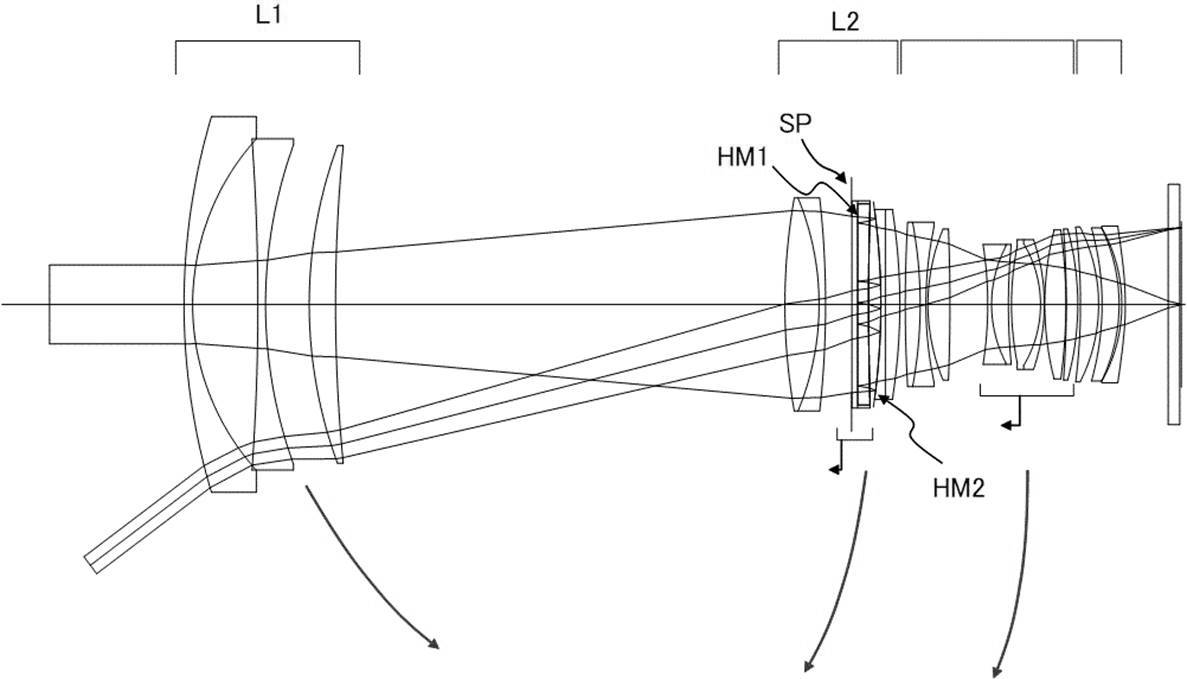
According to Asobinet, Canon published patent number P2026033938, which showcases two oom designs: 28-45mm f1.2 and a 35-70mm f1.4. The lenses use “transmissive-reflective” surface design to achieve extreme light-gathering capabilities. Here is a look at the options:
Example 1
- Focal length: 28.00-45.00
- F-number: 1.20
- Half angle of view: 37.26-25.33
- Image height: 21.30
- Total length: 222.37-171.73
- Back focus: 0.40
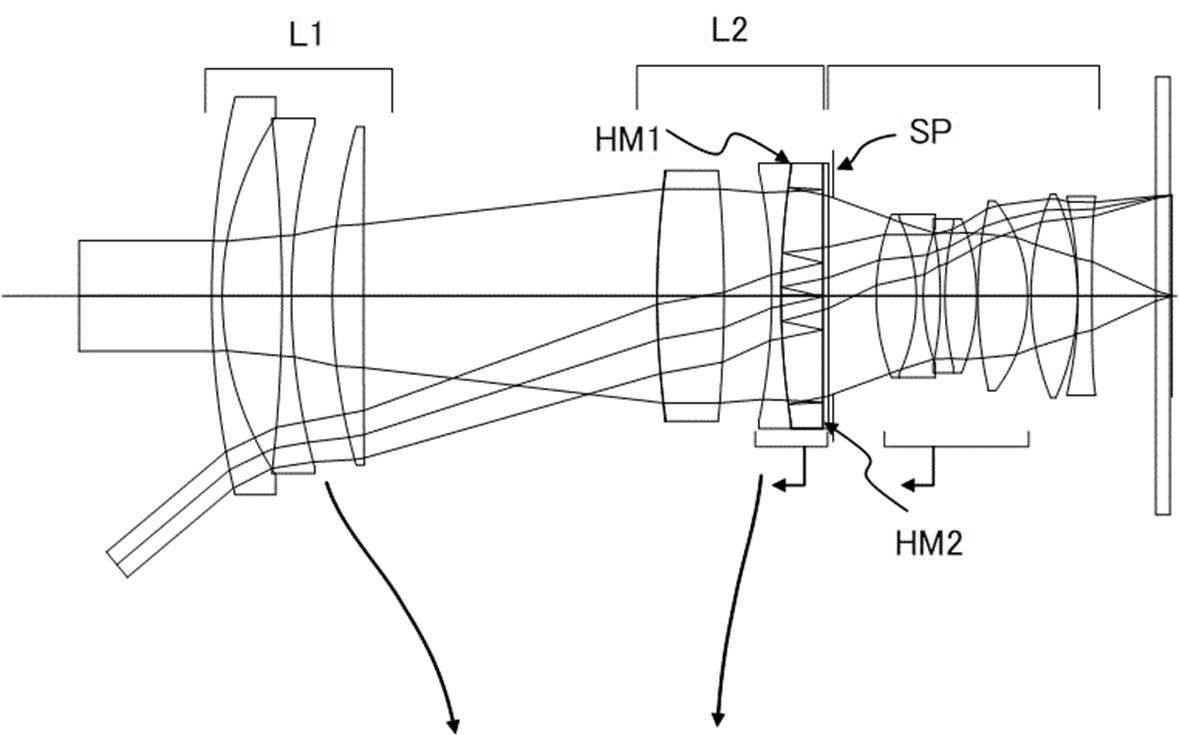
Example 2
- Focal length: 28.50-45.00
- F-number: 1.40
- Half angle of view: 35.22-25.68
- Image height: 20.12-21.64
- Total length: 189.76-137.77
- Back focus: 0.40
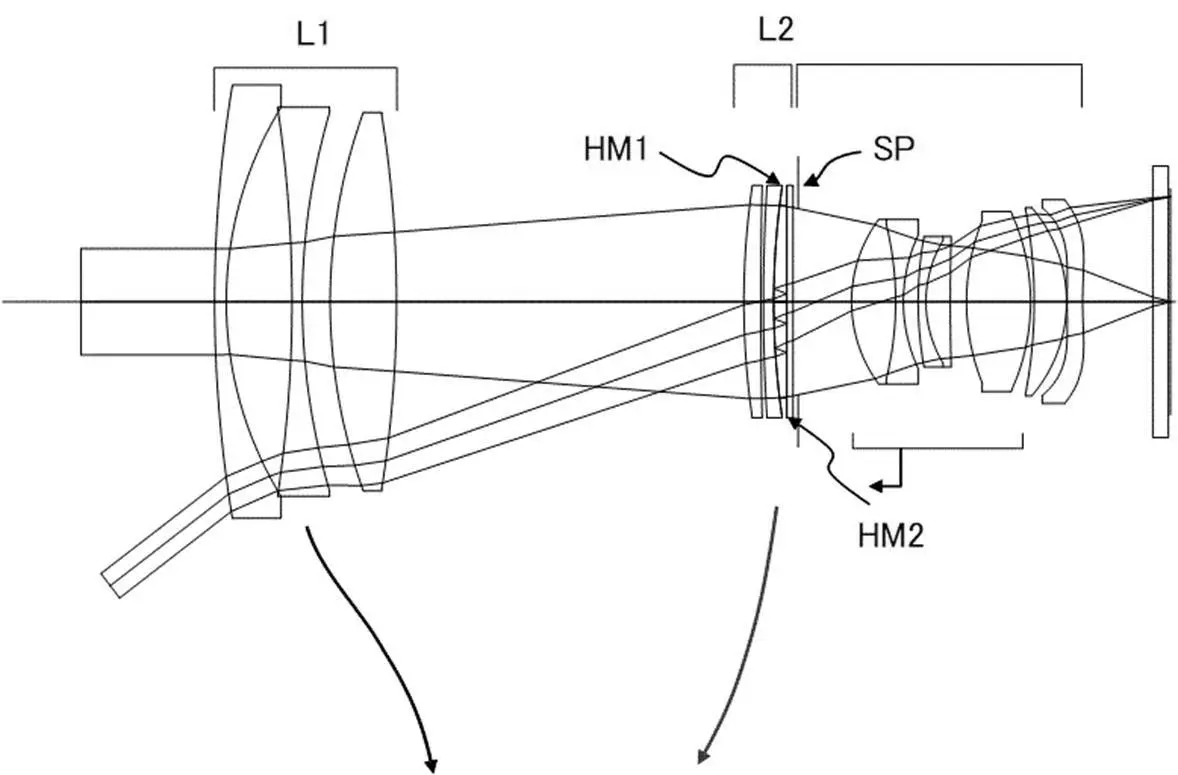
Example 3
- Focal length: 15.40-36.01
- F-number: 1.42
- Half angle of view: 36.86-20.54
- Image height: 11.54-13.49
- Total length: 165.18
- Back focus: 0.40
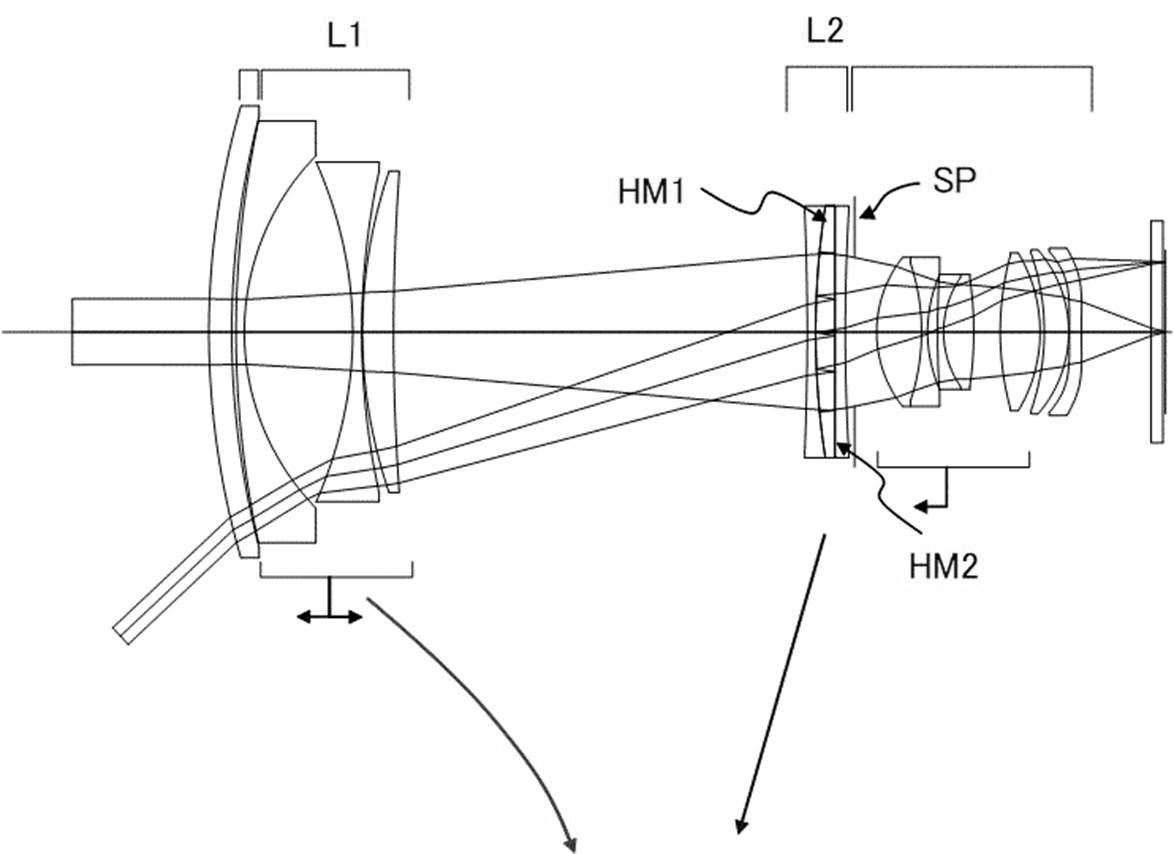
Example 4
- Focal length: 35.70-68.00
- F-number: 1.40
- Half angle of view: 28.55-17.65
- Image height: 19.42-21.64
- Total length: 227.59
- Back focus: 0.70
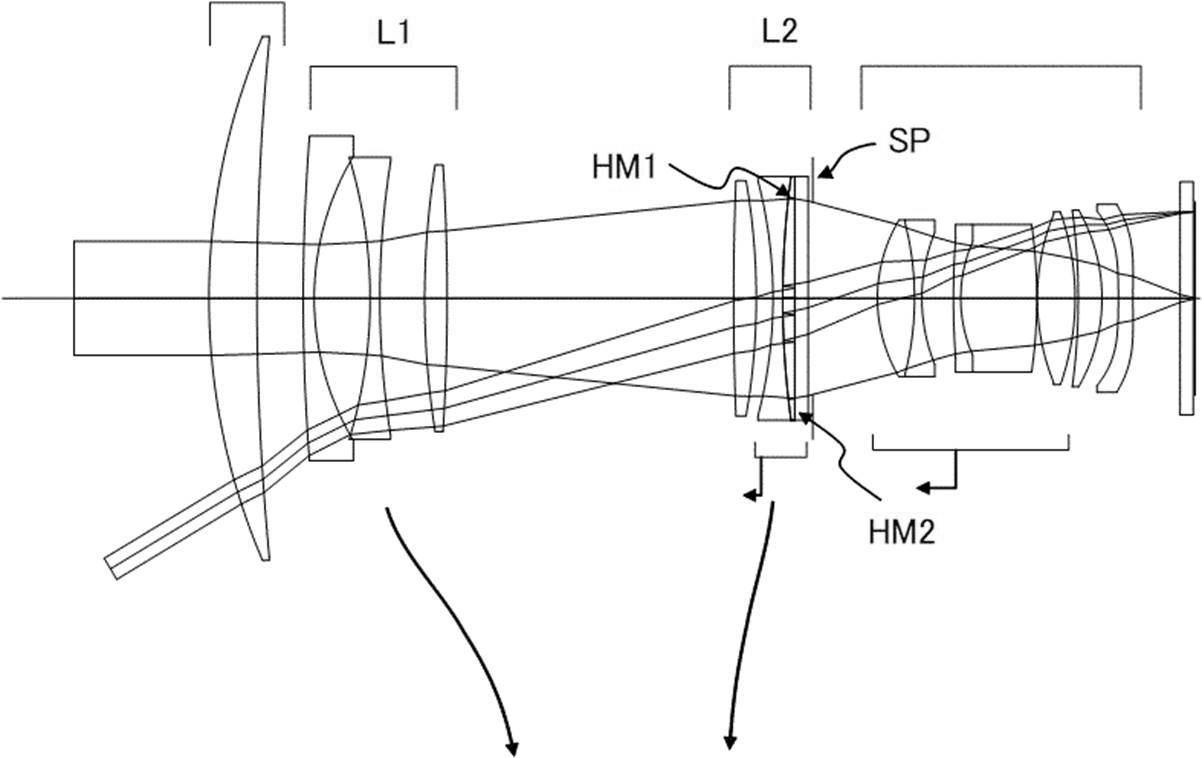
Example 5
- Focal length: 14.00-29.50
- F-number: 1.20
- Half angle of view: 45.41-25.70
- Image height: 14.20-14.20
- Total length: 195.37-154.57
- Back focus: 0.40
Example 6
- Focal length: 20.50-39.50
- F-number: 1.40
- Half angle of view: 46.10-28.34
- Image height: 21.30
- Total length: 205.25-176.45
- Back focus: 0.40
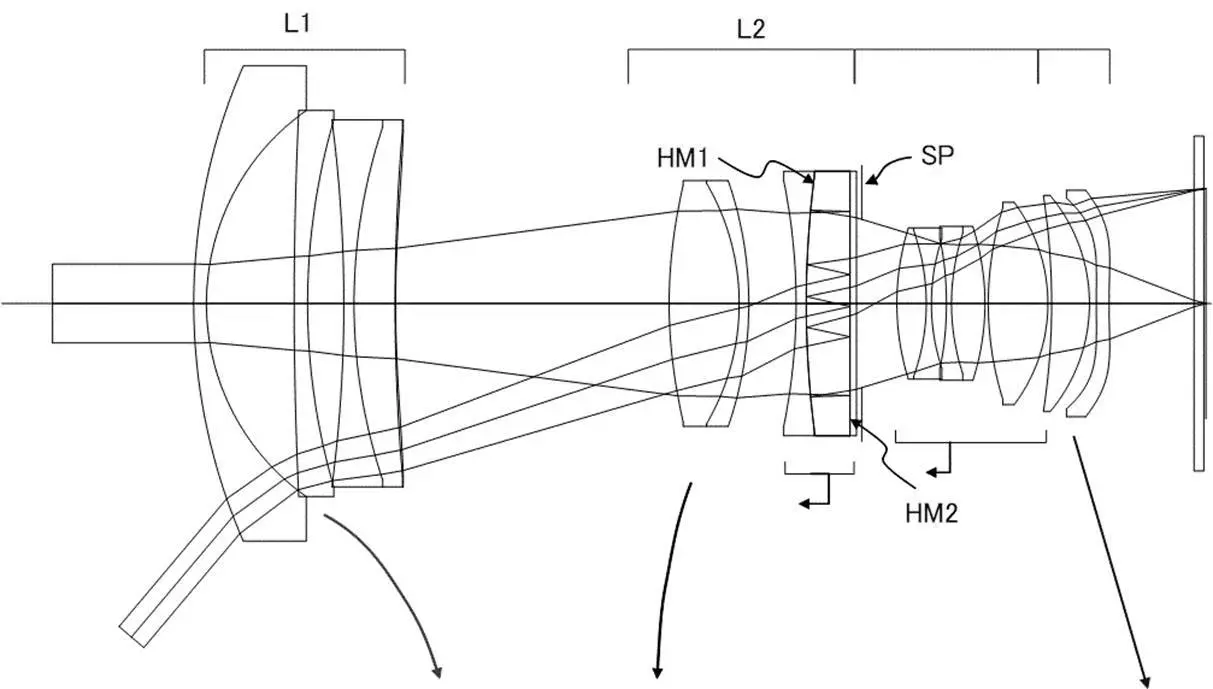
But how do these designs work? A typical zoom lens struggles to get the correct balance between size and optical speed. Canon‘s solution innovates by arranging the lens groups so that the negative refractive power is in the first group and the positive refractive power is in the second. The “secret sauce” here is the use of distinct transmissive-reflective surfaces that fold the light path, allowing for an ultra-large aperture while maintaining a relatively compact footprint.
While this works for a low-light photographer, the patent showcases an extremely short back focus. So, it will not be for mirrorless cameras, but rather for fixed-lens premium compacts, advanced surveillance use, or specialised industrial imaging.
If this applies to compact cameras, they would be ideal for portrait photography. It would provide nice bokeh and help with low-light photography. And with more lens character, Canon’s compact cameras will be able to offer better results than other competing models. Whether this patent translates into reality remains to be seen. We just have to wait and watch how far it goes.
Get rid of the ads!
Did you enjoy reading this article as much as we enjoyed writing it? There's a way to support us and our reporting, getting ad-free navigation and more as a bonus. Subscribe to us for less than a coffee per month —just $3.99— or take advantage of our yearly subscription with a hefty discount for only $25.- An ad-free experience
- A free mystery box for Lightroom or Capture One
- All the books in our store
- 20% discount on Capture One
- 30% discount on Imalume Photo Theft Protection
- 20% off Herbs and Kettle Tea Company.
- 20% off your order from MPIX printing services.
- 5% off Viltrox Products via their eCommerce store.
- 10% off all film developing, printing and scanning services from Blue Moon Camera and Machine
- 15% off 7Artisans products: The lens and accessory maker is offering a sweet discount for Phoblographer's readers.