

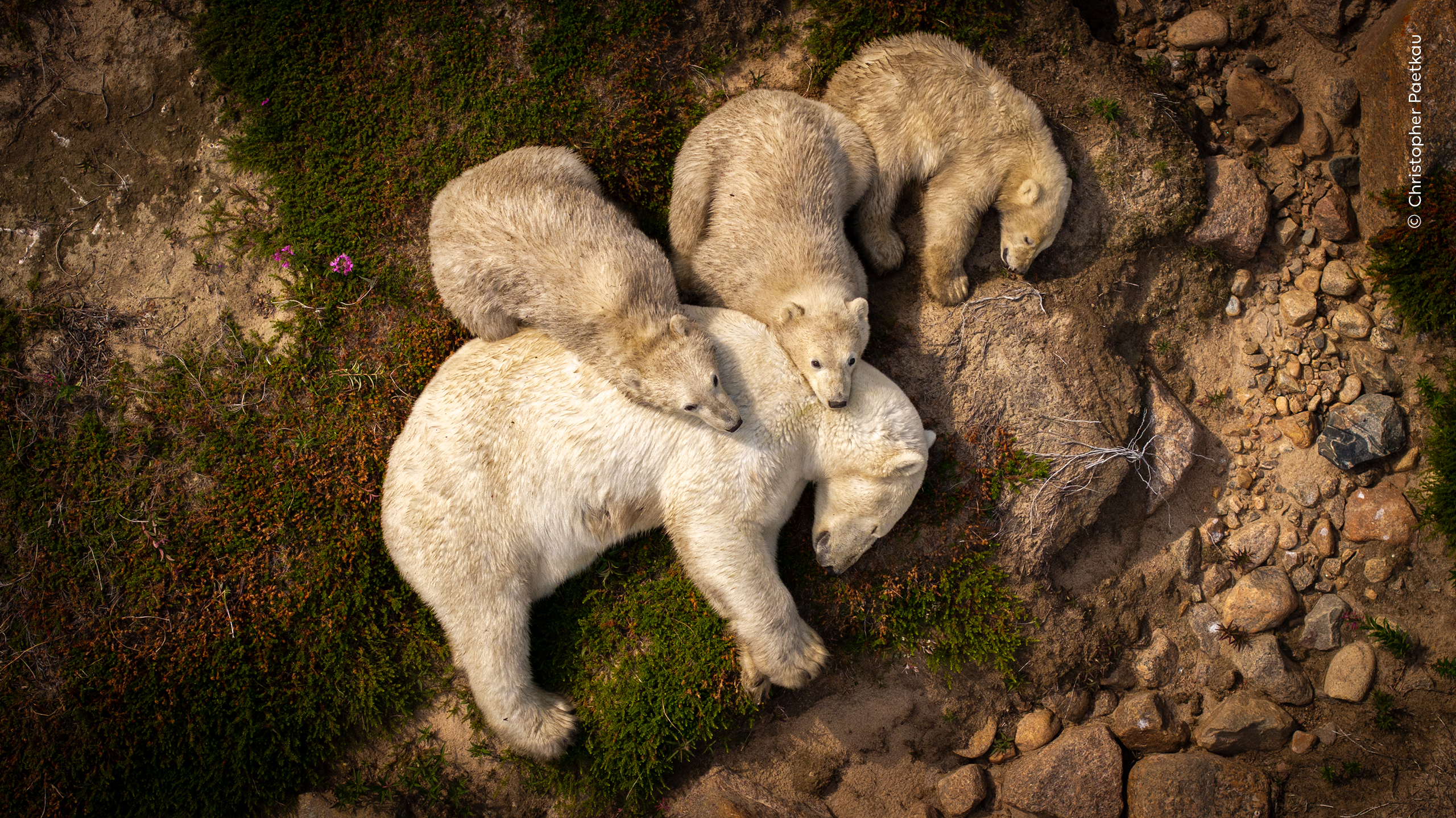
The Natural History Museum is back with the highly anticipated Wildlife Photographer of the Year Nuveen People’s Choice Award 2026. If you have seen the competition winners, you are aware of the standards for the title. Similarly, the museum is giving viewers the chance to serve as judges and support photographers representing their country. Here’s a quick look at the images and how you can participate.
The lead image is by Christopher Paetkau. All images have been used with permission from the Natural History Museum.
The finalists of the Wildlife Photographer of the Year Nuveen People’s Choice Award 2026 have been chosen from 60,636 entries from 113 countries and territories. The images showcase varying stories and mammals, each as fascinating and awe-inspiring as the last. In fact, this year there are three American photographers with very distinct bodies of work who represent the United States.
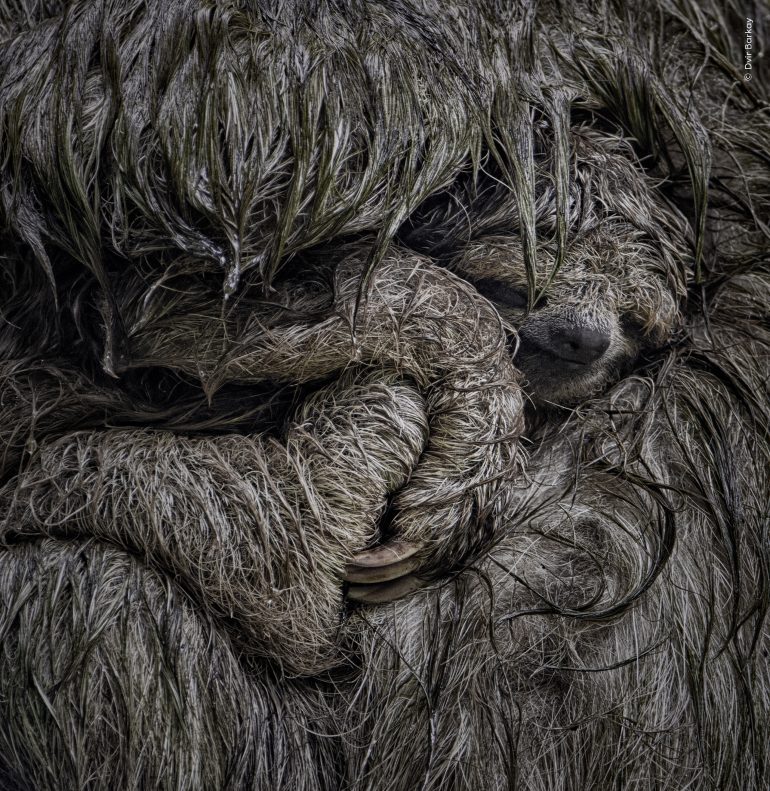
Dvir says he observed this mother and her baby at La Selva Biological Station in Costa Rica. He noticed that the duo spent most of their time high up in the canopy, and are known to move between three trees. One afternoon, as the rain fell—a common phenomenon in Costa Rica—the female nestled her young in her arms, sheltering it so it didn’t get too wet. By simply observing, he managed to capture a stunning shot of love and an embrace.
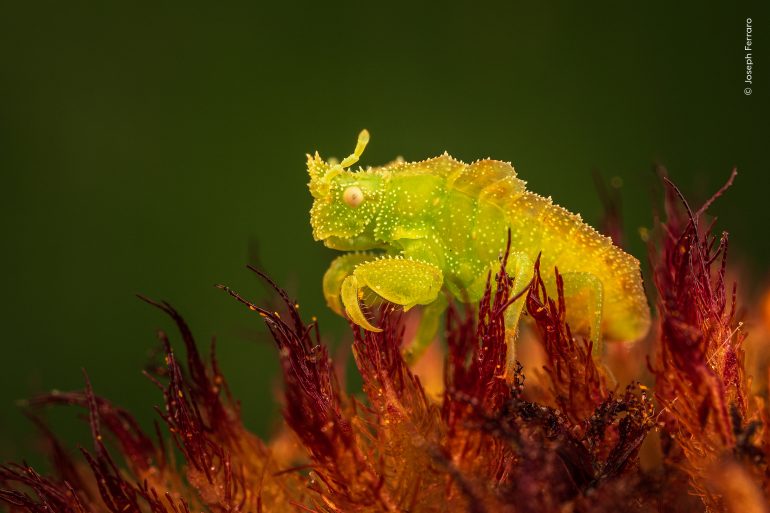
Unlike Dvir, Joseph chose to focus on the wonders of the small world. He spotted this nymph close to his front door in Ferndale, Michigan, waiting for his prey. Ambush bugs remain motionless and surprise the prey that wanders too close. In fact, the bugs rely on their powerful raptorial forelegs to grab the victim, then use their mouthparts to inject an immobilising venom.
In this particular image, however, Joseph still manages to capture it pretty well. The deadly forelegs, too, seem ready, and that adds to the whole scene. The color combination of warm and green tones further helps one distinguish between the hunter and the hunted.
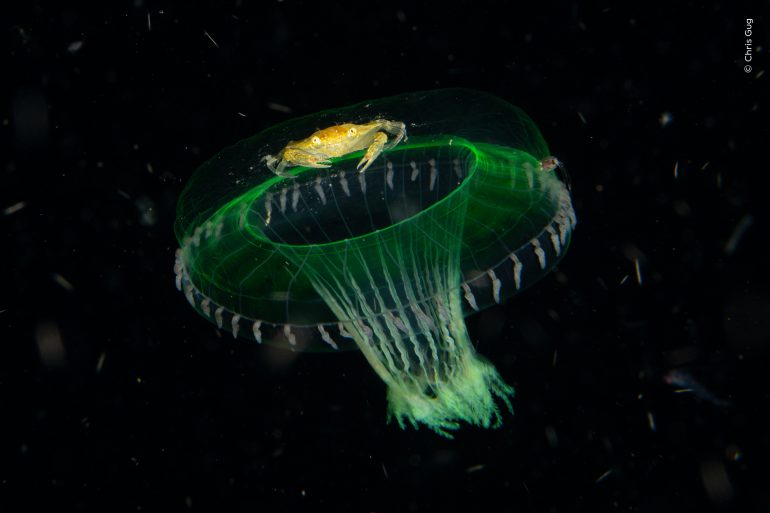
On the other hand, Chris showcased the hilarious instance of a crab hitching a ride on a jellyfish. Chris was in Lembeh Strait, North Sulawesi, Indonesia, when, during a scuba dive, he spotted this scene unfold. The relationship between the crab and the jellyfish is unclear, and it is possible that the crab hopped onto save energy. Or, the latter must be using the stinging tentacles of the jellyfish as protection from predators. If not either, there is also a chance the crab was using the jellyfish as a platform to spy on small fish to eat. The image, in many ways, leaves many questions unanswered, which adds to its drama.
Here is a quick look at some other participants:
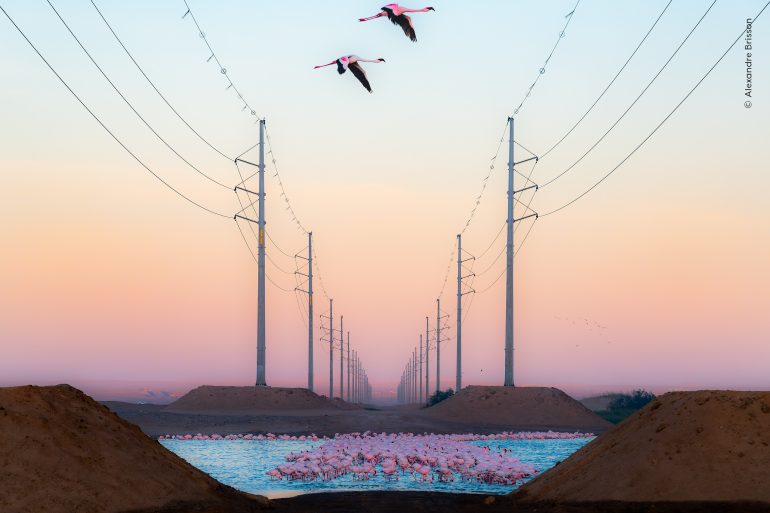
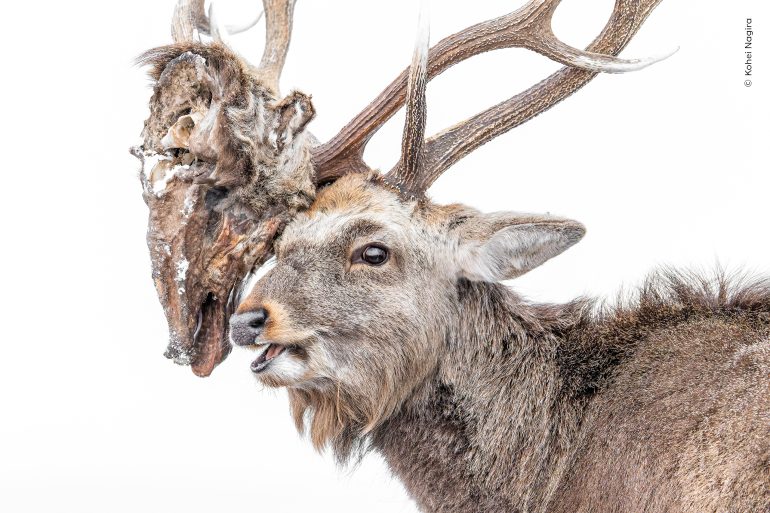
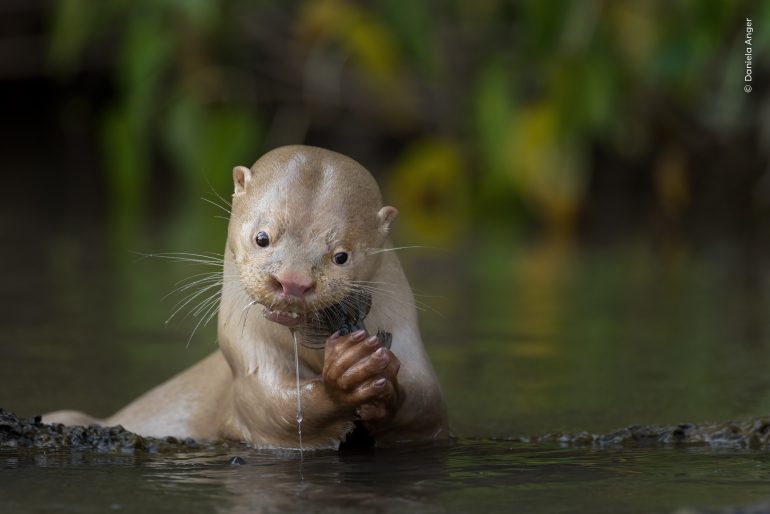
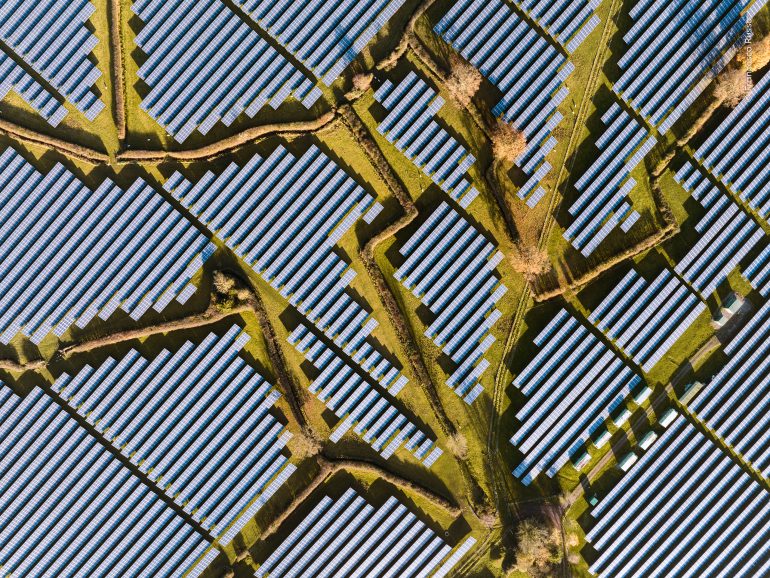
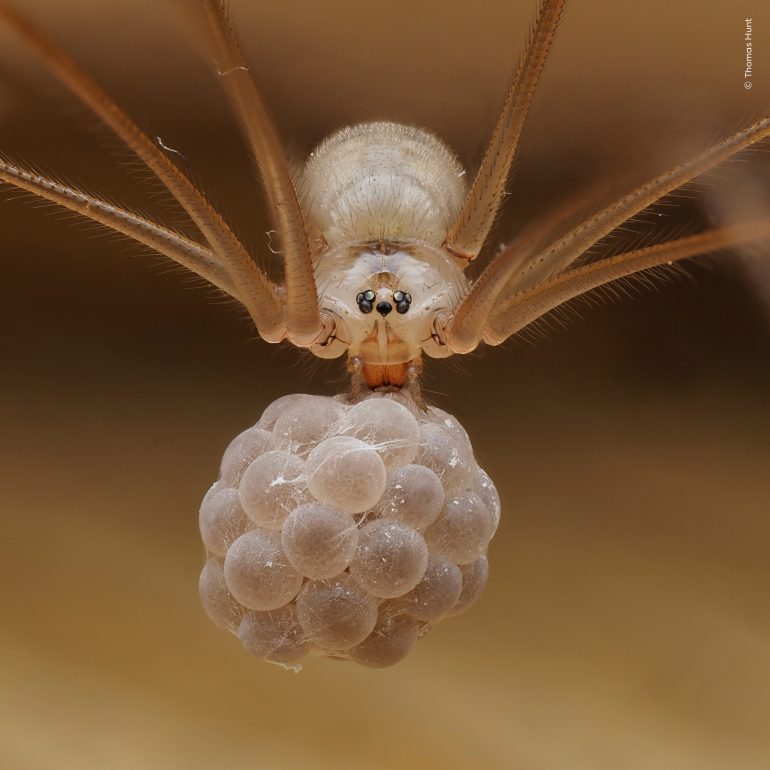
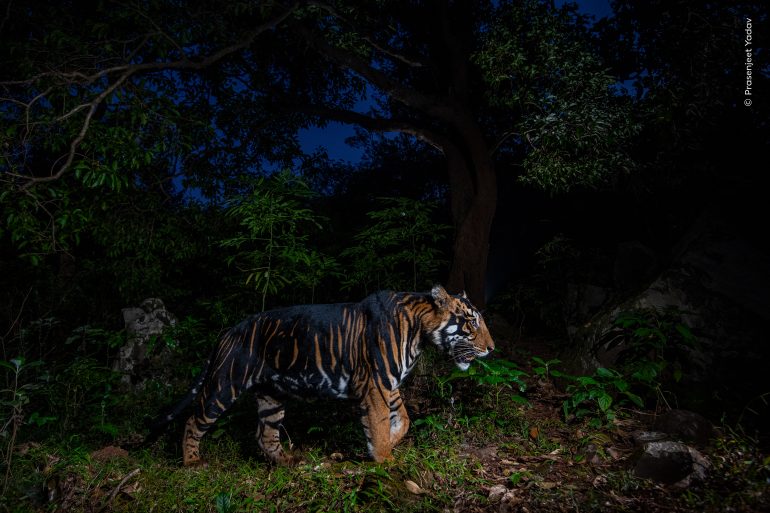
Viewers can vote for their favourite images online or through digital screens in the Wildlife Photographer of the Year exhibition at the Natural History Museum, London. Voting closes on March 18. All the winners will be announced on March 25, and the works will be displayed at the ongoing exhibit as well.
For more information, head to the Natural History Museum’s website.
Get rid of the ads!
Did you enjoy reading this article as much as we enjoyed writing it? There's a way to support us and our reporting, getting ad-free navigation and more as a bonus. Subscribe to us for less than a coffee per month —just $3.99— or take advantage of our yearly subscription with a hefty discount for only $25.- An ad-free experience
- A free mystery box for Lightroom or Capture One
- All the books in our store
- 20% discount on Capture One
- 30% discount on Imalume Photo Theft Protection
- 20% off Herbs and Kettle Tea Company.
- 20% off your order from MPIX printing services.
- 5% off Viltrox Products via their eCommerce store.
- 10% off all film developing, printing and scanning services from Blue Moon Camera and Machine
- 15% off 7Artisans products: The lens and accessory maker is offering a sweet discount for Phoblographer's readers.
- 15% off a VSCO One subscription: Get a bunch of great tools with their all-in-one package.