Black and white photography is an exceptional genre. It is one of the few visual forms that continue to intrigue photographers to this day. If you are someone who loves the tonality that the lack of colors can bring, then you have come to the right place. The two cameras on the list are exceptions in their own way, and they will certainly help you get the best of your vision.
Leica Q3 Monochrom: For Professionals Who Want The Best
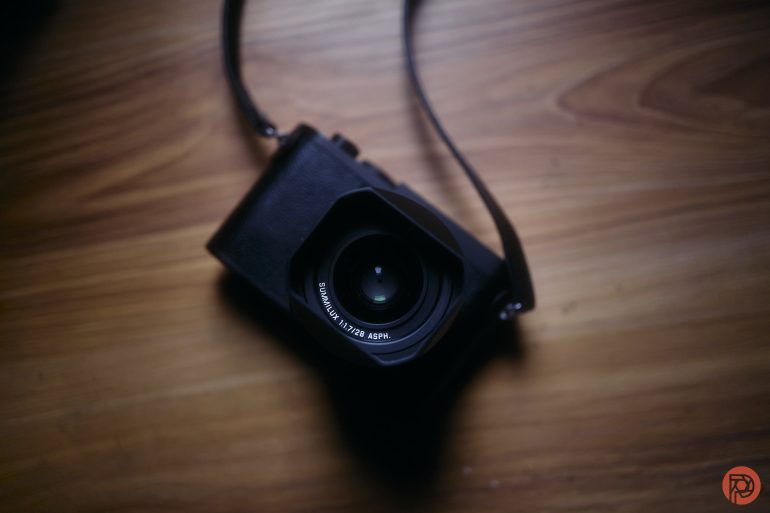
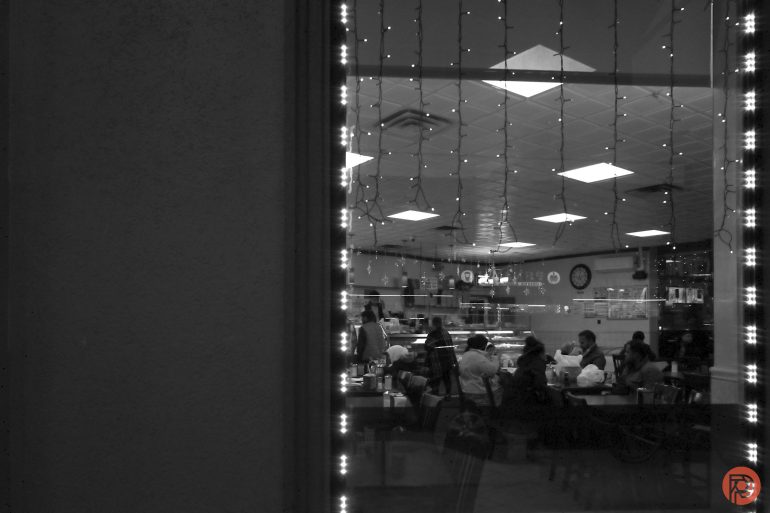
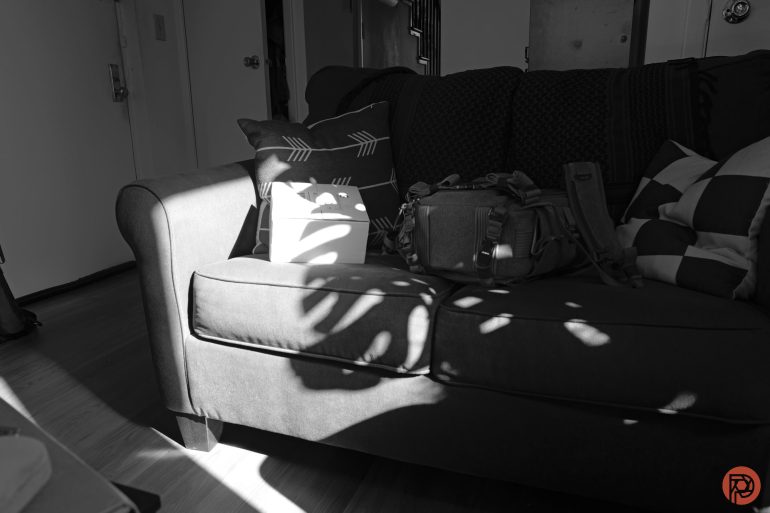
What makes it great? Black and white photography allows one to push and play with the ISO as much as they can. The Leica Q3 Monochrom achieves that with ease. In fact, you can make images at f5.6 and 1/2000 easily. The images are great on their own, and one can spend less time on the edit table. Overall, the camera offers exceptional end results, and it’s worth every penny you pay for it.
Who is it for? Photographers who enjoy shooting street, environmental portraits, and documentary images will find it beneficial.
Why is it so unique? The Leica Q3 Monochrom is a 35mm full-frame compact camera that features a black and white sensor. The device features 8GB of buffer memory, a Leica Maestro processor, and is capable of recording 8K videos. It also comes with a 28 f1.7 ASPH fixed lens, which is pretty great given it offers nice and creamy bokeh. The overall build is interesting, and the camera also lacks the iconic red dot. It is portable, and it can be taken anywhere with ease.
In our review, we said:
Even in my tests, I haven’t found a single camera that has this level of tonality. I tried it against some of the top offerings from Panasonic and Sony. And they didn’t even come close to the full beautiful tonality that the Leica Q3 Monochrom’s 60MP full-frame sensor offers.





Fujifilm X Pro 3: For Serious Enthusiasts Who Want More Range

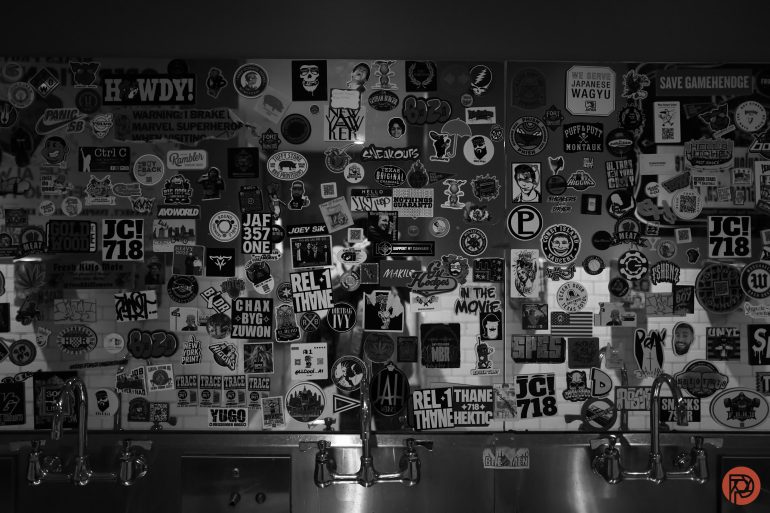
Why is it great? The autofocus can be fine-tuned easily, allowing you to easily push the shadows to capture details when working with RAW, and you can achieve the best JPEGs without editing. Face detection is great, and acros and clarity enhancements are going to make you fall in love with Fujifilm all over again. It is also the best camera for working with high ISOs, and the multiple exposure feature makes it ideal for creative shooters.
Who is for? The camera is ideal for those who enjoy spending time outdoors. The autofocus is slow, but if you can deal with that, you can use it for any genre of your choice.
What makes it so unique? The Fujifilm X Pro 3 is arguably the best camera from the company. It features a hidden LCD, making it ideal for photographers who prefer to remain inconspicuous. You also get exciting film simulation modes, which make it easy to capture good black and white photographs in-camera. There is also ISO up to 12,800, and 4K video features, which make it a steal for hybrid shooters.
In our review, we said:
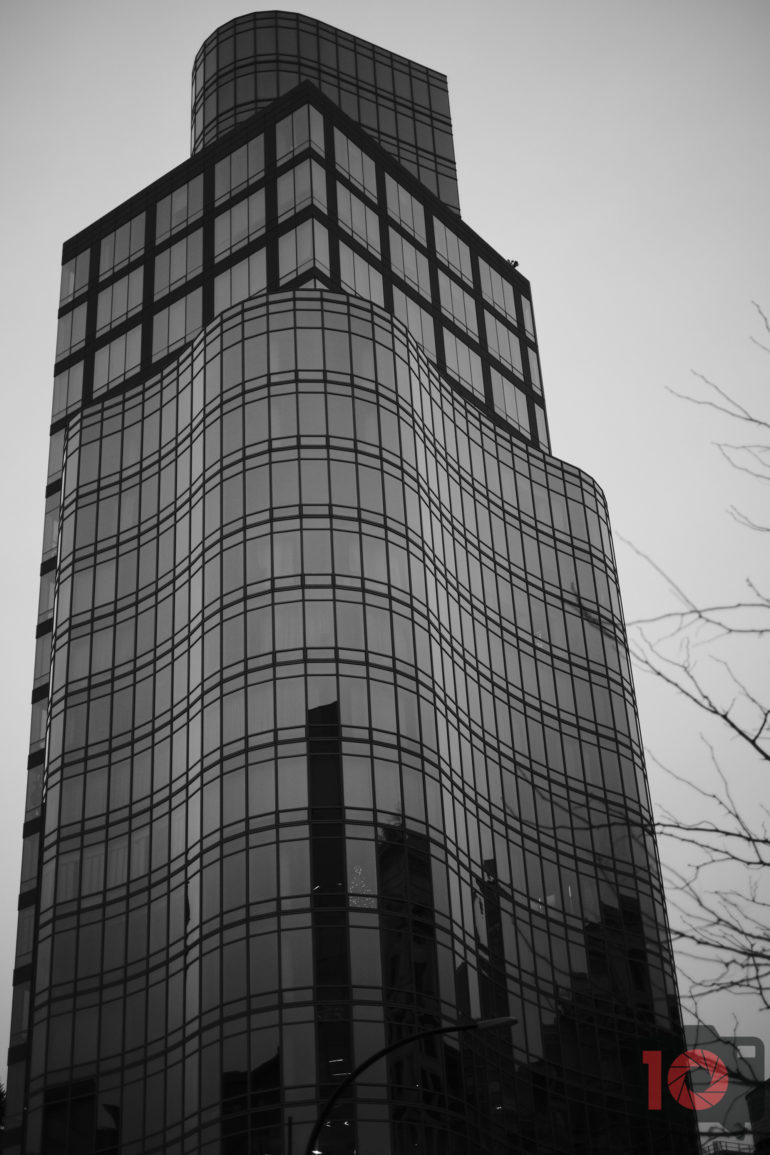
What’s even better is that if you need to keep pushing a file, you can simply embrace Fujifilm’s Film simulations and make the image just look like grainy film. This is an advantage that only Fujifilm and arguably Olympus has.




Get rid of the ads!
Did you enjoy reading this article as much as we enjoyed writing it? There's a way to support us and our reporting, getting ad-free navigation and more as a bonus. Subscribe to us for less than a coffee per month —just $3.99— or take advantage of our yearly subscription with a hefty discount for only $25.- An ad-free experience
- A free mystery box for Lightroom or Capture One
- All the books in our store
- 20% discount on Capture One
- 30% discount on Imalume Photo Theft Protection
- 20% off Herbs and Kettle Tea Company.
- 20% off your order from MPIX printing services.
- 5% off Viltrox Products via their eCommerce store.
- 10% off all film developing, printing and scanning services from Blue Moon Camera and Machine
- 15% off 7Artisans products: The lens and accessory maker is offering a sweet discount for Phoblographer's readers.
- 15% off a VSCO One subscription: Get a bunch of great tools with their all-in-one package.