


Snowfall is one of the most magical experiences of all time. The white, rain-covered streets turn every day events into a scene from a movie. In fact, anyone who has seen snow for the first time can attest to what a truly humbling experience it is. However, while we continue to marvel at this little natural phenomenon, there is one photographer who has taken it a step further: documenting individual snowflakes. How did he achieve this in the 19th century? Well, let’s dive in.
In 1885, a young farmer named Wilson Bentley decided that he wanted to achieve an impossible feat: to capture a photograph of an individual snowflake. As a teenager, he received a microscope from his mother, which was one of the reasons behind his curiosity. After spending years learning and understanding the complexity of nature and its symmetry, he initially devoted his time to drawing snow crystals. However, since the little snowflakes would melt before he could finish the artwork, Bentley grew quite frustrated. When photography was gifted to the world in 1839, he realised the medium could be of help in preserving what he saw.
A Tough Technical Challenge
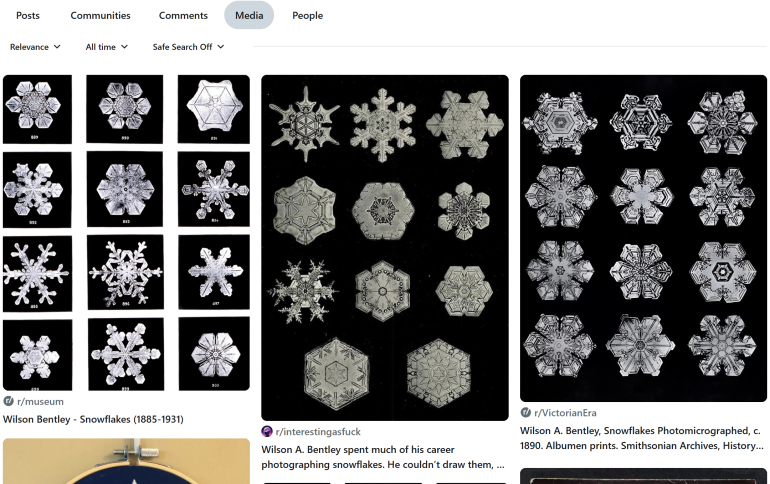
In the 19th century, photography was relatively new, with most cameras being rudimentary in design. In fact, cameras or lenses that can shoot macro did not exist at all. So, what Bentley did was adapt whatever equipment he could find to create a macro photography camera.
At 17, he received a bellows camera with an accordion-style body, and a larger format design by nature, from his parents. Bently then attached his camera to a compound microscope, which allowed him to focus at very close magnifications. He built wooden frames and modifications to link the camera to the microscope, and even added auxiliary focusing aids, to help the camera function properly.
The process included the following: catching the snowflake on a black-painted board, so the crystal is visible easily. He went to work in freezing temperatures, transferring the flake to a class microscope slide using a splinter of wood or a feather. He would even control his breath while doing so, as it can melt the snowflake. Once under the microscope, he would line up the shot, expose the plate, and wait for multiple seconds to get the details on the negative. Since snowflakes can disappear in freezing cold due to sublimation, Bentley had to achieve this with speed and precision.
A Legacy To Remember
Over the five decades that followed, Bentley made more than 5,000 photographs of snowflakes, cataloging them with notes and weather reports. His images also appeared in National Geographic, Scientific American, and Popular Science. In 1931, he published a book titled Snow Crystals. Despite the decades, Bentley’s work is widely celebrated for scientific accuracy and artistic value. Later, his passion earned him a place in the American Meteorological Society, and his images helped shape the popular understanding of snow crystal diversity.
Today, as we look at and enjoy snowflakes and winter, we must remember the guy whose contributions helped photography reach new heights.
Get rid of the ads!
Did you enjoy reading this article as much as we enjoyed writing it? There's a way to support us and our reporting, getting ad-free navigation and more as a bonus. Subscribe to us for less than a coffee per month —just $3.99— or take advantage of our yearly subscription with a hefty discount for only $25.- An ad-free experience
- A free mystery box for Lightroom or Capture One
- All the books in our store
- 20% discount on Capture One
- 30% discount on Imalume Photo Theft Protection
- 20% off Herbs and Kettle Tea Company.
- 20% off your order from MPIX printing services.
- 5% off Viltrox Products via their eCommerce store.
- 10% off all film developing, printing and scanning services from Blue Moon Camera and Machine
- 15% off 7Artisans products: The lens and accessory maker is offering a sweet discount for Phoblographer's readers.