

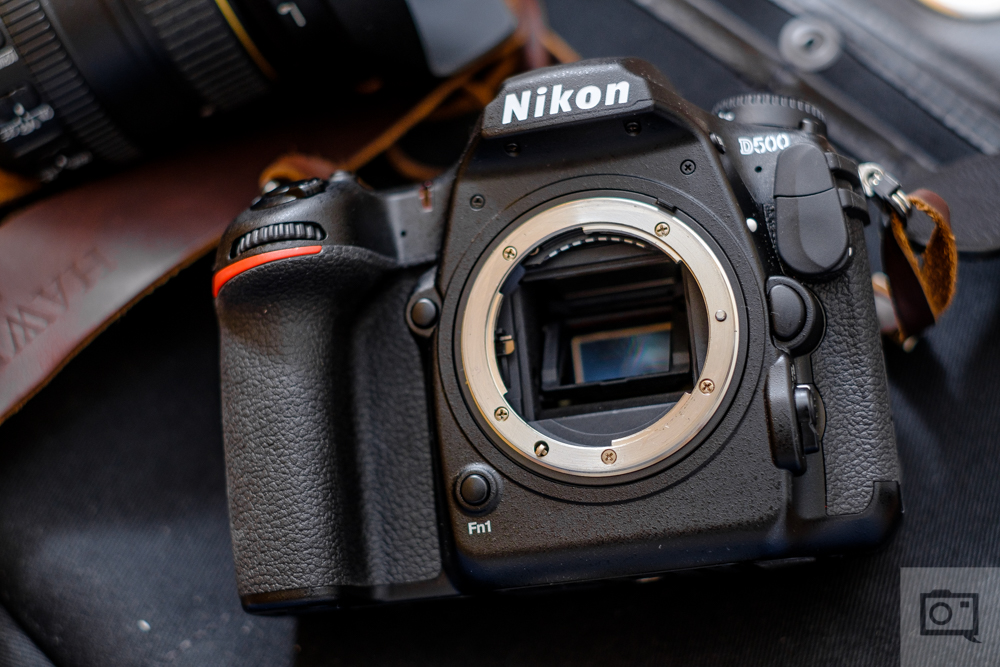
For nearly a decade, a part of the Nikon community has been waiting eagerly for a high-end APS-C camera. They have waited patiently, loudly, and often of late – with frustration. Seeking a mirrorless successor to the D500, hope for a mythical Nikon Z500 that will finally give crop sensor shooters the validation they believe Nikon owes them. With so many capable Nikon Z bodies already available, why are they still holding out for such a camera?
Why The D500 Mattered So Much To Many
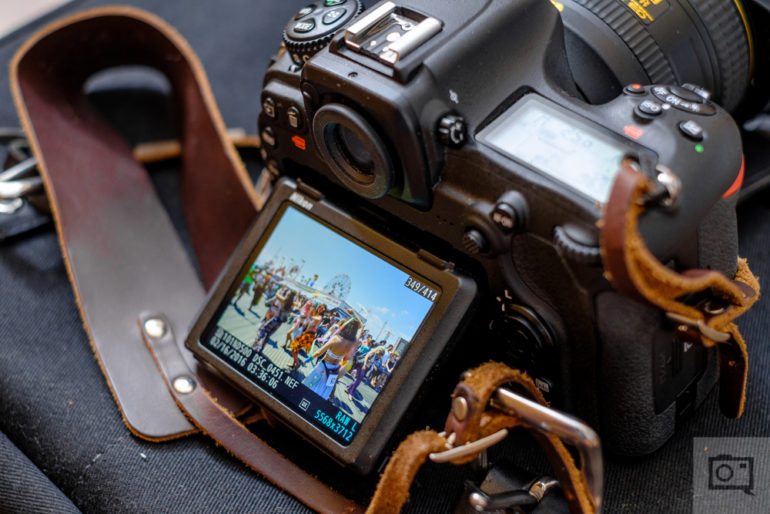
To answer that question, you need to go back in time to understand what a phenomenon the Nikon D500 was. This camera came at a crucial time in Nikon’s history. DSLRs had reached their peak, and autofocus systems were at their best. Meanwhile, mirrorless technology had not yet made a significant presence in Nikon’s lineup, aside from some compact and bridge cameras. The D500 was more than just a crop sensor camera – it made a strong statement, featuring professional-level autofocus, durability, and speed. Most importantly, it provided all of this in a DX body that felt solid and intentional, rather than limited. Amateurs loved how it looked and felt better than any of the D7xxx series of cameras. This was almost like an APS-C flagship. Whether the same tagline was touted by Nikon or not, the buyers of this camera certainly felt so.
For wildlife, birding, and sports photographers, the Nikon D500 hit a sweet spot for various reasons. The 1.5x crop factor provided an extra 50% reach without requiring huge lenses. The autofocus worked well and remained accurate. The fast frame rate allowed you to focus on the moment rather than timing. Most importantly, it felt like Nikon valued DX shooters. They didn’t see them as beginners or budget users, but as dedicated photographers. That emotional connection is more important than many realize. Check out why we gave this camera such a high rating in our review
The Crop Factor Boost
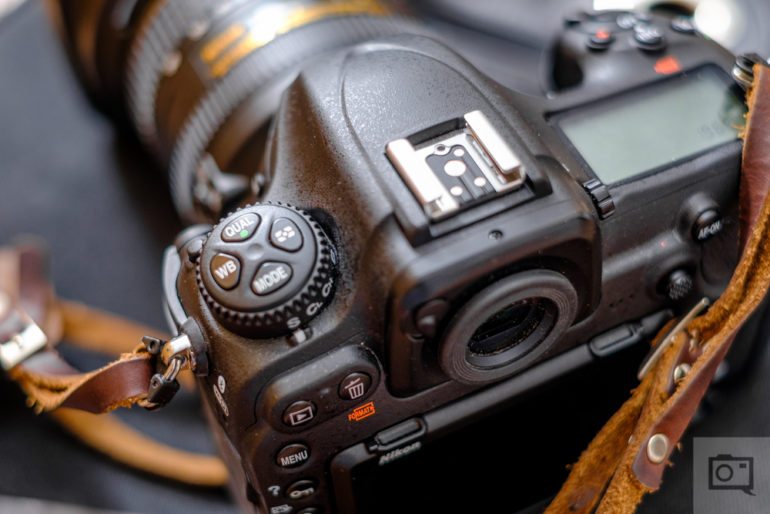
The 1.5x increased reach is typically the first reason given by D500 users for requesting a mirrorless Nikon Z500 model. The notion that a 400mm focal length suddenly becomes equivalent to a 600mm. It makes sense on paper, but here’s the unsettling reality for them. You can already get a 19-megapixel crop with outstanding autofocus, quick readout, remarkable high-ISO performance, and access to all the sharp Z lenses with a camera like the Nikon Z8 in DX mode. Why, then, is that insufficient? This, in my opinion, is related to the fact that the crop factor argument is rarely about reach. It has to do with identity. For some, shooting a full-frame body in DX mode is a compromise. A dedicated crop sensor flagship feels like intent. It feels like Nikon saying, “This is for you.” You get a full sensor readout and full resolution. That difference is emotional, not technical, and that is why there are still so many folks waiting for a Nikon Z500 camera.
Maybe It’s Time To Move On
So why did Nikon not do anything about the Nikon D500 – a camera that had a crazy following among amateurs and pros? A camera that we call the last great Nikon APS-C DSLR. Nikon’s first mirrorless cameras – the Z6 and the Z8 – came around two and a half years after the D500 was launched. Back then, and for a couple, or even a handful, of years later, it made sense for Nikon D500 owners to expect a mirrorless equivalent of their cameras to turn up – either as an equal or a superior model. The DLSR flagship Nikon D6 became the Z9; the D850 is arguably the Nikon Z8; and the D810 became the Z7 (and Z7 II). Lower-end bodies like the Nikon Z5 were almost seen as D610 replacements. Nearly 10 years on from the release of the D500, is it still worth pining for a Nikon Z500?
It’s interesting to note how reluctant some Nikon photographers are to accept this. The Z8 and Z9 are some of the greatest cameras Nikon has ever produced; incredible value for money. Yet we have entire forum threads devoted to bemoaning what Nikon hasn’t done. A feeling of entitlement definitely permeates these conversations, as though Nikon owes D500 owners a mirrorless because they fell in love with it a decade ago. Most manufacturers do not preserve nostalgia. Instead of building for where the market has been, they build for where it is going. Waiting eventually becomes a decision.
The truth is that you can easily jump ship to another camera manufacturer these days as the used camera market is flooded with other options. In fact, full-frame cameras are really affordable when bought used.
What Would a Nikon Z500 Actually Be Used For?

If a Nikon Z500 did exist, it would almost certainly be used for wildlife, birding, and sports primarily. That appeal of the 1.5x reach won’t change. The crop sensor advantage would still be favourable to those shooting distant subjects. But the trade-offs would also remain: less background blur and more noise at higher ISO, thanks to smaller pixels with lower light-gathering ability. In a world where full-frame sensors have become remarkably clean and fast, those compromises are harder to justify. Modern full-frame mirrorless bodies allow photographers to choose how much reach they want. Go full frame when light is scarce; crop when needed. Back then, that flexibility didn’t exist as well as it does now. Nikon’s first mirrorless cameras arrived late and cautiously. During that transition period, D500 users looked elsewhere. Many moved to Sony, others to Canon. The analog-oriented ones jumped to Fujifilm. Had Nikon introduced a mirrorless DX flagship earlier, perhaps the narrative would be different today. But hindsight is a luxury companies don’t have; Nikon certainly learnt that when it was late to the mirrorless party.
Will 2026 Be The Year Of The Nikon Z500
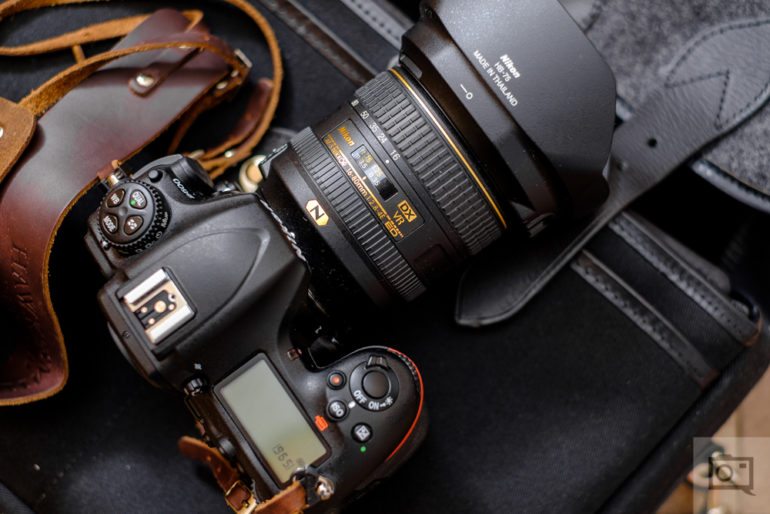
The D500 was special because it arrived when technology, market needs, and expectations aligned. That moment has certainly passed now, a decade since it first hit the shelves. Waiting for a mirrorless Nikon Z500 might feel comforting, but at some point, it becomes a way of avoiding change. And photography has never rewarded those who wait forever.
Having said that, we’re still in the early weeks of the new year, and we haven’t seen any reports of such a camera floating around. It’s been a while since we’ve seen updates to Nikon’s APS-C mirrorless line, like the Zfc and Z30. Given how Nikon has thrown surprises at us in the last few years, the Nikon Z500 might just be well well-kept secret that we end up seeing later this year
Potential Specs:
Pure speculation at this point, but here’s what I think the Nikon Z500 might have
- An APS-C partially stacked CMOS sensor, essentially a crop version of the one on the Nikon Z6 III
- 30 to 36 megapixels in resolution. Nikon really needs to move away from their 20 mp APS-C sensors
- High-Speed Frame Capture (C30 / 30fps) raw burst capabilities, expanding up to 60 and 120 in jpeg mode, with a very decent buffer size
- Native ISO 100 to 12800
- No mechanical shutter; purely electronic
- I somehow feel this will have just a CF Express card slot, with no backup
- A sizeable grip, not as deep as the one on the Z8, but closer to the one on the Z6III
- No crippling in terms of AF modes or Subject detection modes
- A battery grip, available on the launch date
- Video recording for sure, but better specs than what’s seen on the Z30 or even the Z5II maybe
- Hopefully a fix for the HSS problem we’re experiencing with other Nikon mirrorless cameras.
- The more I think of it, this will be a crop sensor Nikon Z6 III camera rather than an APS-C Z8 or Z9
Get rid of the ads!
Did you enjoy reading this article as much as we enjoyed writing it? There's a way to support us and our reporting, getting ad-free navigation and more as a bonus. Subscribe to us for less than a coffee per month —just $3.99— or take advantage of our yearly subscription with a hefty discount for only $25.- An ad-free experience
- A free mystery box for Lightroom or Capture One
- All the books in our store
- 20% discount on Capture One
- 30% discount on Imalume Photo Theft Protection
- 20% off Herbs and Kettle Tea Company.
- 20% off your order from MPIX printing services.
- 5% off Viltrox Products via their eCommerce store.
- 10% off all film developing, printing and scanning services from Blue Moon Camera and Machine
- 15% off 7Artisans products: The lens and accessory maker is offering a sweet discount for Phoblographer's readers.