


When it comes to photography, there are multiple rules, advice, and tips that a budding photographer comes across. Some are passed down from mentors, others from seniors or colleagues. While some tips and suggestions can be really helpful, there are also instances when some do not hold a candle today. How so? Let’s have a look.
‘Best’ Gear
One of the tips that people get is to get the best equipment when they begin their journey. This means sometimes opting for full-frame cameras, which were launched a few years ago. Instead of pushing one to get the equipment, one must push the other to learn photography and get the basics right. Only after one has built a style and understands what they wish to pursue, only then must they get high-quality gear. Working with shortcomings can make you more creative.
ISO Myth
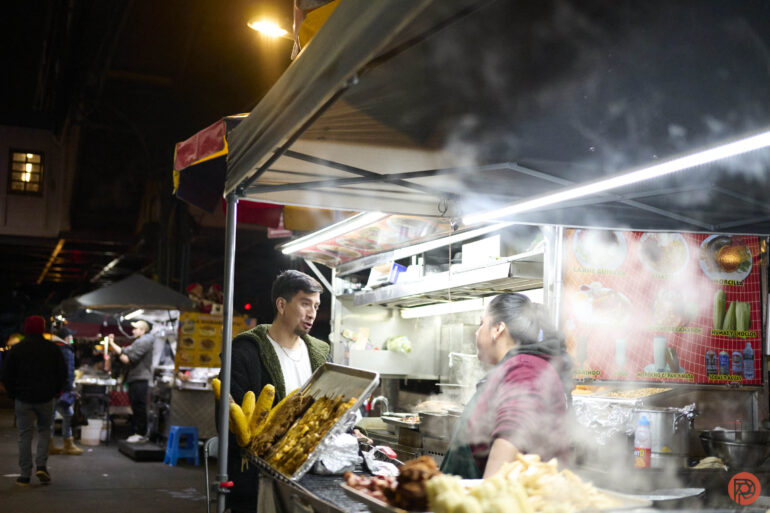
For the longest time, one has been told that they should not increase their ISO for low-light scenes. Why? A high ISO would add additional noise, and thus, make the image a bit soft. However, with time, things have changed; this concept has changed a lot. Many people pump the ISO, so that they can deliberately add grains to make the images appear a certain way. In fact, with modern cameras, one can now push ISO up to 3200 or more to get the image they desire. Furthermore, for those who want clarity, they can also use AI denoise tools to make their image better for the client’s needs.
Rule of Thirds
There are so many tips when one begins their journey. An example is the rule of thirds, which is used as a classic compositional guideline. This allows one to divide an image into nine parts, and then place the subject along the lines that meet together. While the rule has been important, sometimes, it is overemphasized in many people’s journeys. The rule of thirds is great as a start, but when one learns it, they must break it. The image has to convey something; if it doesn’t, then no rule is worth your time.
Importance of RAW
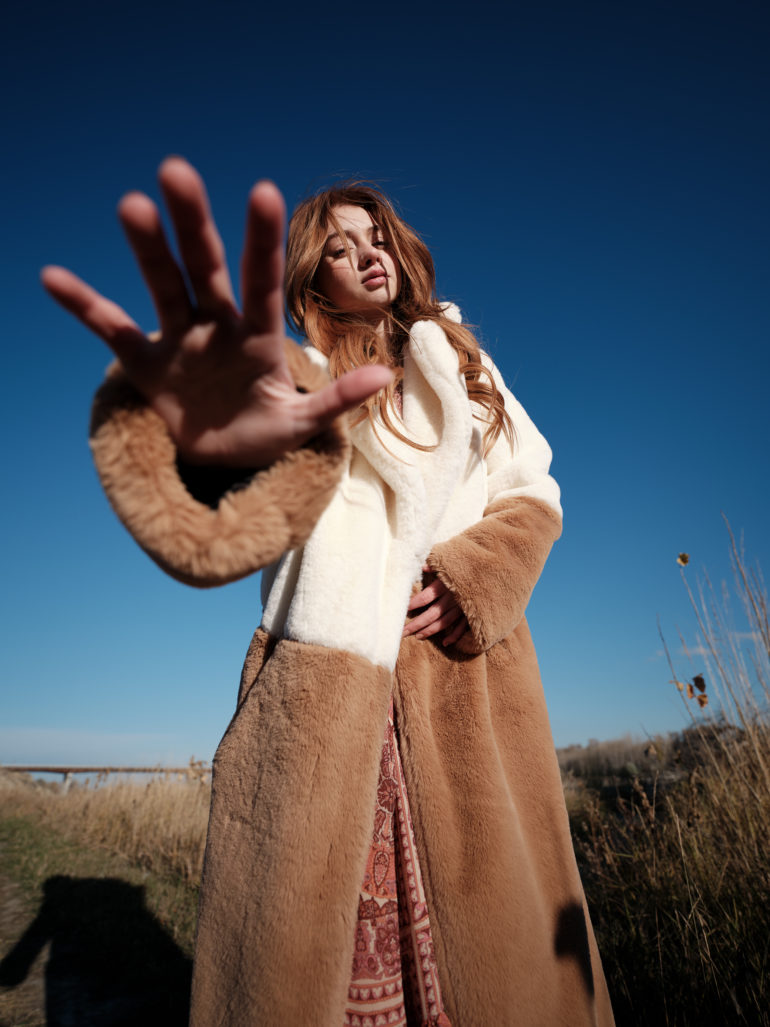
When one begins photography, they are often confused about which file format to utilize. Some prefer JPEG files since they are smaller in size and can capture enough details when needed. However, it is only later, after many trials and errors, that one realizes that the RAW file allows for more flexibility. When it comes to post-processing, you can recover highlights and details well. With software like Capture One, you can also help with presets and ensure that your images stand out. But, in some cases, RAW files do not work, such as for Fujifilm X series and a few Olympus cameras. You get absolutely fantastic images right out of the camera, so you don’t need to waste time on editing.
Fixing it in Post
This is another suggestion — if something is missed in camera, you can fix it in post. While people try to get as much as possible in-camera, there are instances where one ends up sitting for hours to correct anything that is missing. There is also the boom of AI, which allows some photographers to change or remove the sky or add more details, so that the shot can become something else. This can be helpful when working with wedding clients or fashion shoots. But otherwise, it is a no-go.
Get rid of the ads!
Did you enjoy reading this article as much as we enjoyed writing it? There's a way to support us and our reporting, getting ad-free navigation and more as a bonus. Subscribe to us for less than a coffee per month —just $3.99— or take advantage of our yearly subscription with a hefty discount for only $25.- An ad-free experience
- A free mystery box for Lightroom or Capture One
- All the books in our store
- 20% discount on Capture One
- 30% discount on Imalume Photo Theft Protection
- 20% off Herbs and Kettle Tea Company.
- 20% off your order from MPIX printing services.