

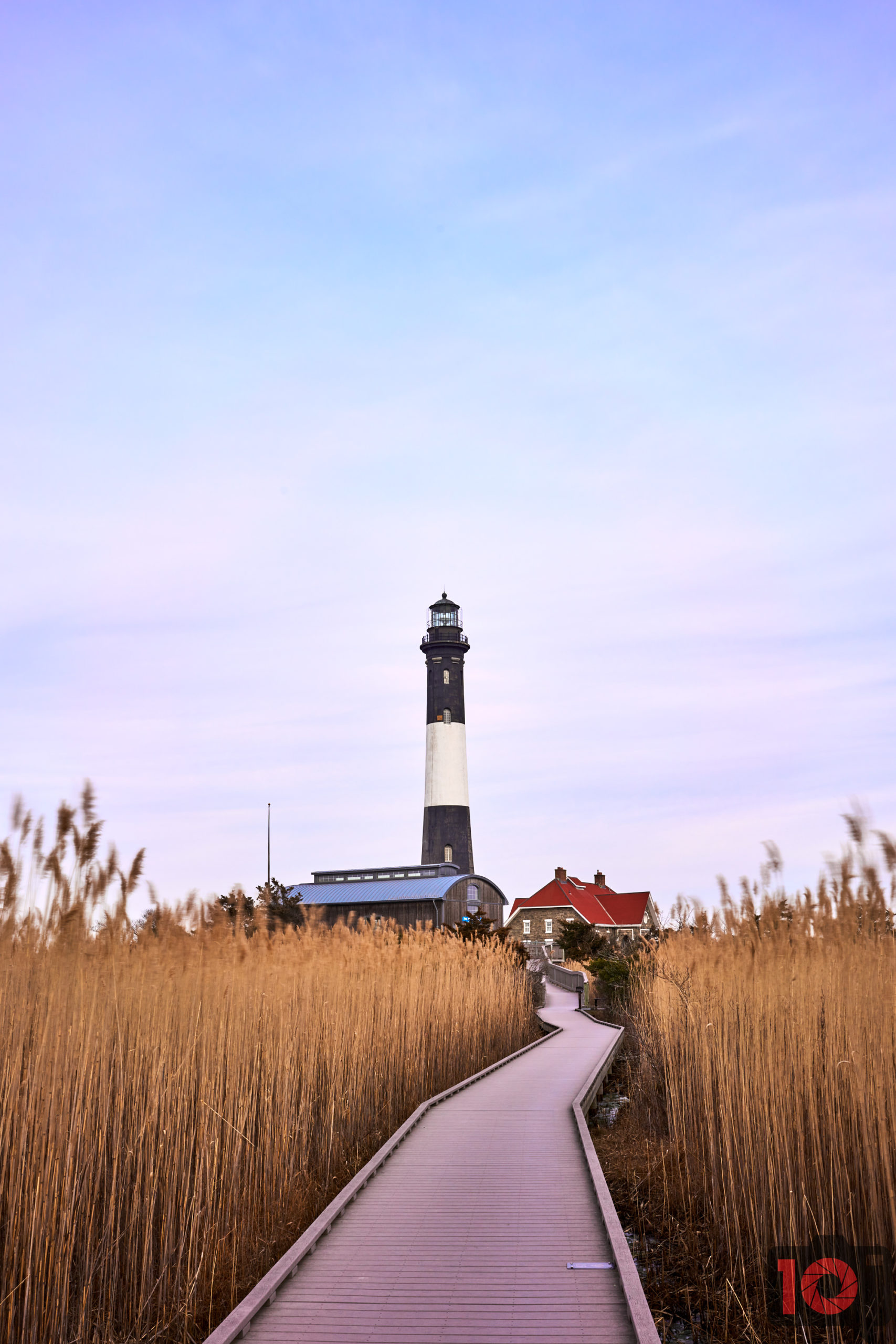
Landscape photography allows one the opportunity to see nature in all its hues and forms. From the warm yellow desserts in Africa to the cold blue glacial lakes in Iceland, landscape photography never fails to amaze us. However, to capture the beauty or majesty of these beautiful places is not a simple task, as it requires vision, technical knowledge, and an understanding of composition, amongst other things. If you are new to landscape photography, then you have come to the right place. We share with you a few tips that can help you excel in your endeavour.
The Subject is the King

The first step is choosing what kind of image you want to create. Often, we visit the same places other photographers have to capture a similar-looking shot. However, this does not bode well for anyone. In that regard, if you are going to the same location everyone visits, then ensure that what you shoot is different. How can you do that? By choosing a strong subject. Look at what stands out in the scene, and from there on, continue to build layers of information for your viewers. Use the foreground, middle, and background in a way that complements your subject. However, at the same time, balance your frame and avoid cramming too many details in one place.
Different Lenses for Landscape Photography

Everyone thinks that landscape photography only means you use a wide-angle lens to get more details. But this is not true. In addition to wide-angle, standard zoom, and telephoto lenses, to get different perspectives. For instance, a tree in the middle of the field will look different when you use a wide-angle or switch to a zoom or telephoto lens. In fact, you can use a telephoto to make the background appear larger, which can highlight certain aspects of nature, such as mountains.
Look For The Weather
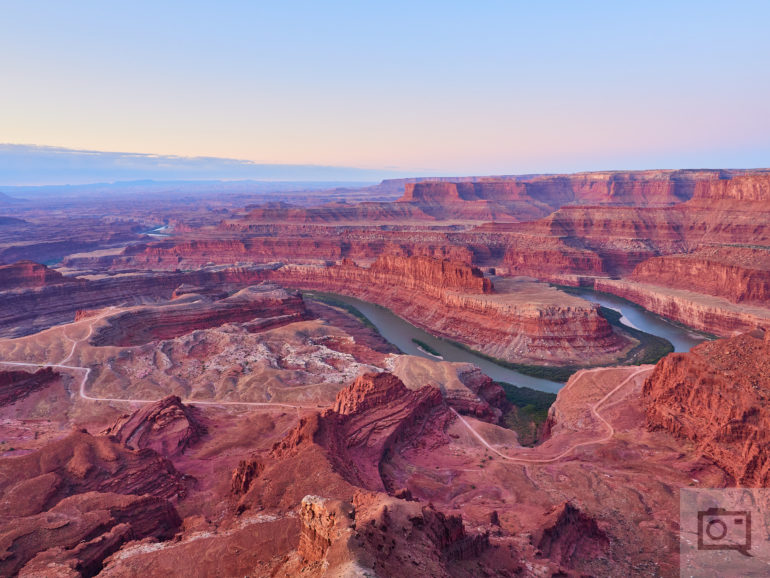
Keep in mind that landscape photography is all about the perfect time of day. Images of dramatic clouds, rain, blizzards, as well as the golden hour, can make your scene look very different. In fact, most landscape photographers forget that the time of the day can influence the shadows and thus, your image. If you are going to a place that faces east, then your shots taken in the morning will be better than those taken in the evening. However, your creative vision can break the traditional rule, and what you want to show the viewers.
Edit Your Landscape Photography

Do not be afraid to edit your images. What you see will not be able to be captured by the camera, even if you are using ND filters. Instead, when you return from your shoot, take some time to recall what worked best in the image then. Perhaps, a tighter crop would do justice, or other times, increasing the contrast can make the subject stand out. Or, as seen above, a black and white filter helps to bring out the details and textures of the place. However, remember your edit can only do so much. If the image above did not have a silky waterfall alongside the jagged rocks, the image would not have worked just as well. And so, always plan before you click the shutter.
We do hope these four tips have come in handy later in your shoot. Just remember, if things don’t work out, you always have the chance to go back and shoot again. That’s why practice is what makes a professional stand out from an amateur photographer. So, keep at it until you see the results.
Get rid of the ads!
Did you enjoy reading this article as much as we enjoyed writing it? There's a way to support us and our reporting, getting ad-free navigation and more as a bonus. Subscribe to us for less than a coffee per month —just $3.99— or take advantage of our yearly subscription with a hefty discount for only $25.- An ad-free experience
- A free mystery box for Lightroom or Capture One
- All the books in our store
- 20% discount on Capture One
- 30% discount on Imalume Photo Theft Protection
- 20% off Herbs and Kettle Tea Company.
- 20% off your order from MPIX printing services.
- 5% off Viltrox Products via their eCommerce store.
- 10% off all film developing, printing and scanning services from Blue Moon Camera and Machine
- 15% off 7Artisans products: The lens and accessory maker is offering a sweet discount for Phoblographer's readers.