

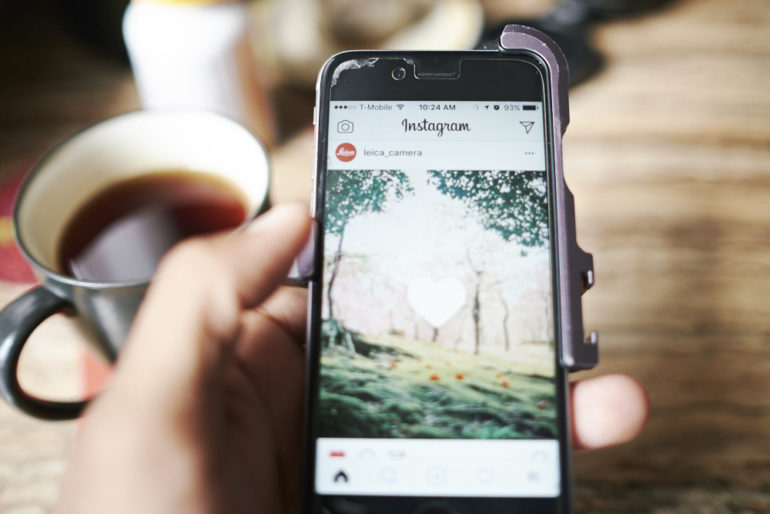
A lot has changed on social media. Platforms such as Instagram and Facebook were once all about sharing moments from one’s day-to-day life when they were first created. It was a space for amateurs and creatives to converse with a global audience and build meaningful relationships with people who think like you. However, as technology advanced, people’s needs and wants evolved, too. Today, we stand at a junction where photography is facing a decline on social media. Here is a look at what can be done to avoid this.
After the early optimism, we saw social media chasing a new form of content: videos. The popularity of TikTok gradually led Instagram and Facebook to promote stories and reels, with YouTube also joining the fray not too long after. While stories were still about photography, some would gradually use videos to showcase their day-to-day life. Then came 2020, the pandemic, and reels began to help us with doom scroll amidst news of people’s demise. This also aligned with making social media more about selling things to us, showcasing a shift from focusing on the mundane. The advertising opportunities open new gates, and today, photography has become a performative art.
Today, a photograph on social media is not the center point that’s driving the conversation forward; it’s the photographer and the brand that they create. This would, in any other scenario, be a great idea, but now, it’s as if the photographer comes first and then the art. This is pretty evident when it comes to choosing ambassadors for camera brands or photographers for certain campaigns. While one’s vision is important, it is not as important as the following they have on Instagram. This kind of shift in what photography means has hurt a lot of good artists, many of whom are unable to get views because they refuse to make videos to boost their popularity. This overshadowing only hurts society, especially at a time when photographs are no longer beginning a discussion but merely becoming content to boost sales. So, an image is not about one’s artistic vision anymore but about how the algorithm will help them to meet new users. And as the algorithm changes, so does the work.
This recognition or dopamine kick is the driving force for creating images on social media. The validation is a gamble for everyone who wants to take part, while the way they shoot is an idealized version of how photographers should work: expensive gear, high-profile clients, and so on. Where does the integrity of the art go? Even we aren’t sure.
So, how can one drive change? By making this ecosystem different. The values with which these platforms were built are no longer there since they were purchased by billionaires. This means we need media that one can monetize from that is ethically sound and focuses on art more than the artist. However, a change like this can’t happen unless one sees pressure from the outside. For instance, when Meta began to restrict Palestinian photographers, a lot of people simply left the platform.
Furthermore, society’s help is needed to curb unethical or monetary-driven practices. Instagram filled the gap behind by Facebook, and TikTok took the same role in many countries. So, as long as there are competitors, one can urge conglomerates to change their policies. Although legislative changes can help, they may not be as effective as one that is user-driven. If companies stop selling ads on social media, there may as well be a change in how people interact with photography.
If we adopt ethical ways to capitalize on social media content, stills may also be equal to videos. Again, this can’t happen overnight and will only be possible if there is enough pressure. The uncertain future of photography has a chance to change only if we make changes to a system that is money-driven. If not, we may see more photographers struggle to make ends meet.
Get rid of the ads!
Did you enjoy reading this article as much as we enjoyed writing it? There's a way to support us and our reporting, getting ad-free navigation and more as a bonus. Subscribe to us for less than a coffee per month —just $3.99— or take advantage of our yearly subscription with a hefty discount for only $25.- An ad-free experience
- A free mystery box for Lightroom or Capture One
- All the books in our store
- 20% discount on Capture One
- 30% discount on Imalume Photo Theft Protection
- 20% off Herbs and Kettle Tea Company.
- 20% off your order from MPIX printing services.
- 5% off Viltrox Products via their eCommerce store.
- 10% off all film developing, printing and scanning services from Blue Moon Camera and Machine
- 15% off 7Artisans products: The lens and accessory maker is offering a sweet discount for Phoblographer's readers.