

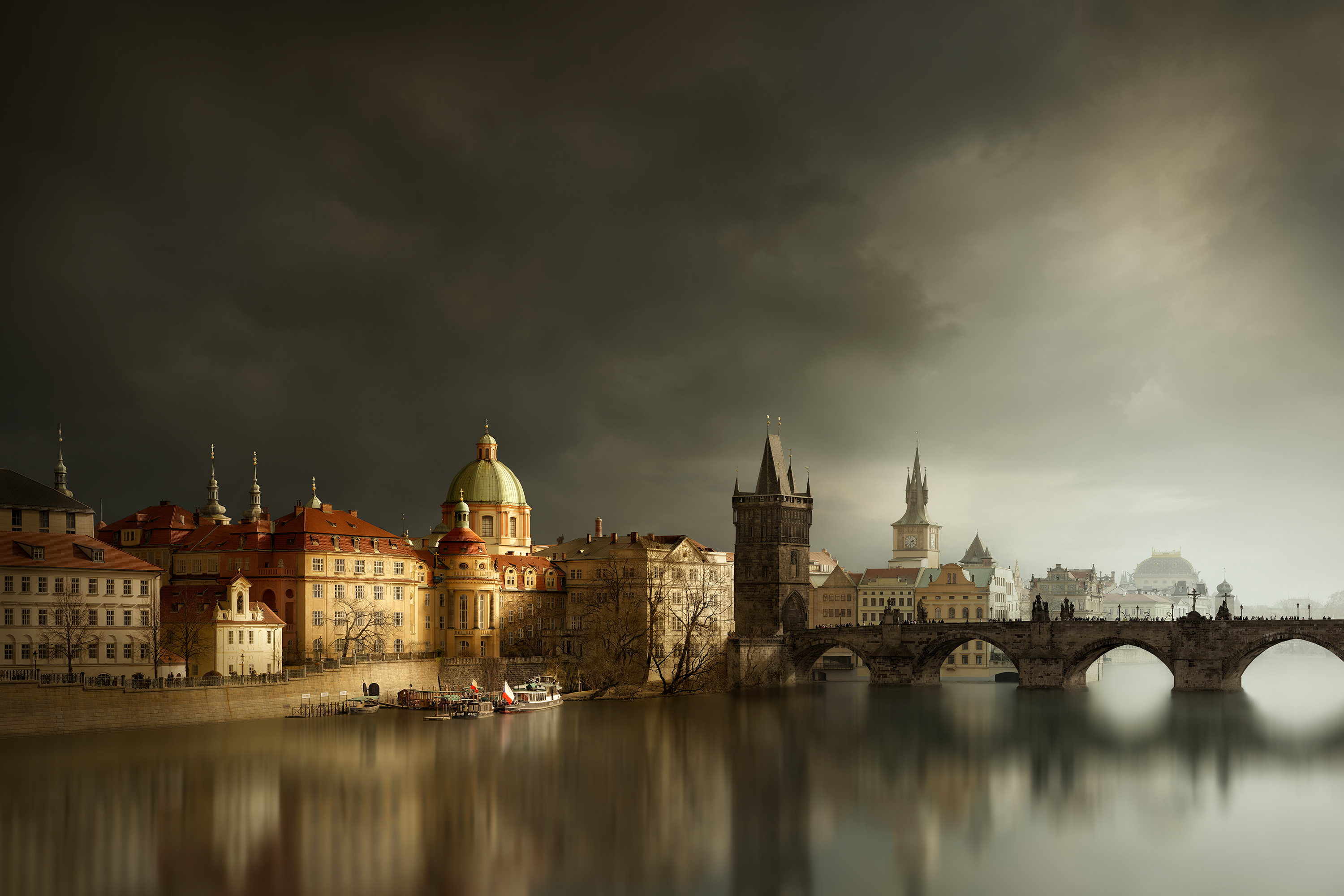
How do we define ‘interesting’? People and pictures are diverse, and art has no rules. Is there a rule to define ‘interesting’ photography? There’s no common ground for a rule, and photographers don’t like ‘rules’. Yes. – People’s human nature is common ground; our brain defines the rule, and the principle is simple. Get this: our brain prefers to avoid thinking. I’ll explain. Survival dictates that we conserve energy and resources. ‘Thinking’ happens at the conscious level, which requires massive energy and resources, whereas a subconscious process uses very few resources. – That’s why 90% of our brain’s information is processed subconsciously – to minimize the use of our mental resources.
Our subconscious handles daily routines and mundane tasks, while our brain reserves conscious thinking for important problem-solving and planning. Thinking contradicts our survival instinct because it requires enormous energy and resources.
The less we think, the more energy and resources we save.
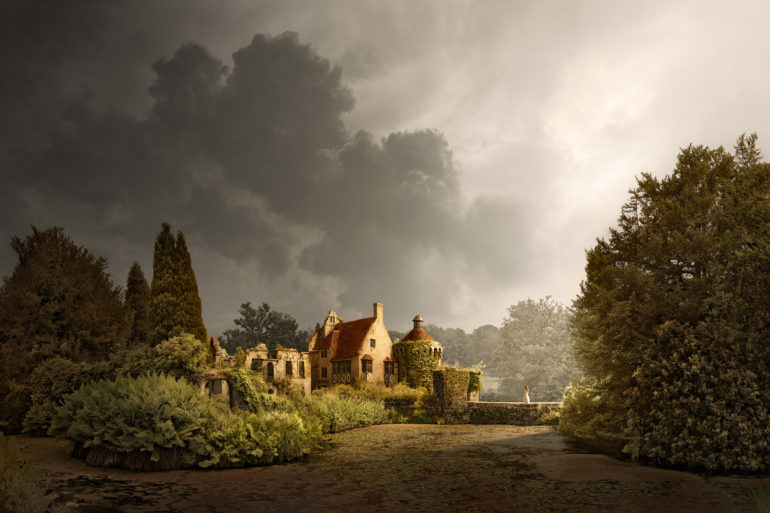
We Spend our Lives ‘Predicting’.
Our brain has created a ‘predictive process’ to replace always thinking consciously. People predict ‘What they will see’. If we see ‘What we predict to see’, we don’t need to ‘think’. – ‘Prediction’ saves us using mental energy and resources; it saves us ‘Thinking’.
Prediction saves our brain from analyzing more than 3 million images our eyes produce daily. Analyzing this enormous amount of data would overwhelm our mental resources. Our daily routines depend on this ‘predictive’ process every second of the day. There’s no need to think about ‘What we already know’, so we don’t. It’s a waste of resources to do so. Prediction is a fast, effective, and efficient solution.
I’ll give you an example of ‘prediction’. If you go to your car in the morning and drive to work, you predict your vehicle will be outside the house. You get in the car and then drive away. You don’t ‘think about it’. Doing so would produce no benefit; it would just waste our resources. It’s an automated, subconscious process. There’s nothing to ‘think’ about or analyze, no problem to solve – your routine follows ‘What you predict’.
But imagine your car’s not there. Now, life has become a dramatically different story. – It’s a situation you didn’t ‘predict’. Your ‘Prediction’ doesn’t match the reality of ‘What you see’, which forces you to ‘think’. It’s become a slow, conscious investigation, not a fast, smooth subconscious process. You feel mentally stimulated, focused, alert, and alive. There’s a discrepancy, a problem to solve. – You’re ‘thinking’ consciously, using massive energy and resources.
If ‘We don’t see’ – ‘What we predict to see’ – it forces us to ‘think’.
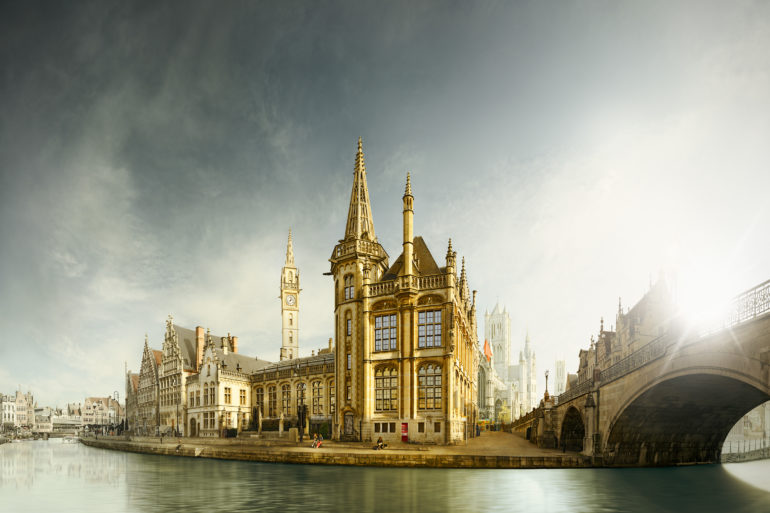
We also ‘Predict’ Photography.
The prediction process has critical implications for photography because, guess what – we make similar predictions when looking at photographs. We also judge photographs subconsciously.
If I said, ” I want to show you my landscape photography,” you’d predict the content and look of my pictures before I show them. You expect I will show you landscape photographs like those you’ve seen before, based on your ‘prior knowledge and experience’ of seeing hundreds of previous landscape photographs. – You expect my pictures to fit your prediction.
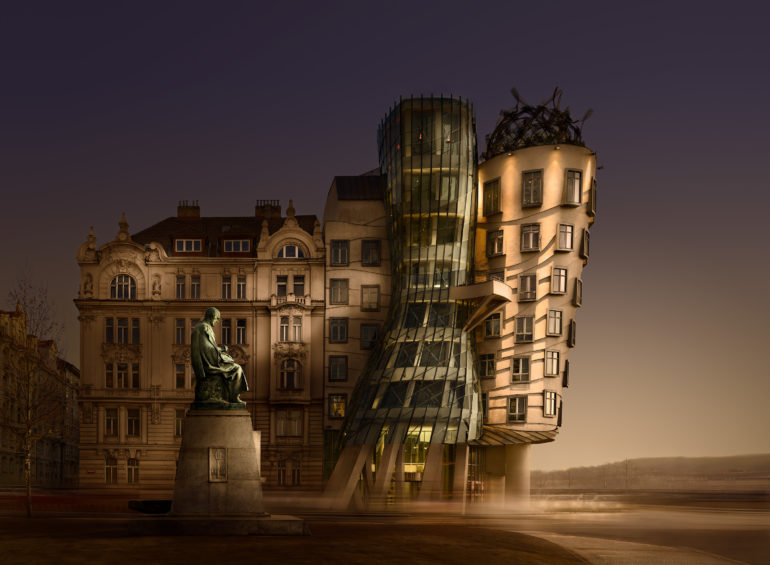
The Critical Photographic Lesson
The critical fact is – if I don’t show you – ‘What you predict to see’ – this generates a problem, a discrepancy. My pictures don’t fit your ‘prediction’, your expectations. I’ve stopped your automated process of evaluating my pictures subconsciously and forced you to switch to slow, conscious analysis and investigation. – I’ve made you ‘think’. – You need to ‘think’ to resolve the discrepancy. You ‘think’ about why my photographs don’t match – ‘What you predicted to see’. – You study my photographs to find a solution. –
I’ve triggered your ‘interest’.
The key to ‘interesting is making people ‘think’, not giving them what they expect to see. ‘Interest’ is being mentally engaged, having something ‘to think’ about. An interesting photograph makes people ‘think’. One way to make people ‘think’ is to show them something different.
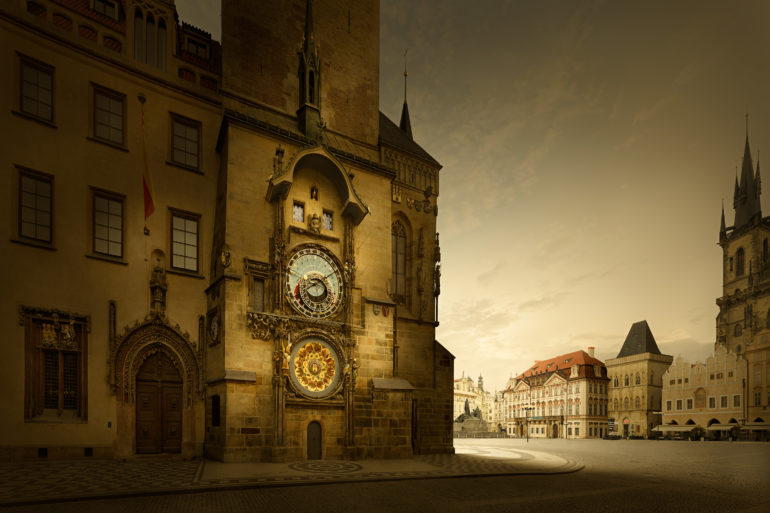
Being ‘Different’ helps to be ‘Interesting’.
But ‘different’ has limitations. – On one extreme, we have the ‘Familiar’; on the other, ‘Different’. Familiar is ‘What we predict to see’, based on ‘What we’ve seen before’ – which triggers little interest. It doesn’t trigger our curiosity because there’s little mental stimulation. Equally, if pictures are significantly ‘different’, we don’t understand them. We don’t engage with pictures we don’t understand. ‘Different’ has dangers. Being significantly different is, therefore, not interesting either.
‘Interesting’ photographs are in the sweet spot between the two extremes – different enough that they’re NOT ‘What we expect to see’ but sufficiently familiar that ‘We understand them’.
So – What is the rule for being ‘Interesting’?
‘Thinking’ defines ‘Interesting’. – Interesting means ‘to make the viewer think’, and being ‘different’ is one way to ignite people’s curiosity. ‘Interesting’ means triggering the viewer’s imagination, thoughts, and feelings. Therefore, create light, mood, drama, and
atmosphere people relate to, but offer an aspect in your photographs that’s ‘different’ from what the viewer expects to see; this triggers their curiosity. – O er more than a ‘literal’ depiction of what you saw.
The key is interrupting human nature’s desire ‘not to think’. Interrupt their ‘prediction’ of what they’re going to see. Create a discrepancy. Make the viewer do some work. Ignite the viewer’s curiosity, and you generate an ‘interesting’ photograph.
Remember, the more ‘familiar’ something is, the less curious we are and the less ‘interesting’ it becomes. Defining ‘interesting’ is based on scientific principles and psychology, not art or personal opinions. ‘Interesting’ is based on a proven ‘rule’. Photographs have rules defined by human nature.
The principle is simple: Don’t give people ‘What they predict to see.’
If you enjoyed this ‘Pearl of Wisdom’, I’m running a photography workshop in Prague, Czech Republic, from 6-12th April 2025, where you can learn more. Visit my website for more information.
All images used with permission in our original interview.
Get rid of the ads!
Did you enjoy reading this article as much as we enjoyed writing it? There's a way to support us and our reporting, getting ad-free navigation and more as a bonus. Subscribe to us for less than a coffee per month —just $3.99— or take advantage of our yearly subscription with a hefty discount for only $25.- An ad-free experience
- A free mystery box for Lightroom or Capture One
- All the books in our store
- 20% discount on Capture One
- 30% discount on Imalume Photo Theft Protection
- 20% off Herbs and Kettle Tea Company.
- 20% off your order from MPIX printing services.
- 5% off Viltrox Products via their eCommerce store.
- 10% off all film developing, printing and scanning services from Blue Moon Camera and Machine
- 15% off 7Artisans products: The lens and accessory maker is offering a sweet discount for Phoblographer's readers.