


We have often debated the course of photography, its direction, and where we are headed. That’s vital not just for camera makers but also for those who understand its cultural impact on the audience and gauge whether the medium is moving forward or backward. Think of this as a way to compare our progress, just like we do with traditions or understanding of the world every few years. For instance, with the elections now over, it seems America has stepped back in time than forward, and that is concerning. In that regard, it also appears that photography, as a medium, is now stuck in a spiral. How so? Read on to find out.
Today, with the ease of use of cameras, we have billions of images floating around the internet. Fortunately, this has allowed photography to be accepted as an art form. For instance, images of photographers such as Andreas Gursky, Richard Avedon, Saul Leiter, William Eggleston, and William Klein are some examples whose work has been collected in museums and galleries, as well as displayed in exhibitions and on the wallers of our humble abode. More contemporary photographers such as Todd Hido and Alec Soth are a few examples who also gain the same stature as their predecessors. The print, as a result, is now being sold as a product in galleries and fairs. But with the advent of photography or its popularity now, the medium’s challenges remain unchanged. As a result, the conversations that were held during Avedon’s time are still ongoing.
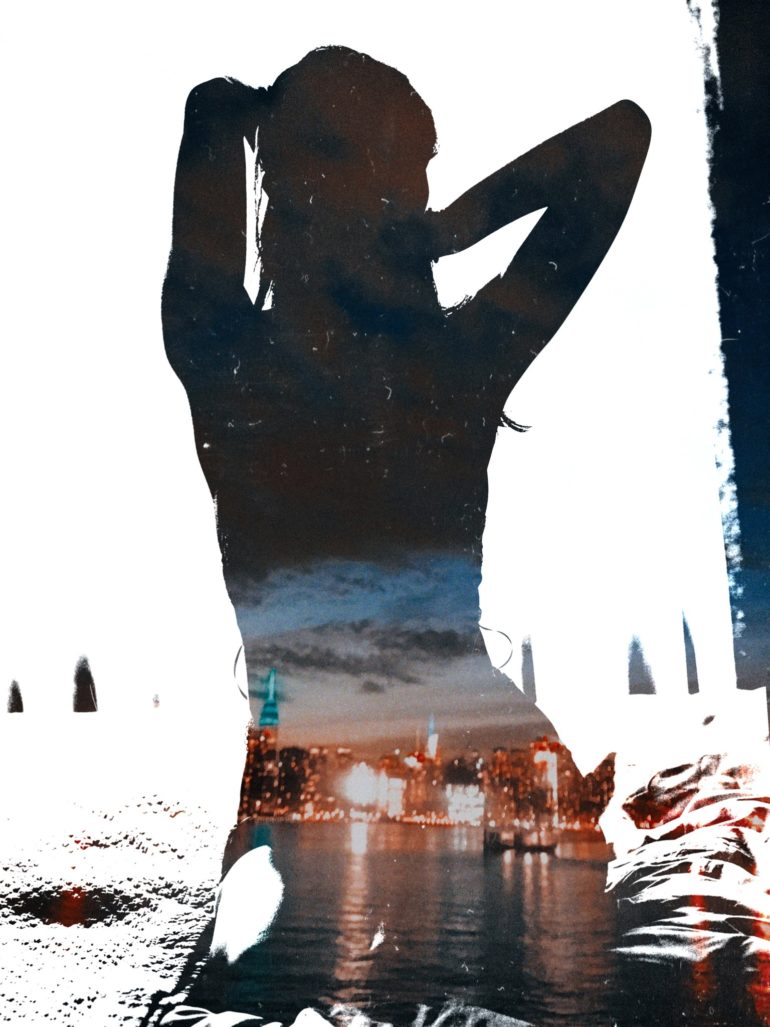
For starters, image manipulation existed in the early days of photography, when many photographers such as Alvin Langdon Coburn, Edward Steichen, Gertrude Käsebier, and Oscar Gustave Rejlander each used artistic or pictorialist take on photography. In fact, Oscar is considered as the father of photo montage. However, the difference is that their work was created on glass plates instead of film or digital cameras. The same multiple exposures or photo montages were captured in more modern days using analog and DSLR. With many artists today turning to create work that is more than documentation, it suggests that we are stuck in a spiral of recreating what already exists.

Similarly, even today, what kind of images are considered art or commercial has been highly debatable since the beginning of the medium. Initially, painters had wealthy patrons who would support them. Today, many photographers have the same, albeit in the form of companies. It can be a nonprofit organization such as Aperture, a collective, or even cooperations such as Canon and Nikon, which promote certain individuals over others. However, the work they create is often up for debate. For instance, a Canon ambassador’s work will never be considered art, while photographers who are promoted by more liberal brands still fall into the art category. Even the themes of focusing on one’s own journey or showcasing the mundane are considered artistic over portraits of people.
Then we also have the same issues of lack of inclusivity and documentary photographers finding it hard to fund their projects. For instance, Anna Atkins made the first-ever photo book in the world, beating William Henry Fox Talbot, the inventor of photography, by mere weeks. Yet, the credit goes to the latter for this title. While funding projects was easier for staff photographers of LIFE magazine, it was not the case for independent photographers. At the same time, the voices of people of color or the marginalized get crushed over and over. Today, we may have many platforms to support inclusivity, but the medium is still dominated by white male photographers. In addition, the revival of digital cameras and analog highlights that we are returning to where we came from.
From the looks of it, every few decades, we end up where we started from. Photography, like any medium, is entirely dependent on its creator, curator, and manufacturer. If either segment is unable to change itself, we will continue to live in this infinite spiral. And that can become a problem.
Get rid of the ads!
Did you enjoy reading this article as much as we enjoyed writing it? There's a way to support us and our reporting, getting ad-free navigation and more as a bonus. Subscribe to us for less than a coffee per month —just $3.99— or take advantage of our yearly subscription with a hefty discount for only $25.- An ad-free experience
- A free mystery box for Lightroom or Capture One
- All the books in our store
- 20% discount on Capture One
- 30% discount on Imalume Photo Theft Protection
- 20% off Herbs and Kettle Tea Company.
- 20% off your order from MPIX printing services.
- 5% off Viltrox Products via their eCommerce store.
- 10% off all film developing, printing and scanning services from Blue Moon Camera and Machine
- 15% off 7Artisans products: The lens and accessory maker is offering a sweet discount for Phoblographer's readers.
- 15% off a VSCO One subscription: Get a bunch of great tools with their all-in-one package.