

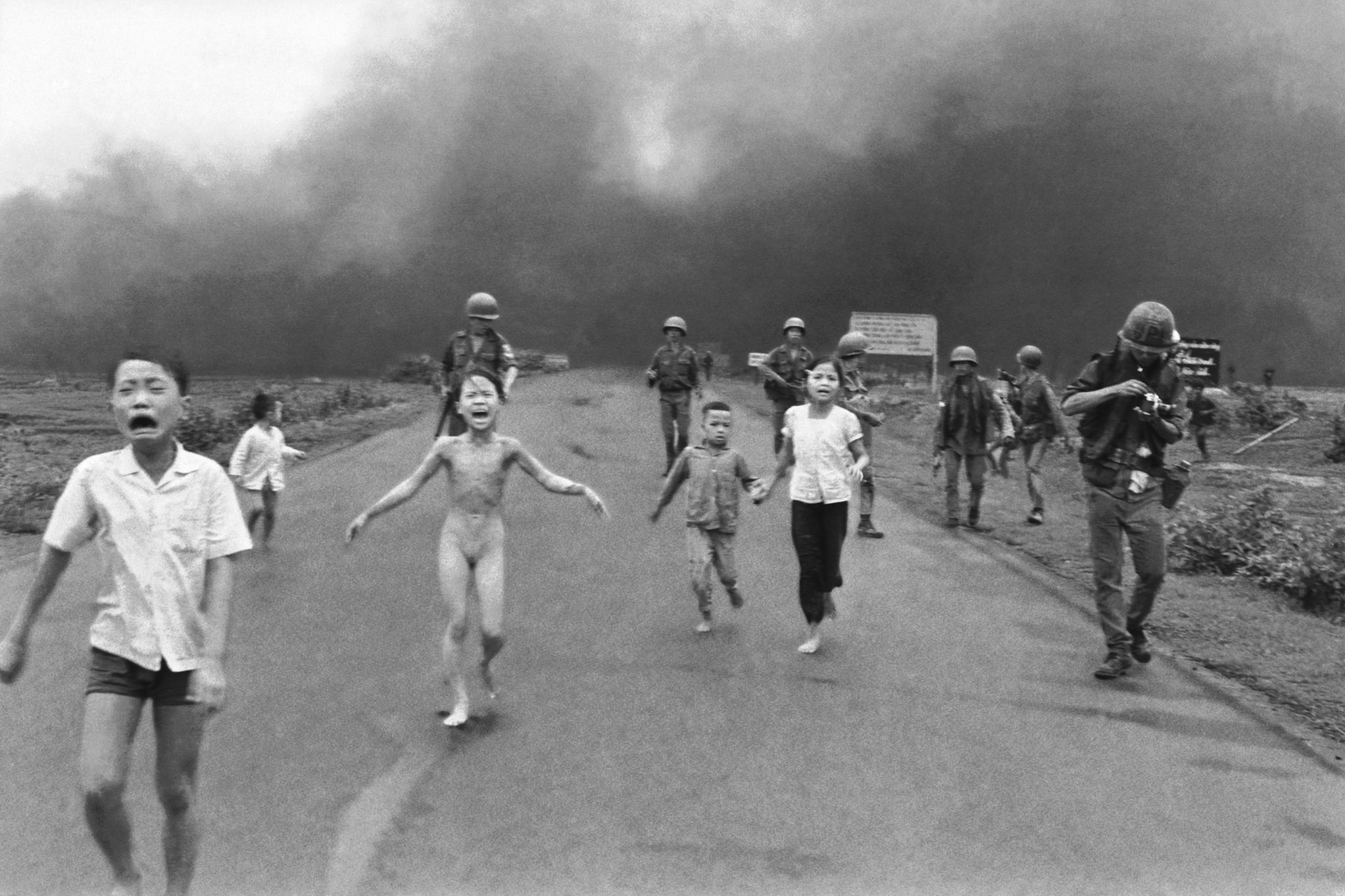
One of the most famous anti-war photographs of all time has been Nick Ut’s Napalm Girl, originally known as The Terror of War, captured on June 8, 1972, during the Vietnam War. Anyone with even the slightest interest in the medium has seen the image at least once in their lives. The image went on to win the Pulitzer Prize and the World Press and still continues to live in our collective consciousness. However, a new documentary claims the iconic photograph was not captured by Nick Ut, but rather, he was falsely credited for it. Here’s a look at what the story is about.
The lead image is from a previous story published in 2017.
According to the Associated Press (AP), the news agency has been working for ‘six months’, researching and gathering evidence to prove the allegations wrong. AP also reports that the filmmakers reached out to seven witnesses who were present at the scene or the agency’s Saigon bureau. However, none of them questioned Ut’s authorship.
In February 2024, AP received the news that Gary Knight, co-founder of the VII photo agency, was involved in a documentary that questions the Ut’s authorship of the photo. In June, the filmmakers reached out to AP, with Knight providing a summary of the documentary. In a 25-page report, AP details how Knight refused to provide any details about the allegations. Instead, the wire agency was asked to sign a non-disclosure agreement if they wanted to know what exactly these allegations were based on, which AP refused. Here’s what the report states:
At the meeting, Knight asserted that another photographer was the true author of the photo, that the photographer’s film had been dropped off at the AP bureau by a relative on the day of the bombing, and that (Horst) Faas made a snap decision to falsely credit Ut. The allegations, according to Knight, sprung from an account by Robinson, the former AP photo editor, and was supported by the other photographer — “the stringer” — who they said they found living in California. Knight said that neither Robinson nor the photographer had previously met.
AP
In addition, the document further adds how Nick Ut bought back eight rolls of film from the Trang Bang village bombing, which also includes the image of Phan Thi Kim Phuc, the 9-year-old girl at the center of the frame. The report adds that the rolls were developed by AP darkroom editor Yuichi “Jackson” Ishizaki while Ut stood by him. The report further adds that Horst Faas, AP’s chief of photos in Saigon, often gave freelancers small payments “even if their work was unused” and free rolls of film. In addition, the smoke patterns in his images have also been examined since the filmmakers believe that they have been inconsistent, thus supporting the latter’s allegation. “Our examination of the smoke patterns has not led us to doubt Ut’s authorship of the photograph,” added AP.
The filmmakers are keeping many things under wraps. However, one thing is clear: the allegations will certainly encourage viewers to watch the documentary, in turn increasing viewership. At the same time, documentaries with sensationalized topics are not new. Netflix has plenty of that. But what matters is how substantial these accusations are and how strong the evidence is. The filmmakers are accusing a renowned journalist and pointing fingers at a reputed news agency. If the documentary does not live up to what it promised, then the creators are the only people making a fool of themselves.
Get rid of the ads!
Did you enjoy reading this article as much as we enjoyed writing it? There's a way to support us and our reporting, getting ad-free navigation and more as a bonus. Subscribe to us for less than a coffee per month —just $3.99— or take advantage of our yearly subscription with a hefty discount for only $25.- An ad-free experience
- A free mystery box for Lightroom or Capture One
- All the books in our store
- 20% discount on Capture One
- 30% discount on Imalume Photo Theft Protection
- 20% off Herbs and Kettle Tea Company.
- 20% off your order from MPIX printing services.
- 5% off Viltrox Products via their eCommerce store.
- 10% off all film developing, printing and scanning services from Blue Moon Camera and Machine
- 15% off 7Artisans products: The lens and accessory maker is offering a sweet discount for Phoblographer's readers.