

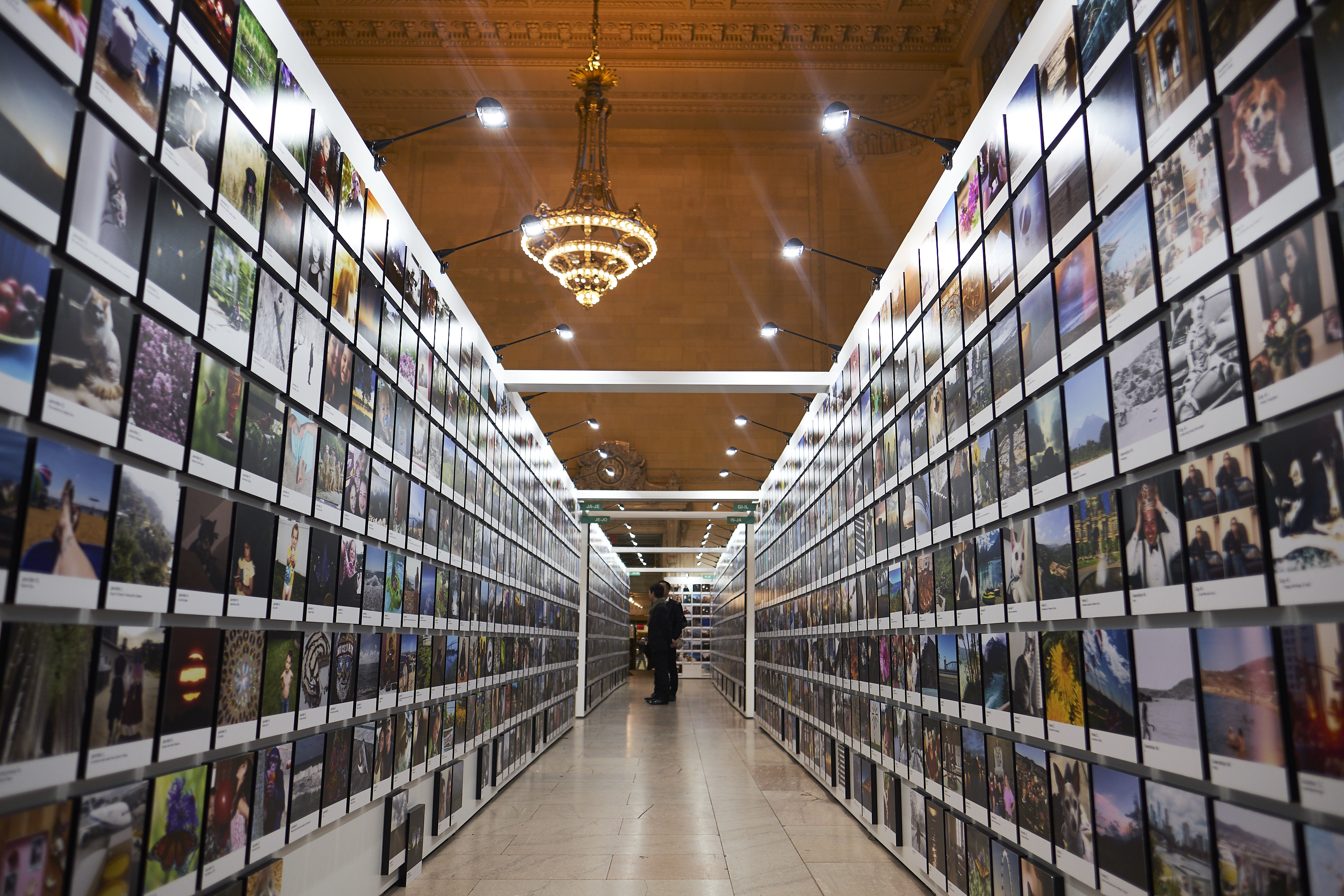
As Paris Photo concluded on November 10, reports of new trends in the photography market are making waves. This comes at a crucial time when photography seems to become a saturated medium, with billions of photos floating around the internet. The number is likely to increase by the next decade, which poses several questions about the industry, especially its financial status. Will photography swim, or will it sink?
Where Does The Photography Market Stand?
Artnet was one of the publications present during Paris Photo, and they shared an interesting study about the market trend. According to the publication, while photography has always been placed at a lower pedestal than its other high-art siblings, larger sales still continue to be possible. For instance, American photographer Gordon Matta-Clark’s series, Splitting, was the most expensive gelatin silver print present there, priced at $2.7 million. The report notes that big sales do not happen year-round but more so during such events.
While there was a time when images from Cindy Sherman, Andreas Gursky, and Hiroshi Sugimoto were selling for millions, the current market has seen a dip in such artworks. For instance, Gursky’s Prada III (1998) was listed for $500,000, a very small sum of its previous price. Furthermore, mid- and lower-tiered photographs (in the $12,000 to $15,000 price range) performed well. This is due to a growing interest in lesser-known photographers, particularly marginalized artists, who attracted a large number of viewers at Paris Photo. Because of this interest, Artnet states that photography auctions saw a 10% dip, as opposed to a 30% decline across the art field.
While traditional prints saw a positive response, there was also the threatening presence of AI-generated images. This work was in the digital sector and apparently was sold within houses during the stall opening. About 10 to 15 galleries saw positive sales, revealing that people are interested in the new form of “art.” However, this intersection continues to lead to more questions about authenticity, reality, and copyright issues.
Photography Still Needs a Major Push
The fact that Paris Photo embraces AI-generated images only proves more and more photo fairs are looking for ways to legitimize the use of problematic technology. This is why it becomes even more crucial for better literacy about the medium and for fostering a deeper connection. For instance, galleries are trying to push good photography and find ways to distinguish “good” from the slob we see on social media. This should also be taught to advisors, who help ensure that pieces are sold to clients looking for something distinct for their homes, offices, or as gifts.
In addition, having limited prints can work well. Not only will it drive the demand for the images, but it will also help collectors know that they have rare pieces. That was the case with artworks, which can’t be replicated too easily. And that’s why their prices kept driving up. At the same time, having a wider variety of different price points for photographs is also helpful. What matters is that photography needs to have its own place, with the help of patrons who see it as a beneficial addition to art. Sure, social media and smartphones may have diluted the craft, but this is another reason to champion great work. There are photographers who dabble with mixed-media art, and that itself is so valuable.
Ultimately, it boils down to people stopping distinguishing between high and low art, which can help change perception. As long as images or art are made with love, ethics, empathy, and zero plagiarism, then they are worth a space in your heart.
Get rid of the ads!
Did you enjoy reading this article as much as we enjoyed writing it? There's a way to support us and our reporting, getting ad-free navigation and more as a bonus. Subscribe to us for less than a coffee per month —just $3.99— or take advantage of our yearly subscription with a hefty discount for only $25.- An ad-free experience
- A free mystery box for Lightroom or Capture One
- All the books in our store
- 20% discount on Capture One
- 30% discount on Imalume Photo Theft Protection
- 20% off Herbs and Kettle Tea Company.
- 20% off your order from MPIX printing services.
- 5% off Viltrox Products via their eCommerce store.
- 10% off all film developing, printing and scanning services from Blue Moon Camera and Machine
- 15% off 7Artisans products: The lens and accessory maker is offering a sweet discount for Phoblographer's readers.