

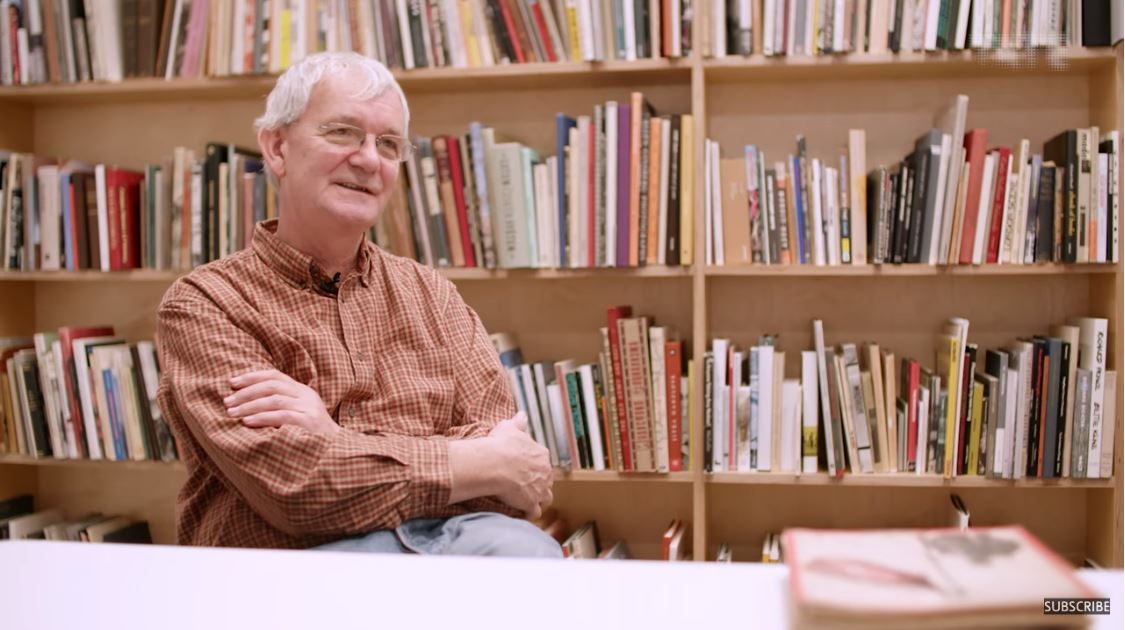
Some of the biggest challenges are faced by individuals who choose to venture into photography for the first time. There is ample advice, guides, and suggestions, but often, they only distract the person from the basics of the medium. For this reason, any emerging talent must ask themselves one critical question: What makes an image compelling? According to documentary photographer Martin Parr, this one fundamental query is essential in helping anyone go a long way in the medium. If you are wondering how this article is the best thing you’ll read today.
Parr is one the most original thinkers of our time, and his images are brimming with humor and peculiarity. His vivacious, hyper-realistic, and colorful photographs reveal his unique perspective, portraying his ability to see the most unique narratives in the most mundane settings. Since he is a master of the craft, Martin Parr shared his ten sacred rules with WePresent for their Manifesto series. Today, we are here to break this down for emerging photographers so that they can best hone their craft.
Look And Learn From Other Photographers
One way to understand the medium is to look at the works of others. Great masters such as Julia Margaret Camron, Richard Avadon, Steve McCurry, Tina Modotti, and Gordon Parks have each shaped the medium we know today. So, when you spend hours learning and assessing their frames, you train your eyes and mind to pick up nuances in the scenes you see.
Identify What Makes You Like Their Images
Now that you have figured out photographers whose work you enjoy, it’s time to introspect. What is it in their photographs that resonates with you? Is it the choice of the subject or the light, or is it the way the picture has been composed? Remember, appreciation of art is always helpful in evaluating your and others’ works.
Find a Subject You Feel Strongly About
For Martin Parr, the British and their idiosyncrasies drove him to photograph them. For you, it could be anything under the sun. When you choose a subject, you must consider what interests you and whether it is really the story you wish to narrate. Photographing the same subject continuously in documentary projects can lead to feeling saturated. Therefore, you need to find something that will keep your interest alive during the long hours of shoot.

Select The Images You Like And Understand Why They Are Interesting
This may require a lot of reflection on your part. Once you have completed your personal assignment, it is now a matter of making selections. Let’s say you have chosen ten images from your entire collection. Sit down with them and consider what makes them unique. Is it the subject, the moment, or the lens that made the image interesting? Make sure to consider whether the images you selected effectively convey your intended story.
Do More Like That
Upon the competition of the first stage comes the next: determination and persistence. For a photographer to excel, they must invest 10,000 hours in image-making. Only then you will be the best. Return to the same location or person, look for more nuances, and photograph them. Eugene Atget spent his entire life photographing the streets of Paris, whereas Nan Goldin immortalized the quiet moments within her friend circle. It is their consistent effort that made them who they are.
Keep Shooting More Images
A follow-up to the above-mentioned point. One thing any photographer does is that they never stop making images. If you love photography, then you will naturally find yourself making photographs in almost any setting. It is more of a reflex. Sometimes, it comes intuitively; sometimes, you must train yourself. But be at it. If you think this subject could make an interesting part of the series, just capture it. Don’t ever hesitate to take more pictures.

Acknowledge You Will Mainly Take Failures
The first few thousand images you capture are your worst. Trust me on this one because I have been there. In the first two to three years of my career, I may have photographed a handful of scenes or subjects with a story worth telling. Just like any other art form, you won’t make a masterpiece on your first attempt. So accept that, and don’t be too harsh on yourself. It’s a learning curve. The best part about failures is knowing where you went wrong; the next time, you can try something different. It is better to fail than to never try again.
Get Excited by What You Have Discovered
Often, we forget to be happy or share the joy of our discoveries. That’s the cynical nature of being so focused on achieving the best that you begin to overlook the little things that helped you get there in the first place. Photography is about understanding the wonders of the world. So, you must appreciate the moments or things you have never seen. Be like a child. They are the ones who relish every minuscule new object and subject that comes their way. You will find peace, which is the fundamental point of becoming a skilled photographer.
Don’t Wish You Could Be a Famous Photographer
As our Editor-in-Chief, Chris Gampat, often says, comparison is a theft of joy. Similarly, if your goal is to be famous, then you are fighting a losing battle. Becoming prominent because you are good versus hoping to become recognized because you think you are exemplary are two different things. Most famous names in the industry are popular because of their love for the craft. The recognition and accolades are the aftermath of the years of practice and perfecting their photography. So, instead of wishing for instant fame, you should focus on the pleasure photography brings you. If you approach your work with this intention, then nobody can stop you.
If You Do, You Will Fail—Wrong Priorities
Last but not least, priorities are on Martin Parr’s list. If you become famous, your chances of failing are simply increases. The reason is that you will create work to appease the viewers rather than to challenge them. Their preference may influence your judgment of what may work best for your story. And that’s just the tip of the iceberg. There will be disappointment, guilt, and a sense of personal failure because you must keep up the facade for others. Where does that leave you and your art?
The more one thinks about it, the more one realizes that photography is the easy part. But keeping that passion and dedication running, despite the odds, is the hardest.
Get rid of the ads!
Did you enjoy reading this article as much as we enjoyed writing it? There's a way to support us and our reporting, getting ad-free navigation and more as a bonus. Subscribe to us for less than a coffee per month —just $3.99— or take advantage of our yearly subscription with a hefty discount for only $25.- An ad-free experience
- A free mystery box for Lightroom or Capture One
- All the books in our store
- 20% discount on Capture One
- 30% discount on Imalume Photo Theft Protection
- 20% off Herbs and Kettle Tea Company.
- 20% off your order from MPIX printing services.
- 5% off Viltrox Products via their eCommerce store.
- 10% off all film developing, printing and scanning services from Blue Moon Camera and Machine
- 15% off 7Artisans products: The lens and accessory maker is offering a sweet discount for Phoblographer's readers.
- 15% off a VSCO One subscription: Get a bunch of great tools with their all-in-one package.