This Week in Photography History: Fujifilm Was Founded (1934)

by Chris Gampat on 01/25/2013

Chris Gampat The Phoblographer Fujifilm X Pro 1 35mm f1.4 X Series lens review (7 of 7)ISO 1600

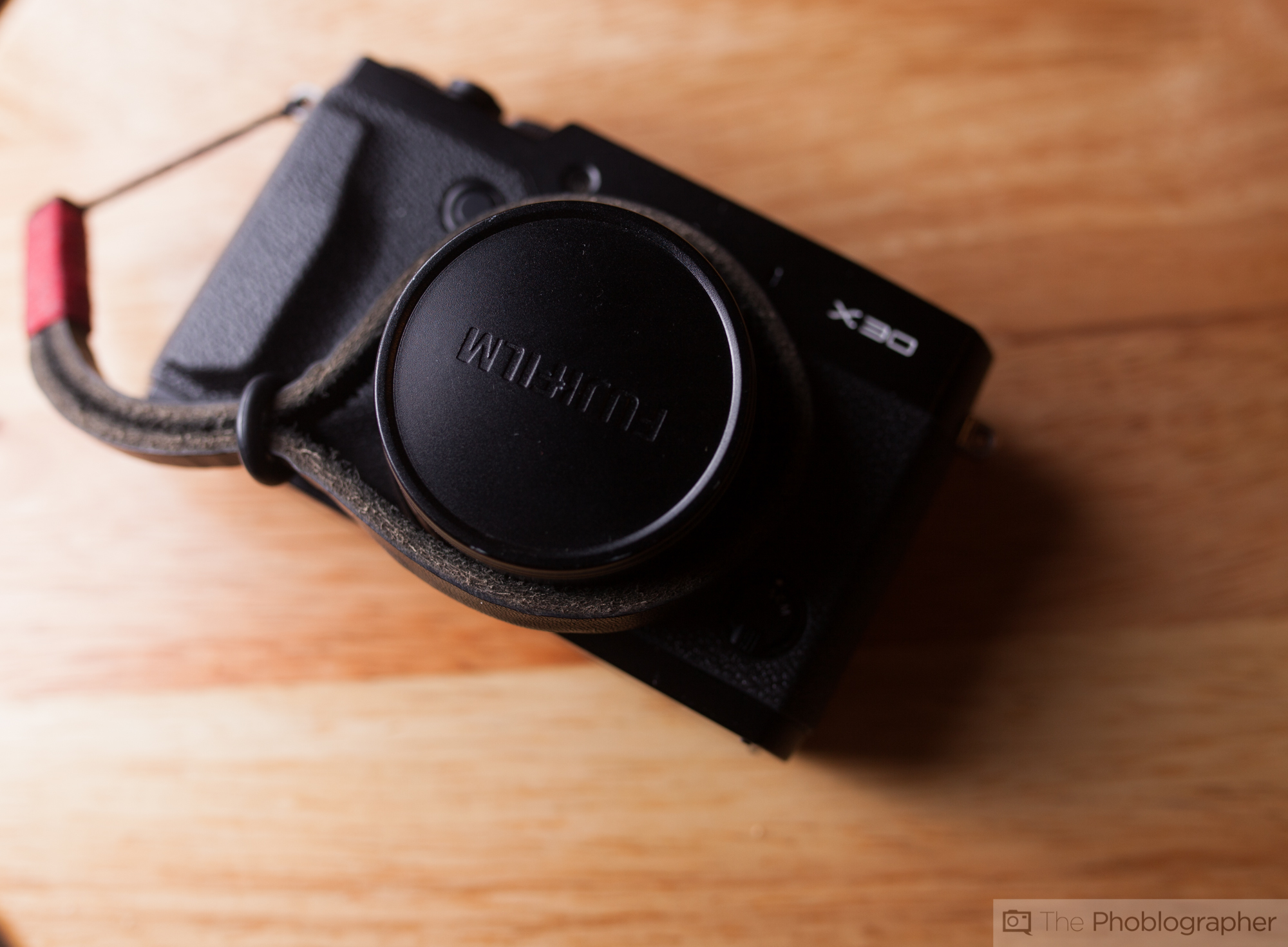
Fujifilm, the company that we currently are all smitten with for their lovely X series cameras, was founded this week on January 20th, 1934. But they’re known for a ton more than this. Previously in the digital age, they had one heck of a killer camera: the S5 Pro–which for many years dominated the charts in terms of dynamic range capabilities. And of course, who can forget their impressive lineup of films in the form of Velvia, Astia (a personal favorite), Neopan, and their Pro films. But there’s a lot more to the company than just this–Fujifilm has enjoyed a ride on the boat that mostly hasn’t been rocked very much. However in the past couple of years since 2004, dozens of changes have been happening at a rate seemingly faster than the company has ever moved at.


Full-Fujifilm-contact-Sheet

Fuji Photo Film Co. was originally founded in order to be the first producer of photographic films in Japan. The films were for photography, cinema and the medical business (1936)–and Fujifilm has quite a history with the medical business. We earlier today wrote about a photographer shooting with Fujifilm’s X-Ray film in NYC. But after even more growth, the company expanded into optics. I’ve been told that modern Hasselblad lenses have Fujinon glass in them; and their current line of X series lenses are amongst the sharpest I’ve used.

In 1948, Fujifilm began to produce still cameras. Some of the most famous Fujifilm film cameras are their medium format rangefinders. Their first one was the Fujica G690. According to Japan Camera Hunter, “It was developed to fill a gap in the market, where professionals needed the speed of a 35mm in larger format. The Fuji filled the gap perfectly and sealed the reputation for Fujifilm. The notable thing about this camera is that it was one of the few Fuji rangefinders that had an interchangeable lens system, later cameras came with fixed lenses. These cameras have become harder to find in the last few years as they are getting on in age and the professionals were not all that kind to them, you can expect to pay around 80,000 yen for a clean Fujica G690 with lens. For a late model Fuji GW690III with low shutter actuations you can pay around 70,000 yen. These cameras can be a bit sensitive and it is worth trying to find one that has not been shot all that much.”

Nonetheless, if you’ve ever heard of the term, “Texas Leica” then you’re talking about a specific Fujifilm rangefinder–usually the GW690III.

fujifilm_superia_iso400_01

Fujifilm decided to expand their business and so they landed on New York’s shores in December 1965. The next year, the expansion continued with Fuji Film Photo B.V. taking a foothold in the Netherlands. Surely, with homebases everywhere, this company was aiming for rapid domination. And with the expansions, the innovation continued as well: in 1978 the company started to produce high speed photographic films.

The company signed on to become one of the biggest sponsors of the 1984 Los Angeles Olympics (which Kodak passed on). This event combined with offering cheaper camera film and establishing a film factory in the United States, while its rival has trouble penetrating the Japanese market.

Things became extremely heated too. In May 1995, Kodak filed a petition with the US Commerce Department under section 301 of the Commerce Act arguing that its poor performance in the Japanese market was due to Fujifilm’s business practices. On January 30, 1998, the WTO announced a “sweeping rejection of Kodak’s complaints” about the film market in Japan.

The company had a very long running rivalry with Kodak and as we see today, Fujifilm has come out on top. And after 2004, the company started purchasing others and rapidly expanding at an even more furious pace. It was during this time that Fujifilm started to blossom in the medical industry and expanded way beyond X Ray machines, film, and optics for the industry.

Before this, this company’s history is fairly laid back with them simply focusing on selling and manufacturing film. Obviously the changing times has forced the company to innovate even more.

Chris Gampat The Phoblographer Fujifilm x100 28mm review photos hands on (2 of 22)ISO 200

But even now, Fujifilm cannot escape the dwindling film sales. Despite how much it was loved, Fujifilm discontinued Reala amongst other films such as some of their legendary Velvia films. It was sad day when that announcement came.

The company was also a bit of a laughing stock for years in the digital world. Their EXR sensors (their Super CCD wasn’t so memorable) did a great job in the point and shoot market, but it wasn’t until the announcement of the X100 did they suddenly become the apple of everyone’s eyes again.

Today, the company continues to grow and currently holds the #5 spot in America for overall camera share.

Sources:

- Japan Camera Hunter

- Wikipedia

- Fujifilm Innovation Timeline

- Fujifilm Corporate History Timeline

Please Support The Phoblographer

We love to bring you guys the latest and greatest news and gear related stuff. However, we can’t keep doing that unless we have your continued support. If you would like to purchase any of the items mentioned, please do so by clicking our links first and then purchasing the items as we then get a small portion of the sale to help run the website.

Also, please follow us on FacebookFlickr and Twitter.

  • PeFClic

    The S5 Pro is an outstanding camera and uses a Super CCD.

  • http://www.corporatephotographylondon.com/ Corporate photographer

    i loved using fujifilm- great colours and I used to push it a couple of stops when processing and it became even more intense in its range of colours

  • Pingback: Remains of the Day | Fuji Rumors

  • Renato S.

    Any brand that has a Japanese rival in Japan will have trouble penetrating Japanese market. It’s a very simple and cultural fact, they embrace their industries and they are very proud people. It’s not just Kodak, look at the Xbox from Microsoft, even Apple had their share of issue increasing their market share in Japan.

Previous post:

Next post: