

Last Updated on 11/15/2011 by Chris Gampat
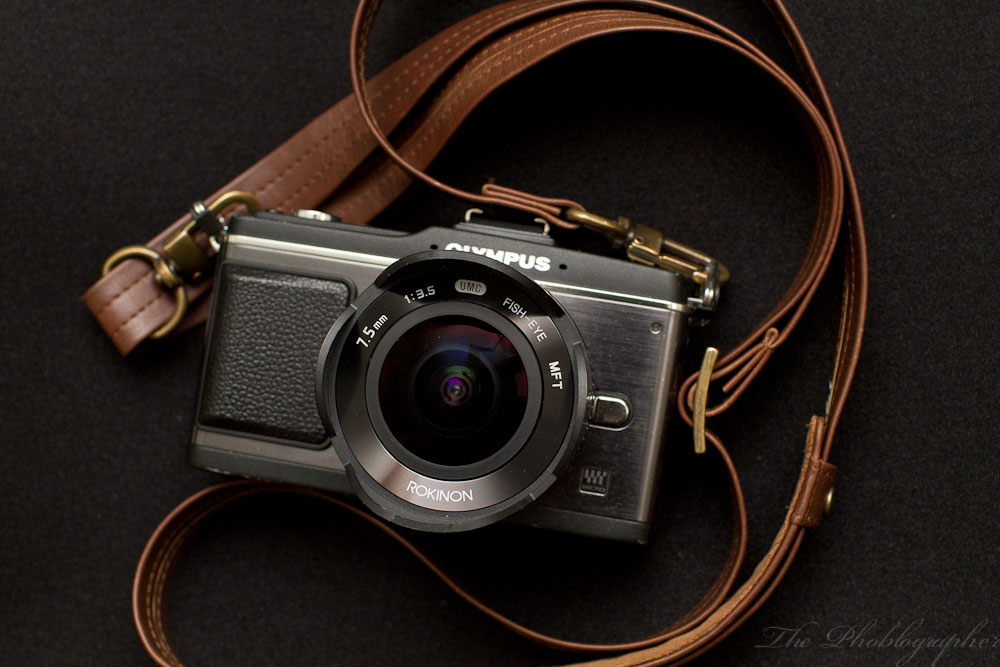
Rokinon is a lens maker that has received a lot of interest as of late, especially with their 85mm f1.4. Though they are the same lenses as Samyang and a couple of other brands, that should not discount the quality of these lenses. The all manual lenses are characterized by a design that harkens back to the old ways of how lenses were built and does so at an affordable price point. According to Rokinon on Facebook, the price will be around $299.00. So does that mean that their first lens for the Micro Four Thirds system performs admirably as well?
Update: B&H Photo now carries them.
Tech Specs
This information was borrowed from DxOMark for the Samyang version.
| Aperture | f/3.5 |
| Focal range (mm) | 8 |
| Filter diameter (mm) | |
| Max diameter (mm) | 60 |
| Mount type | Micro 4/3 |
| Stabilization | No |
| AF Motor | No |
| Zoom type | |
| Rotating front element | No |
| Tripod mount | No |
| Color | Black or silver |
| Full-Time manual focus | |
| Number of lenses | 9 |
| Number of groups | 7 |
| Diaphragm blades | 6 |
| Circular aperture | No |
| Length (mm) | 48.3 |
| Weight (gr) | 197 |
Video Demonstration
Here’s a demo video of the lens that we did on our Facebook wall.
Ergonomics
In the hand, the Rokinon 7.5mm is quite small though not uncomfortably so. When placed on the camera, it feels very balanced. In fact, it feels exactly what many Micro Four Thirds lenses should feel like.
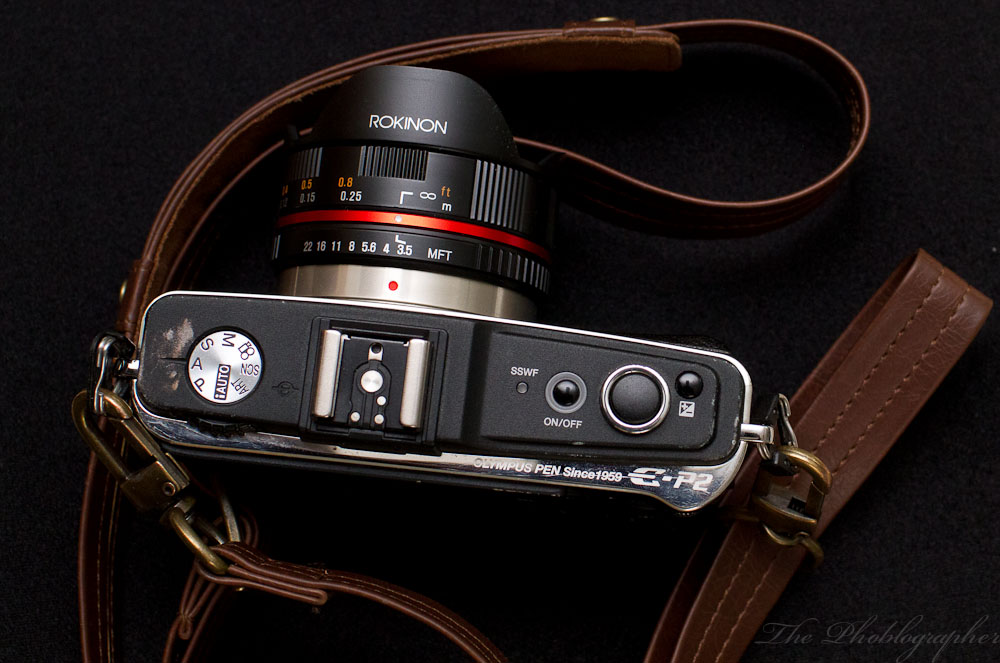
The lens is characterized by a large focusing ring that is smooth and feels great to turn. It isn’t as loose as the Olympus 12mm f2’s, but instead feels much like a Zeiss. If I had to liken it to something else, it would be the SLRMagic 26mm f1.4 and 11mm f1.4.
Behind the focusing ring is a small aperture dial that clicks just like the old lenses. It’s nice to use it though most of the time I’ve kept it wide open at f3.5.
One of the major drawbacks of this lens is the fact that there is no depth of field scale somewhere on here. I really wish there would have been. A big reason for this is because focusing out to infinity won’t necessarily give you sharp images when your subject is around three feet away from you. Instead, something that is around seven feet away will be in focus instead.
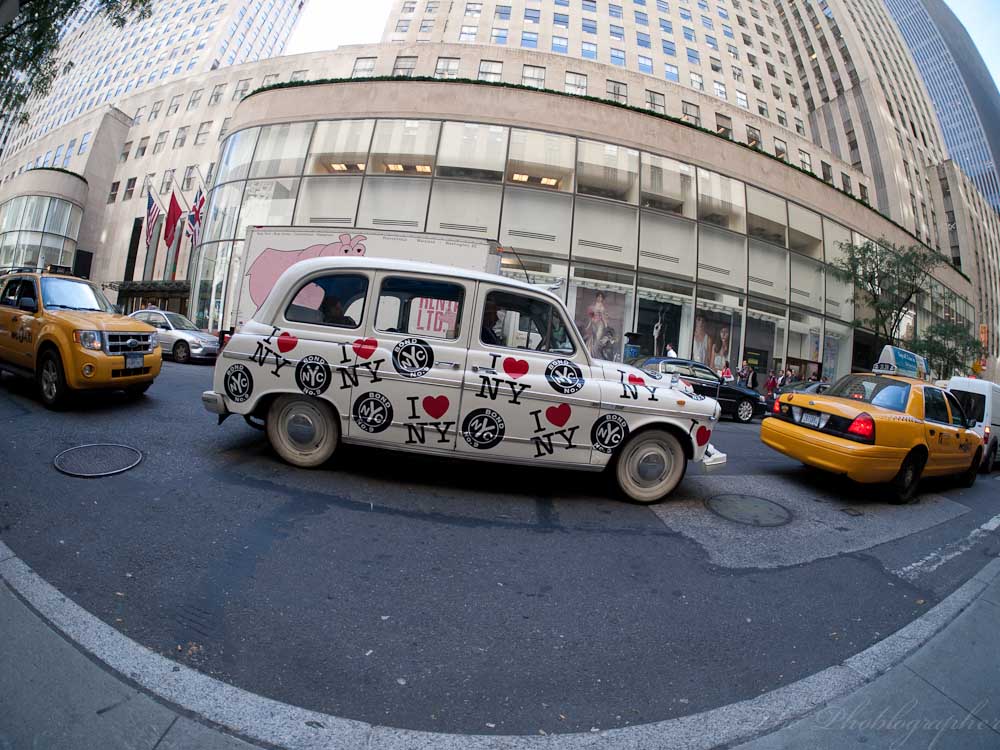
If you embrace the Henri Cartier Bresson statement that sharpness is overrated, then you’ll be fine: especially for street photography when focusing out to infinity the entire time. Landscape photographers will also embrace this, though their subject matter will usually be in focus.
That doesn’t mean that the lens isn’t sharp when it is in focus though; it is actually very sharp.
Focusing

Focusing is done by manually turning the focusing dial. It is smooth, but doesn’t prevent you from making quick changes to the focusing when you need to. If you’re trying to take a photo of a dog up close and personal, just try to track their movement as they come closer to the lens. I tried to do so, and it felt a little bit difficult to follow the little pup as it moved back and forth.

In Use

Like any fisheye lens, you’ll need to remember that it is super wide. With that said, be careful where you point it, you may just end up in the shot yourself.
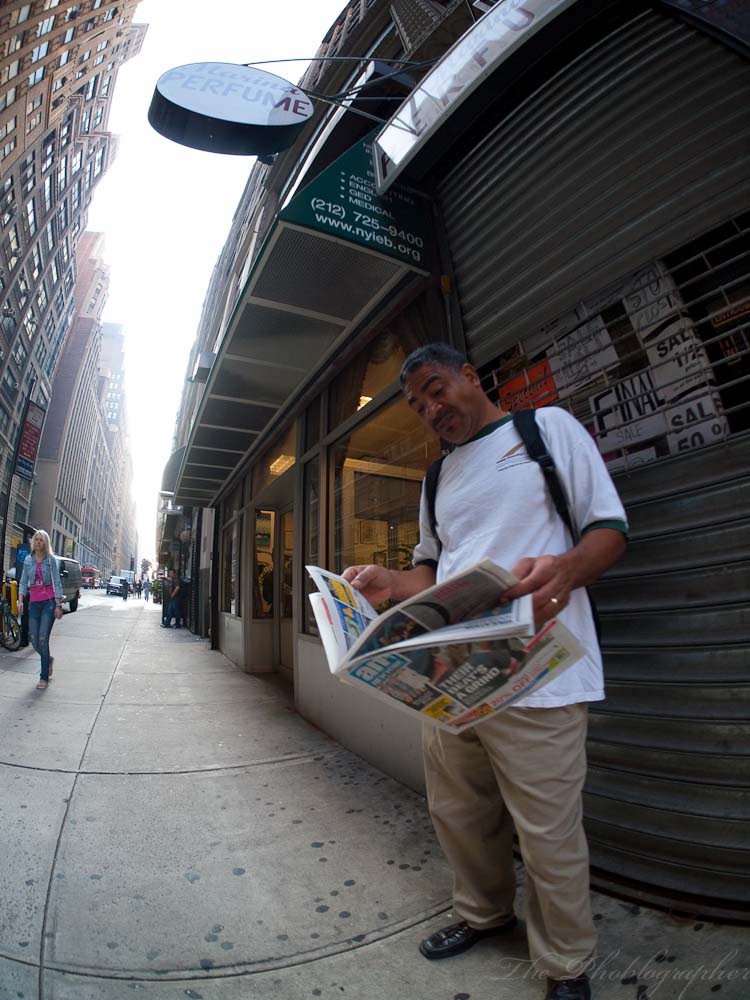
Using this lens for street photography with Micro Four Thirds cameras can be quite interesting because of the nature of how the image will be rendered. You’ll often need to remember that things will bulge or that lines will never be perfect…as should be said with any fisheye lens.
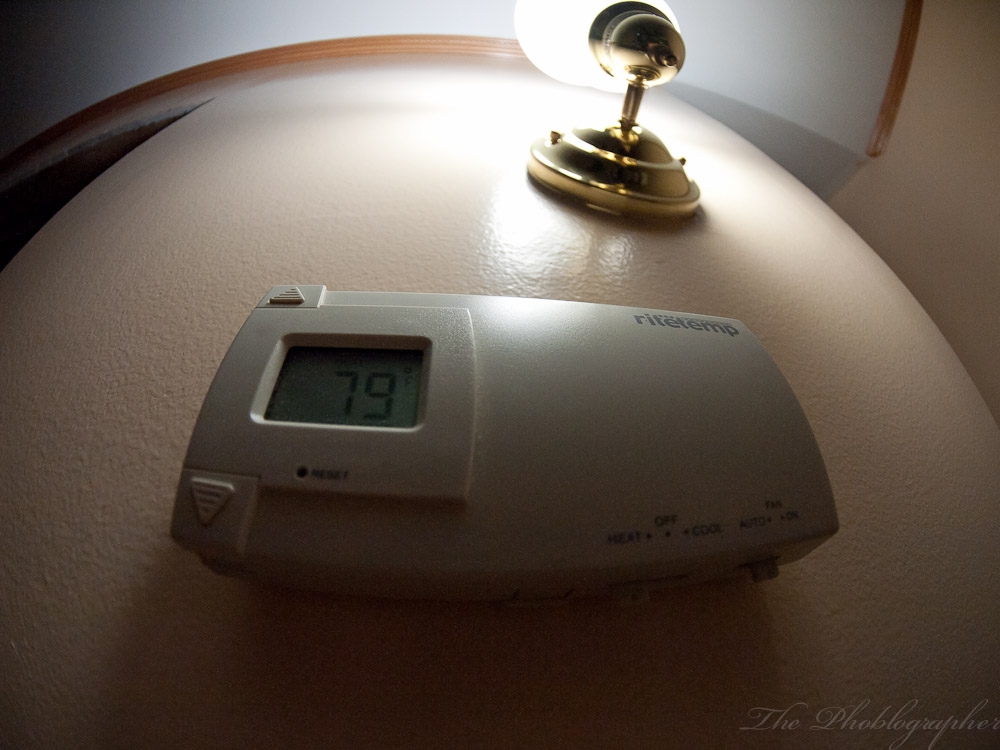
The focusing scale is very accurate, but I really wish that there was a depth of field scale of some sort to help with knowing how much will be in focus at each distance. Once again, this is perhaps the lens’ biggest flaw.
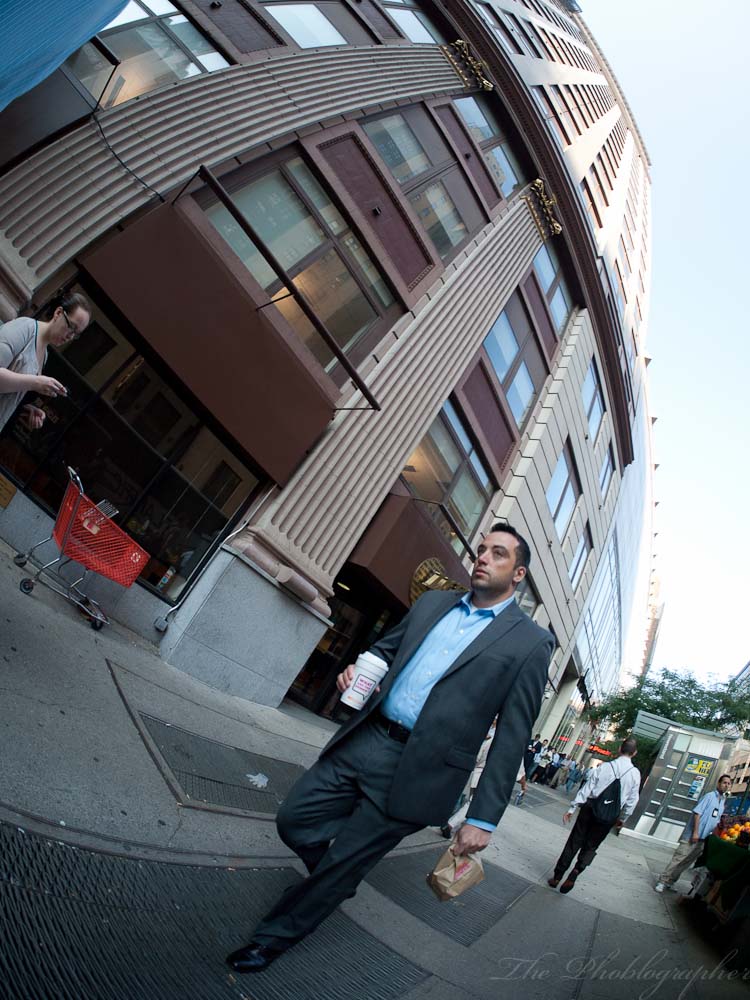
This also hurts when shooting out to infinity. I thought that the man closest to me would be in perfect focus, but instead the building was. With that said though, he isn’t terribly out of focus either.

Because of the f3.5 aperture, you’ll also need to consider raising the ISOs in lower light situations. The above photo was shot around 7:40PM in NYC.
Lastly, there really is no point in using an electronic viewfinder when using this lens. You just won’t get the same experience as when you look through an LCD screen.
Image Quality
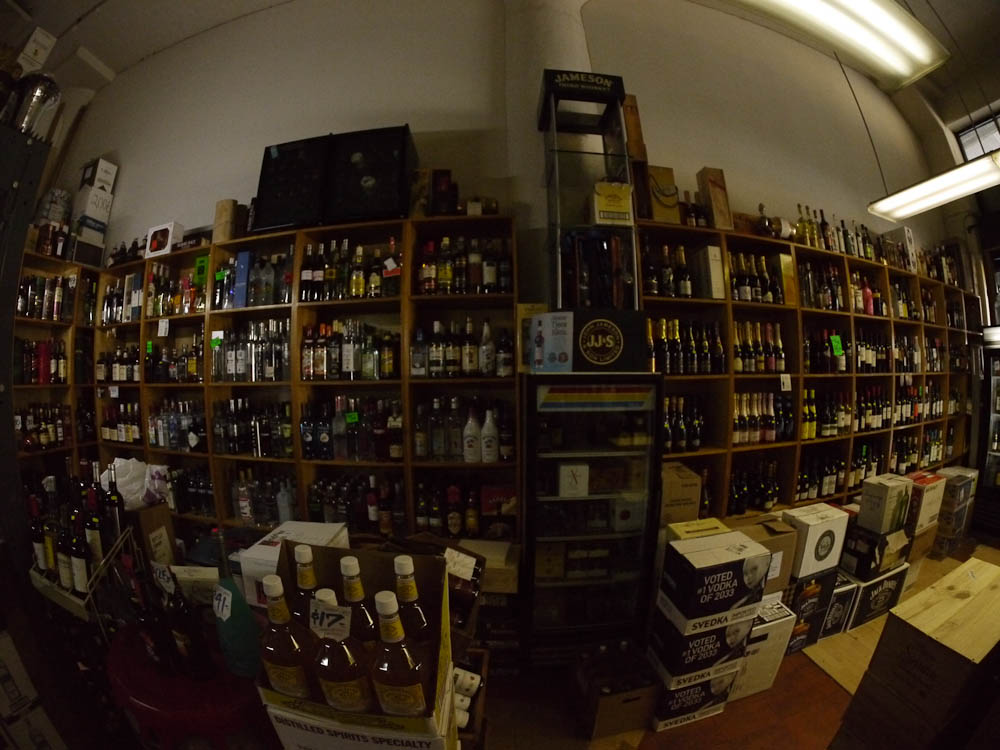
What’s nice about the fisheye is that the overall color rendering, sharpness, and image quality are very good. This is all done at an affordable price, but the trade-off is that you’ll need to manually focus. If you don’t mind that, then more power to you.
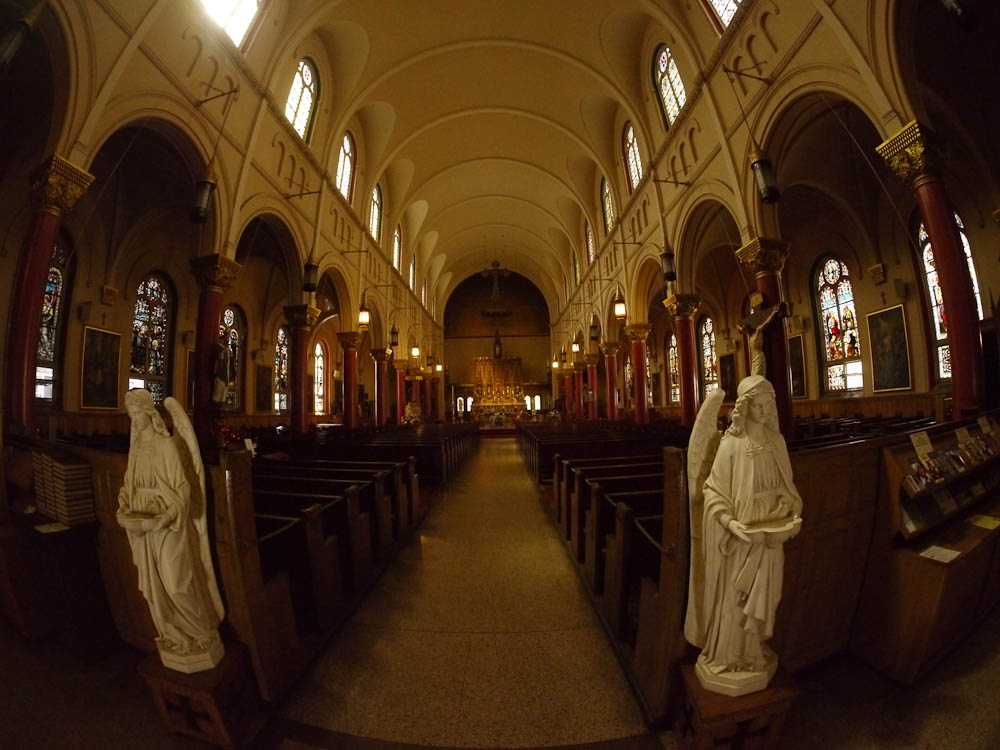
When shooting interiors and wider locations, you’ll definitely be able to get some awesome perspectives with this lens due to how wide it is. Color capturing for this lens is also very accurate. It doesn’t suffer from the Olympus Blue syndrome, where the camera tends to render everything closer to the cooler side of the spectrum. This is a blessing for those with older cameras.
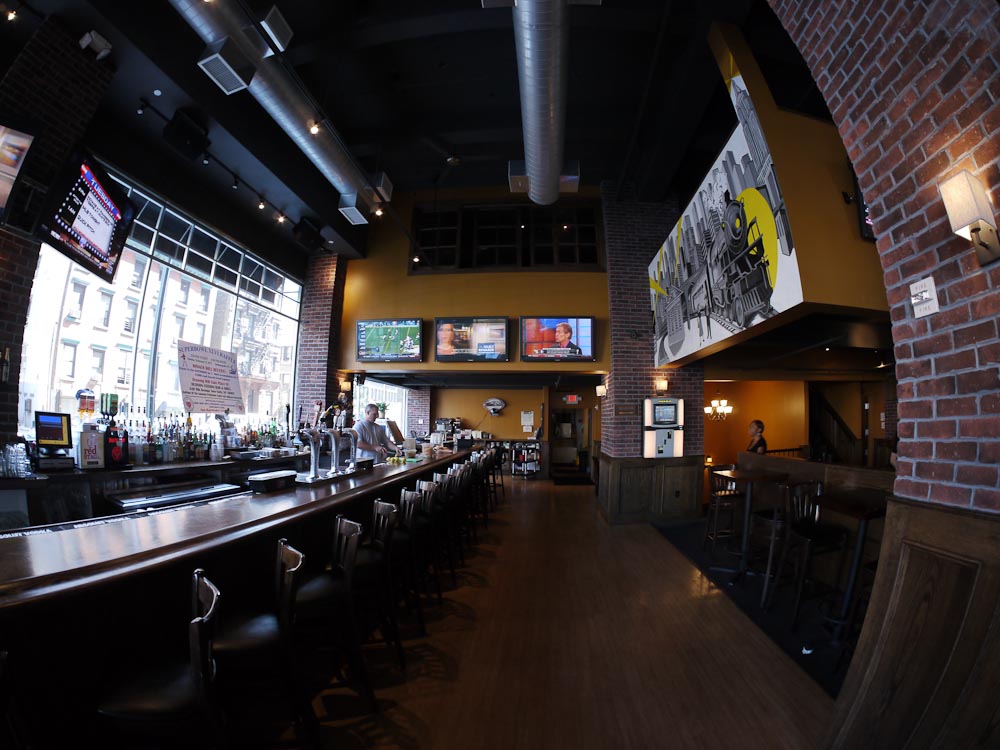
This lens experiences little to no vignetting. In fact, any that is there is so subtle that I don’t even notice it.

One of the best ways to use this lens it to shoot from the hip and not look through the viewfinder, such as the VF3, or on the LCD screen at all. The reason for this is because everything is mostly in focus or within the lens’s field of view, so what you’ll really need to figure out is framing. However, because so much of the scene is captured you can also try to figure that out later.
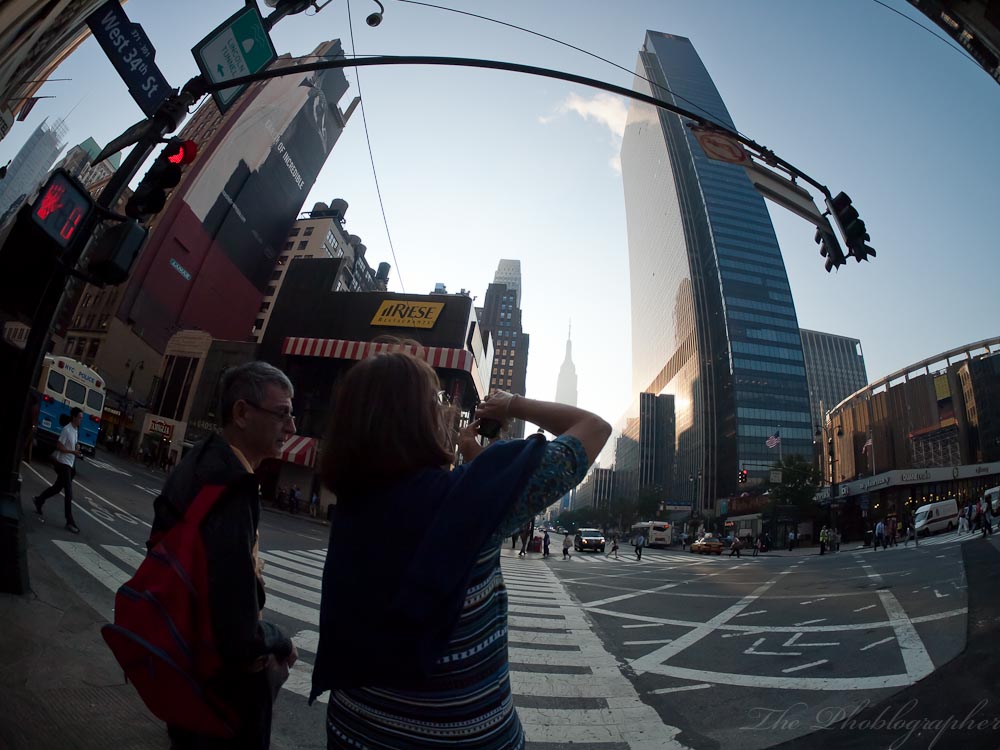
One of the most amazing features of this lens is the fact that there is no purple or color fringing. Scanning the scenes that I shot, I wasn’t able to find any at all which can’t be said for some more costly lenses.
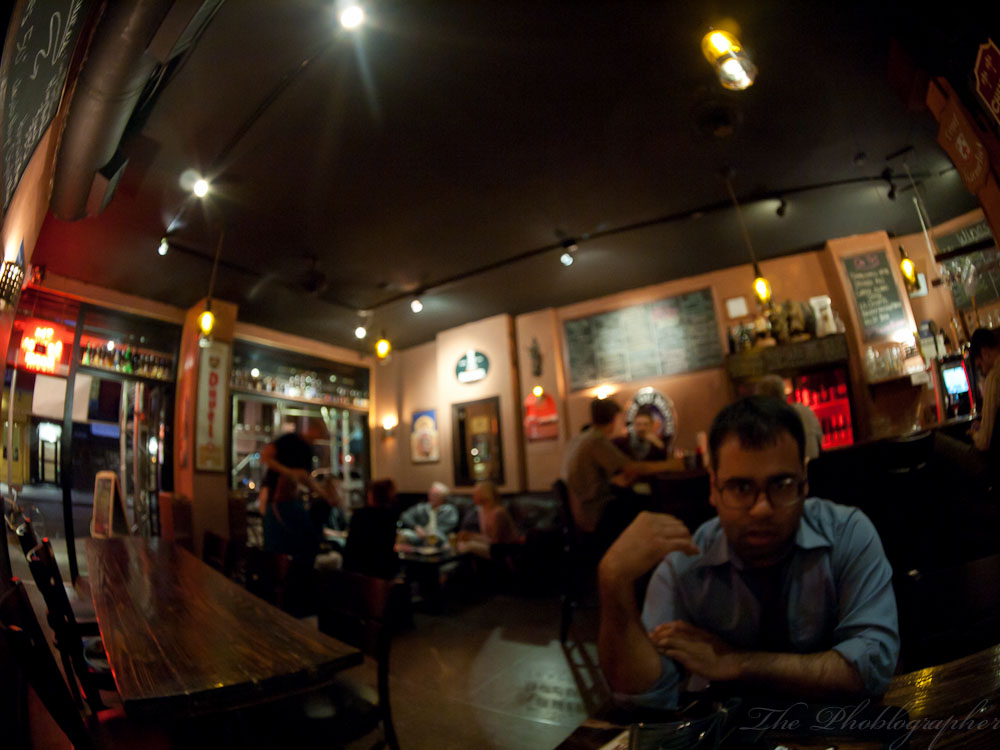
Because of the nature and effective focal length of this lens (15mm) you can shoot at a very slow shutter speed and still attain relatively sharp images. Olympus’s image stabilization system also kicks in to compensate; though I’d recommend dialing the focal length into the camera’s system for the best results.
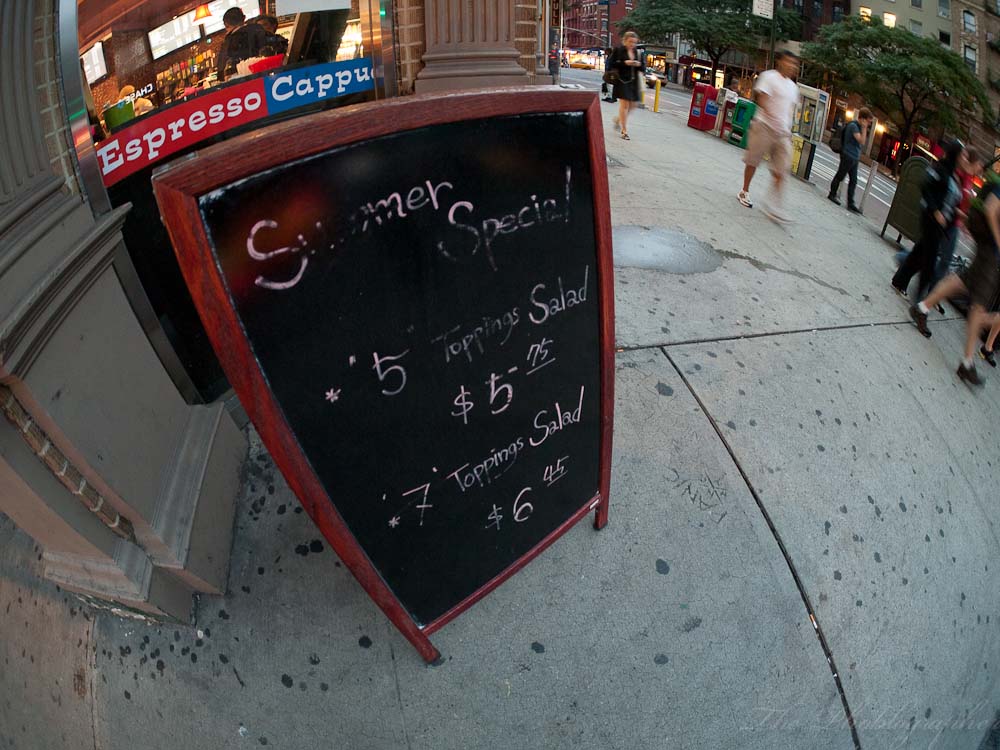
This lens exhibits sharpness that is better than many of the native Micro Four Thirds lenses. In fact, I’m extremely impressed with how this lens performs wide open and stopped down. When you get to around f5.6, there really is no need to stop down anymore. Nearly everything will be in focus.
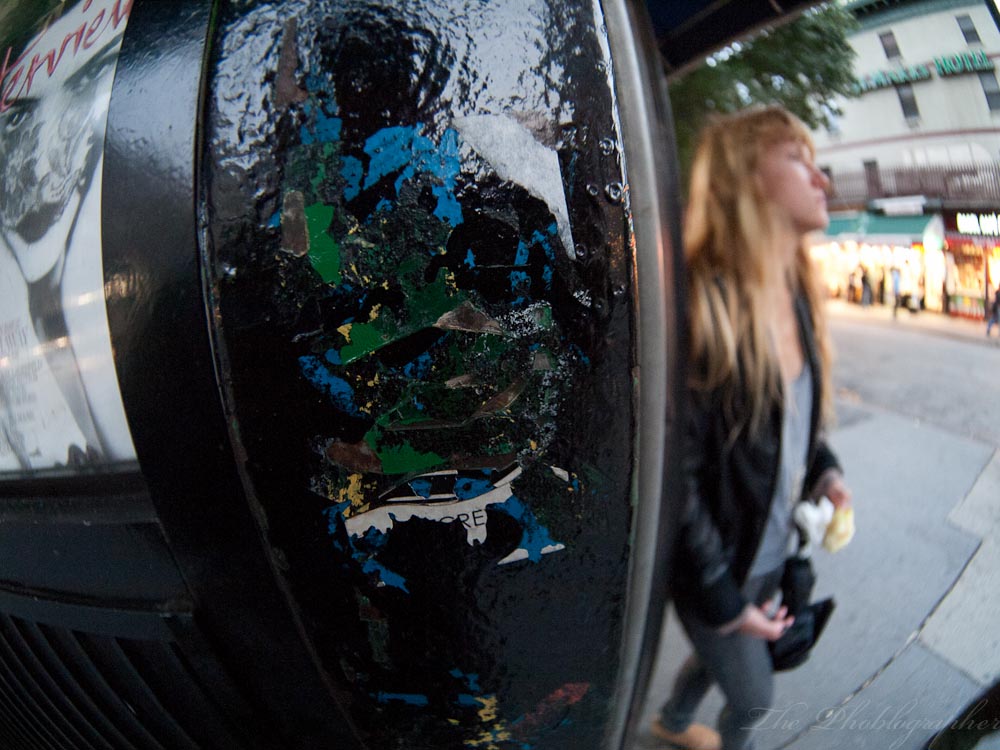
Whatever bokeh this lens does have is really smooth and pleasing. However, I wish that it could be creamier. After working with Leica lenses and Canon L glass amongst some Mamiya and Bronica lenses, you get spoiled after some time.
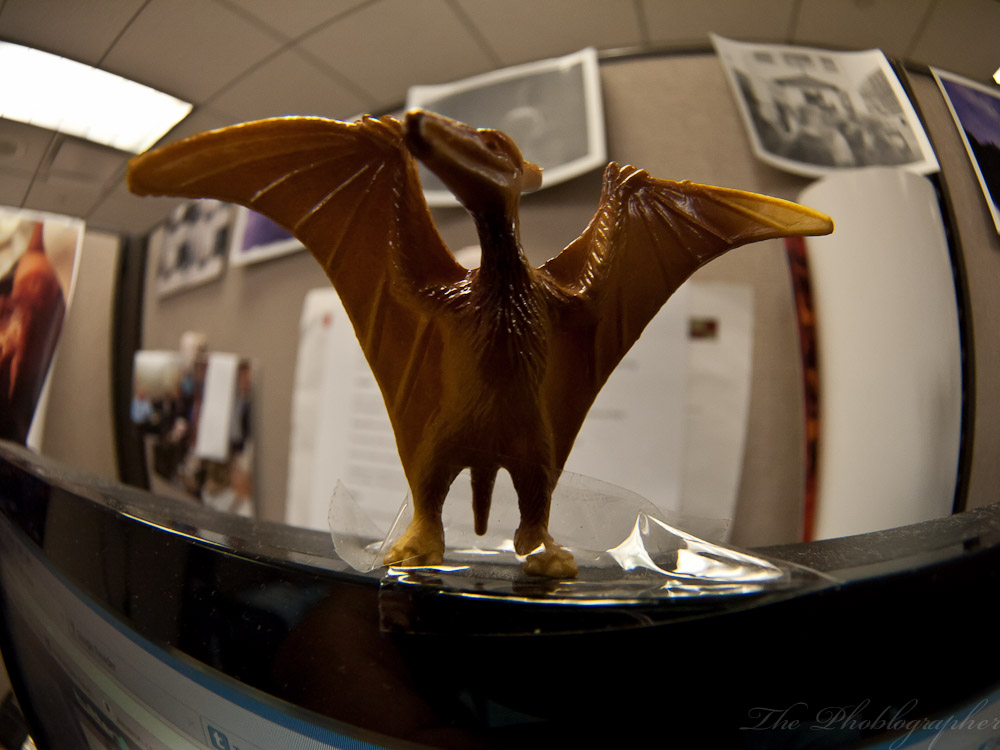
When used creatively (and even in combination with the art filters) this lens can really shine. I recommend using the cross processing filter for Olympus cameras or even the dioarama filter. Mixing the fisheye’s characteristics with the diorama’s tilt-and-shift feature can display interesting effects.
Here’s what I mean:


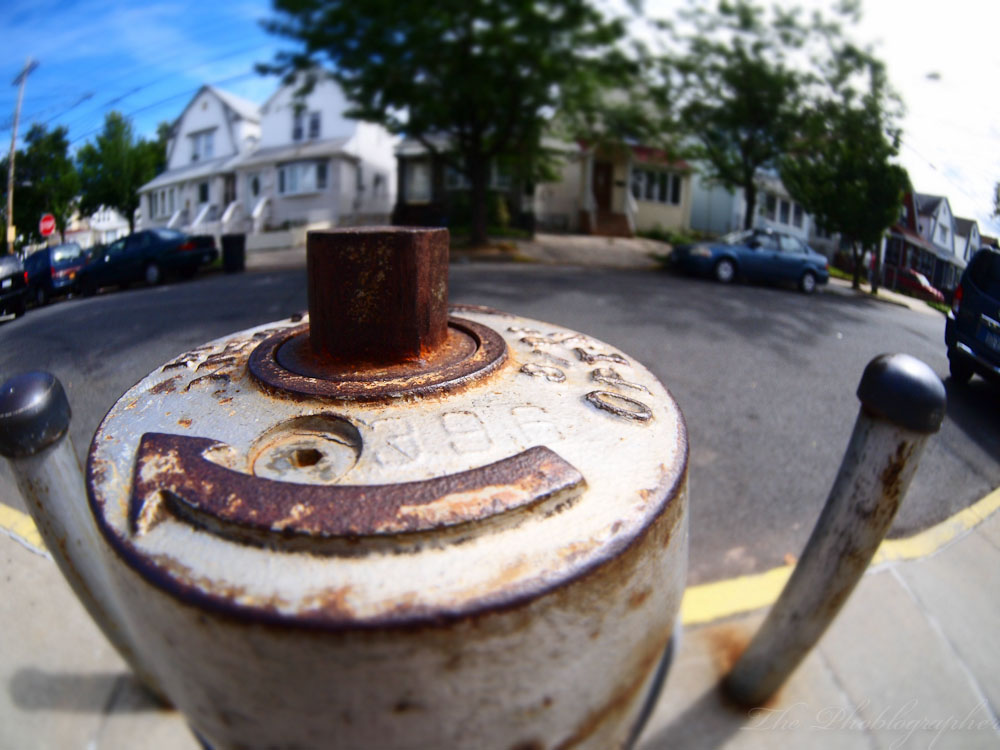
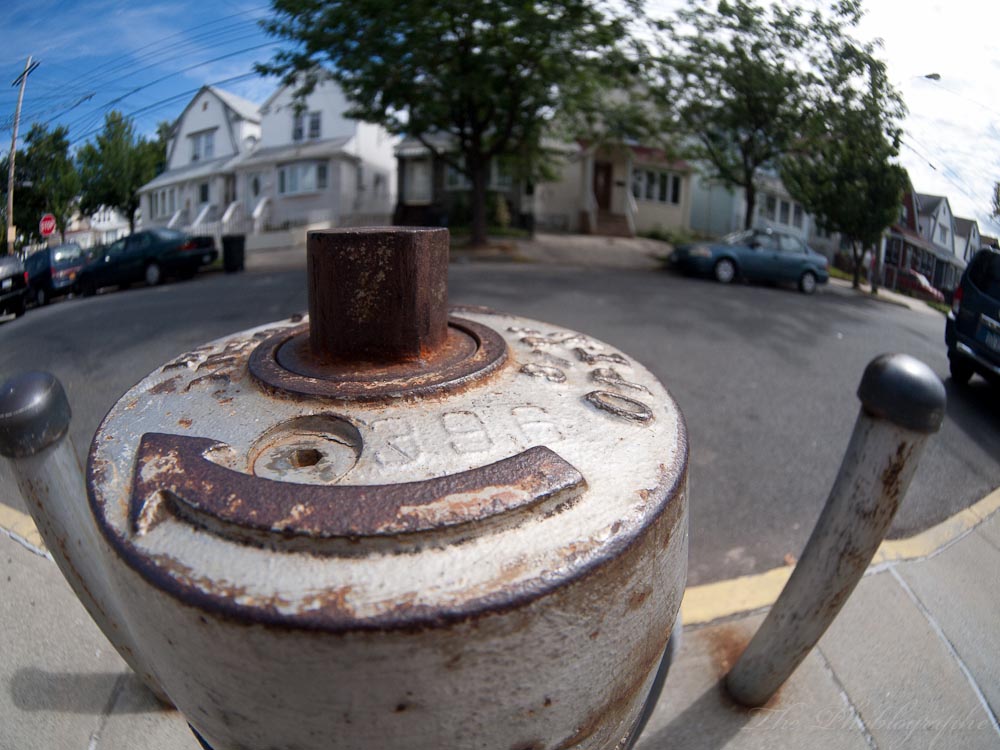



The lens, thankfully, doesn’t seem to throw off the Olympus EP2’s metering. This is amazing because there are no electronics in the mount at all to communicate with the camera. Indeed, you won’t even see a profile for it come up for it in Lightroom 3.
Here are a couple more samples for your viewing pleasure.
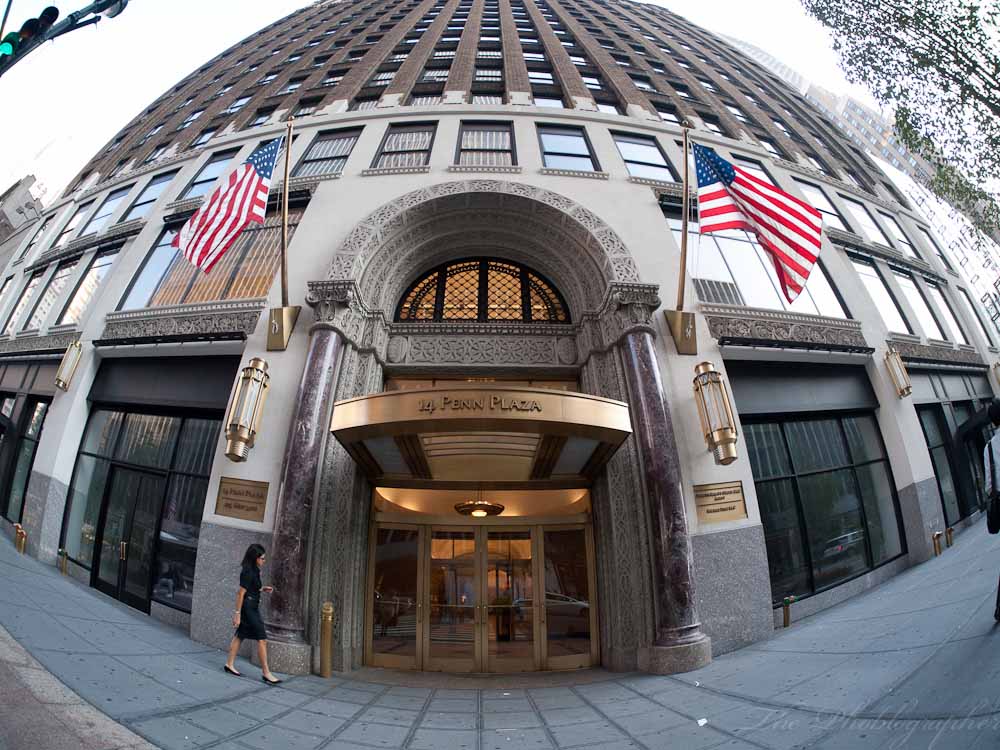


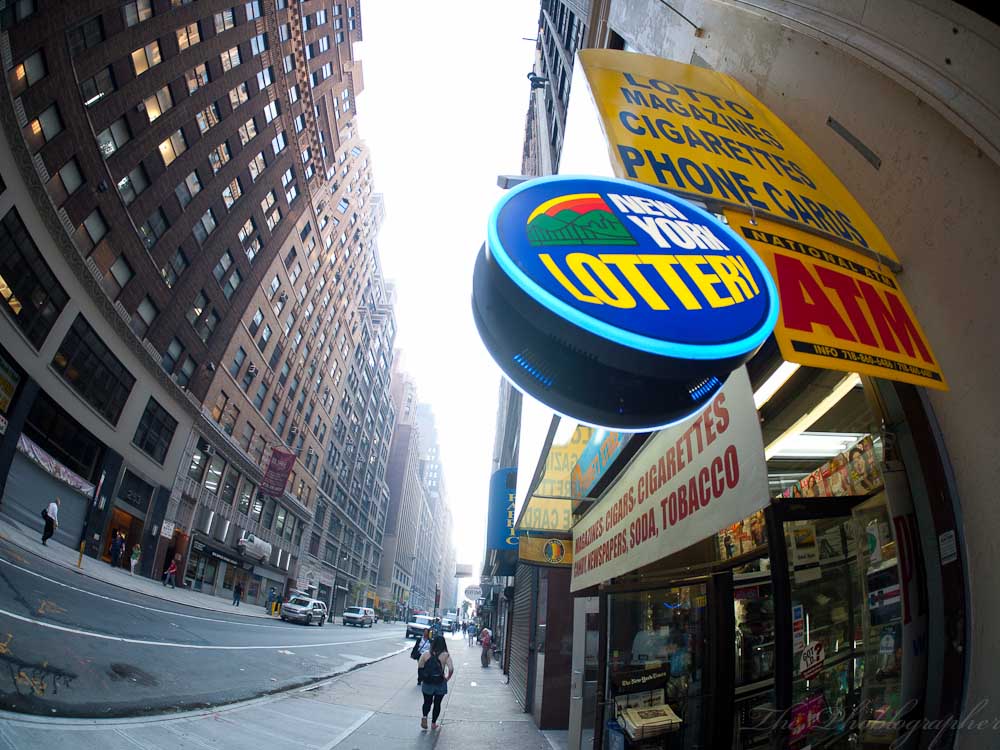
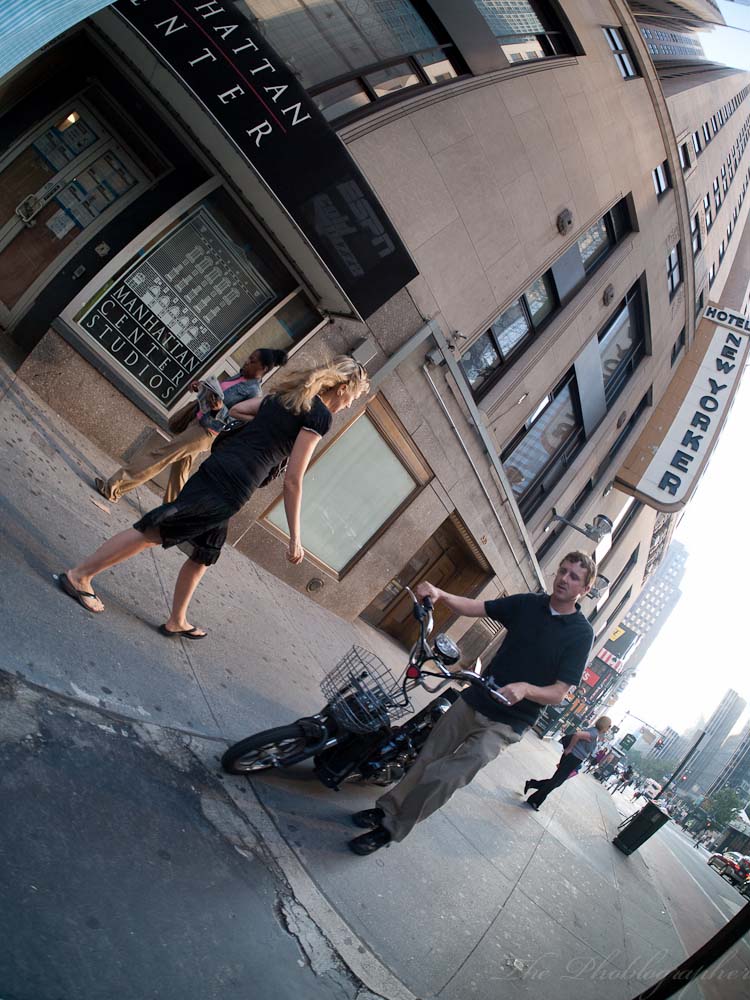
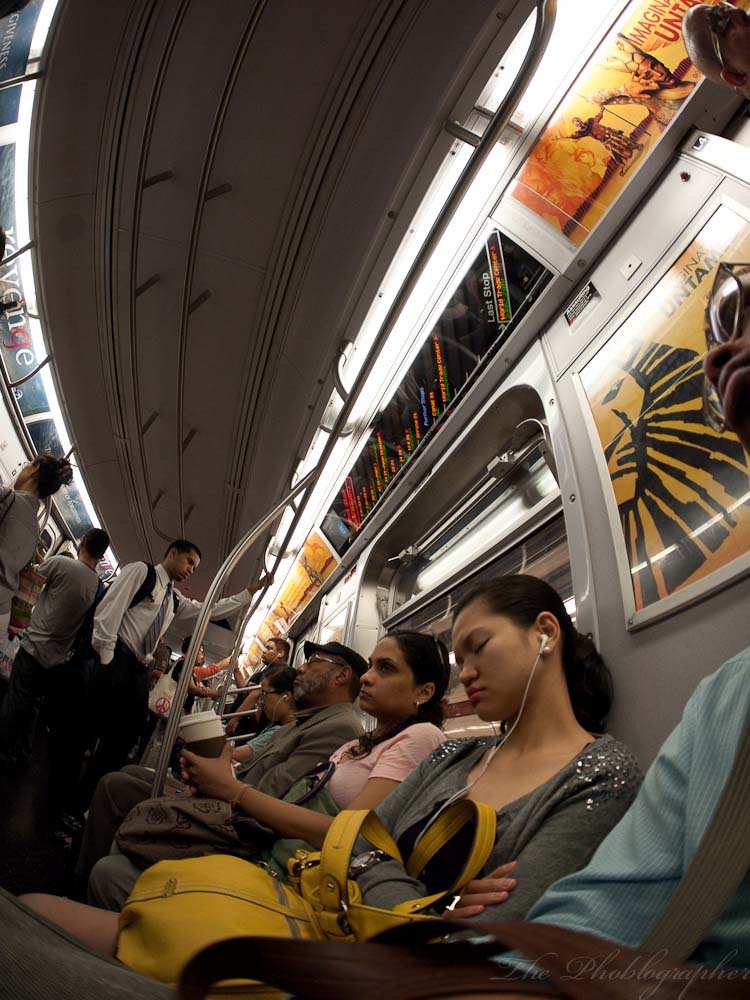
Video Quality
Short Test of Rokinon (Samyang) 7.5mm for m43 from Jurek Ugarow on Vimeo.
This video was shot by Jurek Ugarow, a good friend of mine and co-worker. It was shot on his Panasonic GH2. Indeed, he loved the lens and the video quality is really quite good. Check out the flare he gets from the sun.
Conclusions
Can I recommend the Rokinon 7.5mm f3.5 fisheye lens to everyone? No, simply because it is not a tool that everyone needs or really wants. If you want or need a fisheye lens, then this is an essential for you. However, I want to recommend this lens to everyone simply on the matter that the build quality is something that everyone should experience and that this lens is truly how Micro Four Thirds manual lenses should be created.
The lens exhibits exceptional sharpness, color rendition with no fringing, little to no vignetting, and meters well with the camera. It’s a lens that everyone would ask for. My only problem is that if you’ve got a camera like the Olympus EP3 that focuses super fast with MSC lenses you’re probably not going to use manual glass anyway. With that said, this lens will appeal most to those that don’t have the latest focusing systems in their cameras.
My hope is that Rokinon continues to manufacture great lenses for the Micro Four Thirds line; their first attempt has absolutely impressed me.
You can get yours at B&H Photo.
Please Support The Phoblographer
We love to bring you guys the latest and greatest news and gear related stuff. However, we can’t keep doing that unless we have your continued support. If you would like to purchase any of the items mentioned, please do so by clicking our links first and then purchasing the items as we then get a small portion of the sale to help run the website.
Get rid of the ads!
Did you enjoy reading this article as much as we enjoyed writing it? There's a way to support us and our reporting, getting ad-free navigation and more as a bonus. Subscribe to us for less than a coffee per month —just $3.99— or take advantage of our yearly subscription with a hefty discount for only $25.- An ad-free experience
- A free mystery box for Lightroom or Capture One
- All the books in our store
- 20% discount on Capture One
- 30% discount on Imalume Photo Theft Protection
- 20% off Herbs and Kettle Tea Company.
- 20% off your order from MPIX printing services.
- 5% off Viltrox Products via their eCommerce store.
- 10% off all film developing, printing and scanning services from Blue Moon Camera and Machine
- 15% off 7Artisans products: The lens and accessory maker is offering a sweet discount for Phoblographer's readers.