

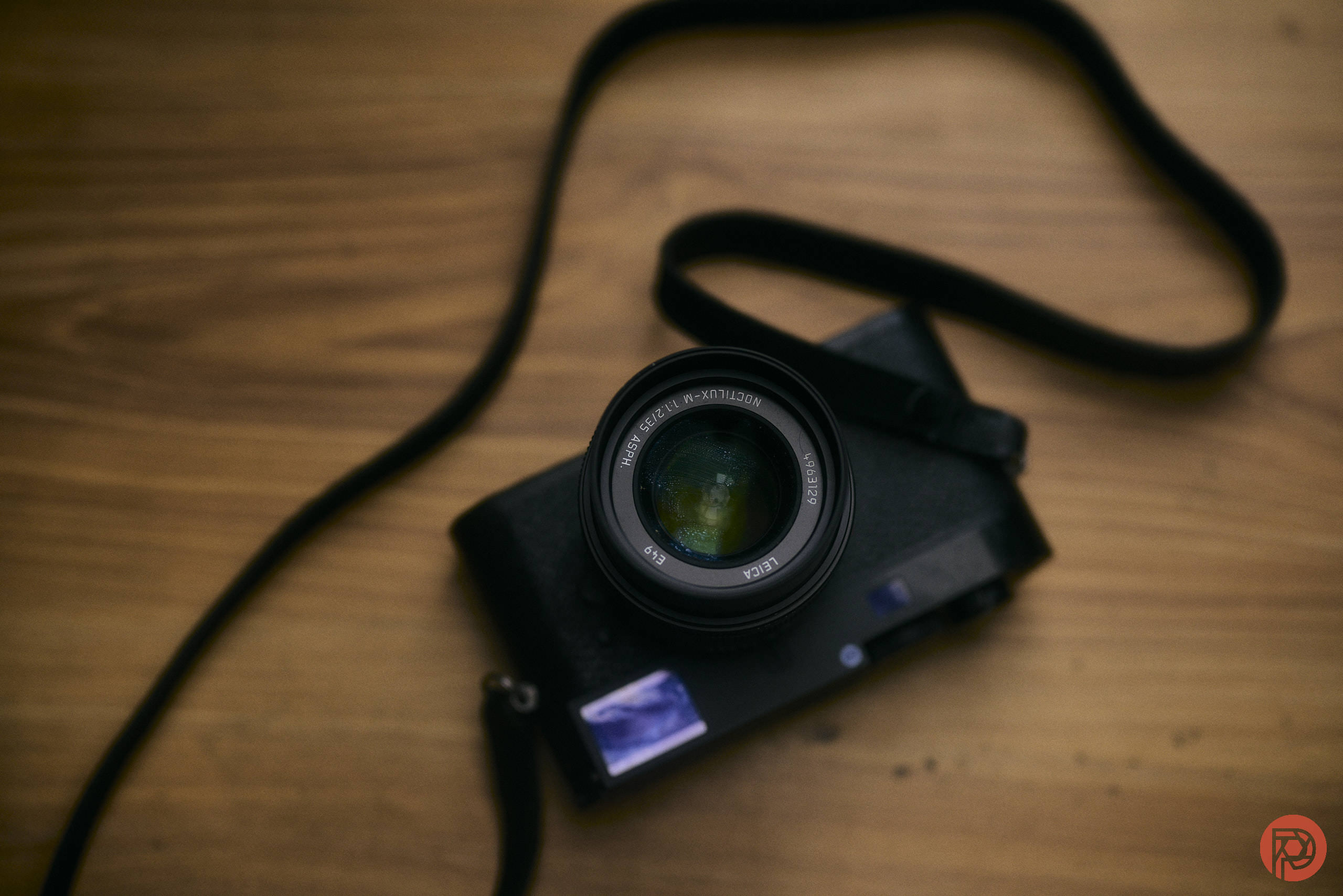
The cameras today are very efficient. If you set the device to a setting of your nature, it will do the rest. Sometimes, you do not even have to set much, relying on auto mode to get the photos without much effort. From white balance to focus, the device can do it all without any challenge. In the end, the photographer is doing very little in terms of the settings. So, here’s a look at how you can change that.
If you are someone who is looking to control their camera, then here are five things that you can do.
Stop Letting the Camera Guess the Light
Auto white balance (AWB) often works to fix a neutral look in different situations. This is also why some colors shift slightly from frame to frame even when the light hasn’t really changed. Setting it manually, by relying on Kelvin values or a preset like Daylight, Shade, or Tungsten, can help to lock a consistent color temperature across the shoot.
- Daylight (~5500K): Clean, neutral outdoor light.
- Shade (~7500K): Cooler ambient light, needs warming up.
- Tungsten (~3200K): Indoor incandescent lighting, very warm without correction.
- Custom Kelvin: Dial in the exact temperature once you’ve read the light, and every frame after that matches.
With each of these, your eyes can read light in a way that helps you choose the tone that you desire and control.
Decide What Motion Should Look Like
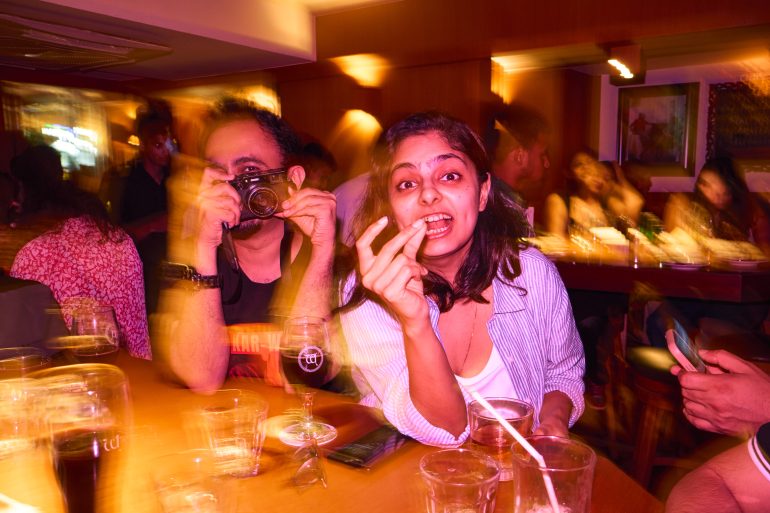
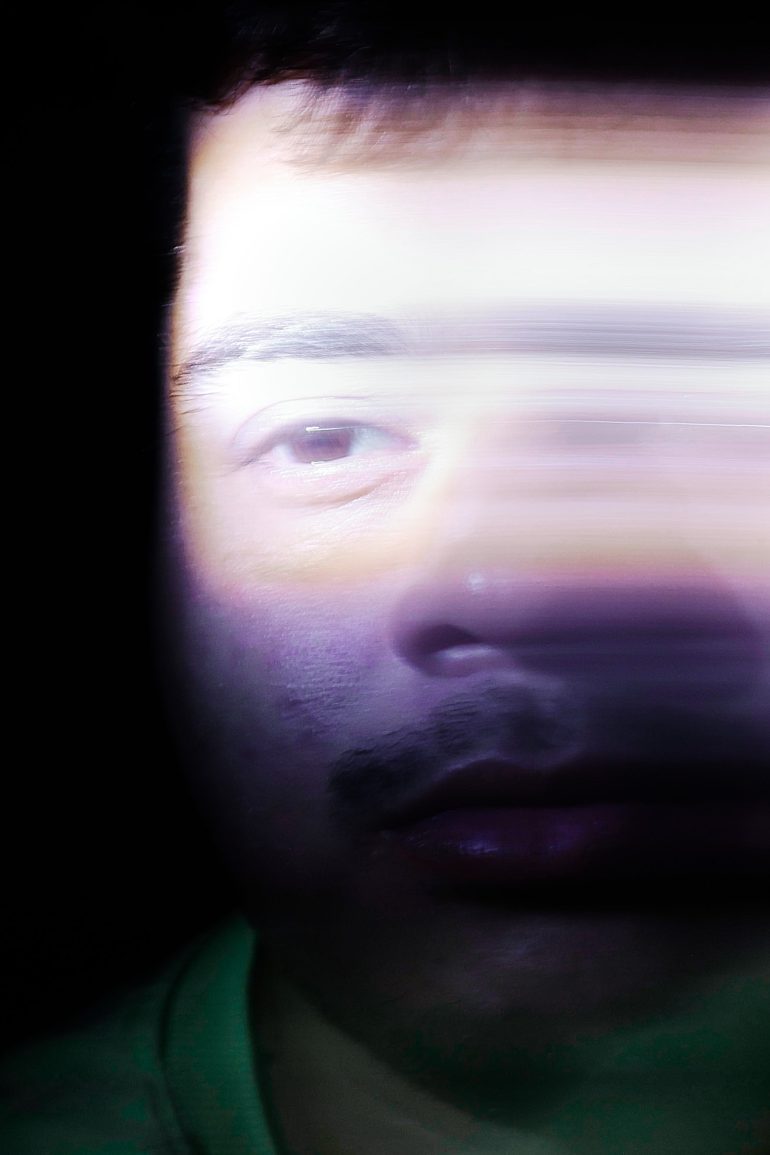
With auto shutter modes on your camera, you get everything in sharpness, which is a technical decision. However, this is a technical decision, and not a creative one. With manual shutter, you can play with slow shutter and get the images that you best desire. An example is the image below, which was shot at 1.6 seconds, and creates the interesting blur that one needs. This technique can be used anyway, and you must utilize it to create distinct photos.
Control Depth
Aperture is designed to do two things: allowing light and controlling the depth of field. With auto modes, it prioritizes the former over the latter, and by changing this, you can do so much. At f1.2, you get a shallow depth of field, and this helps with low light as well. However, middle and narrow apertures, both sharpness across the frame and tact sharpness. So, you need to figure whatever works best.

Take Control of the Noise
Keeping the ISO in auto mode in the camera often helps to bail you out of grains and soft images. When you set the camera to low ISO, you get strong results. But high ISO results are ideal when shooting in really low light, such as a dark room. However, the latter results in noise, which may work if you know how to work with grain.

A useful habit is to set the ISO last, after you’ve already chosen the shutter speed and aperture. The ISO can fill in the gap.
Choose What Matters
Autofocus is designed to choose what is closest to your camera. Today, autofocus have improved a lot, allowing photographers to get the best result without many assumptions. So, if you wish to slow down, or deliberately make the process slower, rely on manual focus. However, if you want a fast result, single point AF or shoot and recompose modes can be of help.
Set the Look Before You Shoot

Many cameras have their own color science, film simulation mode, or even color profiles. So, if you are shooting RAW, then the best results can help you to compose the shot. Flat and Neutral profiles can help with dynamic range for editing. Standard and Vivid profiles result in colorful images, while custom styles can help you with sharpness, contrast, and saturation curve.
All these things are easy to learn and you can work around this. With these settings, you can learn to be present in the moment. Start with one setting first and then you can learn to add others. Before you know it, you are able to get everything right in one go. Once you stop, the camera makes decisions for you, and let the photographs appear the results that were truly yours.
Get rid of the ads!
Did you enjoy reading this article as much as we enjoyed writing it? There's a way to support us and our reporting, getting ad-free navigation and more as a bonus. Subscribe to us for less than a coffee per month —just $3.99— or take advantage of our yearly subscription with a hefty discount for only $25.- An ad-free experience
- A free mystery box for Lightroom or Capture One
- All the books in our store
- 20% discount on Capture One
- 30% discount on Imalume Photo Theft Protection
- 20% off Herbs and Kettle Tea Company.
- 20% off your order from MPIX printing services.
- 5% off Viltrox Products via their eCommerce store.
- 10% off all film developing, printing and scanning services from Blue Moon Camera and Machine
- 15% off 7Artisans products: The lens and accessory maker is offering a sweet discount for Phoblographer's readers.