

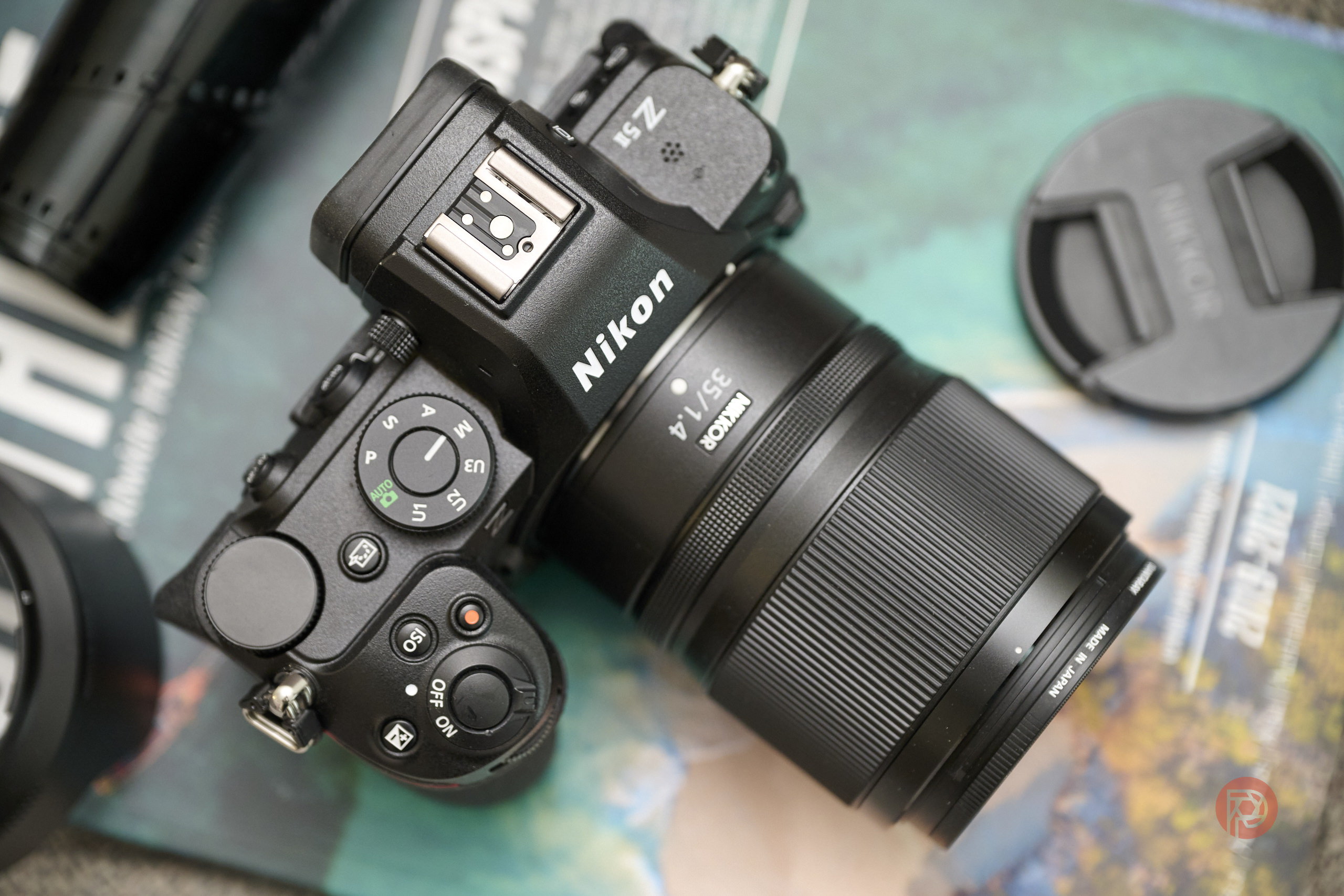
A sky full of stars is adored by everyone. But there are only a few who go the extra mile to capture their surrealism. Those who are keen often also face a challenge: getting a good camera at a decent price point. For this reason, we bring to you two different sets of features that highlight the kind of camera and lens you can opt for.
Nikon Z5 II with Z 20mm F1.8 S
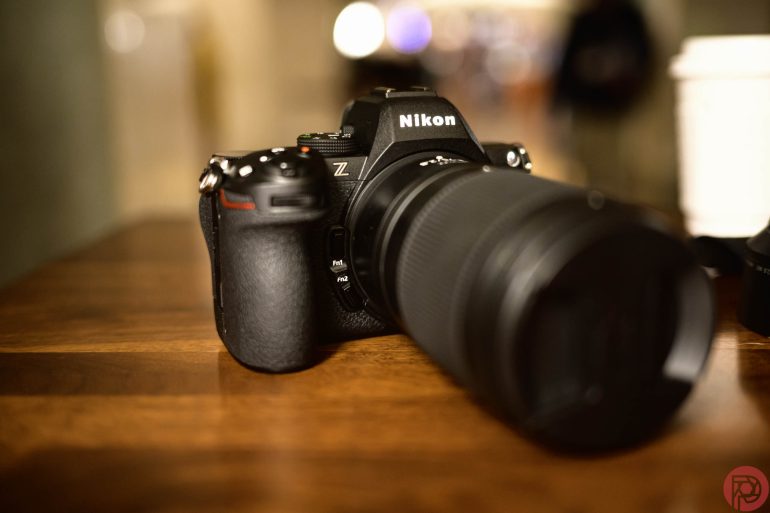
The Nikon Z5 II is a full frame camera with a 24.5MP BSI full frame CMOS sensor, along with an ISO between 50 to 2,04,800. The camera offers an impressive dynamic range, and the images feel to have a ‘finished’ quality. The low-light/high ISO output is pretty clean, and you also retain a good amount of details as well. In addition, when you pair it with the Nikon 20mm lens, you also get a camera kit that can work well in low light. For instance, the 20mm is weather resistant and offers good colors and sharpness, both of which are important for astrophotography. Together, they will cost under $3000.
Panasonic S1II E and the Viltrox 16mm f1.8
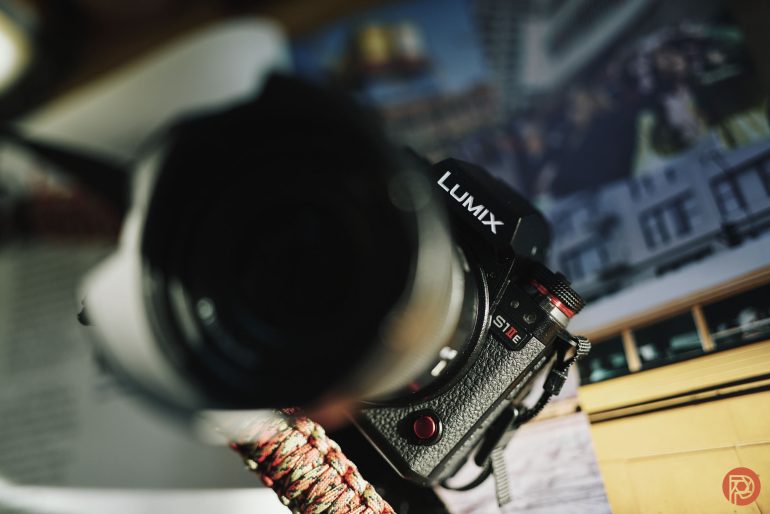
Panasonic has some wonderful full frame cameras and the S1II E is one of them. Packed with a 24MP sensor, 30fps of burst rate and real-time LUTs, the device is perfect for many beginners. The device has versatile RAW files, the colors are good, and “the high ISO output is clean, or it can be masked with film LUTs.” This makes the camera ideal for many users. In addition, when paired with Viltrox AF 16mm f1.8, the kit can survive freezing temperatures. In addition, the 16mm has a good build quality, an LCD, and the colors are quite realistic. The lens is also quite sharp, and that makes astrophotography much better.
Canon R7 with 18-150mm f3.5-6.3

The Canon R7 is a fantastic APS-C camera for many reasons. It is incredibly weather sealed, has a good grip and build, and the ergonomics are pretty good, too. In addition, with a kit lens, the camera can do wonders. For instance, when I took it to make photos of the stars, the results were clean at ISO 1600. With standard noise-reduction, you get good results at ISO 12,800. The 18-150mm is a pretty good range, and you can get both wide and zoom focal ranges. I used the kit in Himachal Pradesh to capture the Milky Way and the results were fantastic in every way. The RAW files did show a lot of noise but not the JPEG. So if you are young photographer, this kit will certainly suffice.
Get rid of the ads!
Did you enjoy reading this article as much as we enjoyed writing it? There's a way to support us and our reporting, getting ad-free navigation and more as a bonus. Subscribe to us for less than a coffee per month —just $3.99— or take advantage of our yearly subscription with a hefty discount for only $25.- An ad-free experience
- A free mystery box for Lightroom or Capture One
- All the books in our store
- 20% discount on Capture One
- 30% discount on Imalume Photo Theft Protection
- 20% off Herbs and Kettle Tea Company.
- 20% off your order from MPIX printing services.
- 5% off Viltrox Products via their eCommerce store.
- 10% off all film developing, printing and scanning services from Blue Moon Camera and Machine
- 15% off 7Artisans products: The lens and accessory maker is offering a sweet discount for Phoblographer's readers.