

Last Updated on 05/25/2026 by Chris Gampat
Sony has gained trust and a wide set of applause for their innovative cameras. The company has pushed the envelope a lot over the years, and it appears that they have some interesting plans for the future. Per a new report, Sony may be developing new ways to revamp their camera’s LCD. Here’s what it is all about.
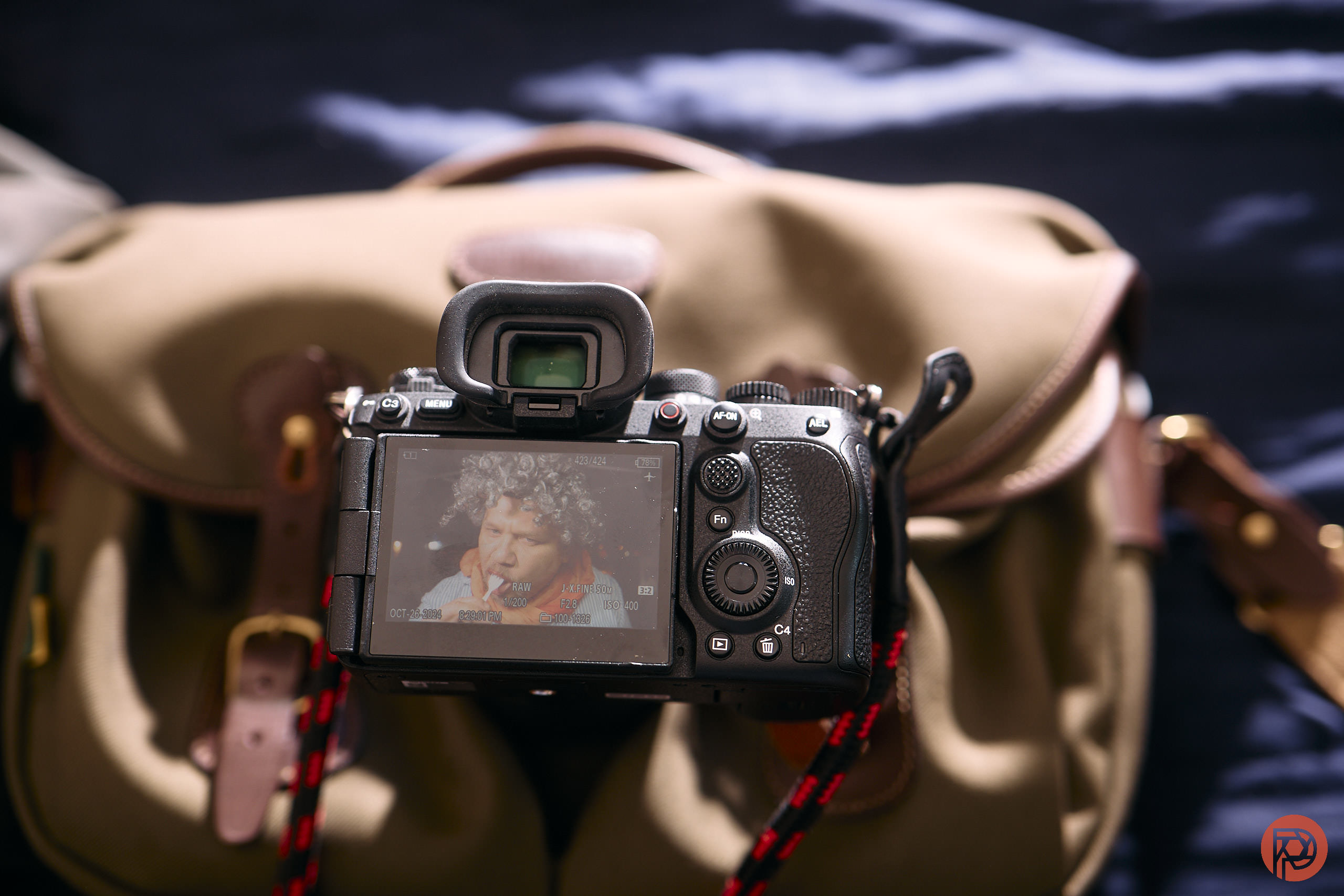
In a new report, Sony Alpha Rumor has revealed that Sony is currently developing a new FSC-LCD (Field Sequential Color LCD) screen that uses “70% less energy” and also helps with “camera’s Live-View time much longer.” The source, an anonymous tipper, said that the display technology is designed for alpha cameras, and is likely to be rolled out after Q3 2026.
What Exactly is the FSC-LCD?
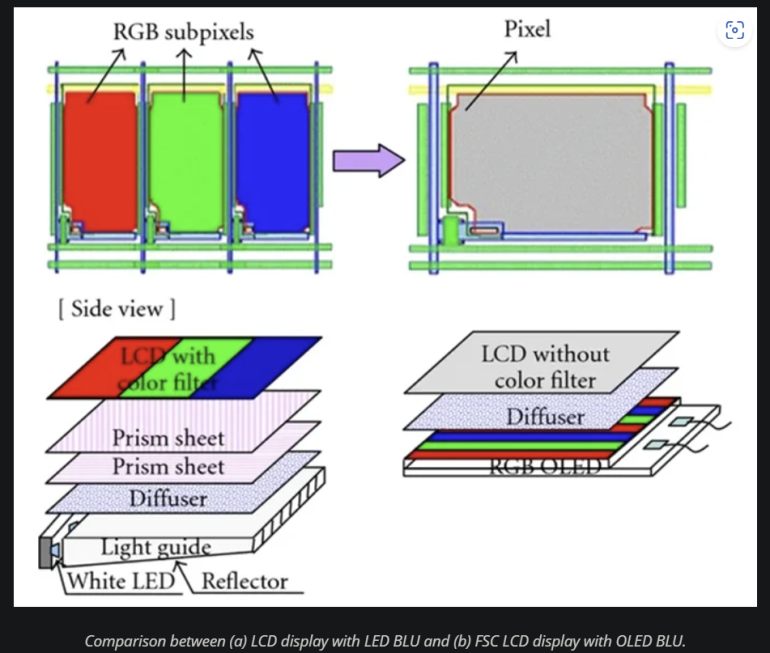
Conventional camera LCDs depend on a white backlight. This is filtered through individual red, green, and blue color filters that have been applied to every pixel. This has been a standard design for decades, but with the FSC-LCD, this changes. Instead of filtering white light through color cells, the new design promises to work with a high-transmittance grayscale liquid crystal panel that has no color filters. In other words, it will utilize an RGB Edge-Mini LED backlight that can switch red, green, and blue light sources on and off at extreme speed. The latter is rated at 720 times per second, and the grayscale information is said to be in sync with every color pulse. The design behind this suggests that the human eye and brain quickly blend alternating colored frames into one complete color image that produces a 240Hz effective color refresh rate from the 720Hz greyscale panel.
The report notes that this will result in less energy consumption, while delivering flicker-free images. There will also not be any compromise on color accuracy or brightness.
This is also not a new concept, since FSC technology has existed for a long time. However, the biggest positive point is that this is a development between Sony Bravia and TCL, with the latter already having showcased a prototype FSC-LCD television in 2025.
What This Means for Photographers
The first and the most obvious answer is the battery life. A 70% reduction may not result in an overall improvement in battery life per se, since other elements draw power individually. On cameras such as the a7 V or the a1 II, which have good battery life, will gain an efficient screen further. This can help to make the shooting experience great. Similarly, if one is into hybrid usage, they get a chance to get extended usage if they are using videos.
The other point is the 240Hz refresh rate. While current models top out at up to 120Hz. In that regard, if one is using the camera for fast-paced shooting, a 240HZ display can help to reduce lag when one is tracking subjects in live view. While the 720Hz RGB switching rate raises eyebrows, the report suggests that Sony will work around ways to result in a flicker-free experience for a better future.
What The Community Says
Since the report, there has been some skepticism around the news. For instance, the field sequential color technology drew criticism for its history. As one person said, Panasonic relied on field sequential EVF panels on their cameras, which has resulted in tearing and rainbow artifacts. This also leads to questions about whether the technology is new and improved or is a repackaged version of the existing technology. The 720Hz switching rate also leads to technical concern overall.
There is also the challenge of practical design. A larger, complex display can also result in the loss of physical control layout of the camera. Some even say that an LCD can be an afterthought for some serious photographers, and so, resources can be spent elsewhere.
Currently, the only camera that can launch in 2026 is the a6900, an APS-C offering, in 2026. Other than that, it seems challenging for any other camera to be launched anytime soon. As a result, it also means that the technology could take longer than 2026 to surface. And if 2026 is the goal, it will be on a small camera, instead of a flashpoint. Until then, it is better to wait and watch.
Get rid of the ads!
Did you enjoy reading this article as much as we enjoyed writing it? There's a way to support us and our reporting, getting ad-free navigation and more as a bonus. Subscribe to us for less than a coffee per month —just $3.99— or take advantage of our yearly subscription with a hefty discount for only $25.- An ad-free experience
- A free mystery box for Lightroom or Capture One
- All the books in our store
- 20% discount on Capture One
- 30% discount on Imalume Photo Theft Protection
- 20% off Herbs and Kettle Tea Company.
- 20% off your order from MPIX printing services.
- 5% off Viltrox Products via their eCommerce store.
- 10% off all film developing, printing and scanning services from Blue Moon Camera and Machine