Mirrorless cameras are now chosen by millions of photographers, both young and sensory. While each brand is trying to introduce some exciting products, the one company that managed to launch something noteworthy is Panasonic. If you are a travel photographer who aims to buy a camera that can shoot anything, then this model is worth a shot.
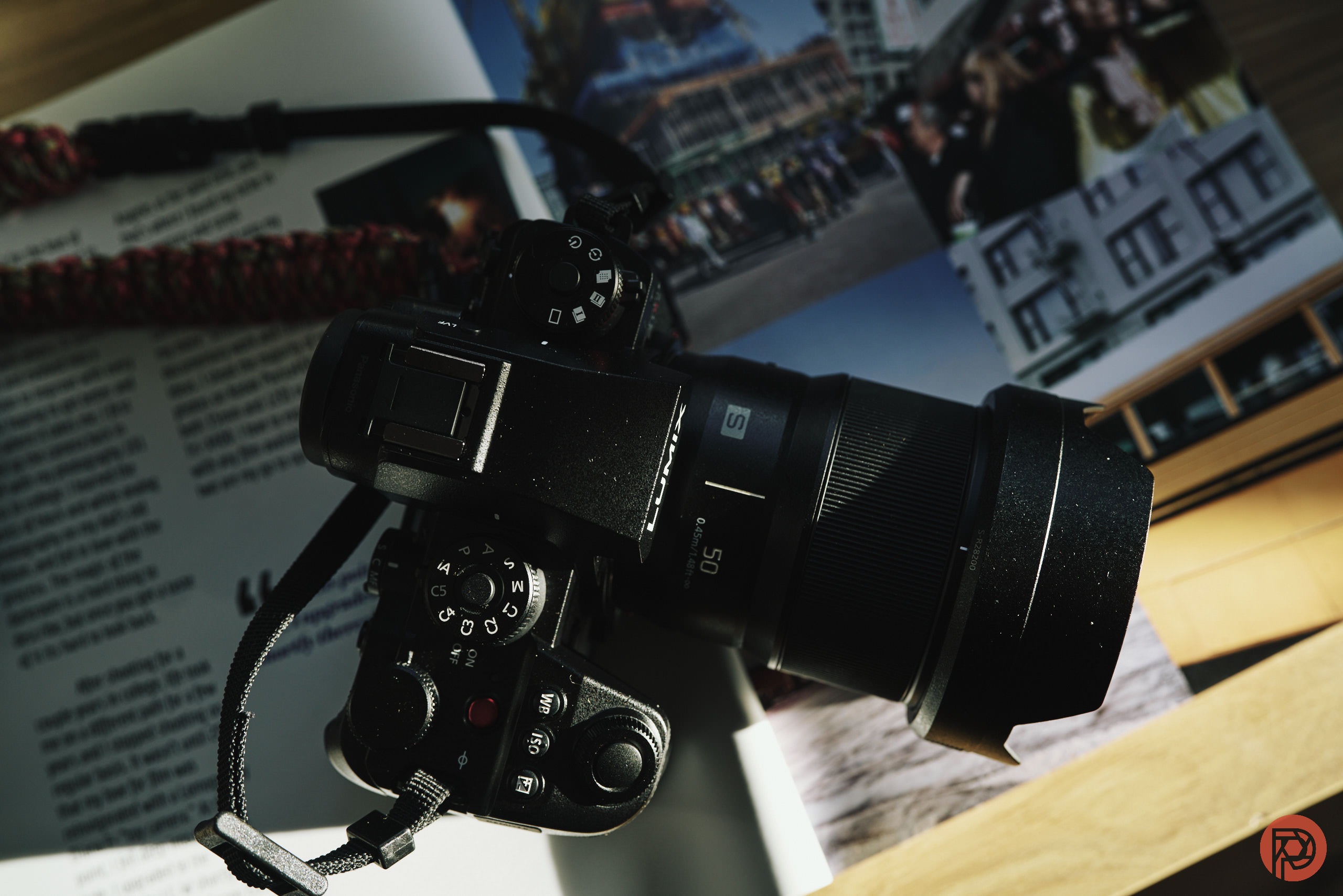
The camera we are talking about is the S1II E, a full frame camera with the same S5 II sensor. It also features the same processor as the S1 II R, 30fps burst rate, and a 5760k OLED viewfinder. The camera also offers battery grip, 1.5 second pre-burst shooting, and Cinelike a2 color profile. Some other functions include Real Time LUT, multiple exposure mode, and Live Composite.
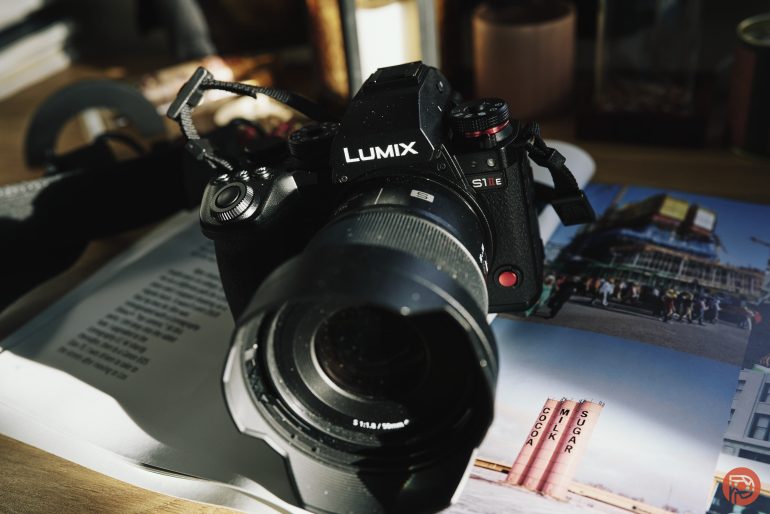
The Panasonic device offers a nice design, as well as can withstand shooting for 5 hours per charge. There is also an urban sports autofocus mode and the HEIF HLG mode, along with some of the best menu systems to work with. And the other company that comes close to this is Canon.
I realize that I was having so much fun with the LUMIX S1IIE and I’ve been using it so very often. If you’re a photographer who wants low megapixels and less detail to embrace more of a filmic look, then the S1II E ir probably going to be one of the best cameras on the market for you.
Like the design, the camera’s autofocus system is pretty incredible. It focuses on people really fast, and works best with AF-C mode. This means travel photographers shooting in crowded places will be happy about what the device offers. There are also LUTs, which, with the latest firmware, make your life easy.


There is also the image quality, which is versatile. The Panasonic camera offers great RAW files, and you can get the best results with ease. You can also save the photos if you have overexposed them while shooting. The high ISO results are clear, and they can be masked with LUTs if the need arises. The JPEGs are just impressive.
It is a workhorse of a camera, so people who are choosing the S1 II E will like it as their first offering, as well as a good second camera. The only thing that you may miss is the authentication found on some devices. But other than that, there is nothing that makes this camera a poor choice. Priced around $3000, it is an expensive device, but being an L-mount camera, it opens up doors for you in the lens department, too. If you know what you are doing, this camera is right up your alley.
Get rid of the ads!
Did you enjoy reading this article as much as we enjoyed writing it? There's a way to support us and our reporting, getting ad-free navigation and more as a bonus. Subscribe to us for less than a coffee per month —just $3.99— or take advantage of our yearly subscription with a hefty discount for only $25.- An ad-free experience
- A free mystery box for Lightroom or Capture One
- All the books in our store
- 20% discount on Capture One
- 30% discount on Imalume Photo Theft Protection
- 20% off Herbs and Kettle Tea Company.
- 20% off your order from MPIX printing services.
- 5% off Viltrox Products via their eCommerce store.
- 10% off all film developing, printing and scanning services from Blue Moon Camera and Machine
- 15% off 7Artisans products: The lens and accessory maker is offering a sweet discount for Phoblographer's readers.