

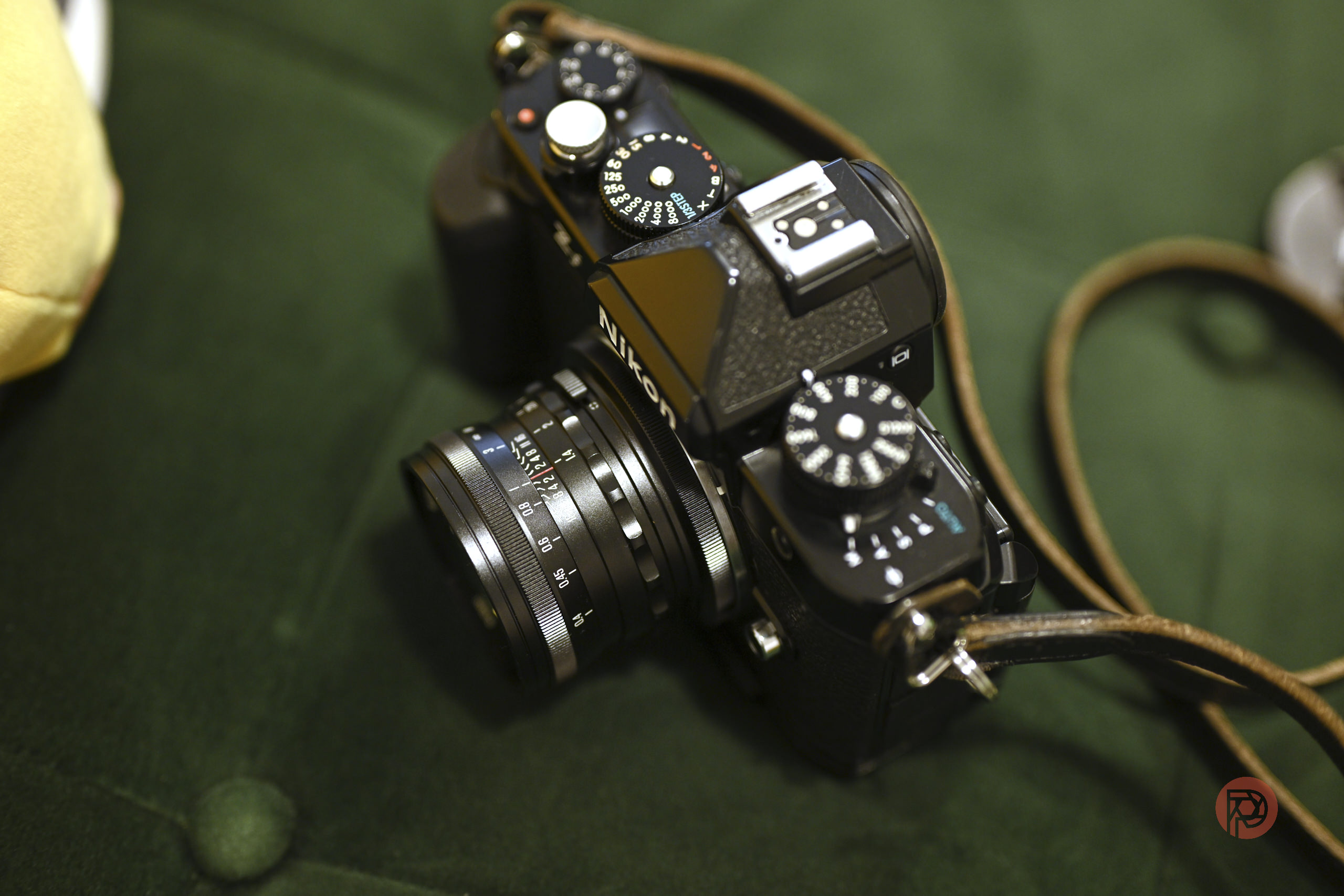
Tiny but effective, the all-new 35mm f1.4 lens from Brightin Star doesn’t just look good, it performs like a keeper too. If you’re a manual focus photography enthusiast, you’ll enjoy using this lens once you get used to its size.
The Big Picture: Brightin Star 35mm f1.4 Review Conclusions
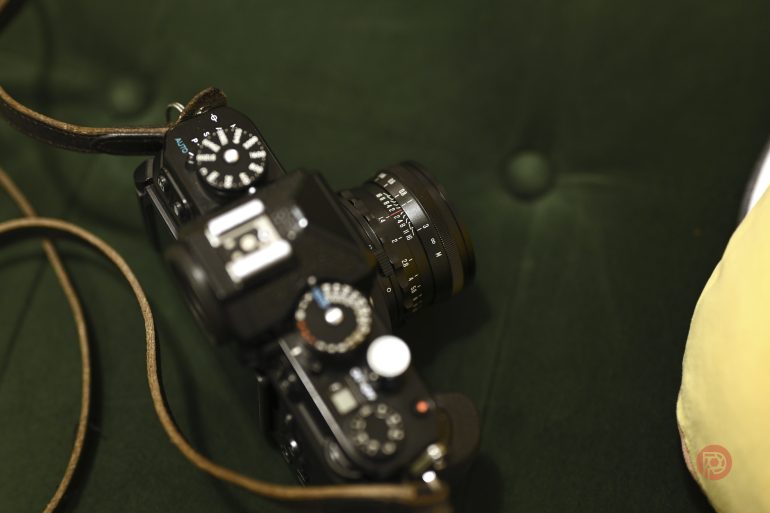
The Brightin Star 35mm f1.4 is a lens that doesn’t try to be perfect, and this is probably why some photographers will love it. Wide open, you can expect dreamy, soft images with noticeable halation and creamy bokeh. Stop it down past f5.6, and it cleans up into a reasonably sharp walkabout lens. Build quality is rather neat when you consider how relatively inexpensive it is. Furnished with an all-metal body, it feels far more premium than the $189.99 price tag suggests. Incredibly compact and lightweight, it’s a genuine everyday carry option for Nikon Z users who want to immerse themselves in manual photography.
- Small and lightweight (218g, 55×42mm)
- Excellent metal build quality
- Creamy, pleasing bokeh at f1.4
- Clicked / smooth aperture ring setting
- Heavy vignetting at wider apertures
- Almost a bit too small
- Noticeable halation and softness from f1.4 to f2.8
- Great walkabout lens for manual focus enthusiasts
The Brightin Star 35mm f1.4 Z-mount lens won’t replace your 35mm f1.4 Z. Both these lenses have character, but appeal in very different ways. If you’re looking for a nostalgically styled, character-filled manual lens that slips into any bag which makes you slow down and connect more with your shots, this is a solid option. Especially for street photographers and anyone shooting with Nikon’s retro-styled Zf and Zfc cameras.
Experience
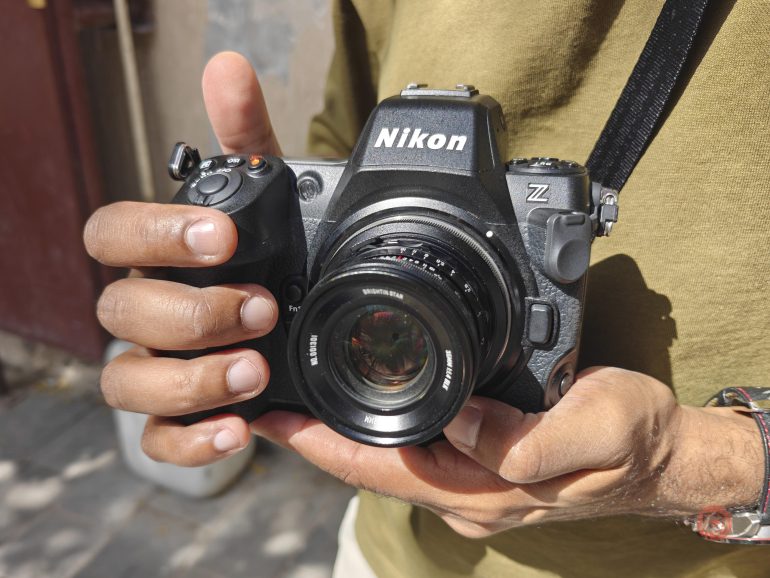
Let me start with something unusual: this lens is almost too small. I have small hands. Not tiny, but smaller than average. And even I found the Brightin Star 35mm f1.4 to be a tad undersized. When I first picked it up, I actually wished it was a bit bigger, not because it’s hard to use, but because the build quality is so good that I wanted more of it in my hands. I did think it would be at least 25 to 30% bigger, and I based that assumption on the press release images we were sent for our news article about this lens.
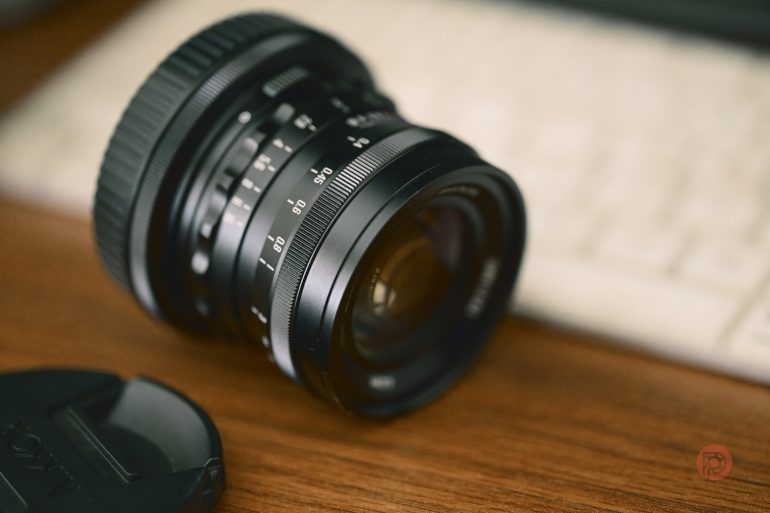
The metal body feels fantastic – cold, dense, premium. The focusing ring has better resistance and throw to it for a lens this size. The aperture ring clicks solidly but there’s also a switch for stepless adjustments if you’re into videography – a thoughtful addition at this price point. The lens markings are crisp and easy to read, with distance scales and depth-of-field indicators. It’s a lens that can live in any camera bag (or jacket pocket) without much hassle.
But again, the size does create some handling quirks. On my Nikon Zf, the lens felt balanced and natural. The retro design pairs well with this kind of small manual glass, even if I personally feel it should be bigger. On the Z8, though, the lens looked almost comical. The Z8’s large hand grip completely dwarfed the lens. It looked like mounting a homeopathic medicine bottle on a professional body. Functionally though it worked fine. Visually and ergonomically, some might say it’s a bit of a mismatch.
The lens doesn’t feel hollow or cheap. The mount is solid with no wobble when attached to either my Zf or Z8. There’s no weather sealing advertised, and I certainly wouldn’t expect any at this price. But there also aren’t obvious gaps where dust could easily enter. I used this lens outdoors in Dubai – which means dust, sand, and heat – and my sensor stayed clean.
Brightin Star doesn’t include electronic contacts, so your camera won’t record EXIF data like aperture or focal length. You can still do this in the Non-CPU lens settings and the Zf has a feature that can virtually write the aperture value to your image files. You set the aperture via the aperture ring on the Brightin Star 35mm f1.4 then dial the aperture ring on your Nikon Zf to set the same aperture value on your LCD. Each time you shoot, this aperture value gets written to the image file. Just remember to change the same via the aperture dial on the camera, when you adjust the lens’s aperture ring too.
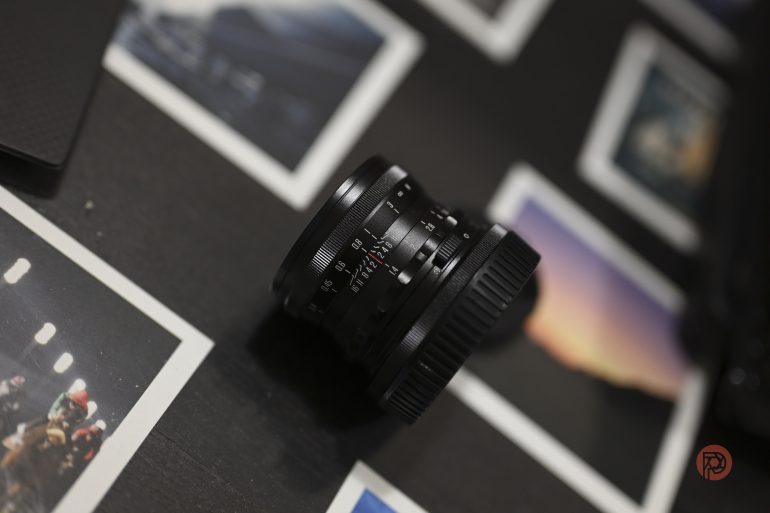
Focusing is straightforward thanks to focus peaking. On both the Zf and Z8 peaking indicators were reasonably accurate. Of course, at f1.4, the depth of field is extremely shallow, and you’ll need to be rather precise with the focus ring. Shooting on the streets, I found myself stopping down to f5.6 at least, setting a zone focus distance and using Auto ISO. That’s where this lens shines as a walkabout option. And if you enjoy doing closeups, this lens can focus as close as 1ft away.
Image Quality
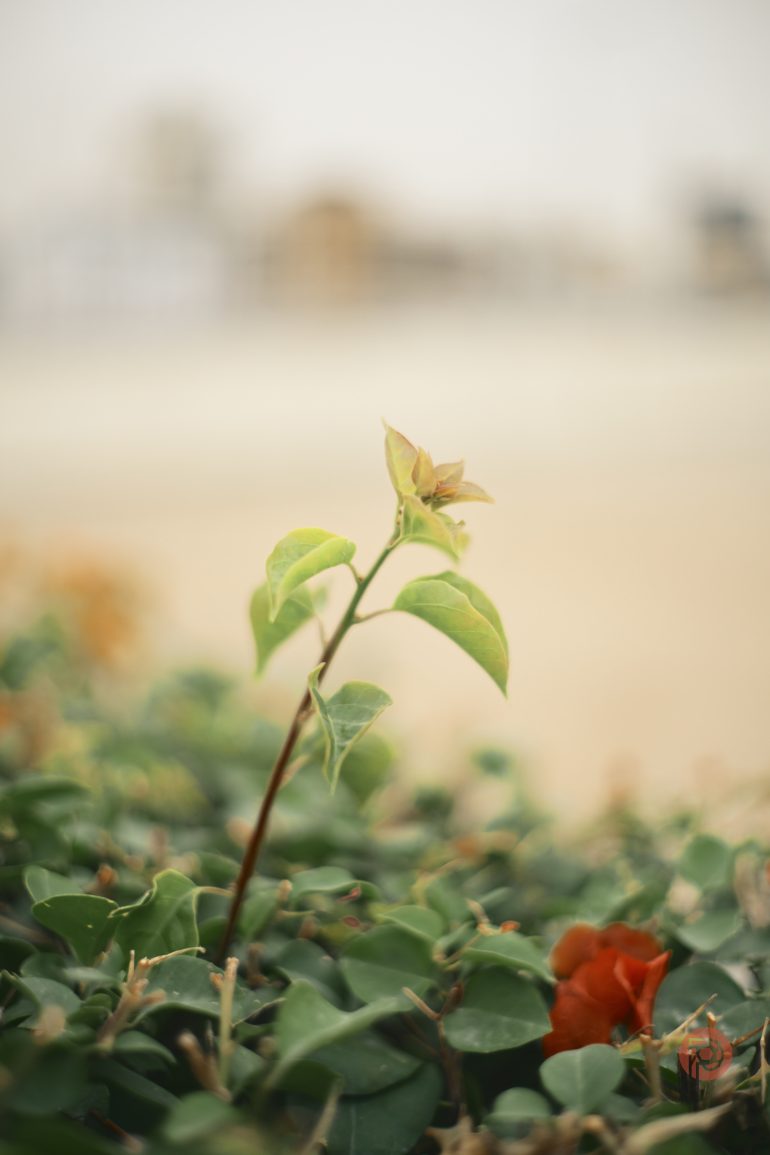
Here is where the Brightin Star 35mm f1.4 reveals its personality, but also a lot of its limitations. Between f1.4 and f2.8, you can’t deny that the lens is noticeably soft. There’s also a dreamy halation effect, especially around highlights which some photographers will call character, but others will easily label as a flaw. It really depends on what you’re shooting. Wide open at this aperture, portraits can take on a ethereal, romantic quality. Softness isn’t harsh and bokeh lovers will lap up the genuinely creamy results. Smooth, pleasant, and not distracting. I guess this is where the double-Gaussian design does its job. This is one of the lens’s strong suits for those who enjoy these kinds of images.

But if you’re looking for edge-to-edge sharpness, it’s time to stop down. From f5.6 onward the halation clears up considerably, and the center is nicely sharp, becoming the sweet starting point for street and landscape work. f8 onwards even the corners are much sharper.
Colors are fairly accurate, but something will almost certainly jump out at you. In high-contrast scenes, the shadows can feel quite contrasty. You may want to lift shadows slightly in post. Vignetting in some images is what really surprised me. Again, it all dials into the character of this lens, and you know us – we hate modern mirrorless lenses that are clinically sharp.
All the images below have not been edited and were shot using in-camera picture control profiles.


Tech Specs
Taken from the Brightin Star 35mm f1.4 product page:
| Parameter | Specification |
|---|---|
| Format | Full Frame |
| Focal Length | 35mm |
| Lens Structure | 7 elements in 6 groups |
| Aperture Range | F1.4 – F16 |
| Aperture Blades | 10 |
| Angle of View | 63.2° |
| Filter Size | 49mm |
| Focus Range | 0.3m – ∞ |
| Focus Type | MF |
| Mounts | E / RF / Z / L / X |
Declaration of Journalistic Intent
The Phoblographer is one of the last standing dedicated photography publications that speaks to both art and tech in our articles. We put declarations up front in our reviews to adhere to journalistic standards that several publications abide by. These help you understand a lot more about what we do:
- At the time of publishing this review, Brightin Star isn’t running direct-sold advertising with the Phoblographer. This doesn’t affect our reviews anyway and it never has in our 15 years of publishing our articles. This article is in no way sponsored. That’s against FTC laws and we adhere to them just the same way that newspapers, magazines, and corporate publications do.
- Note that this isn’t necessarily our final review of the unit. It will be updated, and it’s more of an in-progress review than anything. In fact, almost all our reviews are like this.
- Brightin Star sent a lens to the Phoblographer for review. There was no money exchange between us or their 3rd party partners and the Phoblographer for this to happen. Manufacturers trust the Phoblographer’s reviews, as they are incredibly blunt.
- Brightin Star knows that it cannot influence the site’s reviews. If we don’t like something or if we have issues with it, we’ll let our readers know.
- The Phoblographer’s standards for reviewing products have become much stricter. After having the world’s largest database of real-world lens reviews, we choose not to review anything we don’t find innovative or unique, and in many cases, products that lack weather resistance. Unless something is very unique, we probably won’t touch it.
- At the time of publishing, the Phoblographer is the only photography publication that is a member of Adobe’s Content Authenticity Initiative. We champion human-made art and are frank with our audience. We are also the only photography publication that labels when an image is edited or not.
More can be found on our Disclaimers page.
Get rid of the ads!
Did you enjoy reading this article as much as we enjoyed writing it? There's a way to support us and our reporting, getting ad-free navigation and more as a bonus. Subscribe to us for less than a coffee per month —just $3.99— or take advantage of our yearly subscription with a hefty discount for only $25.- An ad-free experience
- All the books in our store
- 20% discount on Capture One
- 30% discount on Imalume Photo Theft Protection
- 20% off Herbs and Kettle Tea Company.