

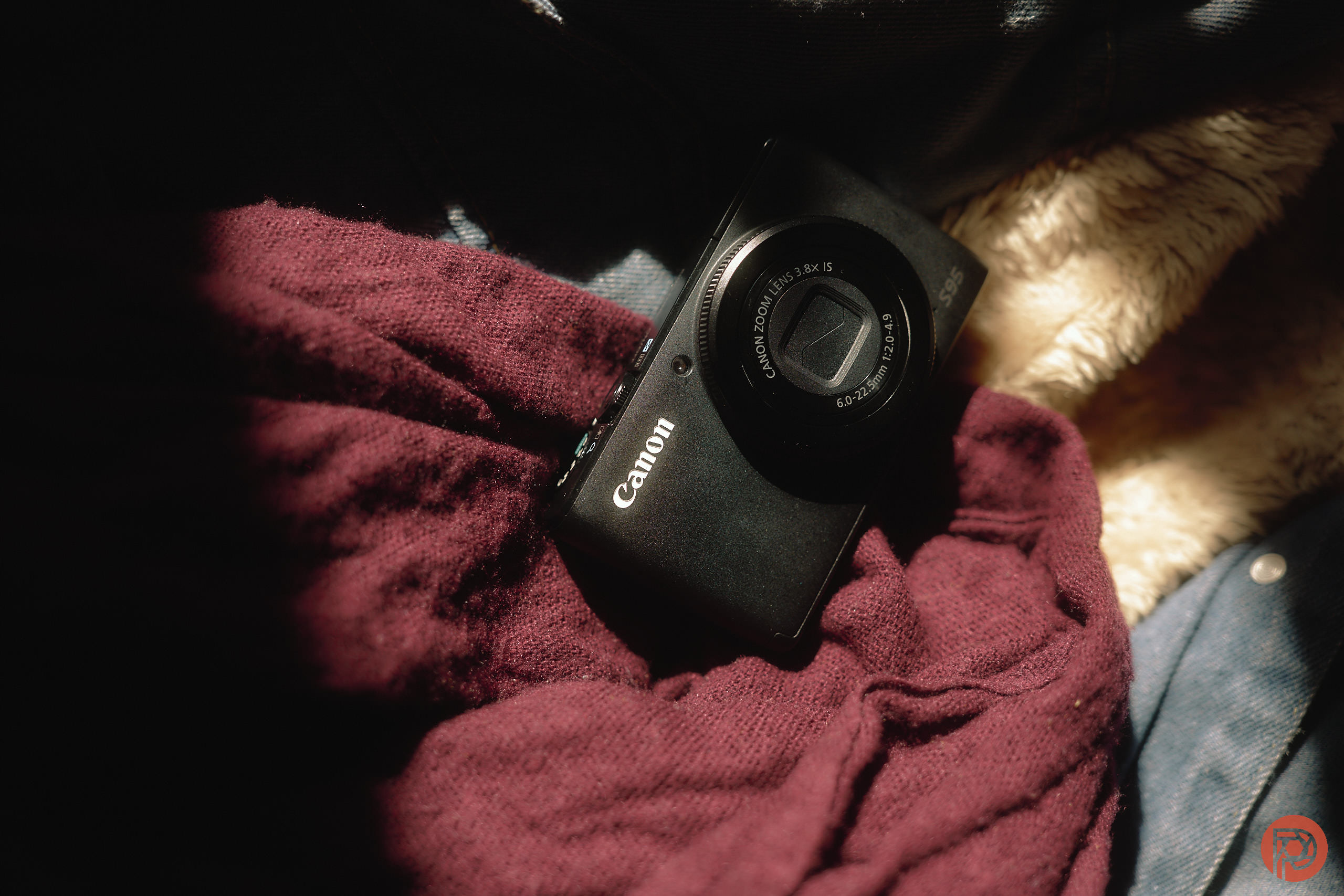
When it comes to making fine art photographs, one often relies on the best cameras and lenses. Although a lot relies on one’s vision, a good piece of gear can certainly help one to reach a better place. In a time when mirrorless cameras provide a similar-looking aesthetic for many image-makers, some are turning to older cameras to create distinct narratives. How are they doing so? Well, with a technique called circuit bending.
What the Hell is Circuit Bending?
In the world of photography, circuit bending is a deliberate practice of modifying or “hacking” the insides of one’s camera to produce glitchy or experimental visuals. The term borrows from the audio world, which was initially made popular by Reed Ghazala in the 1960s. For audio, the result allows one to open up cheap electronic instruments and toys and rewire or short-circuit their components to create distinct sounds.
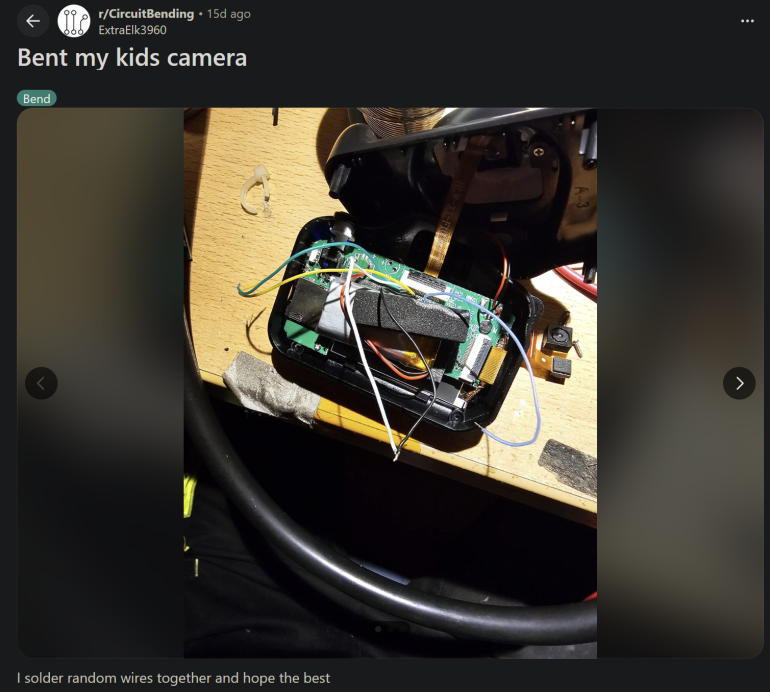
So, how does it work? One has to work with a digital camera, stills or video, or a scanner by physically interfering with the circuit board. This may occur as bridging connections, adding other resistors or capacitors into signal pathways that were originally not designed to have them. The practice results in the sensor reading the light a bit differently, or the processor changes the way it looks at image data. The results are always off, as color channels may bleed into each other, resulting in distortions, pixelated patterns, or the creation of abstract patterns with no direct relationship to what the lens is pointing at.
It works best with older cameras that have CCD sensors, as the latter reads data in sequence, line by line. One can intervene in each of the components with circuit bending. The interruption of the signal results in smoother color bleeds and other effects. One can also use camcorders or flatbed scanners to achieve similar results. For instance, some may use digicams or modify Polaroid cameras to get results.
Why Are Artists Doing This?
A quick look on Reddit and you can find a whole sub dedicated to it, r/CircuitBending. While this includes largely audio material, you also come across posts about cameras. For some, it is just a practice to see what the results look like. But for photographers and artists, the appeal lies not just in aesthetics but in the element of chance.


Sure, you get raw images that bend reality, which is ideal for experimental photographers looking to showcase something unique. But for some, it is an effort to leave things to chance. One can look at it as a digital variant of analog techniques such as solarization, lumen printing, and chemigrams. On the other hand, you get results that can’t be predetermined, much like the magic of the darkroom.
Either way, it is not an easy practice to achieve, and it can only be done so if you know someone who has knowledge about hardware. One can often get cheaper digital cameras and practice this, much like infrared photography. It is a niche that is only practiced by those who really want something different in-camera.
Get rid of the ads!
Did you enjoy reading this article as much as we enjoyed writing it? There's a way to support us and our reporting, getting ad-free navigation and more as a bonus. Subscribe to us for less than a coffee per month —just $3.99— or take advantage of our yearly subscription with a hefty discount for only $25.- An ad-free experience
- A free mystery box for Lightroom or Capture One
- All the books in our store
- 20% discount on Capture One
- 30% discount on Imalume Photo Theft Protection
- 20% off Herbs and Kettle Tea Company.
- 20% off your order from MPIX printing services.
- 5% off Viltrox Products via their eCommerce store.
- 10% off all film developing, printing and scanning services from Blue Moon Camera and Machine
- 15% off 7Artisans products: The lens and accessory maker is offering a sweet discount for Phoblographer's readers.