


Nikon cameras have changed over the years. From the sturdy models such as the D850 to partially stacked cameras like the Z6 III, Nikon has tried to offer something innovative to its users. It may seem that they are now keen on working on a new model, one that can be of help to people to shoot for longer hours.
According to Asobinet, the company has released a new patent that equips mirrorless cameras with an air cooling fan. This design, if it reaches production, would represent a significant departure from the fanless mirrorless cameras the industry has built around for over a decade. The patent, number P2026053524, was filed in 2025.
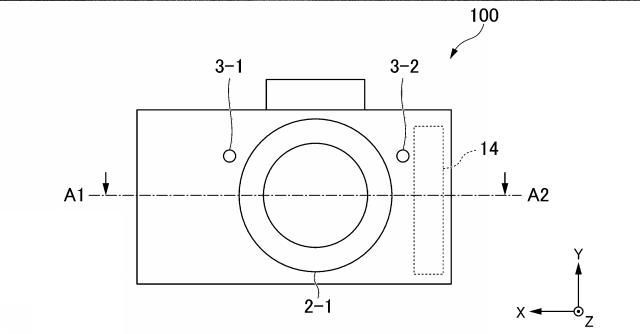
The design outlines a heat dissipation system where the fan draws air from the botton of the camera, and expels from the top. It, however, works when holding the device in horiztonal mode. The patent also specifies that the fan must be positioned in a part of the camera body that the user does not touch during shooting.
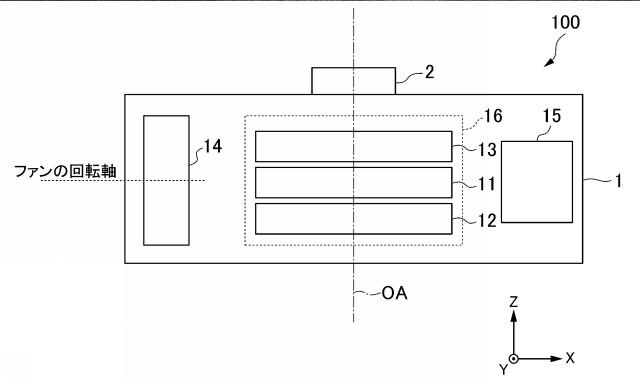
The patent also notes a heat transfer component that conducts heat generated by the processing unit toward the upper front cover of the camera body. It also works in tandem with the fan to create a thermal pathway instead of dissipating heat randomly through the chassis. The system showcases multiple configurations for the placement of the fan, which suggest that Nikon is exploring different camera design to find the most effective and ergonomically neutral position.
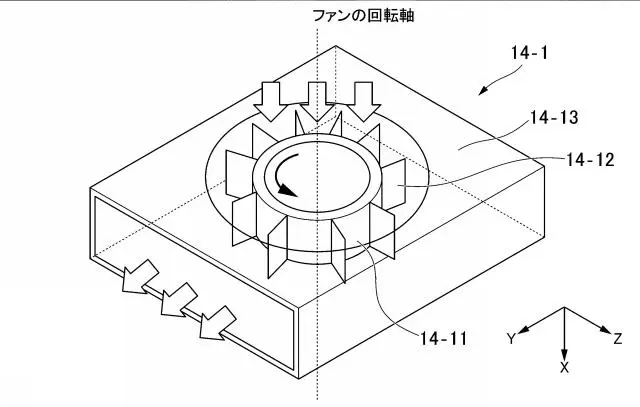
This seems to be catering more to the video needs of hybrid photographers than strictly for still use. With more modern cameras now working with enormous processors and sensors, a cooling device becomes a must. The ability to keep the device cool without relying on external devices can be major for many brands.
Nikon offers hybrid cameras that have the potential to make 4K video. For instance, the Z9, the Z8, the Z50 II, or the Zf, among others. However, it seems that the technology will not only benefit video or cinema-oriented cameras but also devices like the Z9 that have a massive sensor. This can also be useful for stacked sensor cameras. The design, in this regard, can cater to a higher-end design than a mere mainstream mirrorless update.
However, with patents, one has to remember that they may not come true anytime soon. But keeping in mind that this design is a variant of another one, we may just be able to crack the code for hybrid photographers for good. As cameras are becoming more expensive, a cost-effective solution can win in the long term.
Get rid of the ads!
Did you enjoy reading this article as much as we enjoyed writing it? There's a way to support us and our reporting, getting ad-free navigation and more as a bonus. Subscribe to us for less than a coffee per month —just $3.99— or take advantage of our yearly subscription with a hefty discount for only $25.- An ad-free experience
- A free mystery box for Lightroom or Capture One
- All the books in our store
- 20% discount on Capture One
- 30% discount on Imalume Photo Theft Protection
- 20% off Herbs and Kettle Tea Company.