

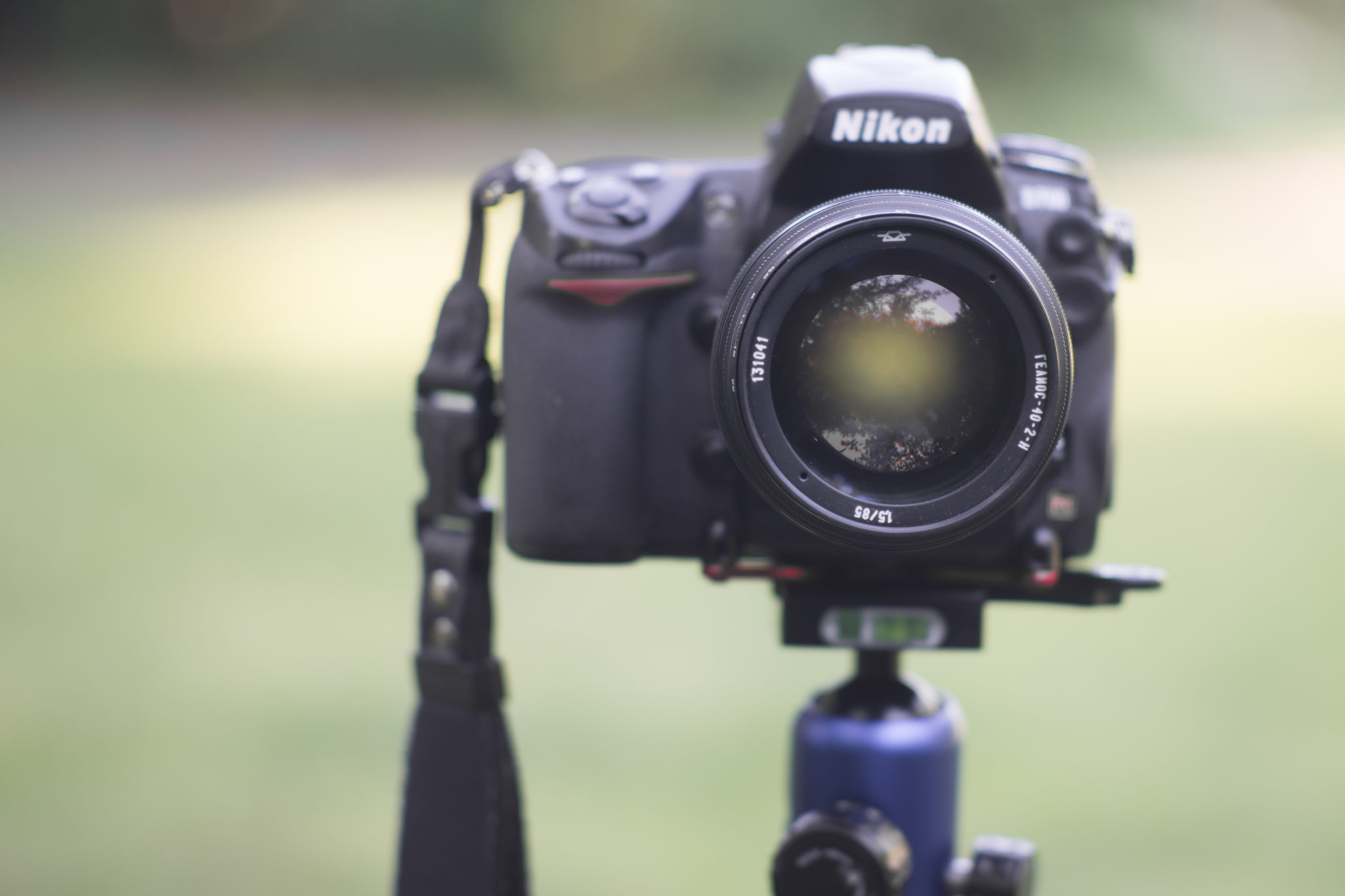
Portrait photography is a genre that often requires softer results than extremely sharp image quality. It also requires a wider aperture and some lens character to make your images stand out. While there are many modern portrait lenses on the market, the vintage lenses offer something that others don’t. Here is a look at some options that may help.
Helios-40-2 85mm f1.5
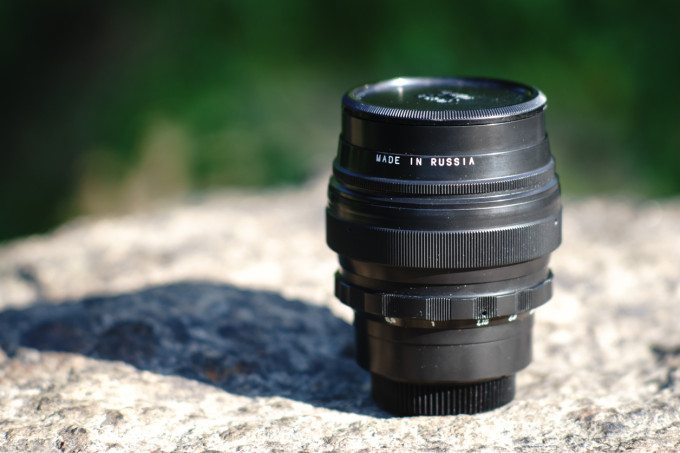
An 85mm lens, this offering is from Russia and was designed for cameras with an M42 mount. This makes the lens compatible with modern cameras such as Nikon, Canon, and Pentax. It is slightly weighted and comes with two aperture rings: one with stopped positions and the other with free aperture movement. It is made of metal and glass, and it feels sturdy in your hands. Focusing takes a bit of time due to the two moving rings. However, if you are shooting in a controlled environment, you will not have to worry about missing a shot. The image quality is what sets it apart, especially the bokeh. “I bought this lens specifically for its bokeh, which I find amazing. It’s silky smooth, but at the same time has shape and form,” we expressed. The sharpness is splendid of the vintage lens, and the colors pop pretty well. It is a lens you will certainly enjoy using.
Canon 50mm f0.95
Introduced in the SLR era, this was the ultimate lens that Canon announced to compete with German cameras. The 50mm f0.95 is also called a dream lens, given that it was marketed to be four times faster than the human eye. While it lacked the clinical precision of lenses today, the 50mm was known for its ethereal image quality that people love even today. It had an external bayonet specifically for the Canon 7 and 7s rangefinder cameras. At f0.95, the vintage lens offered spherical aberration, which created a distinct “glow” around highlights. Think of Leica’s older offerings, which offer similar results. There was surely bokeh that further helped the lens to reach new fame. And when used with black and white film, it also provided some great contrast.
Zeiss 58mm f2 Biotar
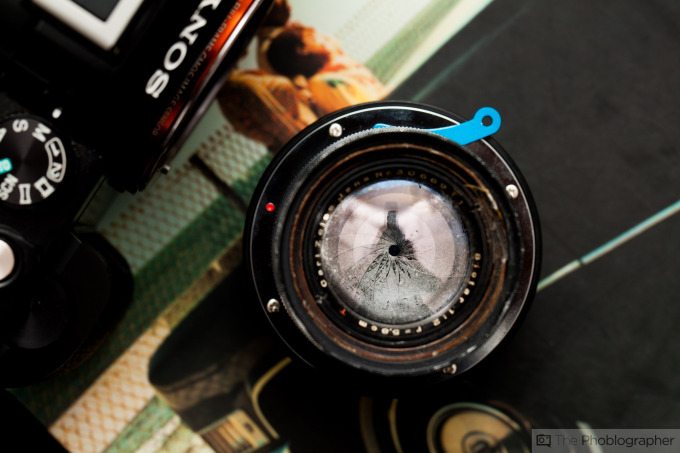
Zeiss’ vintage lens was introduced in 1927 for cinema and later adapted for the Kine Exakta in 1936. The 58mm f2 Biotar has 6-element double gauss design, and this helps to create a distinct look in images. Known as the bokeh monster, it has also earned the name of Soap Bubble Bokeh. That’s because it can produce a swirly effect at medium distances. It also has various versions of lenses with aperture blades. For instance. the 17 balde was the early manual version, while there was also a 10 to 12 blade varaint, and then a standard 8 blade version. As we explained in our artcile, “This lens has many, many aperture blades and gave off some really creamy bokeh. If you can get the focus correct, it can also be very sharp. But what you’ll really want this lens for is the bokeh.”
Get rid of the ads!
Did you enjoy reading this article as much as we enjoyed writing it? There's a way to support us and our reporting, getting ad-free navigation and more as a bonus. Subscribe to us for less than a coffee per month —just $3.99— or take advantage of our yearly subscription with a hefty discount for only $25.- An ad-free experience
- A free mystery box for Lightroom or Capture One
- All the books in our store
- 20% discount on Capture One
- 30% discount on Imalume Photo Theft Protection
- 20% off Herbs and Kettle Tea Company.
- 20% off your order from MPIX printing services.
- 5% off Viltrox Products via their eCommerce store.
- 10% off all film developing, printing and scanning services from Blue Moon Camera and Machine
- 15% off 7Artisans products: The lens and accessory maker is offering a sweet discount for Phoblographer's readers.