

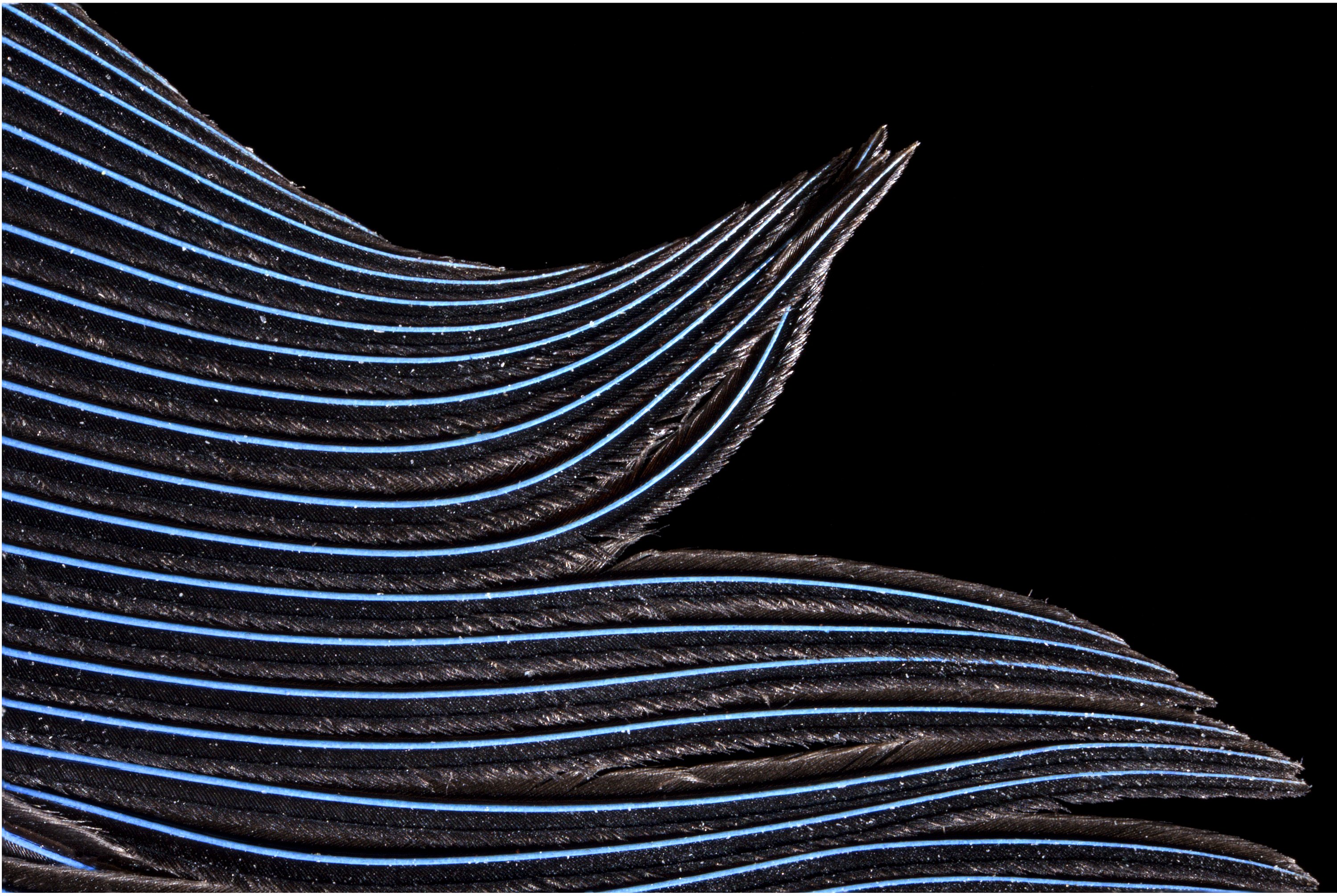
Human activity has greatly affected our ecosystem. According to a new study published in Nature Communications, we have driven 640 species to extinction. That’s about 12% of the population, and it also includes species that have never been recorded. Another report adds that about 669 to 738 bird species are at risk of extinction over the next few hundred years, which will be due to extreme climate crises and deforestation. On this National Bird Day, we have decided to focus on the beauty of birds by featuring various bird photographers and their stunning work. If we don’t take action and spread awareness now, we risk living in an emptier world of these wonderful creatures.
The lead image is by James Henderson. All images are used with permission.
Peter Cavanagh
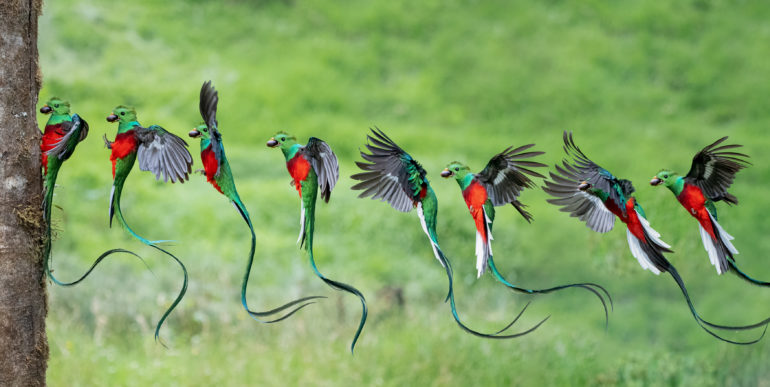
Author of 100 Flying Birds—Photographing the Mechanics of Flight, Peter has shot half a million images of birds since he was nine. Through his images and book, Peter hopes to remind us of a critical aspect of our ecosystem we are forcefully eradicating. These birds are not just pretty; they also add value to our environment. The image above is an example of this. The bird called Resplendent Quetzal carries its food. However, you will soon realize that this species plays a key role in designing seeds across the ecosystem. It is also the national bird of Guatemala.
In his interview with us, Peter said:
While waiting impatiently for the next generation to usher in a more nature-friendly epoch, photographers can help accelerate awareness. We travel to places that most people only know from magazines or nature documentaries. We visit the great reservoirs of avian biomass such as the Pantanal in Brazil and the Amazonian regions of Peru that are most threatened by deforestation and climate-induced wildfires. It is my hope that by capturing and sharing the ethereal beauty of bird flight, I may have nudged some readers to take a more combative and evangelical stance on turning back the tide of the sixth extinction.
Adam Jones
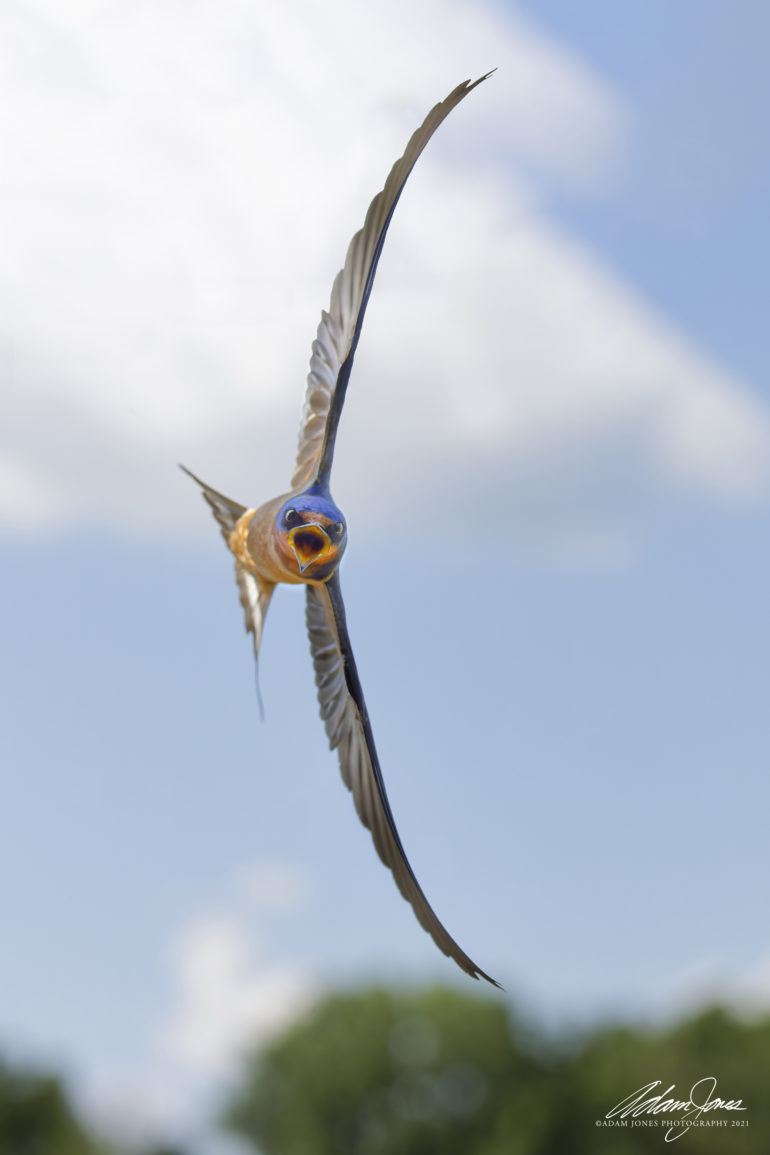
A wildlife photographer, Adam, recounted how a Barn Swallow attached him repeatedly during a shoot. For the unversed, barn Swallows have a love-hate relationship with humans, and sometimes, they can be more aggressive than other birds. The photograph is from that shoot, which clearly reveals a very enraged swallow. The bird clearly was not happy being photographed, and it didn’t shy away from showing. We often forget animals have emotions, and sometimes, we have to pay the price for being ignorant about their needs and habitats. Thus, we had to include this image in our National Bird Day feature. The important role Swallows play in nature is that they eat insects, help people from infestations, and are territorial. Like cats, they do not allow other birds to approach their nests.
In his interview with us, Adam said:
Be open to the awe and wonder of the natural world you live in, and you will never run out of subjects to photograph.
James Henderson
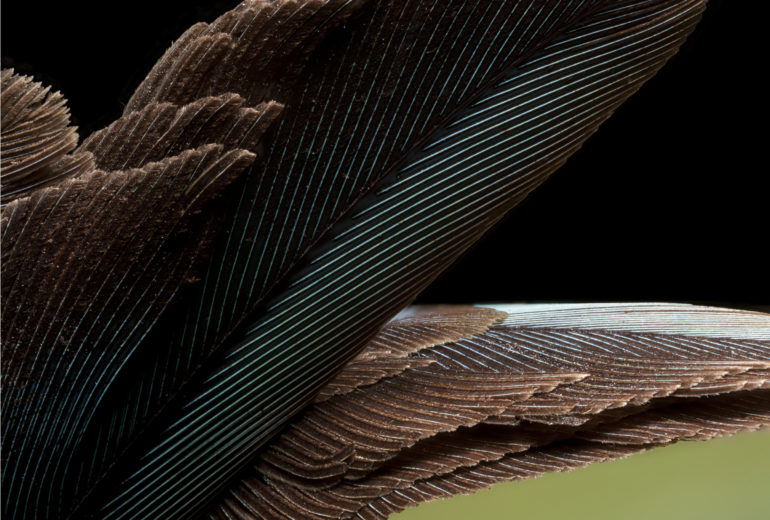
James found a feather of a bird at a beach, which we brought back home. He observed it for several months before the idea of the project came to him. Thus began his journey to document feathers, including the feathers of the Carolina Parakeet, which is now considered extinct. The species went extinct in 1918. with a few museums having its taxidermy on display. The image above is of one such Carolina Parakeet, and this close-up can make you appreciate its beauty. Other important things include the fact that this species was the only parrot species that was native to America and was helpful in dispersing seeds. “It (project) wasn’t designed to be a conservation message, but you can understand a little more why we need to be careful,” James said. This is why it is featured in our National Bird Day feature.
In his interview, James said:
I started with feathers I found, then got the pet store feathers to work with. Then I approached museums and showed my work. That got me access to museum specimens and even from an endangered bird rehab center.
Carolina Fraser
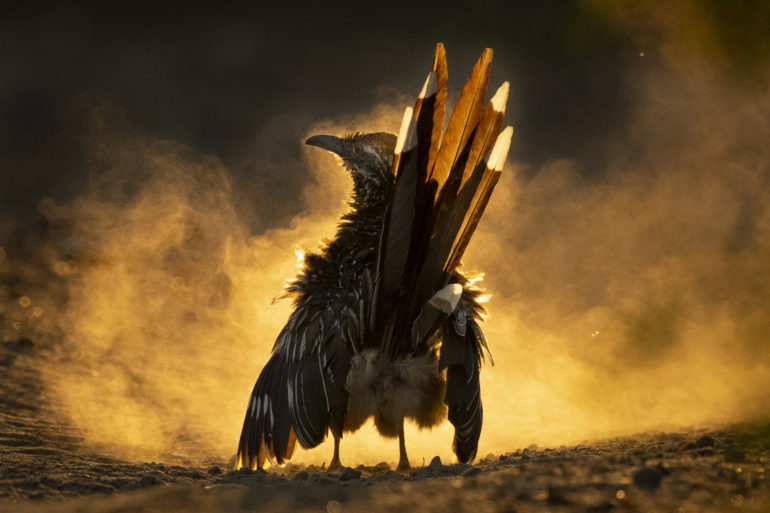
Carolina’s images, which won the Audubon Photography Awards in 2015, are often layered and try to give context about the species in relation to its surroundings. The image above is an example of how she photographed a roadrunner against the sun. Roadrunners are losing their habitat due to urbanization, which is affecting their survival. Roadrunners are important in many cultures and play a vital role in controlling insect populations. The image above portrays the beauty and strength of one such Roadrunner. The wisps around it make it appear as if it will deteriorate in no time. And that is very telling considering their situation.
In our interview, Carolina said:
For my roadrunner photo I underexposed and manually in camera adjusted my white balance so that the picture would come out exactly how I wanted it. The most important thing that I keep in mind when photographing wildlife though is simply making sure the animal(s) is comfortable. And you don’t have to get close to the animal!
We hope our National Bird Day feature has helped you understand the significance of birds. We encourage you to go out and capture more images. This may further aid conservation efforts and foster empathy for our ecosystem.
Get rid of the ads!
Did you enjoy reading this article as much as we enjoyed writing it? There's a way to support us and our reporting, getting ad-free navigation and more as a bonus. Subscribe to us for less than a coffee per month —just $3.99— or take advantage of our yearly subscription with a hefty discount for only $25.- An ad-free experience
- A free mystery box for Lightroom or Capture One
- All the books in our store
- 20% discount on Capture One
- 30% discount on Imalume Photo Theft Protection
- 20% off Herbs and Kettle Tea Company.
- 20% off your order from MPIX printing services.
- 5% off Viltrox Products via their eCommerce store.
- 10% off all film developing, printing and scanning services from Blue Moon Camera and Machine
- 15% off 7Artisans products: The lens and accessory maker is offering a sweet discount for Phoblographer's readers.