

When you first pick up the camera, you will be taught about the do’s and don’ts of its technicalities. Once you master them, you are thrown into the pits of guidelines for your compositions. When you finally learn how to make a good image, you will learn the art of narration. If this stage is cleared with flying colors, you will dabble with post-processing. As you see, photography is a continuous learning curve where people tend to share what you should and should not do. As you train your ‘eye’ somewhere, the ‘I’ loses meaning. Does this mean that the only way to create great photographs is by following the rules?
Rules of Photography Evolve
Today, making a good photograph is no longer just about aesthetics and technical prowess. Other factors, such as whether it is conveying a message, the theme, or its complexity, often also decide what works. For instance, Martin Parr’s images are perfect, well-composed shots, but what makes him great is the subtle humor, the idiosyncrasies of people, and his timing, which all come together in the making of the photograph. It’s the hours of patience and the rigor to keep doing the same thing over and over and to do it humbly, too, that make one like an image more. Similarly, when photographs of the Ukrainian President and his wife by Annie Leibovitz were released, they were called a PR disaster. In 2024, one doesn’t expect glamorous shots of the democratically elected head of the country while his soldiers are dying. The photographs, aesthetically, were pleasing. But the context in which they were created completely overshadowed it.
So, while you learn your rules of thirds, low ISO, layering, and so on, they can help you make a pleasing image, but it is your gut and your empathy that helps to capture a photograph that leaves a mark on people. Today, how people view photographs has changed, as have the platforms. The conformity our ancestors once followed is no longer accepted as it once was. Sure, these compositional rules were borrowed from painting and were continuously taught to young photographers so that their images stand out. But photography is not painting. Time, dedication, and observation skills are of the utmost essence. A fraction of a second delay and the moment has passed. And so, we devise ways to overcome our race against time, which sometimes means chucking out everything we have learned.
Break The Rules Once You Know Them
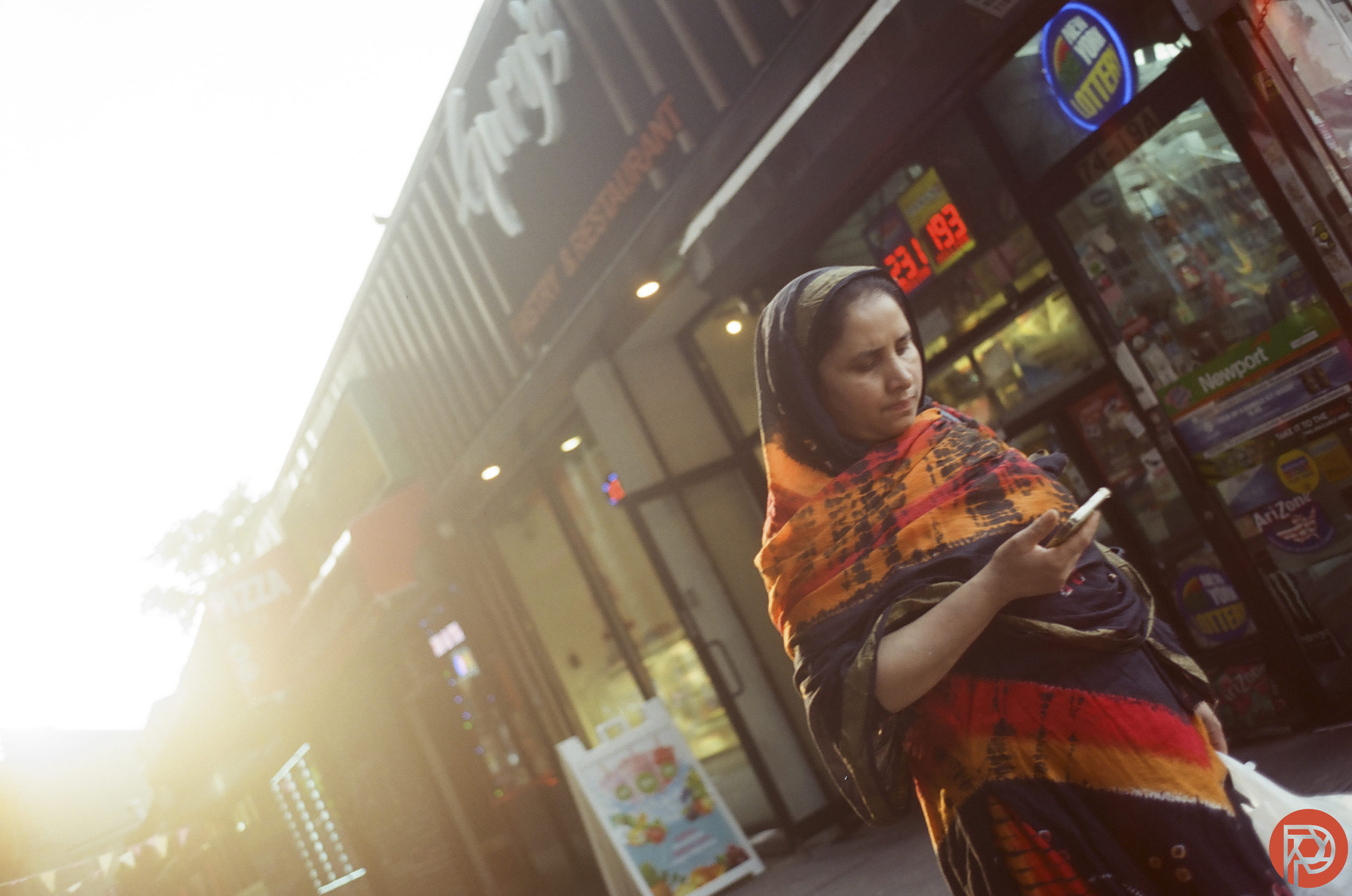
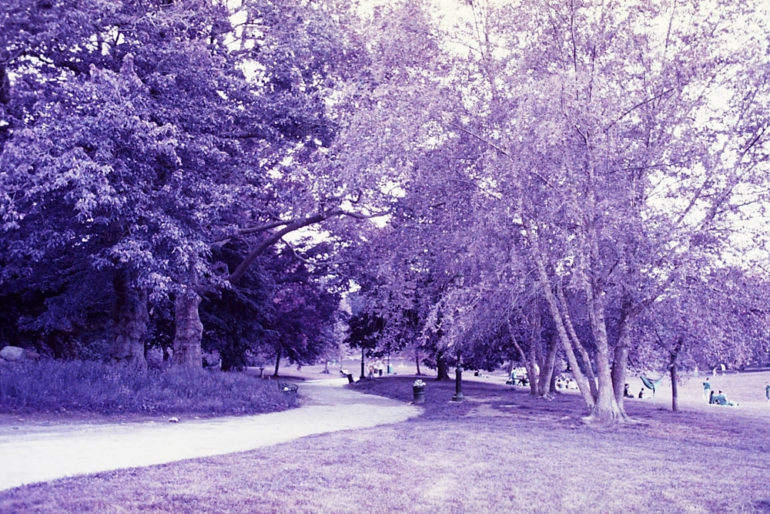
The Phoblographer shared various tips and advice on capturing the perfect image in the past. However, we have also shared an important lesson: to move away from the structures. These rules in photography were taught to help you to see. But they can’t become a crutch for you to always rely on them. Sometimes, a photograph makes more sense if you capture it from the hip or when there are more grains. Higher exposures help eradicate the visual noise in the frame or make it entirely different.

Many experimental photographers continue to learn the rules only to bend them to meet their vision. Even some portrait photographers do it too. We are not saying that you don’t learn the rules. You must know of them before you break them. Otherwise, it will be equivalent to shooting an arrow in the dark. Your photographs will miss the point. This is also why looking at the works of various photographers, masters, and contemporary art will help you mold what you have learned to your benefit. Remember, every photograph you make is a self-portrait. Initially, you may meet with failures, and that is alright. But keep persisting. Taking a picture is easy today, but making a photograph you are satisfied with now will take perseverance.
Get rid of the ads!
Did you enjoy reading this article as much as we enjoyed writing it? There's a way to support us and our reporting, getting ad-free navigation and more as a bonus. Subscribe to us for less than a coffee per month —just $3.99— or take advantage of our yearly subscription with a hefty discount for only $25.- An ad-free experience
- A free mystery box for Lightroom or Capture One
- All the books in our store
- 20% discount on Capture One
- 30% discount on Imalume Photo Theft Protection
- 20% off Herbs and Kettle Tea Company.
- 20% off your order from MPIX printing services.
- 5% off Viltrox Products via their eCommerce store.
- 10% off all film developing, printing and scanning services from Blue Moon Camera and Machine
- 15% off 7Artisans products: The lens and accessory maker is offering a sweet discount for Phoblographer's readers.