

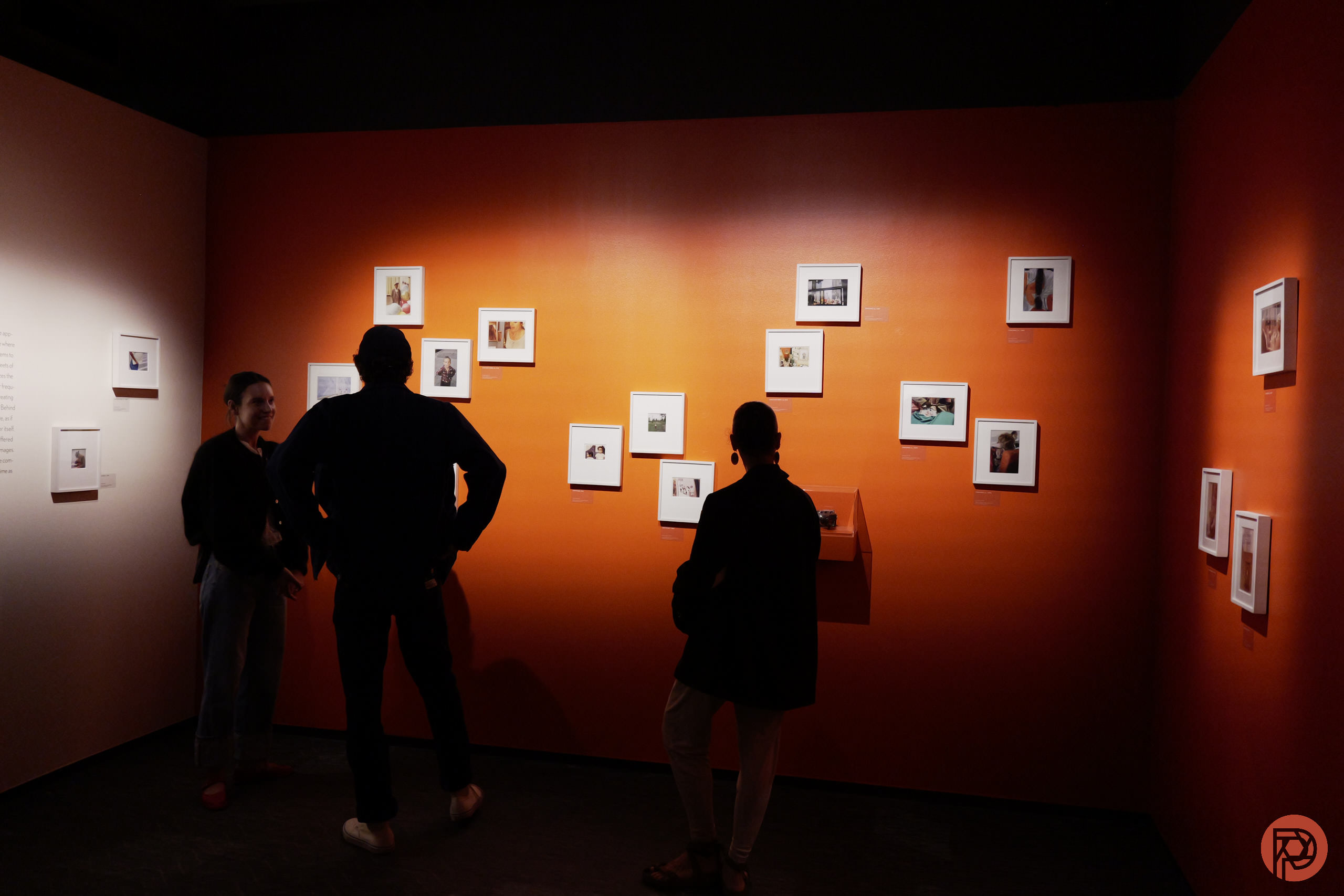
An anonymous person once said: “A picture is a thousand words,” but there have been instances when a caption itself is worth a thousand words. This has been seen on various occasions, especially when one visits a photography festival or plain gallery walls. While there are takers of people writing extensive write-ups and captions for their images, there is another segment of photography who chose to not attach any words to their pictures or deliberately title them “untitled.” In this day and age, when people are gradually losing their habit of reading, where does the mighty “untitled” stand?
The way people view photographs has changed over the years with new formats. Since Instagram took over, the idea of sharing pictures on the go, with little to no explanation, has been a favored approach. However, in more recent years, some have chosen to use emojis and prefer to leave the image without a caption. By nature, a picture with no caption is considered untitled. This is also a choice that many artists from other mediums like painting or music would apply. That is completely acceptable. Then, there are those who deliberately use the caption “untitled,” which gives it a different meaning.
An image, in its entirety, is supposed to help you explain things as they appear. That is the case for reportage. However, a caption is needed in many journalistic outlets to add context to what the viewer sees. This means that in addition to an introduction about the work, a caption will add more layers about the subject in the photo and how it ties to the overall narrative. Similarly, those who make images of the planets or specific pieces of animals would require a similar style to engage the audience. The caption may not just include the name of the flora or fauna but also explain what makes a particular image so exciting.
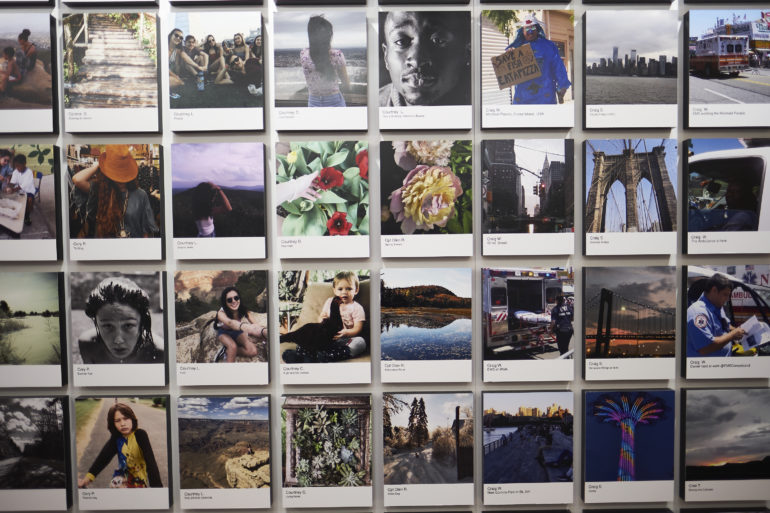
Some photographers, especially in genres like wedding or street photography, prefer adding names of the locations, people, or events they photographed. Sometimes, it is coupled by the year it was captured. Henri Cartier Bresson had the tendency to do so, and so did Ansel Adams.
But when a photographer deliberates captioning an image “untitled,” there are two ways to look at it. Sometimes, the term is adopted in higher-art circles to make an image that could possibly be of someone’s sink appear more profound in nature. Othertimes, it can be used as a means to othering of those who may not have enough knowledge about photography. In a way, “untitled” can be utilized to gatekeep the works of art, limiting the artwork’s criticism beyond a certain circle.
However, there are a handful of others who may use this to push the viewer to think about what the image reveals. For instance, an abstract image or a minimalist image. In conceptual photography, the deliberate use of “untitled” could function really well, especially when the photographer does not want to spoon-feed the viewers.
With the boom of AI and more high art circles adopting “untitled” religiously, the word is slowly losing its luster. Perhaps, a decade ago, it would help one gauge with a photograph. Today, any image titled “untitled” will be looked down upon by man, despite the photographer using it to maintain the authenticity of their work. While one can still use the term as they please, the chances of it leaving an impact are low. This is what happens when certain terms or words gain different connotations over the years, making them more like relics of the past than just simplistic choices to express oneself.
Get rid of the ads!
Did you enjoy reading this article as much as we enjoyed writing it? There's a way to support us and our reporting, getting ad-free navigation and more as a bonus. Subscribe to us for less than a coffee per month —just $3.99— or take advantage of our yearly subscription with a hefty discount for only $25.- An ad-free experience
- A free mystery box for Lightroom or Capture One
- All the books in our store
- 20% discount on Capture One
- 30% discount on Imalume Photo Theft Protection
- 20% off Herbs and Kettle Tea Company.
- 20% off your order from MPIX printing services.
- 5% off Viltrox Products via their eCommerce store.
- 10% off all film developing, printing and scanning services from Blue Moon Camera and Machine
- 15% off 7Artisans products: The lens and accessory maker is offering a sweet discount for Phoblographer's readers.