

Last Updated on 11/15/2024 by Chris Gampat
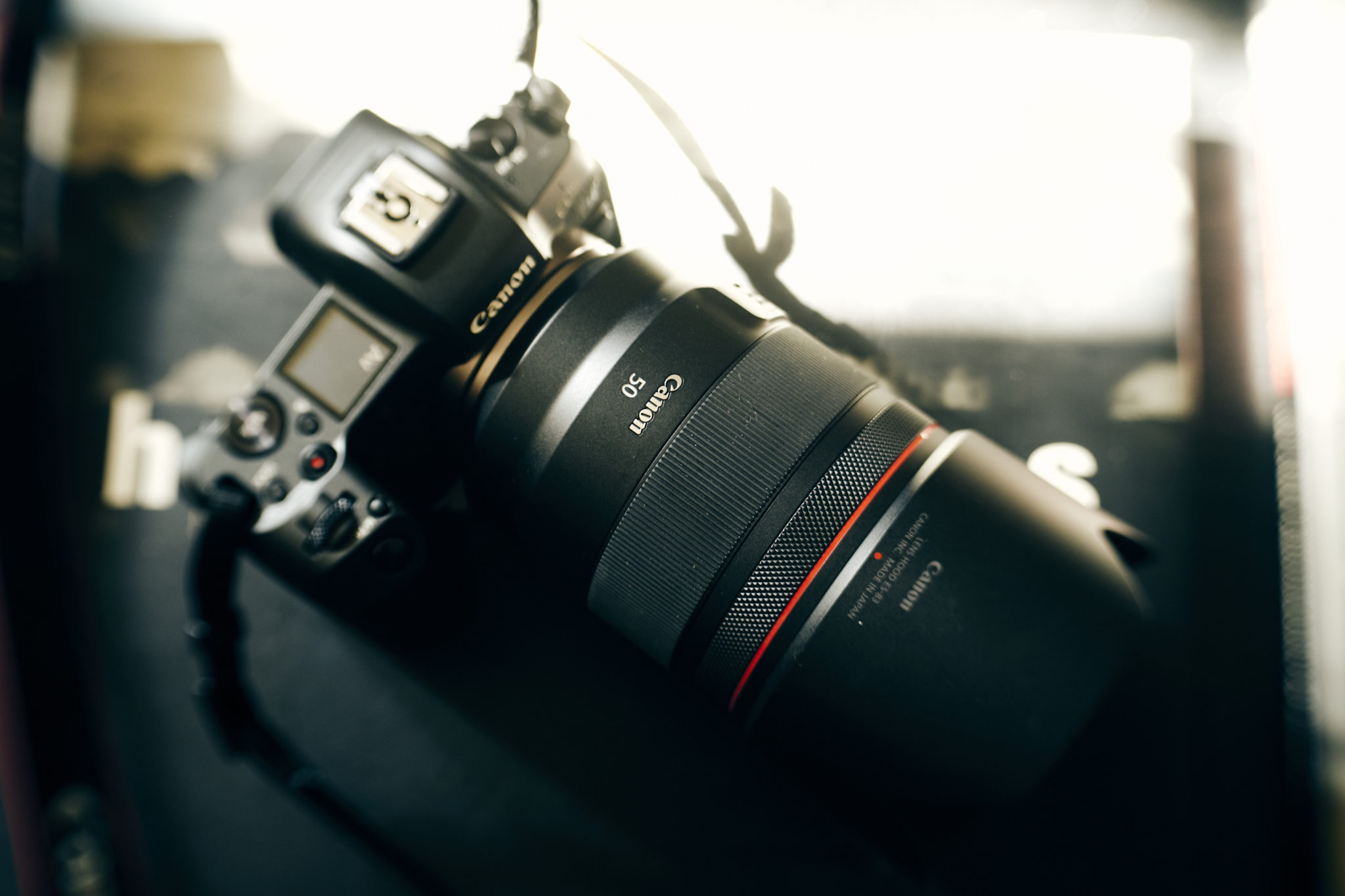
Since Canon launched its mirrorless mount, the RF, in 2018, it has worked hard to provide its customers with the best. Like their cameras, the Canon RF lenses offer a plethora of options for every photography need. So, a year later, we decided to round up the best offerings in our Canon RF lens guide. Today, we have also updated the list, which includes 32 Canon RF lenses, ranging from $300 budget glass to premium professional telephoto. The long guide is quite in-depth; let us tell you a little more about it below.
How We Test Lenses
Before we get into the Canon RF lens guide itself, we would like to explain our review process. We want to be transparent with you because trust is crucial in building meaningful relationships with our readers as a publication.
- The Phoblographer has various product guides, which are created in-house. Our philosophy is simple: you wouldn’t get a Wagyu beef steak review from a lifelong vegetarian. Similarly, someone who doesn’t know the product can’t advise you.
- The round-up features only reviewed gear. So, if we haven’t tested it, we will not suggest it. These small but critical steps prove our industry knowledge, which is gathered through real-world tests. A few stories include also incorporate affiliate links. We may earn an affiliate commission if you buy something through one of these links.
- When we get a lens to test, we must consider various things. For instance, who is the buyer, and what is their use? Based on this, we test the gear in at least three genres of photography, portraying the various situations in which it can be used. A weather-sealed lens is also tested with a weather-resistant camera. Some of the other areas of the test include autofocus in continuous mode, single mode, with exposure preview effects, without those effects, and then with all the major image quality parameters. Interestingly, camera makers don’t create a poor lens today. However, some perform better than their counterparts.
Our Detailed Canon RF Lens Guide
The guide details the difference between Canon lenses’ terms, which is important if you recently switched to the company or are a new customer. There is a table of contents that helps you browse through the list. Our reviewer captured the product photographs, and with each lens, you also see a quote from the review and an e-commerce link to buy the product. If you want a detailed look at the review itself, you can by pressing on the link above the quote. We believe anyone who is looking to purchase a product must have all the information they can.

While we usually add third-party iterations, we left them out for the Canon RF lens guide. First, that’s because Canon doesn’t allow autofocus from third-party lenses. In the press, too, they made it pretty clear they want Canon users to purchase the authentic Canon lens. There are some manual-focus lenses, but we wonder how many will use them. The only autofocus lens from a third-party maker was created by Samyang. But it is impossible to get your hands on them today.
Furthermore, the Canon RF lens guide only features RF lenses. The RF-S has not been included because the company treated the APS-C products as second-rate compared to the full frame. The EF 17-55mm f2.8 was a rarity in the latter case, but the RF-S line-up never produced something like this again.
As you read through our guide, you will notice that some lenses received five out of five and the Editor’s Choice Award. For instance, the Canon RF 85mm f1.2 L USM DS won both, thanks to its bokeh, image quality, and robust build. The same goes for the Canon RF 100mm Macro and the Canon RF 50mm f1.2 L USM. These lenses excelled at every point, and that’s why they have earned this status.
We hope you get what you are looking for as you look through the roundup.
Get rid of the ads!
Did you enjoy reading this article as much as we enjoyed writing it? There's a way to support us and our reporting, getting ad-free navigation and more as a bonus. Subscribe to us for less than a coffee per month —just $3.99— or take advantage of our yearly subscription with a hefty discount for only $25.- An ad-free experience
- A free mystery box for Lightroom or Capture One
- All the books in our store
- 20% discount on Capture One
- 30% discount on Imalume Photo Theft Protection
- 20% off Herbs and Kettle Tea Company.
- 20% off your order from MPIX printing services.