

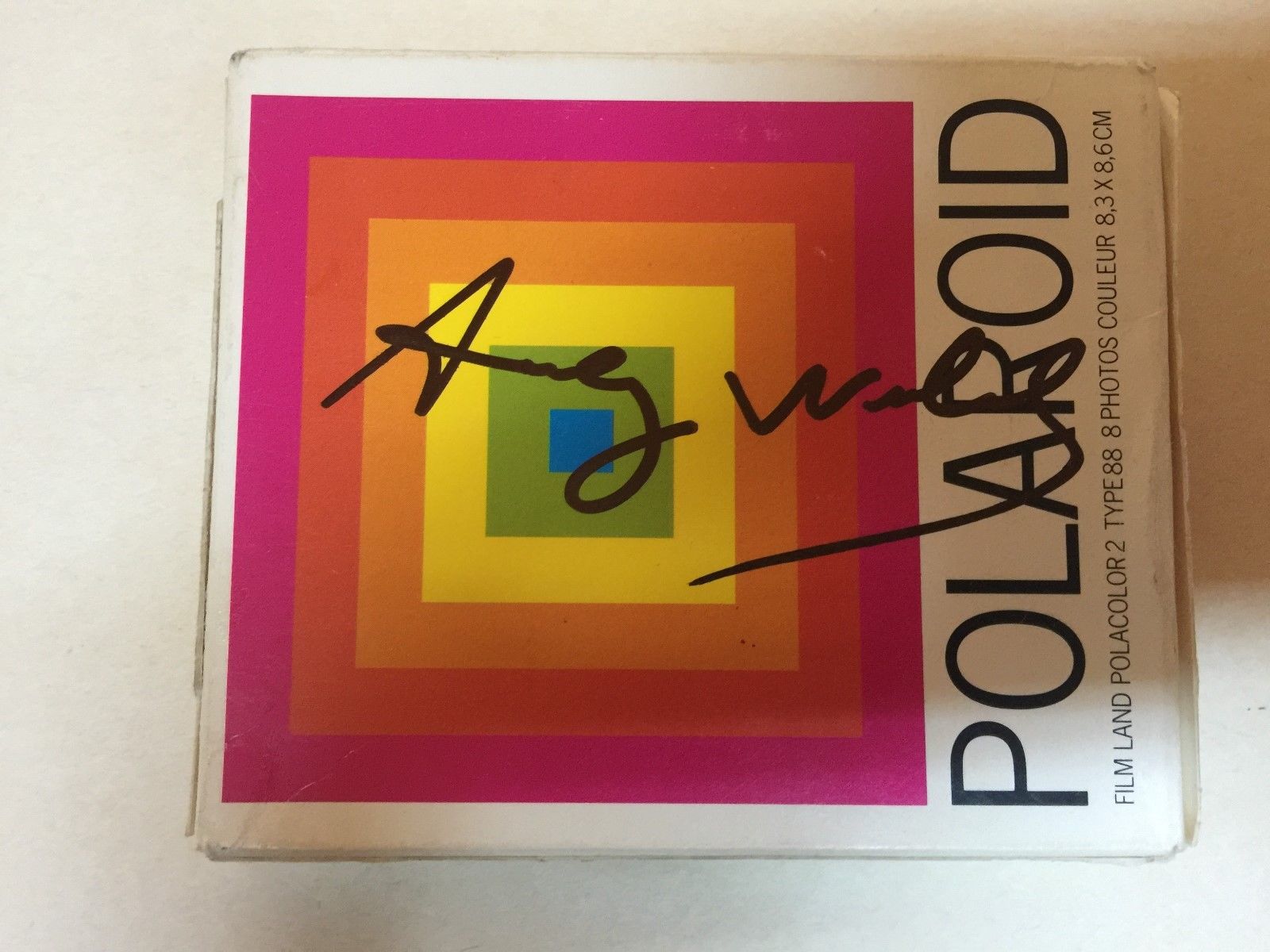
Some photographs represent crucial histories and innovations, frozen moments worth millions or more. Their value can’t simply be measured in wealth; they describe our ancestry, what we were, and who we have become today. Such photos depict a bygone era that we can’t revisit, yet we can live vicariously through the doorway provided by the crystallized memory. The recent discovery of the celebrated image by Andy Warhol is one such example that illustrates the power of photography. And apparently, Warhol’s image could fetch a lot of money.
Lead image used in our previous article.
Thought to be lost once, Warhol’s iconic portrait of Debbie Harry, singer of Blondie, recently reemerged in Delaware, sending shockwaves in the art world. The photograph, created in 1985, represents the visionary who also penned the renowned quote “15 minutes” of fame. Per reports, Harry’s portrait and an autographed disk of ten digital photographs are now available for sale. While the exact amount of this portrait remains unspecified, it’s conveyed to bring millions (Artlyst notes it could fetch a whopping $26 million). To give one a gist, Andy Warhol’s five restored images turned into NFTs were sold for $3.38 million in 2021 at Christie’s.
Why the Portrait Andy Warhol Made of Debbie Harry is Exceptional
Warhol was undoubtedly way ahead of his time. His artworks, including the silkscreen painting of Marilyn Monroe, exemplify his vision as an artist. While Warhol transformed the art world with his pop art movement, his photographs weren’t behind either. During his era as an ambassador for the then-booming tech company Commodore, Warhol produced artworks on the innovative Amiga 1000 home computer. One of the images he created was a live portrait of Harry, shot at New York’s Lincoln Center for the company’s promotion.
The photograph, which seems more like a painting, is considered a critical moment in art photography. In Face It, Harry’s memoir of 2019, she calls this event “pretty amazing” while explaining how the portrait materialized. “They had a full orchestra and a large board set up with a bunch of technicians in lab coats. The techs programmed away with all the Warhol colors, as Andy designed and painted my portrait,” she says, speaking about the process. “I hammed it up some for the cameras, turning toward Andy, running my hand through my hair, and asking in a suggestive Marilyn voice, ‘Are you ready to paint me?’ Andy was pretty hilarious in his usual flat-affect way as he sparred with the Commodore host,” she added. Harry also notes that there are only two copies of the photograph in the world, one with her.
So far, the whereabouts of the second photograph have remained obscured. But not anymore. For the past 40 years, the other copy has been showcased in Jeff Bruette’s house, who was the Commodore’s digital technician and also the person responsible for teaching Warnol how to use the computer. Through a private sale, the technician aims to market the original photograph, the Amiga disk with eight additional images created by Warhol, and an experimental photograph created during Andy Warhol’s Fifteen Minutes MTV show production.
When asked about his experience collaborating with Warhol, Bruette explains that it was a “life-changing assignment.” The technician remarks that now, with the boom of NFTs and digital art, individuals who heard the story behind the image will be “completely riveted.” While highlighting the photograph’s significance, Brunette adds, “I thought it was time the world got to interact with this extraordinary artwork the way it was meant to be experienced.” He hopes the photograph will now find “the right home” and adds that the decision to part was to get a “comfortable” retirement.
In a world fraught with really mediocre AI-generated images, Andy Warhol’s computer-generated portrait reminds us that good art only comes from genuine human experiences. Everything else is simply an instrument to obtain that vision to life.
Get rid of the ads!
Did you enjoy reading this article as much as we enjoyed writing it? There's a way to support us and our reporting, getting ad-free navigation and more as a bonus. Subscribe to us for less than a coffee per month —just $3.99— or take advantage of our yearly subscription with a hefty discount for only $25.- An ad-free experience
- A free mystery box for Lightroom or Capture One
- All the books in our store
- 20% discount on Capture One
- 30% discount on Imalume Photo Theft Protection
- 20% off Herbs and Kettle Tea Company.
- 20% off your order from MPIX printing services.