Learn

Changing The Quality of Light Outdoors

by Sander-Martijn on April 2, 2011

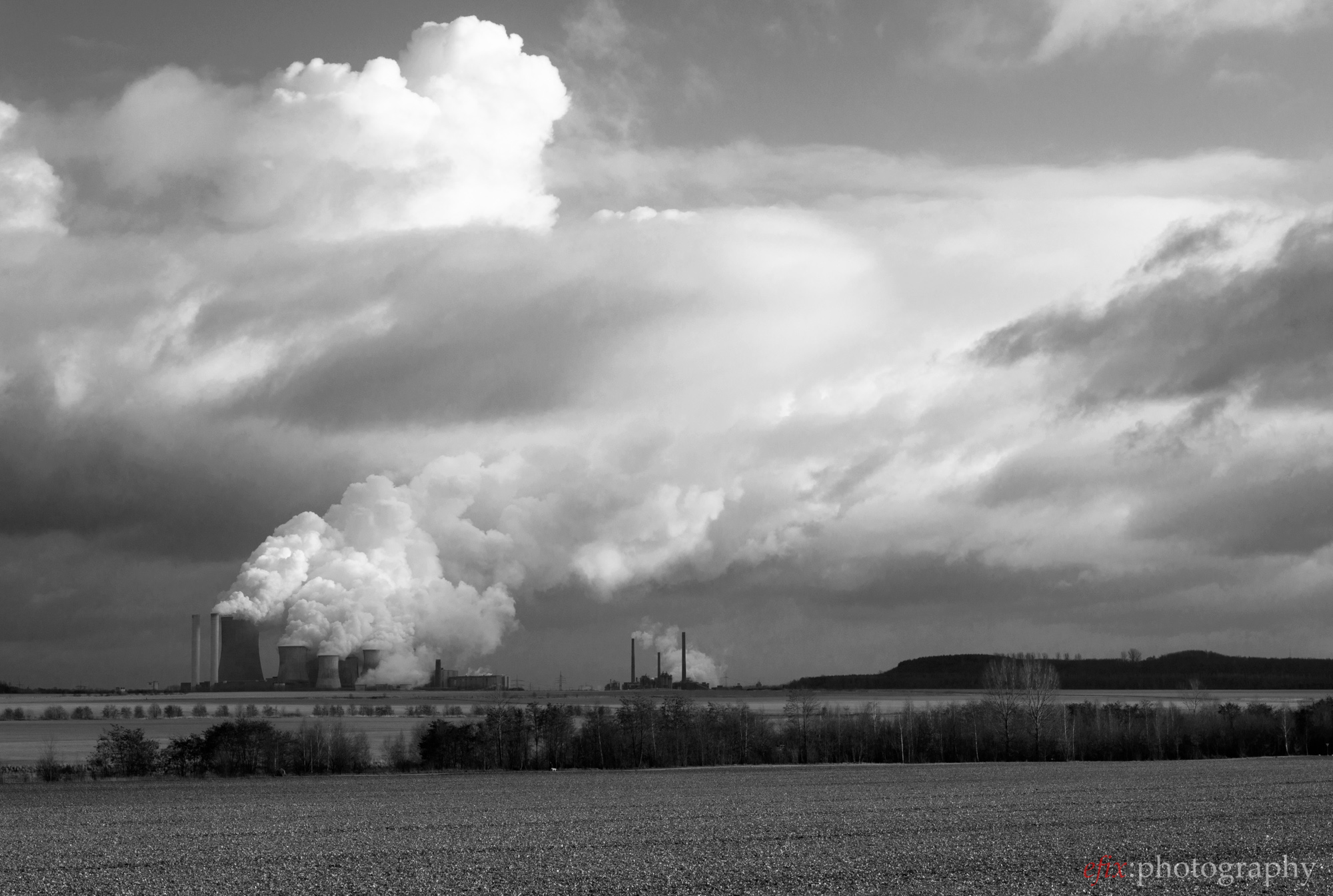
Photo by Chris Gampat

I’ve talked about changing the qualities of light before in my post Understanding light: Intensity vs. Quality, but mostly in regards to the studio. When shooting outdoors you are subject to the elements. Sometimes you get a cloudy day when you want soft lighting or a bright sunny day when you want strong shadows. Other times you have the opposite of what you want that day – but there are still things you can do.

[click to continue…]

{ 1 comment }

The Quick Beginner’s Guide to Using A Photo Studio

by Chris Gampat on August 9, 2010

At some stage in their career, every photographer will have need and use for a photo studio. It is the place where the photographer has almost total control of what is being photographed. Some are intimidated by the studio. This posting is for those photographers and by the end of it, you’ll probably understand and love the studio more.

[click to continue…]

{ 0 comments }

Softball Out of Focus

Out of Focus

Story by Timothy O’Brian of Blind Photographers on July 30th, 2009.

I have had some trouble focusing recently. Not with concentrating (not more than usual anyway), but with my camera. Being visually impaired, I have to rely on my camera’s autofocus. Using manual focus requires that I can see the viewfinder. I use the viewfinder to compose (mostly), but definitely not to focus. Unfortunately, autofocus does not always save the day.

Over the last month or so, I have shot a baseball and two softball games. I had more than a few instances where I thought I was focusing on a player in the infield (the pitcher, batter or a runner), but the camera instead focused way off in the distance, usually the outfield fence. This ruined an unnecessary number of shots that would have otherwise been submitted to the paper. The photo editor commented to me about this, letting me know that he needed me to sort out this issue.

Cliff Toss

I had tried the different focus setting on my D40X, closest subject, dynamic and point. I had no luck whatsoever in getting consistent focus out of the camera. An unlikely rescue happened however. A young DC filmmaker came down for a visit to understand better the how photographic workflow is affected by visual impairment for an upcoming short film about (you guess it!) a blind photographer (follow news of The Blind Photographer movie on Twitter). I showed Isaiah, the producer, the raw results of the baseball assignment and explained the issue. He suggested a solution that seems to be quite widely known (except to me). Borrowing from an article, Turn Off Autofocus – Do it Yourself! on Photography Bay, by fellow visually-impaired photographer Chris Gampat, “As I’ve learned when shooting actresses in short films while in college, it’s best to zoom in the tightest you can, focus on the exact point that you want the shot to be, zoom all the way out and then recompose your shot. This way all the detail that you could possibly want to make your shot work will be available to you.” I have tried this out with great results. I zoom in on the subject (or on something of equal distance) and half-press the shutter to engage the autofocus. Then, I either hit the autofocus lock or turn the lens to autofocus mode as I have not yet fully mastered the autofocus lock yet. Success (most of the time).

Originally seen here.

Tim O’Brian is a guest columnist on ThePhoblographer.
Legally blind, Tim writes about accessibility, photography and,
occasionally, both together. You can find out more about Tim on his blog or by
following him on twitter. He is also the founder of Blind Photographers.

{ 0 comments }

The Beginner's Guide to Photography Terminology

by Chris Gampat on February 15, 2010

So you want to get into photography? Great! There are a couple of terms that everyone really needs to learn first before they get into this and beforehand. They are the most basic of terminology that is essential to photography. I will be using these terms throughout my pieces and this is a good reference guide for students that are taking a photography class as well.

[click to continue…]

{ 9 comments }

A Brief Explanation of Your Camera's Shooting/Scene Modes

by Chris Gampat on December 29, 2009

Fact: most people don’t read their manuals when they buy a new camera. Further, if they do, they have no idea what most of it means to them. If you’re one of those people, or know them, then this is the blog post for you. As a photography instructor, I’ve seen lots of people take photos then look at their images and wonder why they’re not getting the results that they want. Something I learned in computer programming is that technology only does what you tell it to do, not what you want it to do. More on how to tell your camera what you want after the jump in a concise compilation.

[click to continue…]

{ 0 comments }