Today is a day thats been a long time coming now, back in September Fuji released a statement saying that they are planning to cease film production and today was that day. Let it be known that on the second of April 2013 Fuji has announced that they are bringing all of their motion picture films to a halt. Fuji will continue to sell motion picture film as long as they have stock to sell but I’m sure it won’t be around for long.
I know a lot of you understand what this means for the industry as a whole and those of you who don’t will soon find out. Announcements like these along with the price hikes on consumer films is making it a really stressful time for those of us who believe in film. Kodak is still making motion picture film and they should be coming out of bankruptcy this year. Hopefully the current generation of film lovers can keep it alive long enough for the next one to enjoy it.

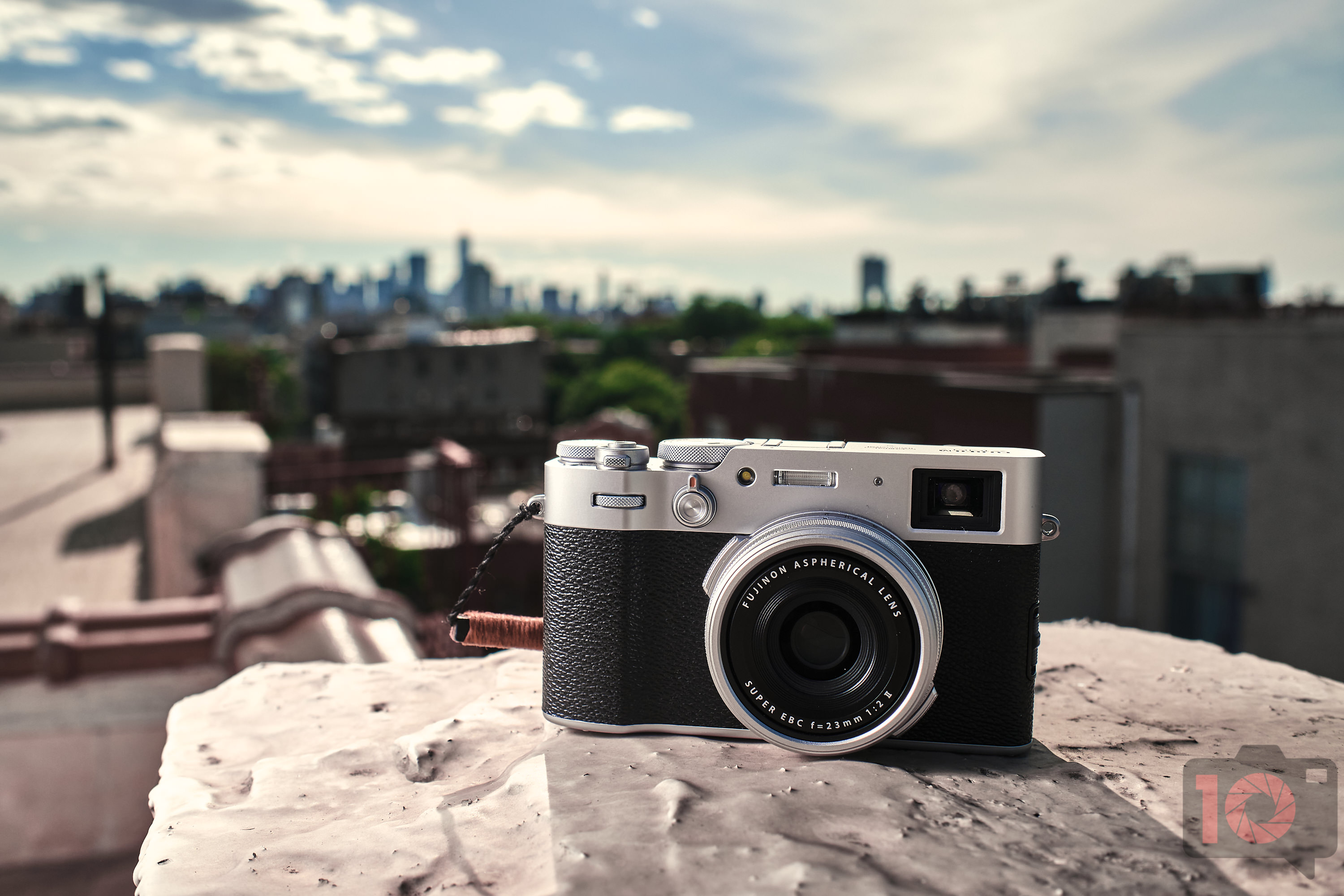
The Fujifilm X-F1 Compact Camera is the latest model to come out of the X-Series, and it breaks into a new class of camera for the series. While the X10 grazed the compact camera field, the X-F1 bravely enters and takes the center stage as their flagship pocketable compact camera. Bowing up to larger competitors like the Canon S100 and Sony RX100, this camera takes a stand as a new way of addressing a common consumer market. With its exclusive lens extension system and the trend-setting retro return to leatherette and metal bodies, this camera boldly stakes its claim in the top shelf as a premium compact camera.
Not one to breeze by on looks alone, the Fuji X-F1 boasts some impressive performance capabilities and the image quality that has become a trademark feature of the X-Series next to their undeniably sexy exteriors. The functionality and interface that Fuji has crafted for this particular model in their lineup also makes for an enjoyable and rewarding shooting experience that makes one wonder how necessary some of the larger and more unwieldy cameras on the market really are for the average daily carry.
So, obviously the Fujifilm X-F1 can boast considerably in various qualities and accolades, but how does this camera really measure up in daily use? I held this question fully in mind as I touted this little wonder around for a couple weeks and hope to impart a little of the experiences I had with this camera as faithfully as I possibly can. Let’s dive in to see just what makes this small image maker really shine and where it flounders.
Jump to the Article

For a couple of days now, the net has been abuzz about this new lens for Sony E, Micro Four Thirds and Fujifilm X mount. The iBelux 40mm f0.85 is to date the fastest aperture lens developed for any of these systems. It is being made by Kenko and IBE jointly. Kenko has been known for making some very good accessories for these systems, such as Macro converters.
The price for this fully manual focus lens with very little information so far? Apparently it will set you back around $1,000 according to Fuji Rumors.
These lenses aren’t the only ones that are super fast though. 43Rumors states the the SLR Magic 25mm f0.95, SLR Magic 50mm f0.95, Voigtlander 17.5mm f0.95 (which I own and reviewed quite positively), Voigtlander 42.5mm f0.95, and Voigtlander 25mm f0.95 are the other major fast aperture lenses out there.

The X-E1 Mirrorless Interchangeable Lens Camera is an interesting take by Fujifilm on the EVF cameras that have been dominating the mirrorless category for a couple of years now. Since the mirrorless camera by nature does not allow for a true through-the-lens viewfinder, if manufacturers wanted to put a viewfinder on the camera they had to used an electronic one. That is, until the Fuji X100 came along. (I’m leaving digital rangefinders out of this statement because they are not the same thing as a mirrorless camera although they are functionally similar).
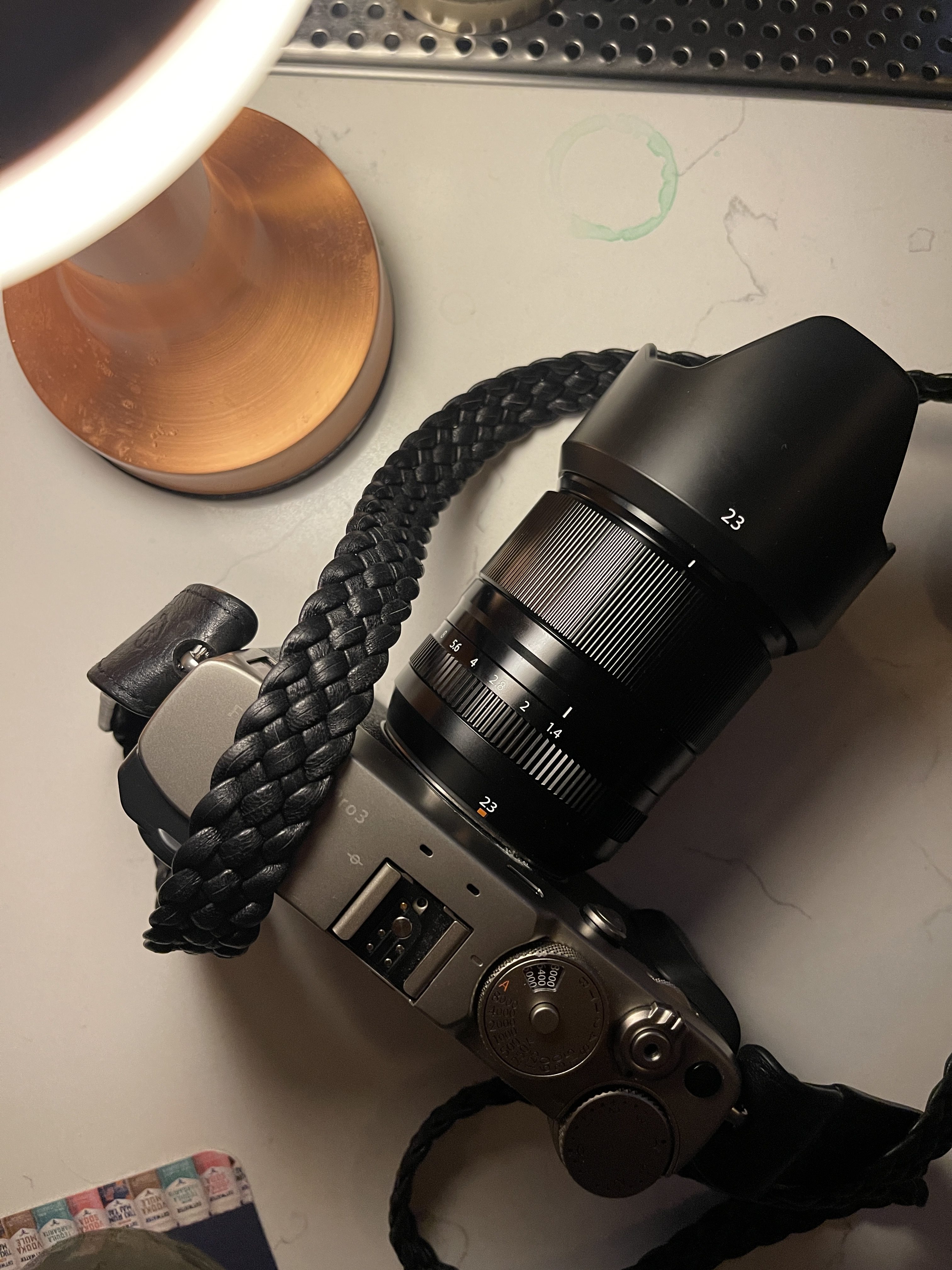
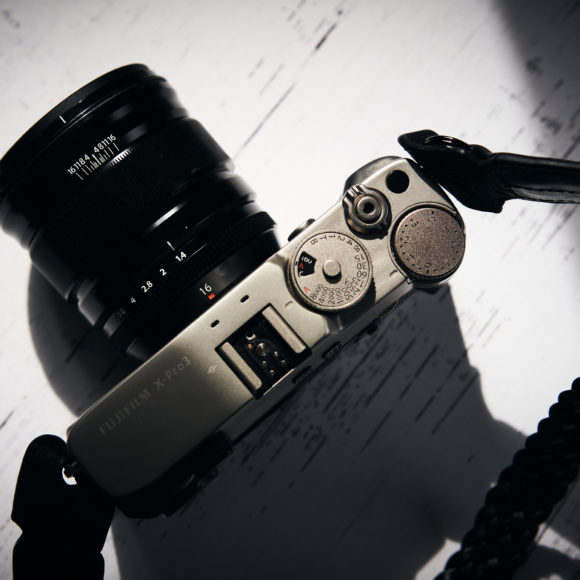
While technically a compact professional camera, the Fujifilm X100 was such a game-changer that Fuji expanded upon that camera with a few more fixed lens models before finally releasing the Fuji X-Pro1 Mirrorless Interchangeable Lens Camera in 2012 based on that same innovative Hybrid Viewfinder that wowed so many of us in 2011. The combination of interchangeable lenses with that unique viewfinder proved to be a mighty force in the camera world and has proved to be a decent seller despite the apparently steep introductory price tag.
With so many people crying again for a better EVF for use in manual focusing and with legacy lenses, Fuji has responded promptly with the Fujifilm X-E1 Mirrorless Interchangeable Lens Camera. This is all very interesting of course, but the real question stands, does it hold it’s own against its predecessors and really compete with its contemporaries?
Read the Full Review

This may not be the Fuji announcement that we have all been waiting for but they are new cameras nonetheless. We have a few different models with a recurring theme of feature packed big zooms. What you have ahead of you is a consumer pocket camera, rugged tough cam, and three bridge cameras each with ridiculous optical zooms.
[click to continue…]

Even before I had a chance for a first impression, I really did not have great expectations for the Fuji X-E1 Mirrorless Interchangable Lens Camera. I like what Fuji is doing with their X-Series and I am really excited about the directions that the company is heading in the mirrorless market; but, when I heard that it would be an EVF only camera and completely ditch the hybrid viewfinder that made both the X100 and X-Pro1 so groundbreaking, I was less than ecstatic. How can an EVF camera ever hold it’s own against the kind of ingenuity and classic camera experience that the Fuji X-E1’s predecessors offer?
Jump to the Article