dynamic range

1357064610

RED has been talking about their upcoming Dragon sensor for a while; often claiming that their sensor is capable of achieving 20 stops of dynamic range. Last night in the REDUser Forum, Jarred Land posted an update on the project. It’s been one of their most difficult tasks to date, but they’ve engineered a sensor that can do it; and it apparently left one of their engineers speechless for the first time in 10 years.

RED fans are receiving the news very well too! One commentor stated in response,

“I’m sure the folks at Sony and Arri are saying “WTF” right about now (or at least they will in the morning as they nurse their collective hang-overs). Congratulations to Jim, Jarred and all the talented folks at Red! Happy New Year.”

Now we just have to see real life applications used with the sensor. As it stands, the dynamic range of film is around 16 stops of dynamic range. Look closely at 16 and beyond in this test though and you’ll start to see some clipping in the blacks. However, it is possible and with a good editor combined with the right technology the problems won’t even be visible. Now we just have to wait for monitors, software, and processors to catch up.

{ 10 comments }

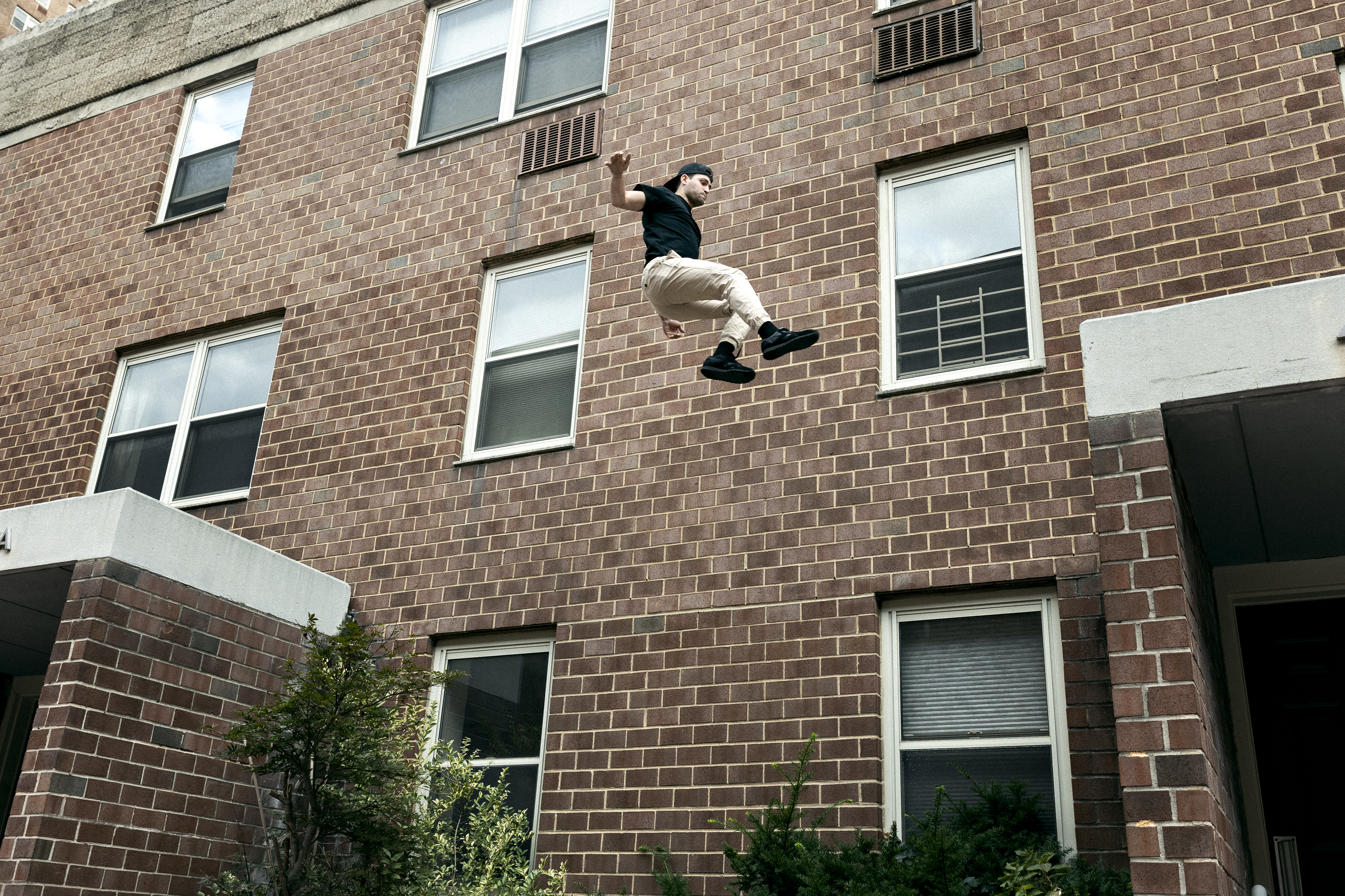
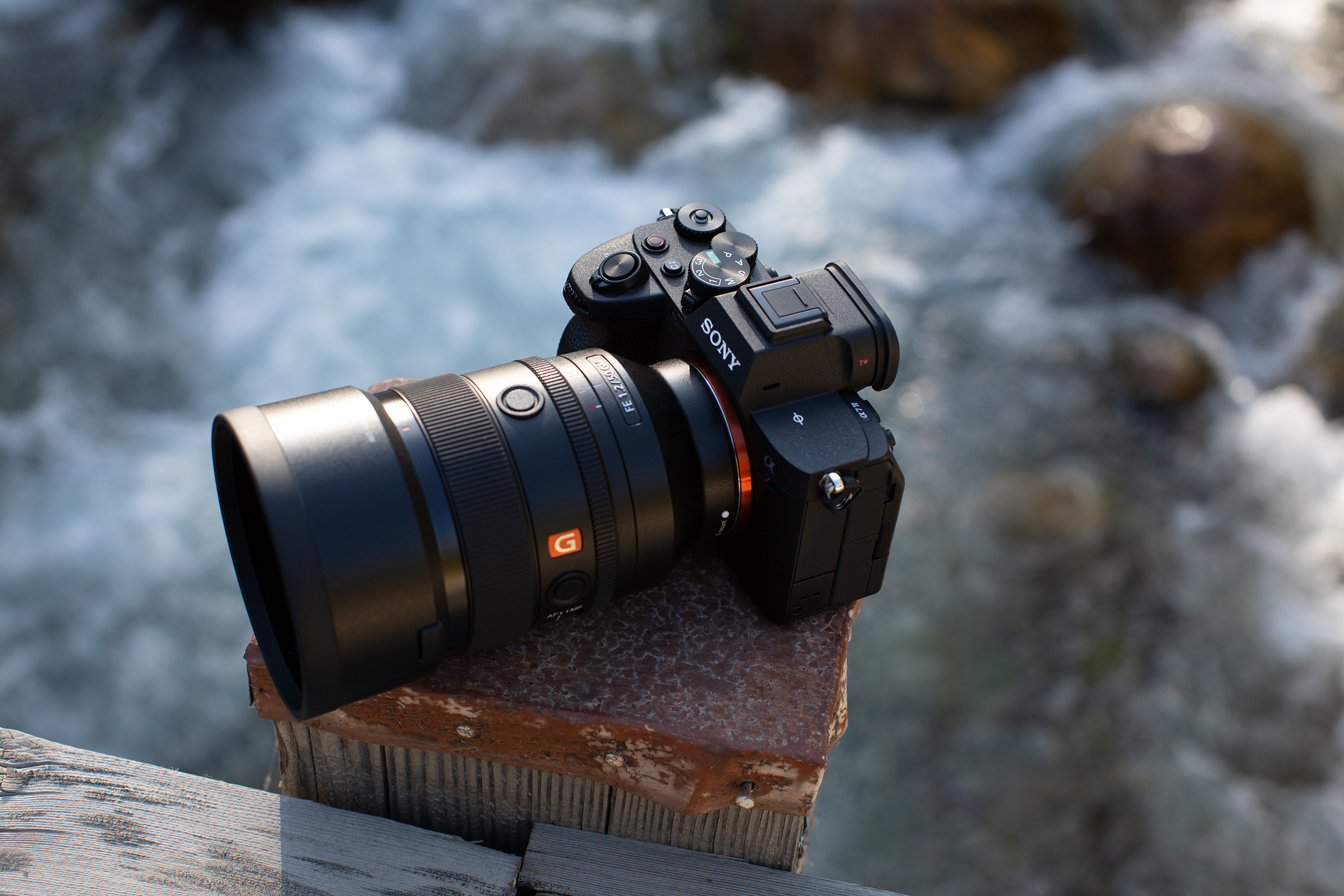
In the past 24 hours, I’ve been testing lots of new cameras from Sony. But the one that I seem to consistently reach for is the A99. By far, it has to be one of the best cameras I’ve ever tested and its versatility makes my jaw drop. It has also opened up a ton of possibilities to me: I’ve shot better sports photos with the camera, better landscapes (and I really think I suck at landscapes though some like my work) and I’ve also for the first time created video with very little camera shake while shooting handheld with a DSLR. The video will come in a later post, but here are my impressions for my experiences today.

Editor’s Note: be sure to check out our three way full frame comparison test, the NEX 6 vs the X Pro 1, our studio shoot with the A99, our first studio sample with the camera, and a high ISO/long exposure.

[click to continue…]

{ 9 comments }

Not long ago, we did a quick high ISO test of the Canon 5D Mk II, 7D, and Nikon D5100. We decided to revisit the test and perform another non-scientific comparison. This time though, we rated the high ISO value and the dynamic range of each camera.

So how did they do?

[click to continue…]

{ 3 comments }

We previously did a full on comparison of the Sony NEX C3 and the Olympus EP3. Now that their raw files can we tweaked in Adobe Lightroom 3, we can compare and contrast their output. Not long ago, we analyzed the EP3′s and then the C3′s. Without further adieu, we present a comparison of the files from the perspective of someone shooting real life—and not some crazy lab test.

Be sure to also check out our full review of the Olympus EP3 and Sony NEX C3.

[click to continue…]

{ 9 comments }

We reviewed the Sony NEX C3 (or NEX-C3, NEXC3, NEX C-3) before, and were extremely ecstatic about what Sony has created. Indeed, it is a lovely camera and the company needs to be commended for doing an outstanding job in upgrading from the previous model. When we did our review, the RAW files could not be edited in Adobe Lightroom 3. With the latest update to the software, this has changed. So what does this little powerhouse have in store?

[click to continue…]

{ 4 comments }

When we reviewed the Olympus EP3 (or EP-3 and E-P3), the raw files weren’t editable in Adobe Lightroom 3. With the release of the latest update, they are. We’ve already seen that the camera does a great job so far and it truly one of our favorites, but has Olympus really learned their lesson with the Micro Four Thirds sensor output?

[click to continue…]

{ 13 comments }