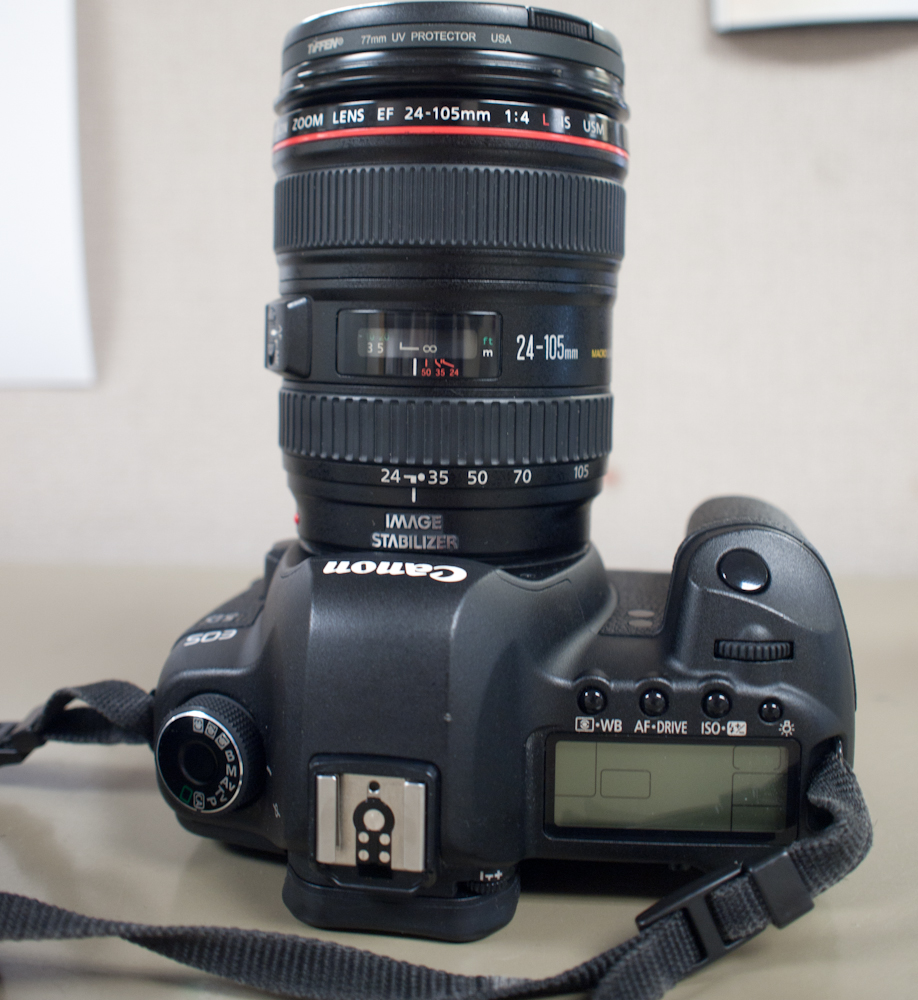
Every photographer has a go-to lens that helps them to accomplish their daily tasks. What’s yours? Mine was (and in some ways still is) the Canon 24-105mm F/4 L IS. It has been by my side through paparazzo work, weddings, portraits, events, sports, and it has even been my casual walkaround lens. Used on the many cameras that have passed through my hands during reviews, it has been a mainstay on either my Canon 7D or 5D Mk II: always remaining ready to be used in an instant.
This long term review will cover the two years I’ve spent using this lens and will summarize the faults and strengths of this beloved piece of plastic with the heart of glass.
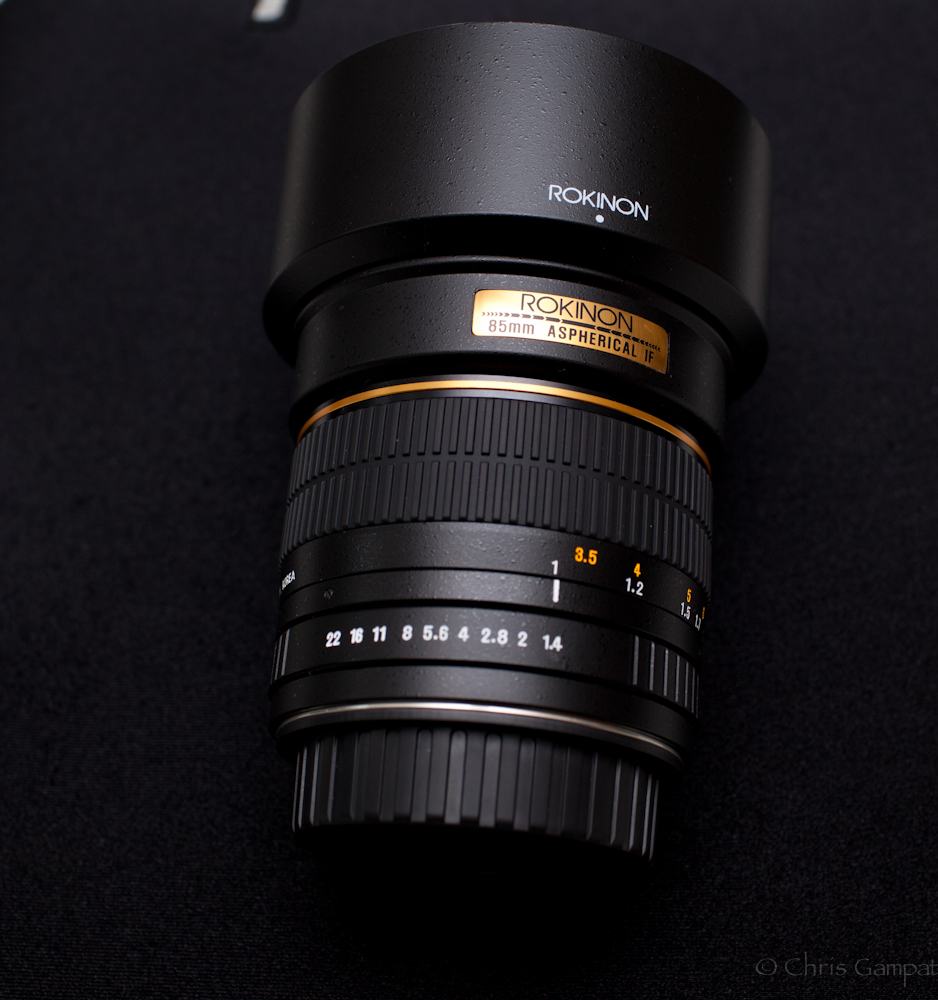
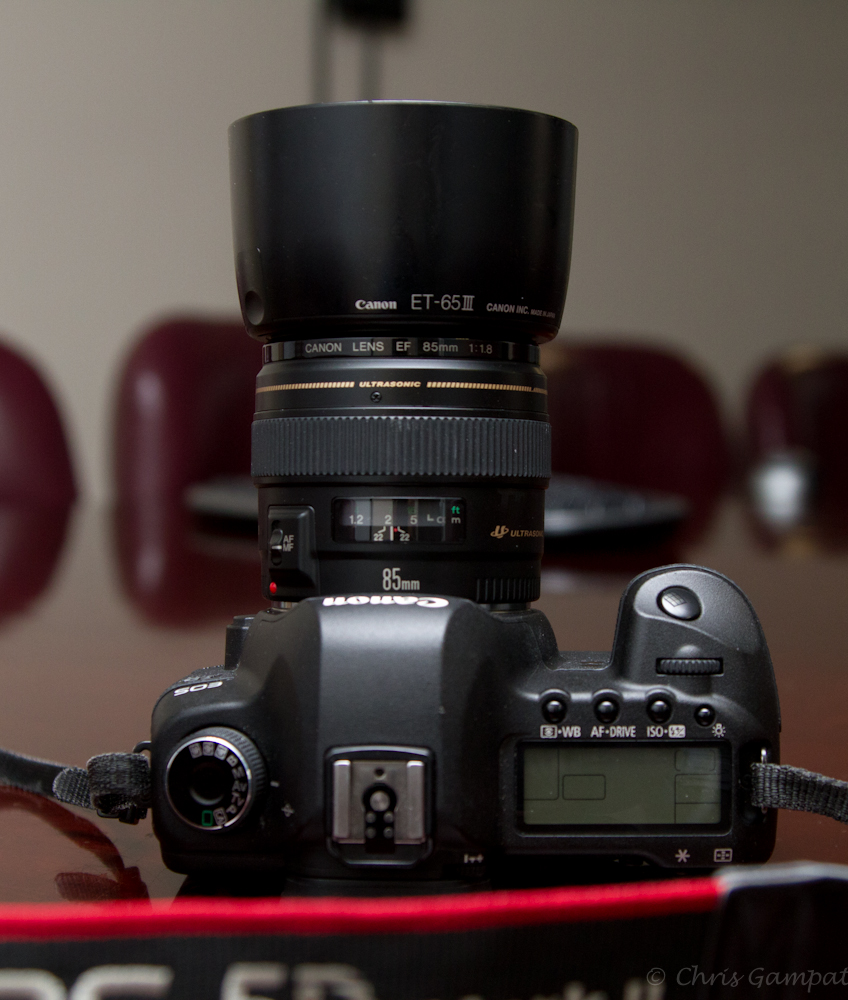
The Canon 85mm F/1.8 is the company’s budget level portrait lens, and a heck of a lens at that. Touted by photographers, Flickr groups, and reviewers as one of the best bang for your buck options; the 85mm is a lens that most people should at least consider. I’ve been shooting with this lens for over a year but never decided to do a full field review for the reason that it’s not new. However, this single long review will encompass some of the work that I’ve done throughout my various postings on this site, and we’ll help you determine whether or not it’s for you.
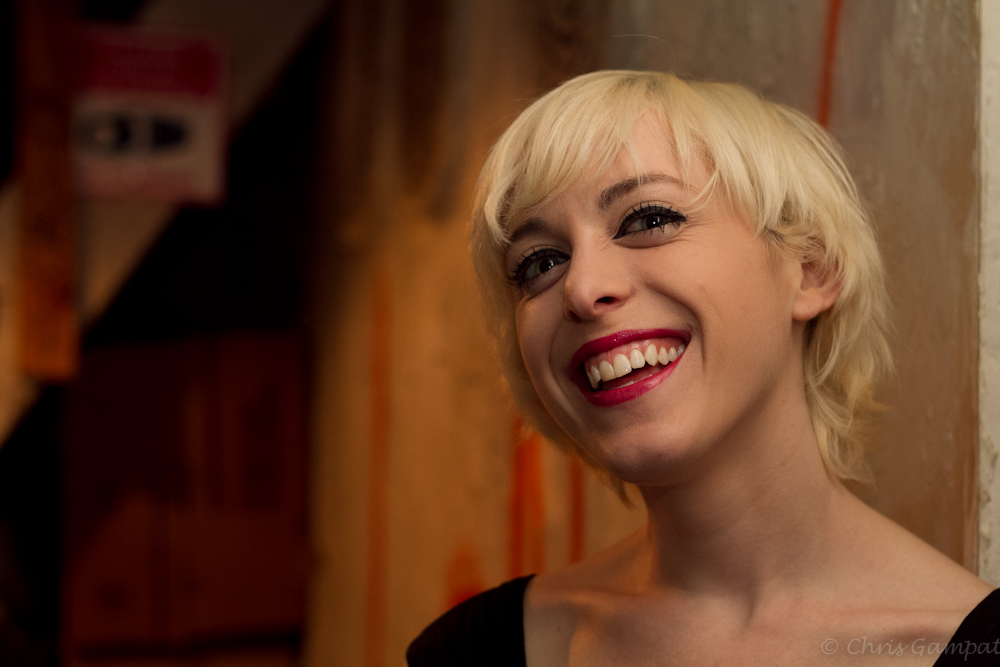
The other night, my good buddy Mike Florio and I shot a concert (photos and video) for the band Mancie. It was a favor for my other friend, Andrea Fischman, who leads that band and is a fellow photographer. Andrea wanted me to do a couple of portraits of her, her friend and the band. This was at around 8pm at night, and it was super dark—perhaps one of the darkest venues I’ve shot in. However, I was able to beat the darkness with a single speedlite and by making the most of it by placing it in the right spots. Here’s how I did it and how you can figure out how to do this as well.
So the other night, my good friend Mike Florio and I shot some video footage for my friend’s band: Mancie. The footage is in the video above, but we’d like to know if you can tell which was used more: the Canon 7D or the Sony NEX VG-10. Here are some hints:
- The Sony was shot at +24 decibels of gain and the Canon was shot at ISO 6400.
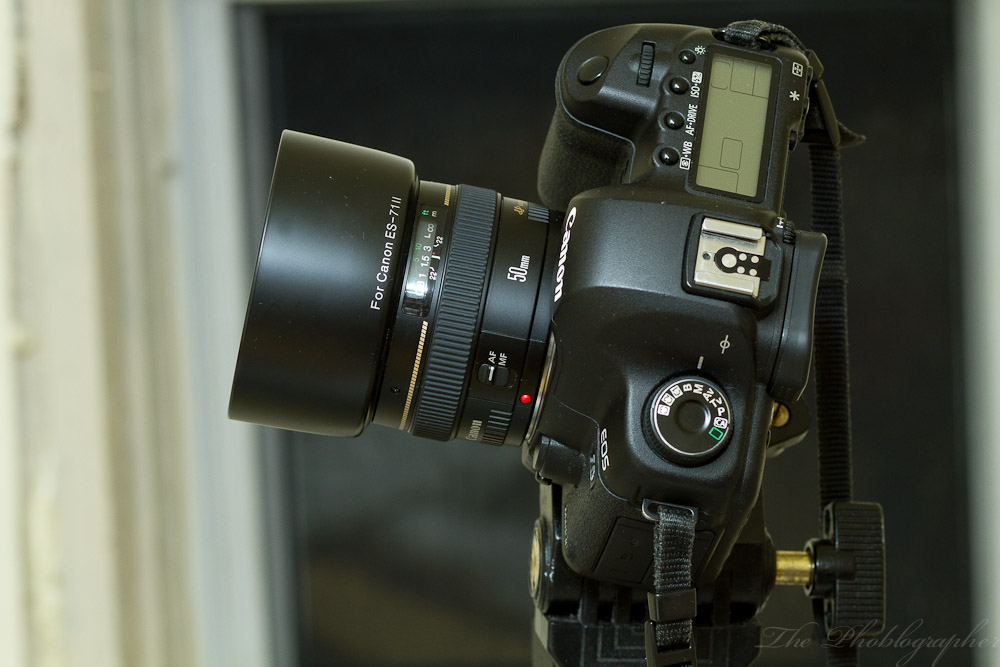
- The Canon had the 50mm F/1.8 on it and the Sony had the 50mm F/1.4. Because of how dark the venue was, the lenses were shot wide open.
- One camera’s footage was much more difficult to transcode than the other, and it was all edited in Final Cut.
- One camera is better resolution wise.
- One camera’s sensor has a larger dynamic range than the other as well as better high ISO handling. DXoMark could help you with this one.
Let us know in the comments below with a good reason and once we’ve reached 30 comments we’ll reveal the answer.
Update: Most of the footage in the video was from the Canon 7D. Indeed, the footage from the Sony NEX-VG10 is the pixelated footage. At first, I thought it was just a creative effect. I was wrong, Final Cut was having problems transcoding the footage.
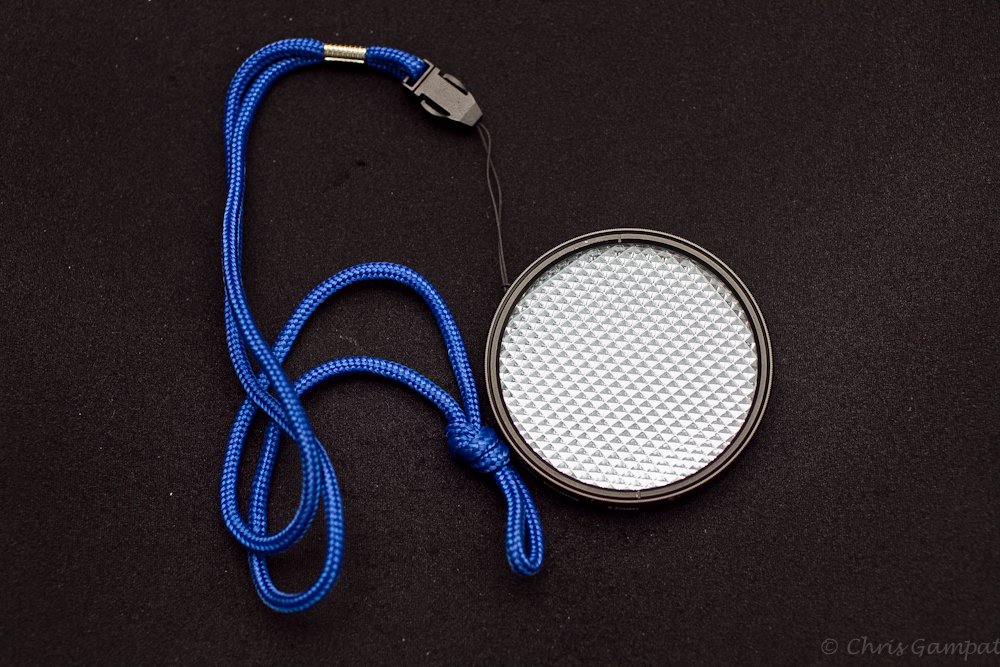
We got the Photojojo Ring Flash Adapter in for review last night, and today I took it on a bit of an excursion. I had a busy day in and out of the office, and despite this I got some time to experiment with this item and give it a bit of a run through.
Edit: The real name is the Go Pro Ring Flash Adapter
With multiple days of testing finished, the Canon T3i has been shipped back and returned. We’ve tested it at events, for portraits, at night, etc. So is it right for you? If you’re reading this, you may want to take a look at our list of best budget lenses, our recommended Canon lenses and also the three way duel between the Canon 60D, 7D, and T2i (which will be updated soon).