Archive for the ‘Learn’ Category
5 Tips for Tasteful HDR Photography
HDR, or “high dynamic range” photography could divide a nation: either you love it, or you hate it. The problem is, HDR gets an increasingly bad reputation for being “hyper realistic” and painful to look at. There’s no denying that those photos exist, but there’s also a tasteful way of going about HDR, and creating a photo that is not only beautiful, but more accurately represents how the human eye witnesses a scene. Trey Ratcliff, a photographer that has built his entire portfolio around HDR, is often used as an example of someone who is able to put together absolutely stunning HDR shots.
See, The human eye has significantly higher dynamic range potential than the digital sensor in a camera, so images we take in situations with relatively high dynamic range can end up looking flat, and we lose detail in shadows and highlights. The goal with HDR photography is to bring those details back, and present a single image that does our scene justice. Here are a few tips on how to go about creating “tasteful” HDR photography.
Tips on Posing a Subject Without Touching Them (With Explanations)
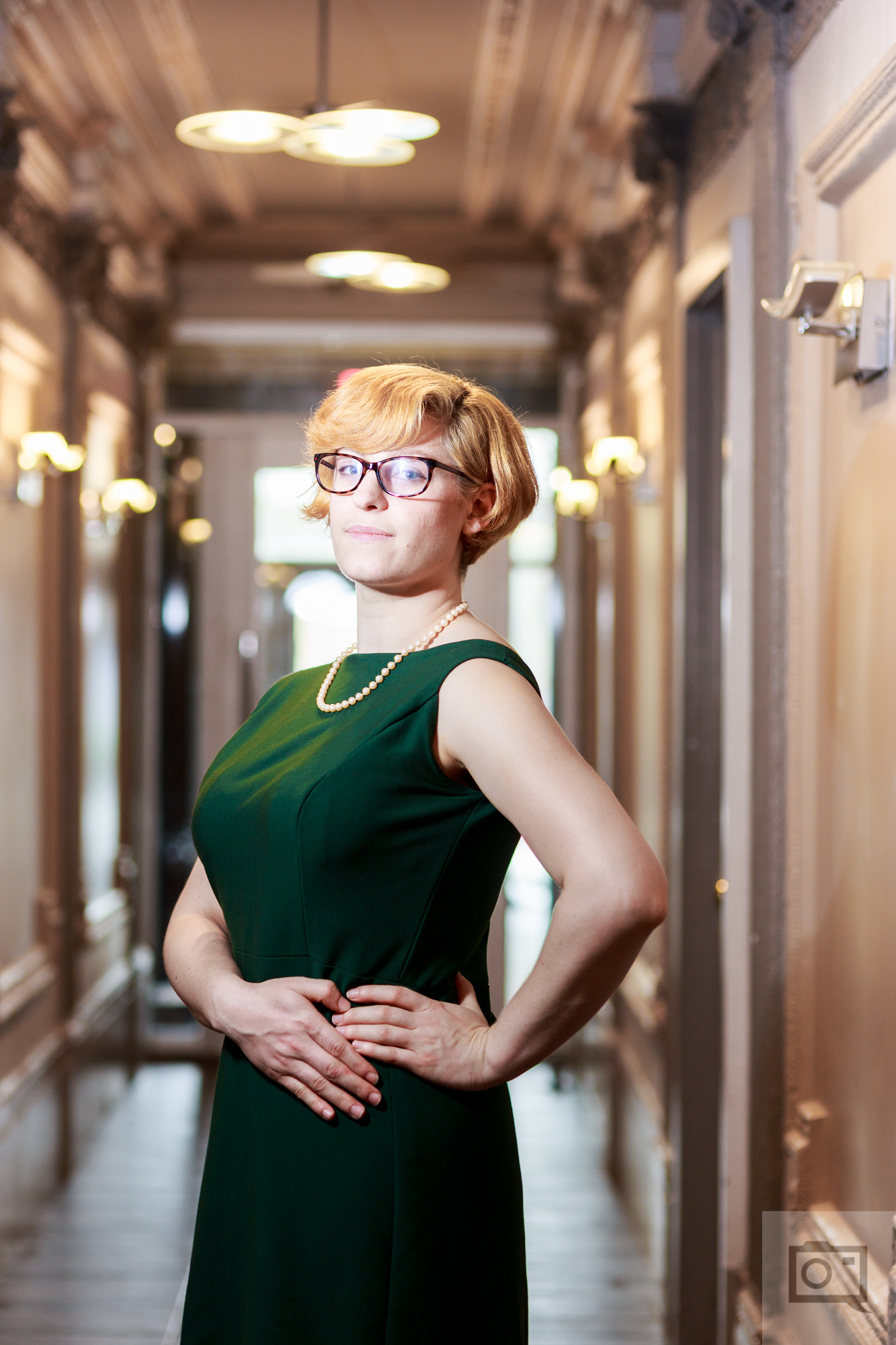
After shooting lots of subjects back at NYC Comic Con, I received messages asking me how I posed my subjects and got the photos that I did. Posing can be a tough subject to master and then effectively communicating to the person how to pose can be very tough. Here are a couple of tips on how to pose someone without touching them (or at least minimally).
Read the rest of this entry »
A Quick Refresher Course on Composition
We all get the gist of composition. Think of how many times you’ve heard about the rule of thirds or the golden spiral. If you’re just starting to take your photography seriously, however, there are times when we get caught up in things, or stuck on “auto”, and let this important aspect of photography slide to the backburner. When used properly, these elements of composition can make an image really come together. That’s because you frame and arrange elements together in a way that accentuates the subject and your own personal style. The viewer will, hopefully, walk away from the image with an understanding of visual aesthetics, form, and design.
Basic Tips on Photo Archival
Now that you’ve had some fun capturing great photos and touching up the images to arrive at a finished product, it’s time for a less fun task – that of backing up all those files. This is one of the more mundane parts of being a photographer, but if you don’t, you risk losing all the moments you’ve frozen in time and the work you’ve put into them. So, what are some of the best methods and options for this?
Making the Most of Window Lighting for Your Photography
I do not know what it is like for other photographers but natural light from windows is very appealing. Photographically, it can be your best friend. This type of light can be used to minimize your mobile kit, especially when it comes to food photography. Natural light from a window can also give still life and product shots an interesting look. If you are photo walking and want to get some quick food and coffee shots, a window can be a great tool that will, mostly, be there for you when you need it.
Six Things They Won’t Teach You In Portrait Photography Class
The one thing that will teach you to become a better portrait photographer is failure. Typically, when you fail at something, you sit there and wallow in agony. Then you figure out what you could have done better and find a way to keep those mistakes in mind for your next project. Failure, trial-and-error, and perseverance will help you to create better portraits. That’s the first major lesson that they won’t teach you in portrait photography. Here are five more.