First Impressions: Olympus M.ZUIKO DIGITAL ED 60mm f2.8 Macro Lens

by Mike Pouliot on 01/02/2013

006-1_40_sec_at_f___1.4-LEICA_DG_SUMMILUX_25_F1.4

Olympus has been on a roll with their latest batch of Micro Four Thirds (MFT) lenses. They kicked off this run with the 12mm F2 and followed it up with the 45mm f1.8 and the 75mm f1.8. Their newest offering is something different, their first MFT macro lens. The Olympus M.ZUIKO DIGITAL ED 60mm f2.8 Macro is Olympus’ newest offering and we’ve got our hands on it. Here’s our initial thoughts…

Technical Specifications

Specs taken from the B&H Photo Video listing.

Performance
Focal Length 60 mm
Comparable 35mm Focal Length: 120 mm
Aperture Maximum: f/2.8
Minimum: f/22
Camera Mount Type Micro Four Thirds
Format Compatibility Micro Four Thirds
Angle of View 20°
Tilt/Shift None
Minimum Focus Distance 7.4″ (18.80 cm)
Magnification 1x
Maximum Reproduction Ratio 1:1
Groups/Elements 10/13
Diaphragm Blades 7
Features
Image Stabilization No
Autofocus Yes
Tripod Collar No
Flash Synchronization Not Specified By Manufacturer
Exposure Control Not Specified By Manufacturer
Physical
Filter Thread 46 mm
Dimensions (DxL) Approx. 2.20 x 3.23″ (56 x 82 mm)
Weight 6.53 oz (185 g)

Ergonomics

003-1_60_sec_at_f___1.4-LEICA_DG_SUMMILUX_25_F1.4

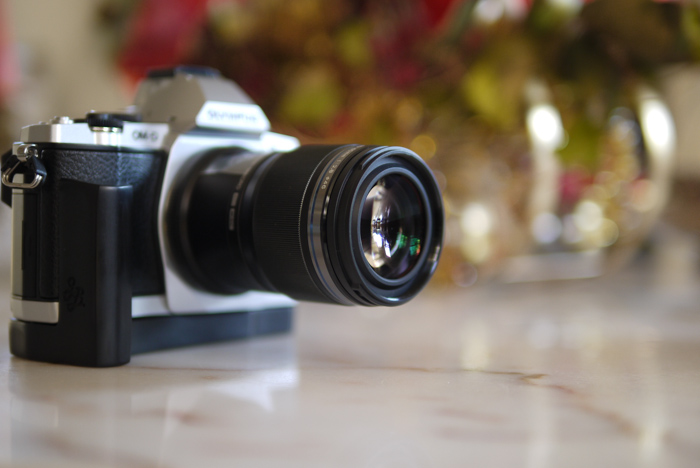
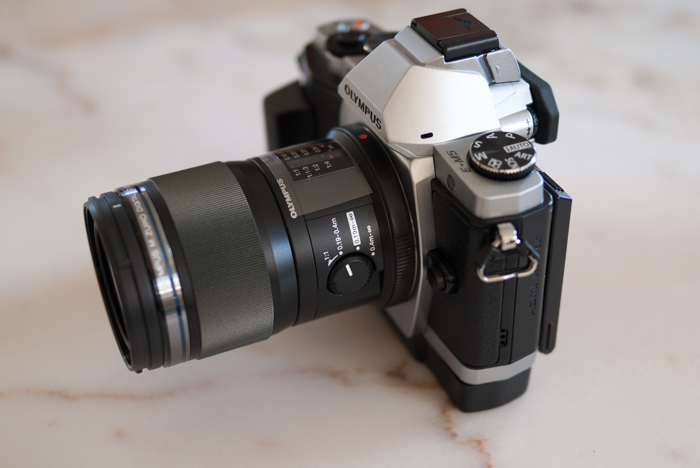
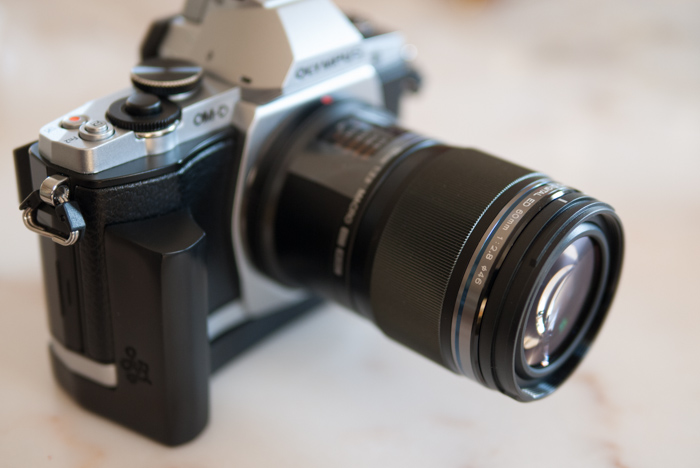
The Olympus 60mm f2.8 Macro lens is smaller than I excepted it to be. At approximately 3.2″ long, it’s about the same size as the OM-D’s 12-50mm kit lens. So far, overall usability of the lens is quite good. The focus ring dominates the top half of the lens and it turns with a smooth, consistent action. The resistance from the focus ring is neither too light nor too heavy. It feels very balanced when manually focusing.
004-1_40_sec_at_f___1.4-LEICA_DG_SUMMILUX_25_F1.4

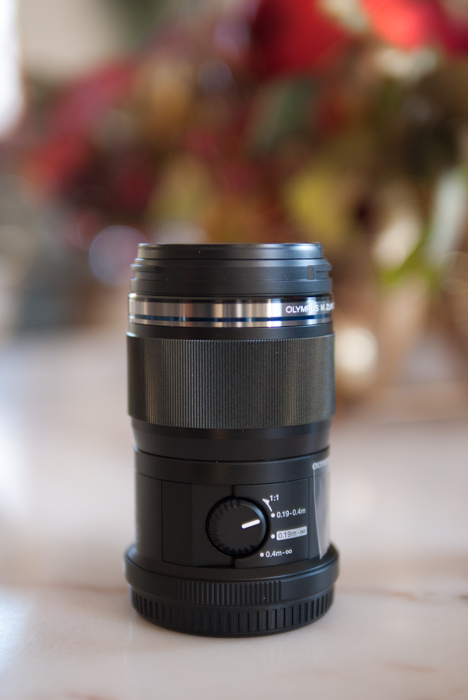
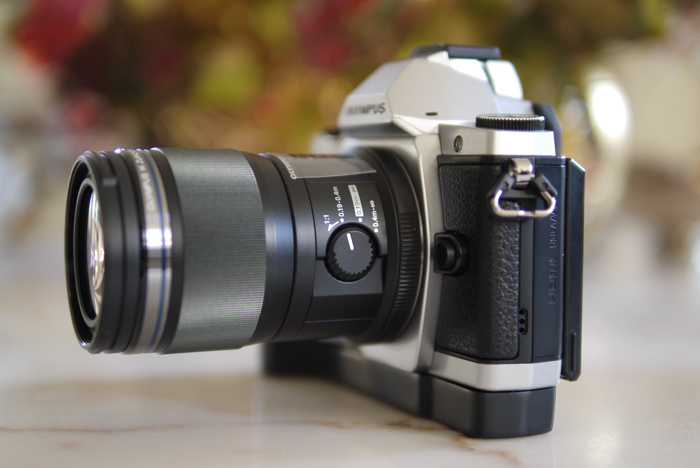
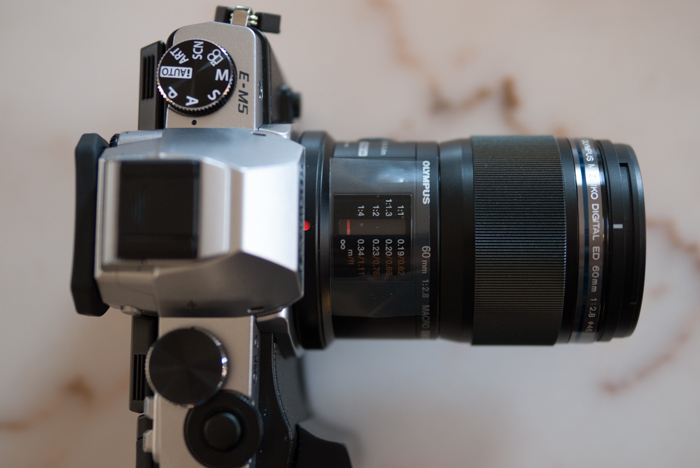
Besides the focusing ring, the other main feature of the lens is a dial that allows you to set the distance range that the lens will use when attempting to lock focus. There are four settings:

  1. 0.4 meters – infinity
  2. 0.19 meters – infinity
  3. 0.19 meters – 0.4 meters
  4. 1:1 (closest focusing distance)

To select your working distance, simply turn the dial to the desired range. If you want to select 1:1, you have to turn and hold the dial at the 1:1 setting and it will automatically pop back to 0.19 meters – 0.4 meters.

Build Quality
001-1_50_sec_at_f___1.8-LEICA_DG_SUMMILUX_25_F1.4

The build quality of the the Olympus 60mm F2.8 is good, but I wouldn’t call it great. Besides the actual lens elements and the lens mount, the rest of the lens is plastic. It doesn’t feel cheap like some of the MFT kit lenses, but it doesn’t feel as solid as some other all plastic body lenses in the same price bracket (i.e. Panasonic/Leica 25mm F1.4). As I stated before, the focusing ring is large and works well, but I would like it more if it had a little more of a rubbery grip to it.
002-1_30_sec_at_f___1.8-LEICA_DG_SUMMILUX_25_F1.4

So, the overall quality takes a slight hit due to the pure amount of plastic but it’s not all bad news. The Olympus 60mm F2.8 macro is one of Olympus’ new “splash proof” lenses. When you pair this up with the OM-D, you don’t have to worry about shooting in damp or dusty conditions. That alone will be a selling point for many users.

Autofocus
OLYMPUS DIGITAL CAMERA

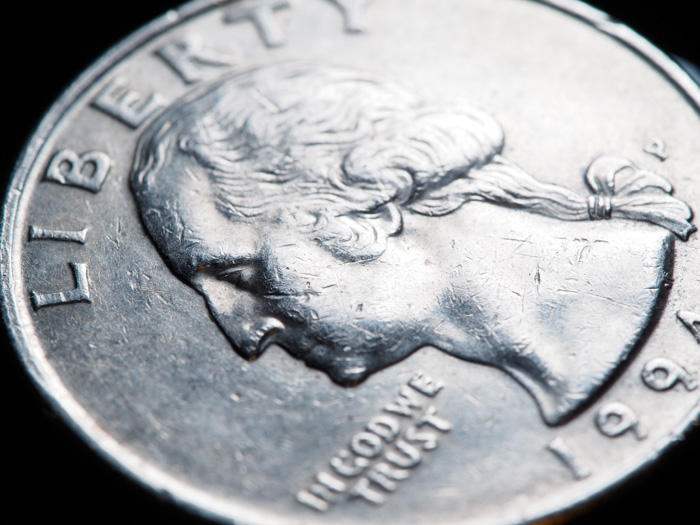
Olympus OM-D (on tripod) – 1/20sec at F8.0, ISO 200

For a macro lens, the AF is pretty darn good. With that said, this is by no means as fast as the Olympus 45mm f1.8 or the Panasonic/Leica 25mm f1.4, but you have to remember that this lens has a massive focus range to go through before it locks focus. Using the distance dial on the side of the lens greatly improves AF speed. I’ll be sure to use this dial throughout the review process.

I haven’t used the Panasonic/Leica 45mm F2.8 Macro, but from what I’ve seen and read, AF speed on the Olympus 60mm F2.8 seems to be a bit faster. I’ll see if I can find a local copy before I have to send this unit back to Olympus.

Ease of Use
OLYMPUS DIGITAL CAMERA

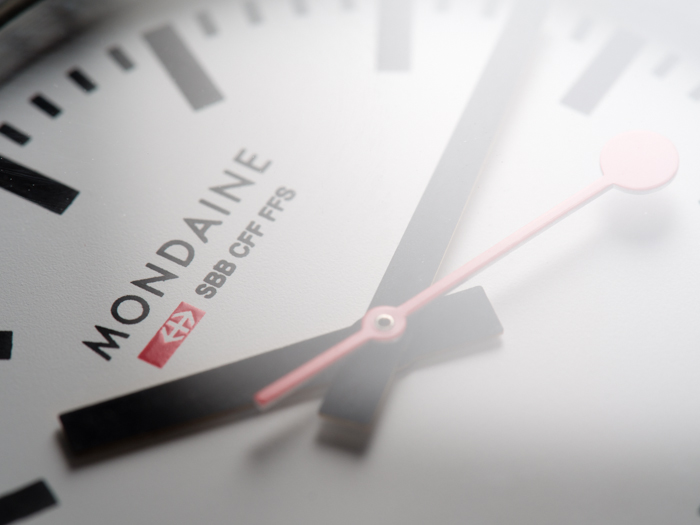
Olympus OM-D (on tripod) – 1/20sec at F8, ISO 200

On an Olympus body with IBIS, especially the OM-D, this lens is pretty darn easy to use. Select your focus point, lock focus, and shoot. I’ve taken a few shots using my Panasonic GF-1, and while the images are great, you definitely notice the lack of IBIS. A tripod is a must for any closeup work. I’ve forgotten to change the distance dial on several occasions which results in the lens hunting back and forth, but I’m sure that changing the dial will become second nature with time.

At this point, my biggest complaint when it comes to ease of use is the lack of manual focus selector on this lens. Being a macro lens, this lens would be an ideal candidate for some sort of MF override switch. I’ve started using manual focus so much that I changed one of my camera’s function buttons to switch to manual focus. While the lens’s AF speed is good, the AF area is too large and fine tuning is often needed.

Image Quality

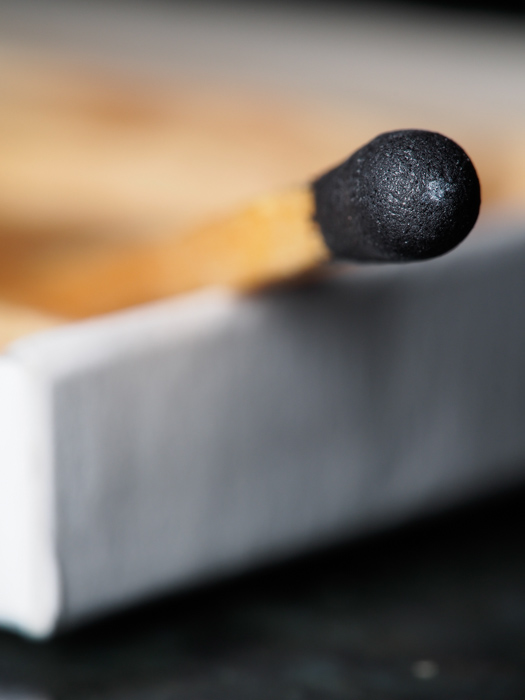
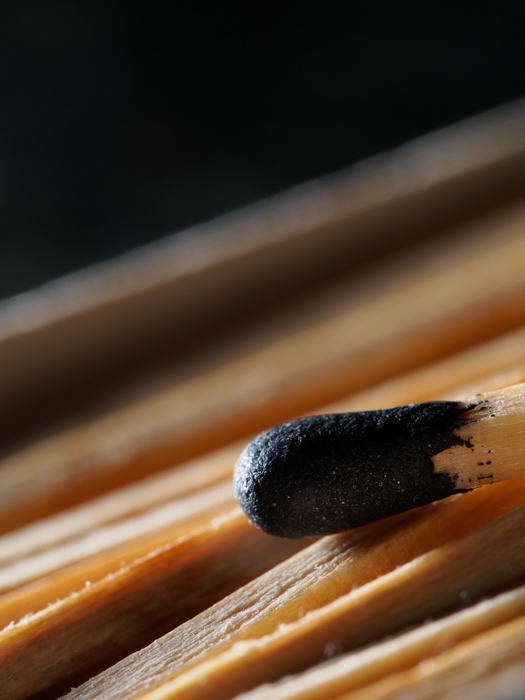
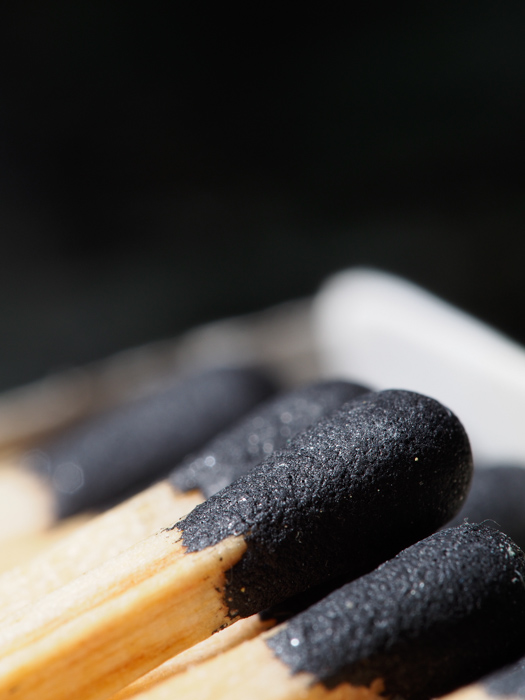
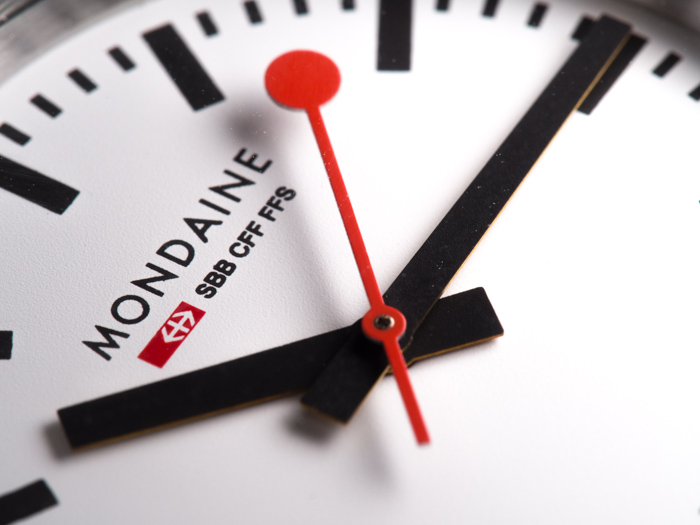
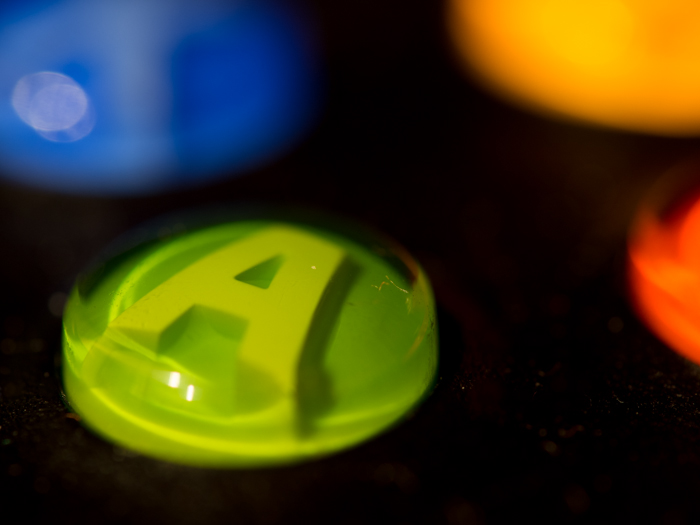
I’ve only had the chance to take a few shots in the house but I have to say that I’m pretty impressed. Even wide open, this lens is super sharp and I haven’t seen a hint of CA or any color fringing. Also, I know bokeh is a very subjective thing, but I find it to be quite pleasing with the Olympus 60mm macro.

OLYMPUS DIGITAL CAMERA

Olympus OM-D (handheld) – 1/80sec at F3.5, ISO 800

OLYMPUS DIGITAL CAMERA

Yes, there is a similar image above, this one has a different lighting setup.
Olympus OM-D (on tripod) – 1/20sec at F10, ISO 200
OLYMPUS DIGITAL CAMERA

Olympus OM-D (on tripod) – 1.3sec at F2.8, ISO 200

OLYMPUS DIGITAL CAMERA

Olympus OM-D (on tripod) – 1/125sec at F8, ISO 200

OLYMPUS DIGITAL CAMERA

Olympus OM-D (on tripod) – 1/125sec at F8, ISO 200

OLYMPUS DIGITAL CAMERA

Olympus OM-D (on tripod) – 1/125sec at F8, ISO 200

First Impressions

005-1_30_sec_at_f___2.0-LEICA_DG_SUMMILUX_25_F1.4

I’ve only had this lens for a few days but I am really impressed with it so far. It is light, responsive, sharp and splash/dust proof. More importantly, I’m really impressed with the results when paired up with my OM-D. Colors are accurate and pleasing and I’ve had to do little to no post processing on my images. In fact, all images in this post are JPEGs straight from my OM-D, no post-process work was done at all.

As a side note…

I usually spend most of my time out on the street with my Panasonic 20mm F1.7, but this lens has forced me to shoot differently. I’m finally using my flash more and I’m now taking pictures of things that I would normally ignore, i.e. my watch. This lens has sparked my excitement for a realm of photography that I’ve never really explored.

Feel free to leave any questions you may have in the comments below and I will do my best to address them in the full review.

Please Support The Phoblographer

We love to bring you guys the latest and greatest news and gear related stuff. However, we can’t keep doing that unless we have your continued support. If you would like to purchase any of the items mentioned, please do so by clicking our links first and then purchasing the items as we then get a small portion of the sale to help run the website.

Also, please follow us on FacebookFlickr and Twitter.

  • Walter

    Hi, thanks for the review. How would you compare it to the macro function of the 12-50 for the casual macro shooter? Thanks!

    • Mike_Pouliot

      Hi Walter,

      Thanks for your comment.

      I’ve had very little experience with the 12-50mm (only shot with it in my local store), so I may not be the best person to ask. The 60mm will give you a few things that the 12-50mm will not:

      - 1:1 max reproduction ratio
      - More reach than the 12-50mm (60mm vs 50mm)
      - It’s a faster lens (f/2.8 vs f/3.5-6.3)

      Also, from everything I’ve seen, the 60mm is optically superior to the 12-50mm in every way so you have to take that into account as well.

      The 60mm is a great macro lens and a good portrait lens (head shots) with excellent optical quality, but it’s not a lens for everyone. I sugesst you shoot with the 12-50mm until you feel it limits you in some way (i.e. need for better max reproduction ratio). You could also try renting the lens for a few days, this is what I typically do before I make a purchase.

      Thanks,
      Mike Pouliot
      Contributor
      The Phoblographer

  • Peter F

    I’ve found the AF works great shooting flowers. However, i use the magnification feature to reduce the focus point to 14x and have set magnification to one of the function buttons on top plate. One touch and the reduced size focus point appears and you can move it around the screen if you want. A second touch of the function button magnifies the view and half press on shutter activate the AF.
    Peter F.

    • Mike_Pouliot

      Hi Peter,

      Thanks for sharing your thoughts. I’m using a similar method for my macro shots but I’ve set the play button as a dedicated magnification button..

      Mike Pouliot
      Contributor
      The Phoblographer

  • Mike

    Thanks for the review. You mention that there is no MF switch on the lens, but does disabling AF in the OMD’s menu allow for manual focus?

    • Mike_Pouliot

      Hi Mike,

      Yes, you can select MF within the OM-D’s menu. There is a setting that allows for AF then MF can be activated by turning the focus ring. This makes tweaking focus much easier.

      Thanks for your comment,
      Mike Pouliot
      Contributor
      The Phoblographer

      • Mike

        Thanks for your response, much appreciated. :)

  • Pingback: A new first impression review on the Olympus M.ZUIKO DIGITAL ED 60mm f2.8 Macro Lens - Blog for micro four third and competing cameras

  • tyehill

    Make sure you use the lens for some non-macro shots. My Nikkor 40mm Micro lens is just about my favorite prime for portraits and landscapes and street photography. I’d love to see how this lens performs in those other situations.

    • Mike_Pouliot

      Hi tyhill,

      This is just a first look at the lens, I will have my full review ready soon. I’ll be sure to share a variety of shots in the full review.

      Thanks for your comment,
      Mike Pouliot
      Contributor
      The Phoblographer

      • tyehill

        Perfect. I’m keenly interested in your review, as I just purchased my first micro four thirds camera to go along with my 5d mark II. :) love it so far.

        • Mike_Pouliot

          Welcome to the micro four thirds club! I think you may find yourself leaving your 5D at home more often.

  • Pingback: Olympus M 60mm f/2.8 Macro 1st Impressions: The Photoblographer | Olympus E-M5 Resource Blog

  • WO

    Thanks for this “first impressions” write up!

    Luckily I have the 50mm/2,0 + MMF3 adapter so I may be able to postpone aquiring this lens, but who knows?
    It seems really nice…as in “sharp and quick” (the 50/2,0 is surely super sharp, but absolutely NOT quick in AF)… ;-)

    A question:

    Why did you state that the 60mm/2,8 doesn´t have AF with Panasonic GF-1? Did you mean the GF-1 has no IS but typed wrong, or what?

    • Mike_Pouliot

      Hi WO,

      Regarding your question…

      Yes, I meant IS, not AF…good catch. I will update ASAP.

      Thanks for your comment,
      Mike Pouliot
      Contributor
      The Phoblographer

  • SpoorthyVemula

    Is it just me or is really similar to the pentax 100mm wr? Both are almost the same size, have around the same focal length, and are water resistant. They look pretty alike too…

    • Jordan S (Admiring Light)

      The Biggest difference is that the Oly has internal focus, and so stays the same length…the Pentax grows considerably. The Olympus 60mm is also near apochromatic – little to no CA…both lateral and longitudinal.

      • SpoorthyVemula

        You couldn’t expect them to exactly the same size since one is built for micro flour thirds and the other for aspc.

  • http://twitter.com/Not_Gilty Gil Garber

    This glass and the OM-D are a wonderful match. I’ve owned this lens for a bit now and and most impressed by how incredibly sharp it is. Here is an example. http://500px.com/photo/18039417

  • Pingback: New reviews of Olympus 60mm f/2.8 Macro lens - Blog for micro four third and competing cameras

Previous post:

Next post: