Quick Informal High ISO Comparison: Fujifilm X Pro 1 and Sony NEX 6

by Chris Gampat on 10/10/2012

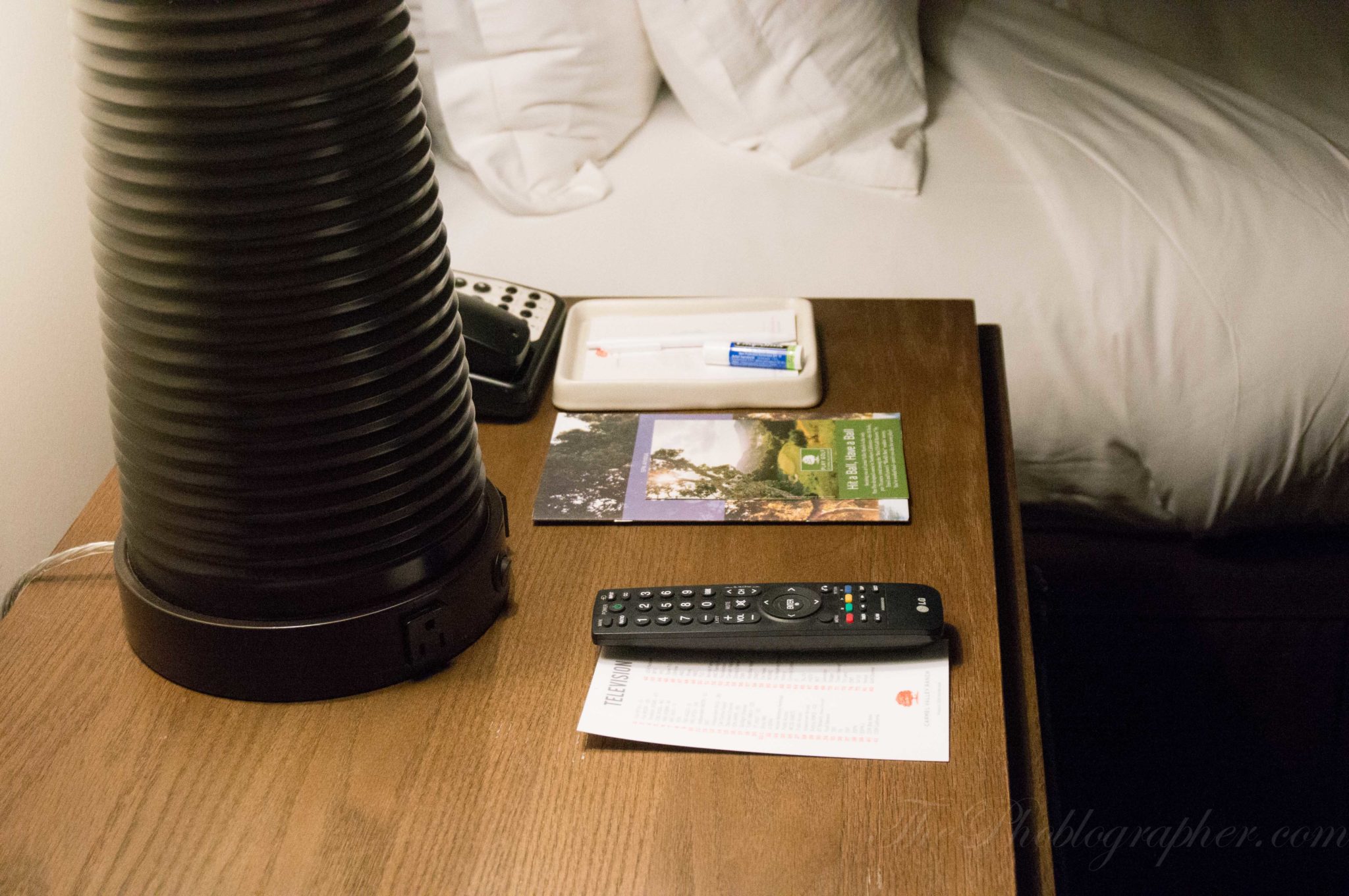
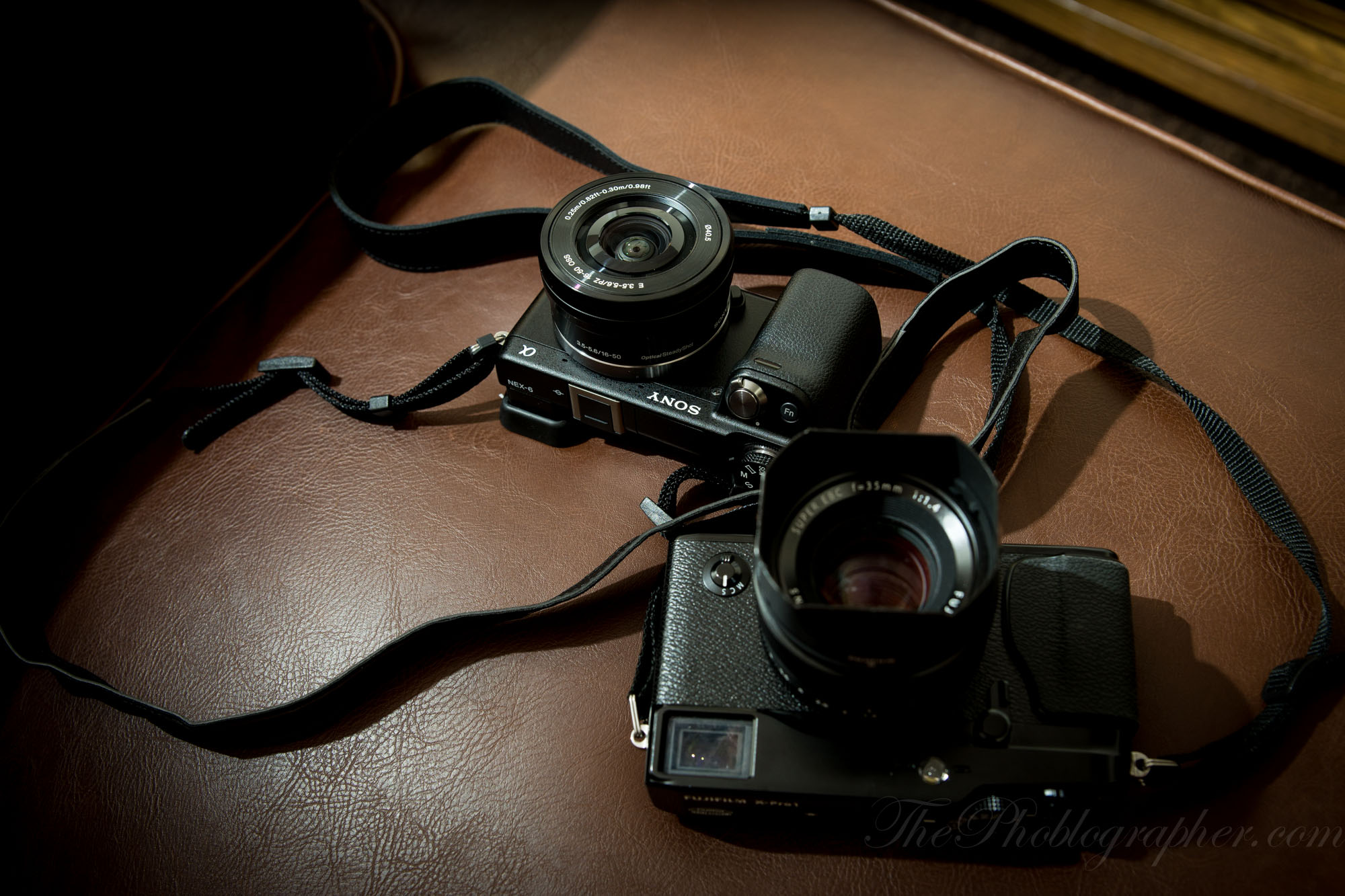
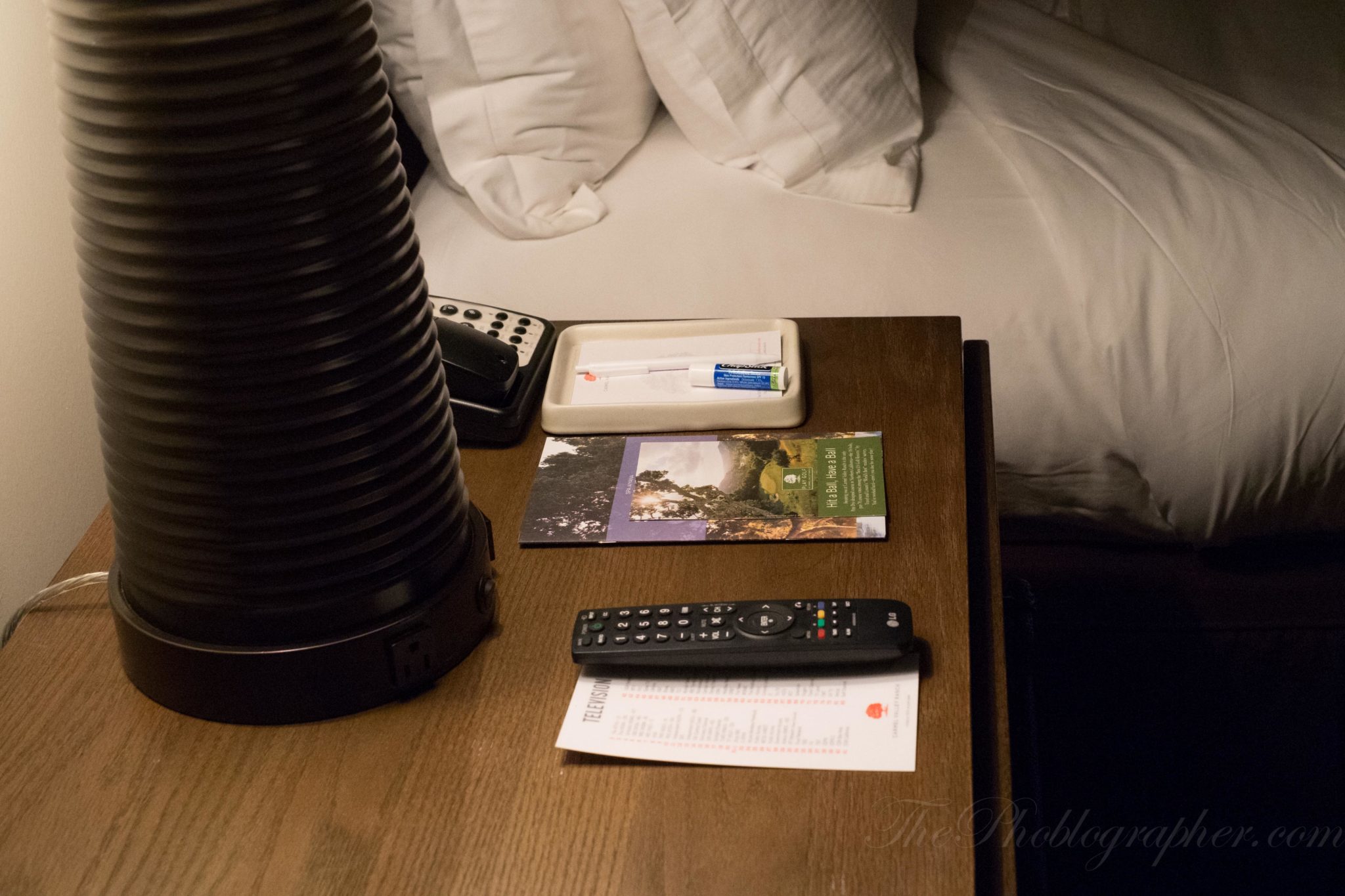
I’m currently out with a bunch of journalists on a Sony Media Excursion trying out their cameras and camcorders in various situations out in California. I brought my Fujifilm X Pro 1 along with me and decided to check out how it performed against the NEX 6 at high ISOs. Both cameras shot RAW files, were set to 35mm at f5.6, 1/125th, ISO 6400 and auto white balance. Neither image received any editing at all.

This is an extremely informal comparison but take a look at the results.
Fujifilm X Pro 1

Sony NEX 6

So what do you think? Let us know in the comments below.

Please Support The Phoblographer

We love to bring you guys the latest and greatest news and gear related stuff. However, we can’t keep doing that unless we have your continued support. If you would like to purchase any of the items mentioned, please do so by clicking our links first and then purchasing the items as we then get a small portion of the sale to help run the website.

Also, please follow us on FacebookFlickr and Twitter.

  • celo

    The Sony is very noisy (remote, phone, pen) but there is a hudge difference of exposition and DOF? the x-pro 1 is on top on this test, but we need a very similar photo to have a serious advice…

    • miika

      when the brightness is normalized they are both equally noisy. NEX is a lot more sensitive at ISO 6400.

      • Peter Walkowiak

        Good call.

      • http://twitter.com/sgoldswo Simon Goldsworthy

        Not really in real world use. In addition to being able to pull back more detail from shadow areas the x-trans sensor responds better to noise reduction in post than bayer sensors, so if you want to make this all look clean with no noise at all in post the Fuji would win easily.

      • Dmitry Sobolev

        The difference is near 1/2 EV if Lightroom has accurate tone curves for both cameras. But X-Pro 1 seems to be slightly less noisy for me even when looking at normalized images. The noise structure of Fuji is also more pleasant (look at the shadow of the remote), but I’m not sure that the difference is only due to hardware.

  • Bruno

    Noise reduction on fuji is more evident, it lose resolution on the fine detail. However looks well expose.

  • geo

    sony is a little bit overexposed compared to fuji.

  • http://angusbradley.com Angus Bradley

    Looks like they both focussed in different places. I can read the remote control on the sony shot but not the fuji, and I can read the lipstick on the fuji but not the sony. Fuji exposure seems better.

  • Michał

    The two photos are focused in different places (Sony at remote, Fuji at leaflet) making a fair comparison impossible. Also, Sony looks a bit overexposed.

  • http://www.facebook.com/people/Joel-Brogmar/748798408 Joel Brogmar

    Is the remote control really in focus with the Fuji? Doesn’t look like that to me… :/

  • Kyle

    Obviously NEX6 looks a lot noisier. Maybe the image was overexposed?

  • Miika

    I think it’s good that both used the same settings. Either NEX is more sensitive at ISO 6400 or the lens has a lot better transmission. However, it would have been interesting to see how they’d compare if the brightness had been equalized in post processing. That would have been fair.

  • Jtv

    the sony and fuji are not focused at the same spot.Very interesting though. We need more samples like these! Thank you

  • Miika

    When the brightness is normalized, these cameras are equally noisy. I cannot fathom how a different color filter would make a sensor more sensitive. They aren’t the same sensor, but Fuji isn’t any better. A little different though.

  • spaceman

    I cannot read the hotel name from the bottom of the TV channel list under the remote on the X-PRO1. On the NEX-6 it is definitely readable: “Carmel Valley Ranch”. Grain-wise it is quite subjektive what one prefers.

  • krugorg

    Look forward to learn what you think of the E 35/1.8 OSS. That lens has been a long time coming for NEX owners!

  • Ed.

    If a camera does not have an eye level finder; it is no use to me! I use Nikon D800s and the Fuji and love both.

    • Peter Walkowiak

      +1 :)

  • Pingback: (UPDATED) New A99, NEX-6 and RX1 tests. | sonyalpharumors

  • loonsailor

    Lots of comments about the Sony image being overexposed, but I definitely disagree. Remember that these are raw images, and will be therefore be processed in a decent raw converter. I think that a much better print could be pulled from the Sony image, because the data is all there. On the Fuji image, all the dark stuff on the lamp is just gone, with no shadow detail left to rescue. Exposure-wise (and maybe latitude?), this is a big win for Sony. Noise-wise, maybe Fuji but it seems mostly about preference.

    Personally, I think high-iso tests are over-rated. How often does one really shoot at 6400+ and care about noise being just a little bit worse or better, anyway?

    • Peter Walkowiak

      Nikons tend to be a bit more sensitive too (Sony sensors) so I agree. All valid points.

    • http://twitter.com/sgoldswo Simon Goldsworthy

      Actually, the x-trans sensor is pretty easy to pull detail back from areas that look under exposed, it’s superior to a bayer sensor in that regard. I imagine if you pulled back the shadows the detail on the lamp would be identical or better (based on my own experience as an X-Pro1 owner).

      • http://www.facebook.com/denis.cheremisov Denis Cheremisov

        Sorry, but you made a mistake here (I suppose you have used only canon cameras before with their poor DR capabilities). Storing shadow information is not CFA function but sensor one. Fuji uses the IMX071 unit, designed and made by Sony, which is also utilized in Pentax K-5 (14.1 stops of DR), Nikon D7000 (13.9 stops of DR), Sony NEX-5n (12.7 stops of DR), Pentax K-01 (12.9 stops of DR) etc. So Fuji has about the same DR capability in RAW as NEX-5n or Pentax K-01 if it uses 12 bit RAW encoding or closer to K-5 and D7000 if it uses 14 bit RAW encoding.
        PS The DR is not the RAW depth function, of course, but bit depth is one of the limiters for shadow recovery capabilities and you won’t generally have more than +1 stops of DR over the bith depth.

    • ChrisGampat

      Theyre the same exposure setting which also demonstrates how the cameras meter

      - Chris Gampat
      Editor in Chief
      The Phoblographer

      • http://www.facebook.com/denis.cheremisov Denis Cheremisov

        Sorry, but you missed the point: Fuji’s so called “ISO6400″ is lower than ISO6400 of NEX-6 at least by 1/2 stops. Keeping in mind fuji uses high quality prime lens vs mediocre at best sony pancake zoom and light transmission of prime should give another 1/5-1/4 stops difference.

    • loonsailor

      It is odd to see such a perceptible difference with both having been taken at the same exposure (125/5.6/6400), but who knows which is right. The huge unknown is that, even though the post says that both are “unedited”, both have been converted from raw’s to jpg’s and we don’t know how. That conversion made some decisions about tone mapping, perhaps noise, etc. So, it’s entirely possible that all the data is present in both images in the original raw files. But in these jpgs, I find no completely blown highlights in either image but I do find that the lamp base in the fuji image is 0/0/0 – i.e. no data remaining.

  • Peter Walkowiak

    The detail retained on the Fuji is insane. I wouldnt have guessed it would be that big of a difference…

  • jabba

    Considering you focused on different areas between the photos (X1 focused on gold pamphlet and the NEX on the remote) makes it a tad hard to compare. ;) Maybe stop down a bit and use a tripod for these informal comparisons in the future! Thanks ;)

  • joel richards

    As-is I’d go for the Fuji and that may mean it is easier to get a quality low-light JPG straight out of the camera. Since I don’t shoot JPG often that doesn’t mean a whole lot to me but it is nice to know. As others have said the NEX-6 looks slightly over exposed with its own issues (is it just me or is there a red tint to the shadows on the sheets?) but equalizing the two would probably yield very similar results–you just have to take the time to do that. So it looks like the NEX-6 still can’t compete with the X-series JPG to JPG, IMHO.

    disclaimer: I shoot exclusively NEX

  • http://www.facebook.com/people/Simon-Stucki/759448619 Simon Stucki

    well if the lighting was the same then the sony is more light sensitive (either the lens has a greater T stop or 6400 asa is actually 8000asa on the sony or only 4500 on the fuji. would be interesting to see how the sony would do if you lowered the iso to match the image to that of the fuji.

  • Pingback: Quick high ISO comparison between Fujifilm X-Pro 1 vs Sony NEX-6 - Micro Four Thirds Camera Blog

  • http://twitter.com/sgoldswo Simon Goldsworthy

    NEX 6 image looks noisier and the exposure is off but there is a focus point difference as mentioned by other posters. Interesting results – I would expect the NEX-6 to be a little worse but traditionally Sony sensors chronically under expose…

  • Tsu Takamoto

    Technically, both images are off mark. For starters, the Fuji is underexposing. The brightest highlight is 249. The Sony is over exposing, as the highlight maxes out at 255. The highlight’s I don’t have a problem with at all, it’s easy to either bring them back, or push the exposure up. But a side by side comparison from both cameras, when they’re over and underexposing doesn’t do either camera justice. The sweet spot should be around 250, so the highlights retain the detail.

    The shadows are comparable with both cameras, though the noise shows a bit more with the Sony simply because it’s being over exposed. The shadows retain detail with numbers ranging in the shadows from 1-10, though more zeros register in the Fuji’s shadows because it’s most likely under exposing. Also, where the cameras both focused doesn’t help compare, either. There may have been ev compensation applied, not sure.

  • Wilson Wong

    a) what would be the issue with different focusing if the metering is matrix or multi? Again the test is about ISO performance so focusing at this point is not really the key point.
    b) For night scene as in this, I would under expose to be truer to what was seen. So my preference is Fujifilm over Sony. Again, under/over expose is really personal preference…but…
    c) to be fair as a test, a light meter should be used, and both cameras in Manual mode and set it up according to light meter and at different ISO to see the performance as this is the reason for the test.

    So is this test a justified test? Even an informal one should at least have a common denominator: light meter reading. Apart from all camera settings are set at default.

  • Markus Arike

    The X-Pro1 looks sharper which I suspect has to do with it’s lack of an AA-filter. I’ve been an XP1 user for about a week and the camera is impressive. The natural colors, the way it renders fine detail, and the super clean files at or near base ISO make it a bear of a camera. My D800 isn’t getting a lot of use now that I have the XP1. That said, I’m certain the NEX-6 will be a heck of a camera, particularly for HDSLR video shooters.

    • http://www.facebook.com/denis.cheremisov Denis Cheremisov

      I’m playing the sorryman here :D
      Sorry, but it only shows you cannot develop RAW files. The D800 blows X-Pro1 up in every aspect: color separation, high ISO, resolution.

  • Nate Jedinak

    Hard to tell exactly because of varying focus planes, but the Fuji looks better to me. Better color, more attractive grain pattern, and a more accurate rendering of what I’d think the scene looked like. I would have expected slightly better performance from the new NEX, but I guess it’s using the old 5N sensor which was good but not as good as the X-Pro at high ISO. Still, quite a good performance, nothing to be ashamed of from the Sony although I would apply -EV with that meter in this circumstance. I personally like to match the photo to what my eye saw, and not try to stretch all highlights to exactly 255.. not everyone does, of course.
    FYI to watch this new meter tuning, I think we all have to adjust; I’ve noted the meter response has been changed a little in FW2.0. I would have likely applied -1/3 to -2/3 EV in this scene with FW1.1. FW2.0 is more “aggressive” about applying that compensation itself in low light. I used to apply between -1EV and -2EV (depending upon scene) at night, I suspect I have to re-learn the Fuji’s meter based upon what I’ve seen.

  • Dr. Dray

    Well, I have been pixel peeping for a while, but I see no significant difference. Both images would print nicely I think. You can stare at 100% or more on your computer screen all you like, but a print tells you what you need to know. Anyway, I never use ISO 6400, so it’s a none issue for me. However, I do care about lens choce, size, weight and versatility and that’s why I don’t use any of these cameras. I chose the Olympus EM-5. The output is comparable to these two cameras in most situations, so I see no need to invest in them. I don’t find the Sony lenses very attractive optically and I find the lens selection of both manufacturers too limited. Also, you can fit more micro 4/3 camera stuff in a smal lightweight bag then APSC stuff. Just more practical for my type of photography. Choose whatever you like, you can’t go wrong with most modern cameras. The output is of sufficient quality for most of us.

Previous post:

Next post: