

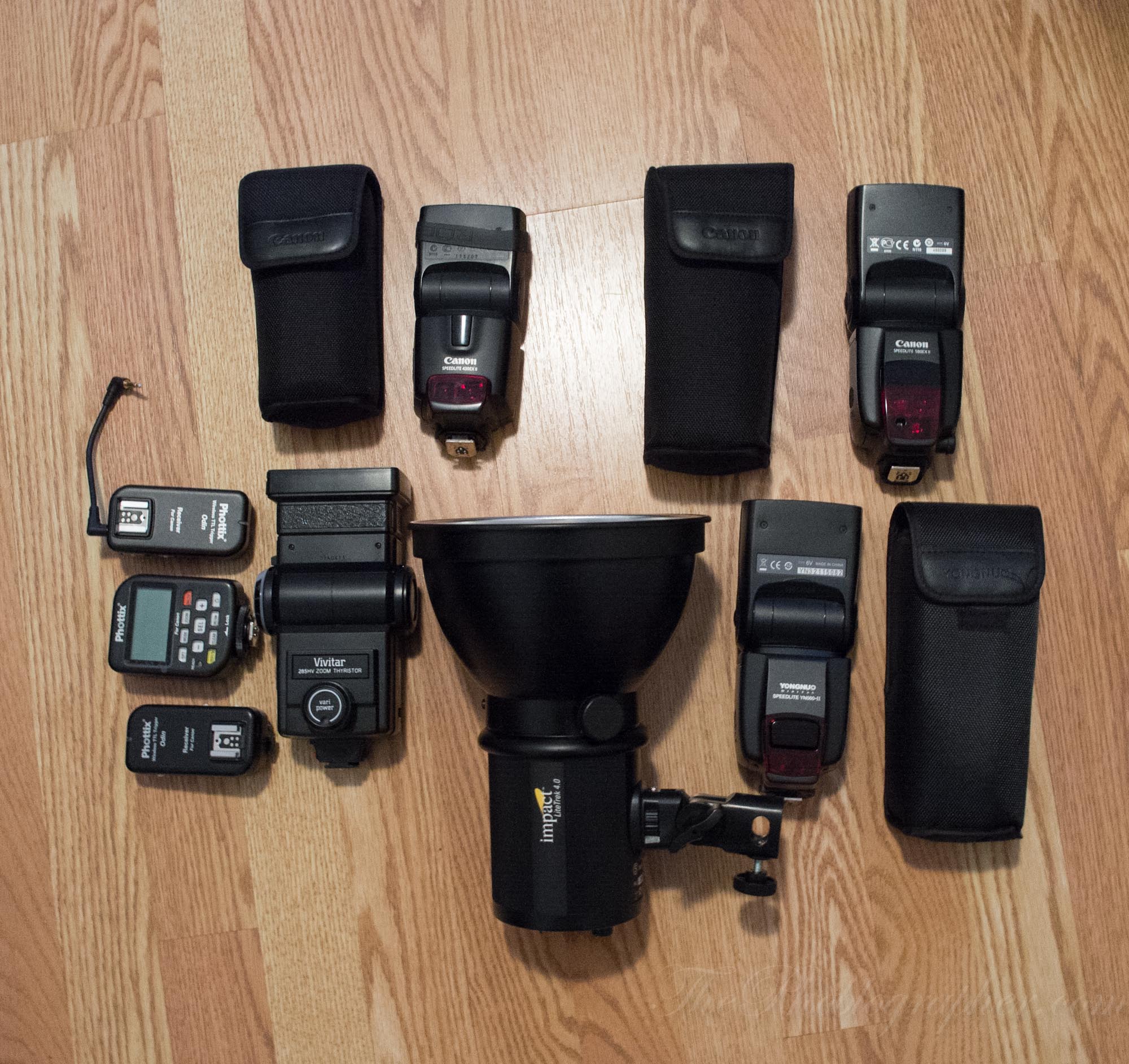
After running this website for two + years and testing camera after camera, I often get bored of just looking at pixels all day and every day. But since I started shooting, I’ve built up a collection of flashes and lights to use for various reasons. Modern day digital cameras and film scanning software are capable of so much that I’ve concluded that the only major selling points for any camera system now are the lenses and extra features that one can tack on.
But when you put lights into the picture, the whole scenario changes.
They Can Help Me Focus on Creativity
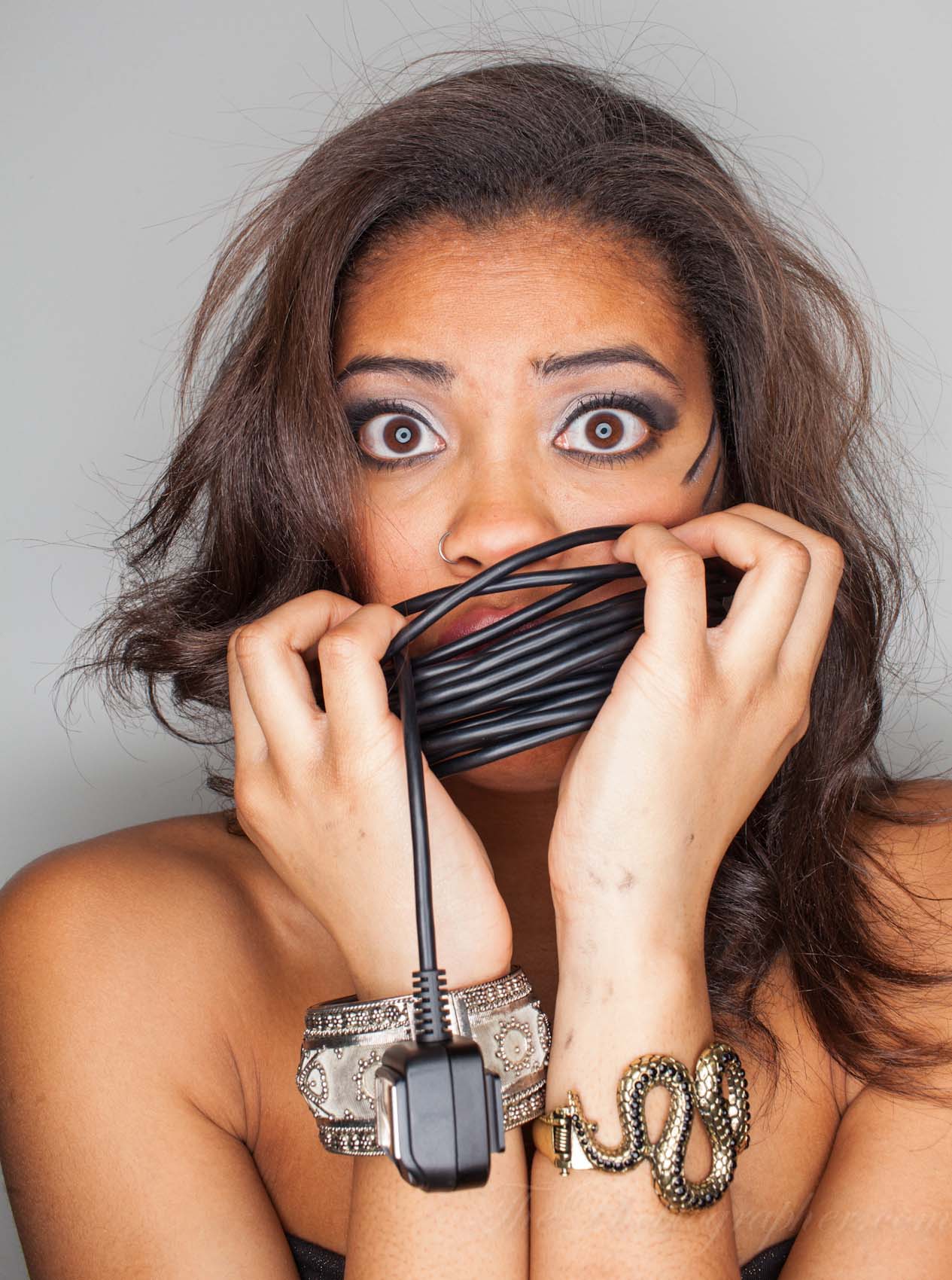
First off, when you use lighting it is really recommended that you have a very good knowledge of metering without relying on what the camera is telling you should be a balanced, dark, or bright image. That requires lots of trial and error and you don’t need to be a professional to learn this. A simple way to start is with the Sunny 16 Law and the inverse square rule. We always talk about these in our reviews and if you give it a chance, you’ll learn that it can help you take your creativity further because you have the technical knowledge of how to achieve what your final vision is.
Once you have all of this memorized, you can practice it in real life use.
And then you can start to use lights more creatively. There is a lot to learn: like how much a light modifier may cut down a flash’s power. That is where metering will become involved.
Because I also have knowledge of basic metering without looking at camera’s meter, I can also then not worry about what camera I’m using and the result that I’ll get. A part of this comes from shooting film; and though some may bash the staff and I for doing it occasionally, it makes us better photographers at the end of the day.
Myself and Thursten were trained in the cinematographic way of lighting: kill the ambient and light your scene by adding one light at a time. Observe the effects of the light and then add another. This will come in major handy when using gels.
My Work Won’t Look the Same as Everyone Elses
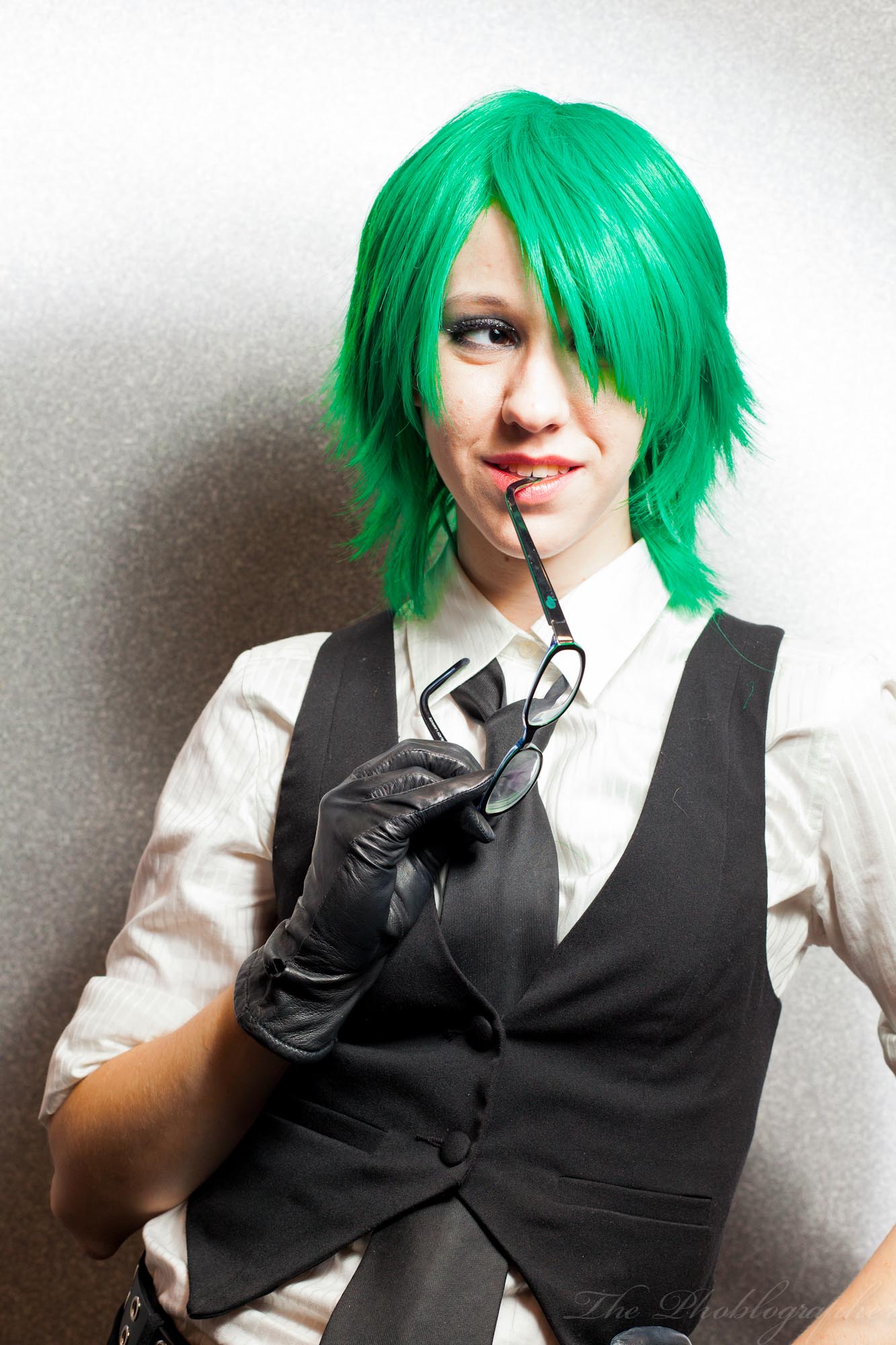
Go on a photo walk and have everyone point their cameras at a subject. Chances are that all the images will probably look the same sans angles. Add lighting into the equation and now you’ve got a different story. Placement of light, power output, and balancing ambient with strobe will make your images look different than what everyone else has out there.
And when at large events like Comic Con, weddings, etc, I feel like this gives me the edge to have my work standout.
It can make yours stand out too if you’re brave enough to take the plunge.
With the Right Lighting, It Won’t Matter What Camera You Use
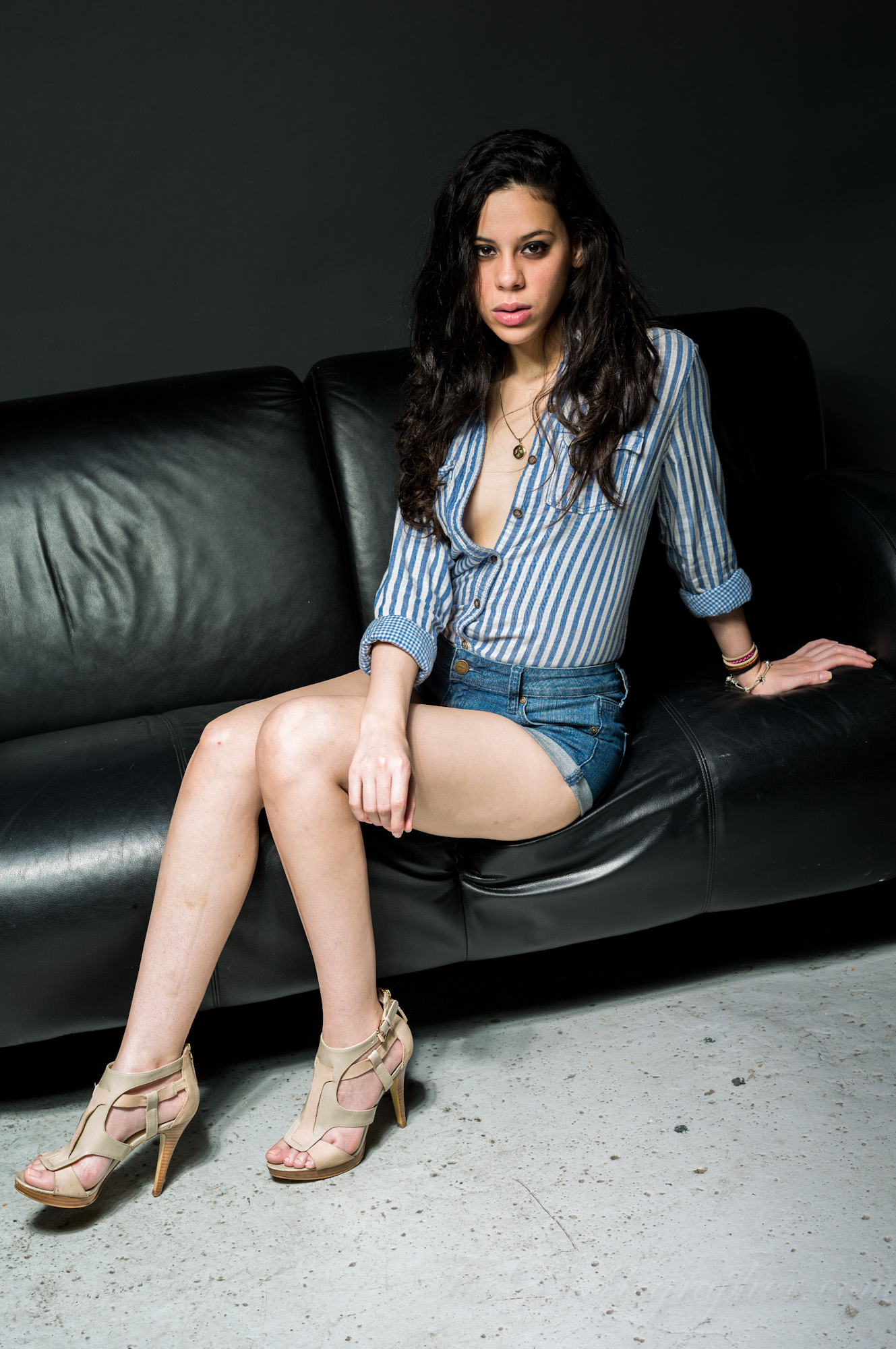
The above image was shot with a Leica S2. However, the two above it were shot with a Canon 5D Mk II.
Could you easily tell the difference? Of course not.
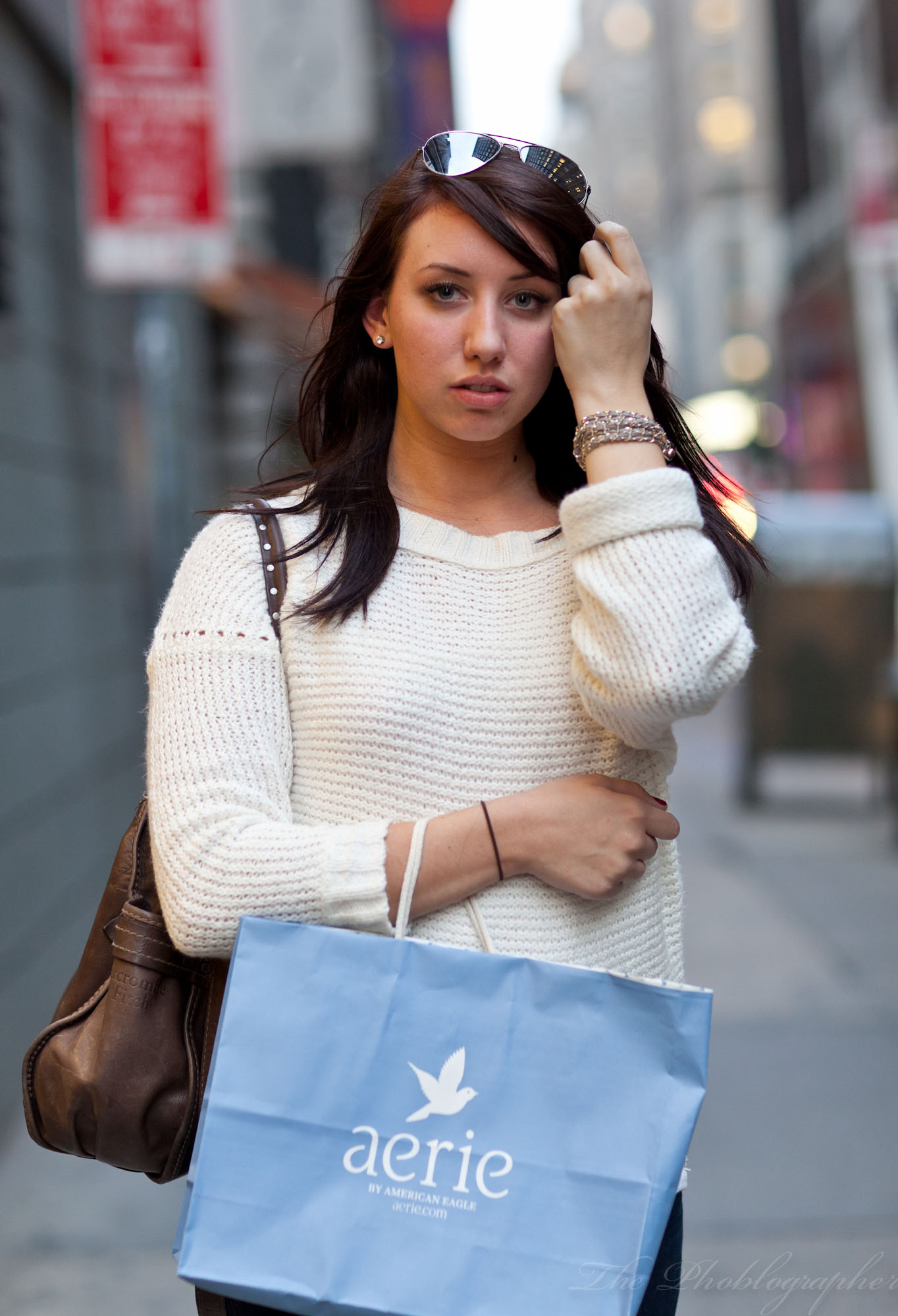
But with all this said, one can also learn how to manipulate and work with natural light all by observing where the shadows are falling and realizing that overcast days are perhaps the absolute best days to go out and shoot. Otherwise, you’ll need to look for awnings and work with where the shadows are falling off. Another alternative: working with natural reflectors.
Veteran photographers: am I wrong? Let us know in the comments below.