

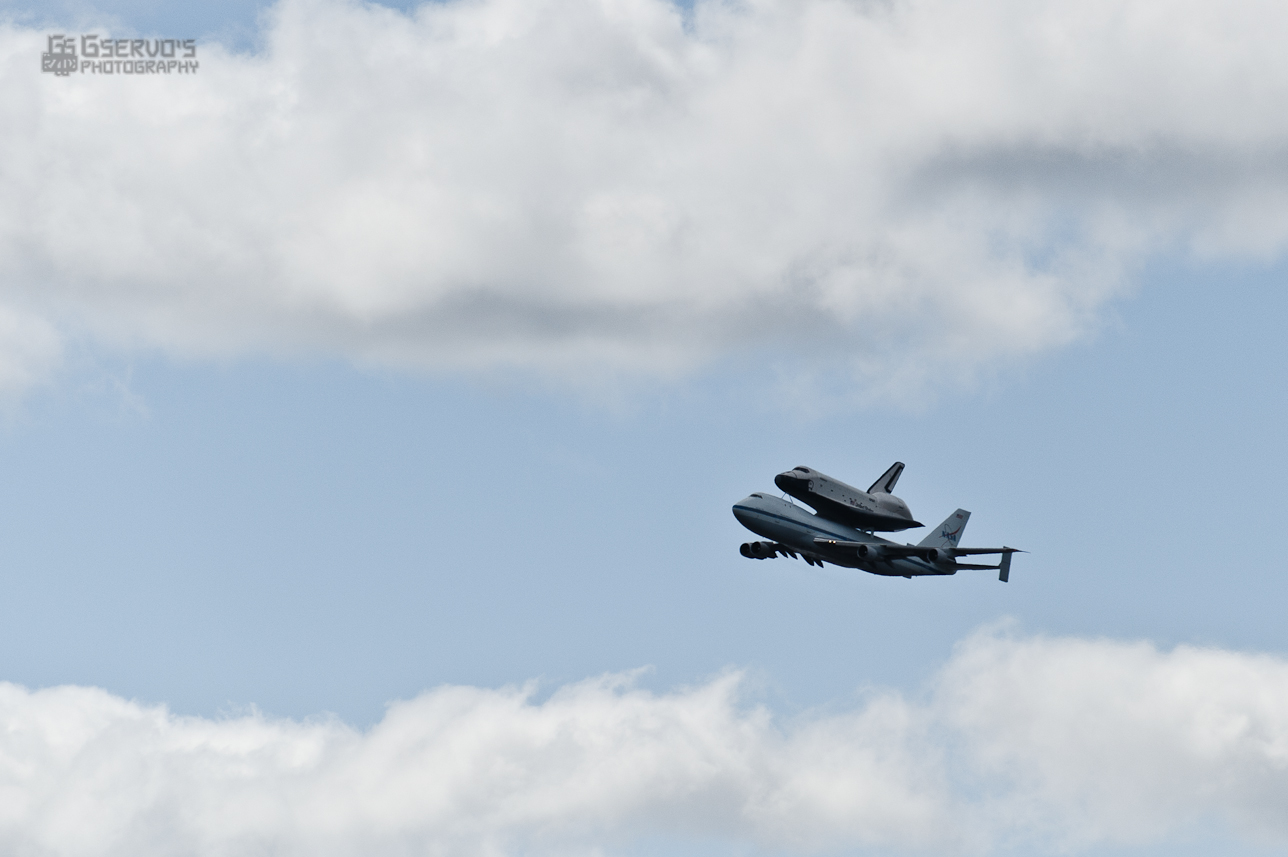
Useful Photography Tip #28: Work a Shot

by Gevon Servo on 05/20/2012

I remember reading about Jay Maisel and how he asked his students how many shots they took to get the image they wanted. What I read shocked me.

To paraphrase, sometimes you have to take a lot of shots to get the one you want. This stuck with me because I was of the school of thought that if you took a lot of shots you were doing it wrong. I started to think about things differently. I had to learn it was okay to work a shot at times.

How Many Shots
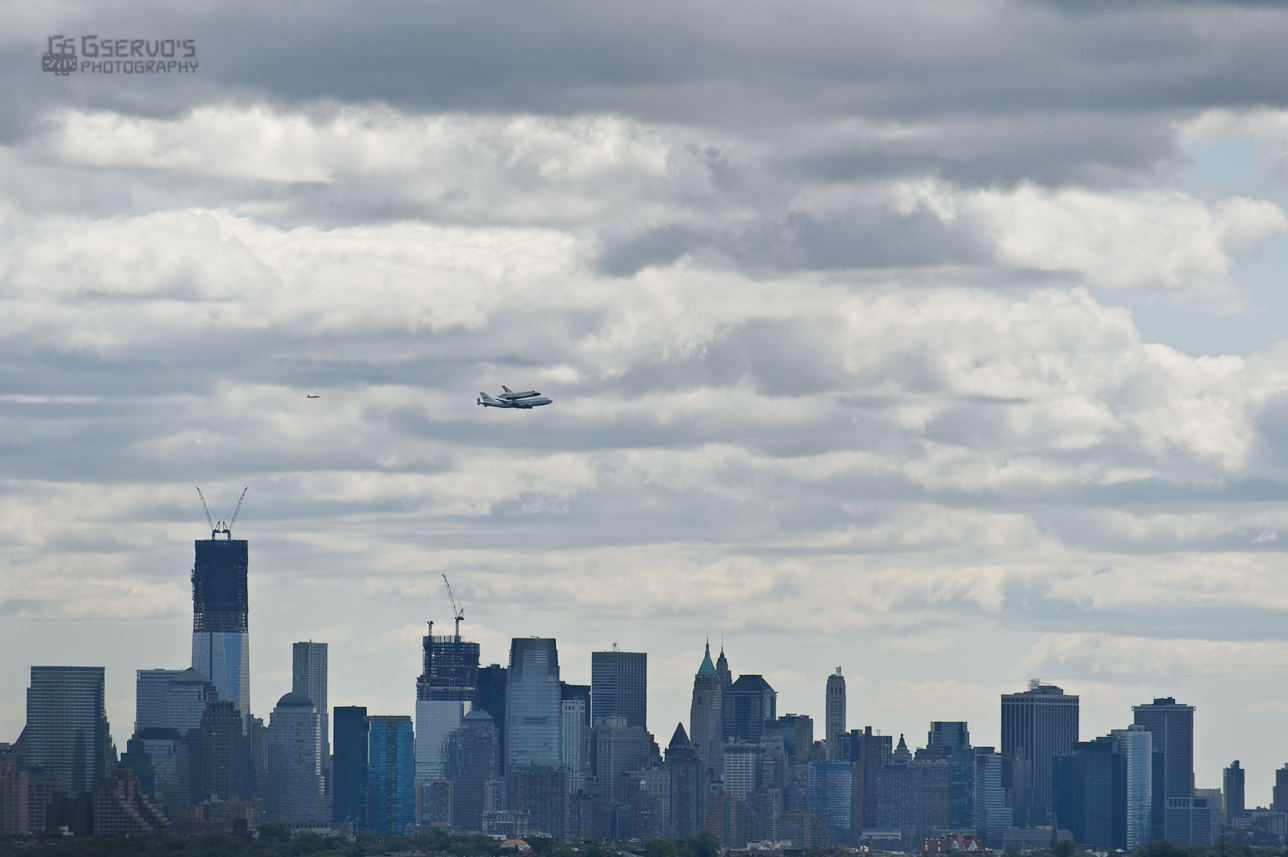
If you are taking your photography seriously, “working a shot” is something to think through. Every now and then you run across once in a life time occasion, or that job that may allow you to buy the camera you are dreaming about. Within a certain amount of time, you have the ability to shoot a subject and get it just right. That opportunity will never ever happen again.  Again, how many shots do you take? My answer is as many as conceivably possible. When the Enterprise was flying over New York City, I was able to gain a unique spot to shoot. I got as many frames as possible.

Vary Your Shot
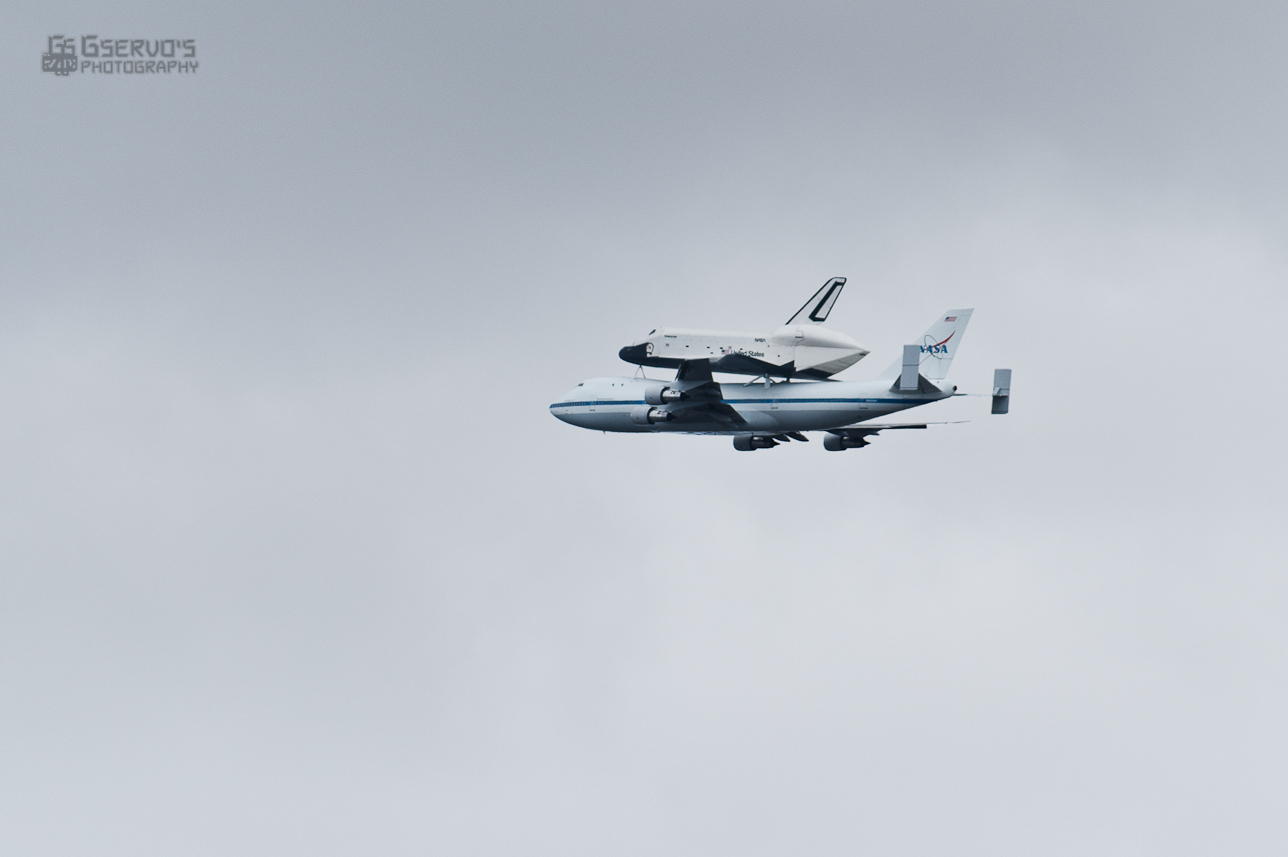
I could have taken one shot of the shuttle and walked away happy. On the other hand, this was never going to happen again. I took as many shots as I possibly could, over 400 at the end of it. I was working every angle I feasibly could without falling to my death. When working a shot, I try to get vertical, horizontal, high, and low shots.

No One is Perfect
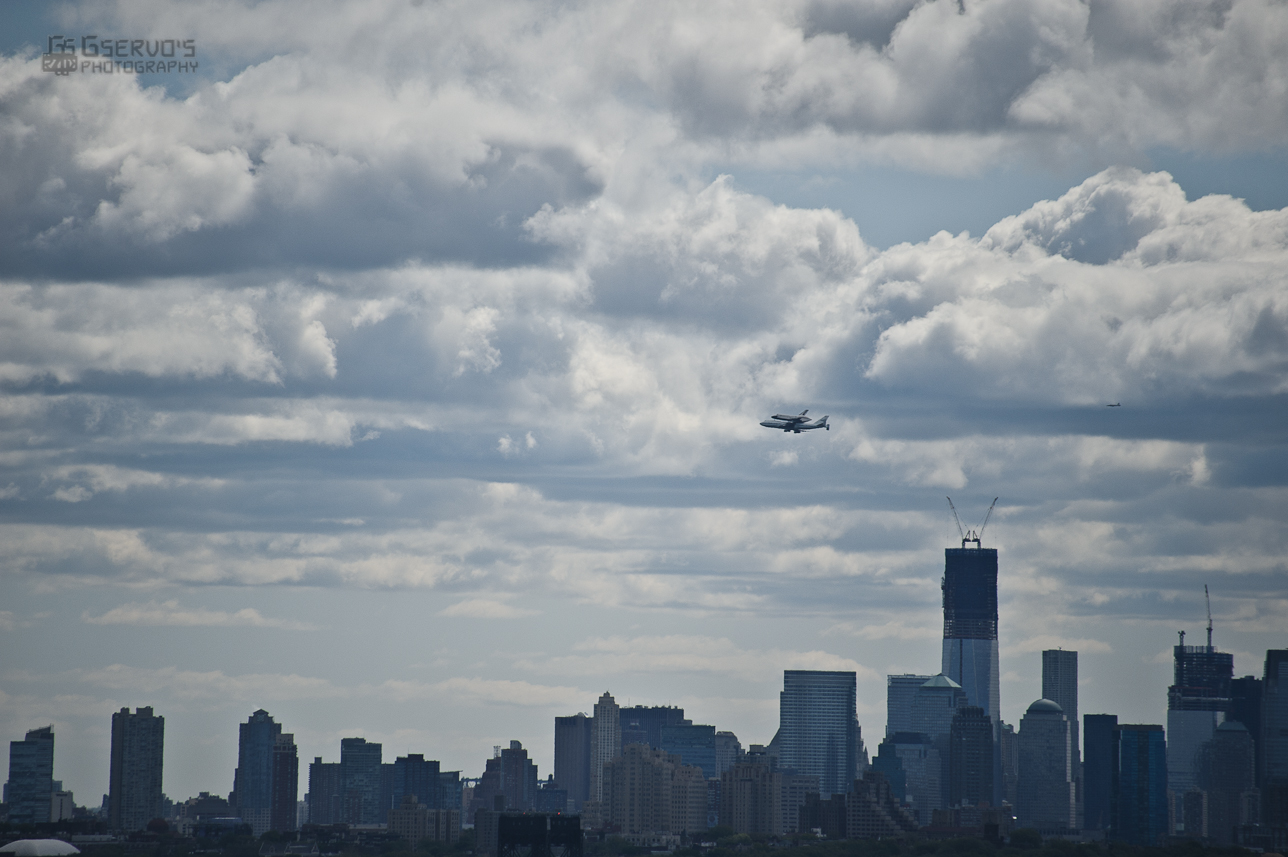
Sometimes to convey your thoughts through your photography, you have to take time with it. Take a minute to see your subject in all ways you possibly could. You can work things until you find the image that absolutely conveys your thoughts, or tells your story. When shooting the last flight of the Enterprise, this is what was going through my mind.

In the Modern Era it is Easy
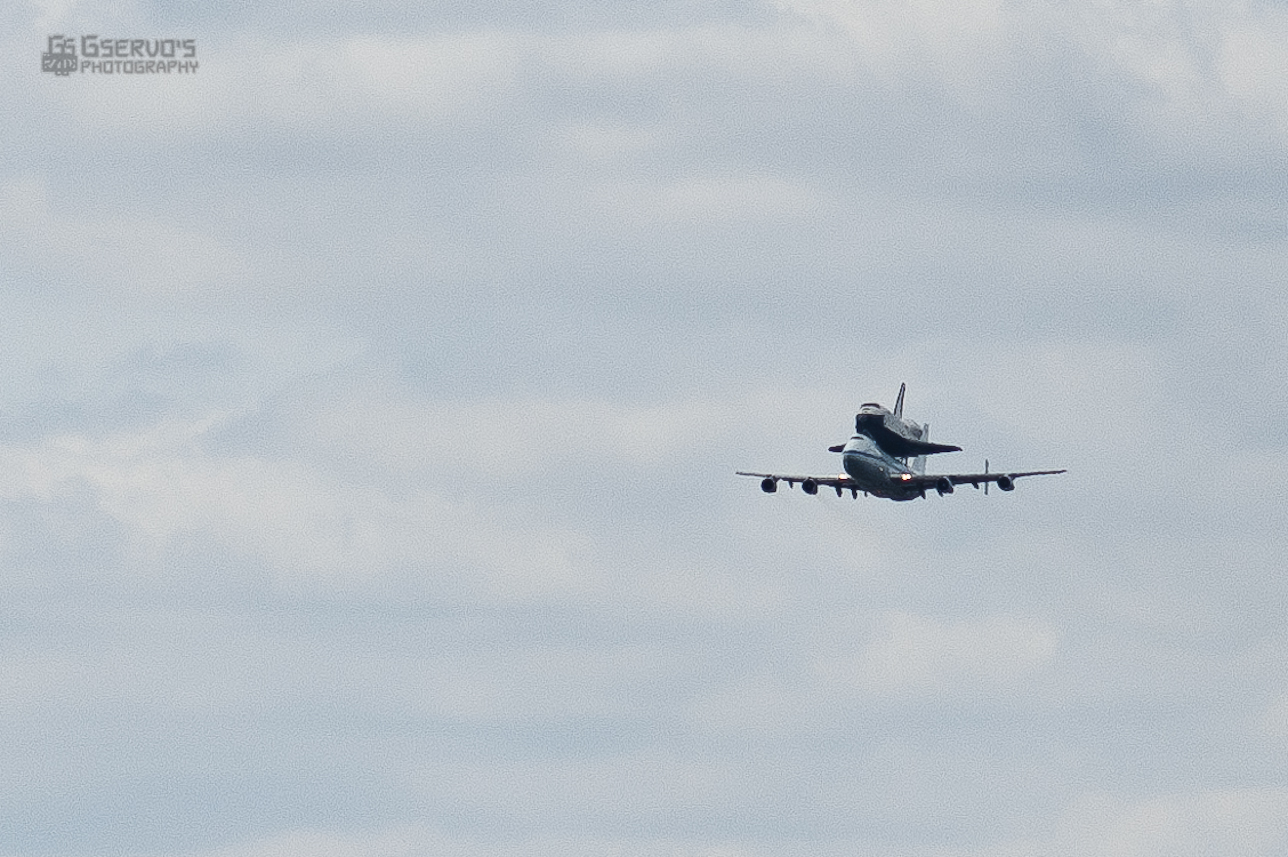


To work a photo, today, with digital cameras, is easy. Instead of wasting rolls and rolls of film as our photography predecessors once had to, we can shoot hundreds of images without thinking. The thing is, memory cost far less per image than film. Why not use this to your advantage.

Keep in Mind
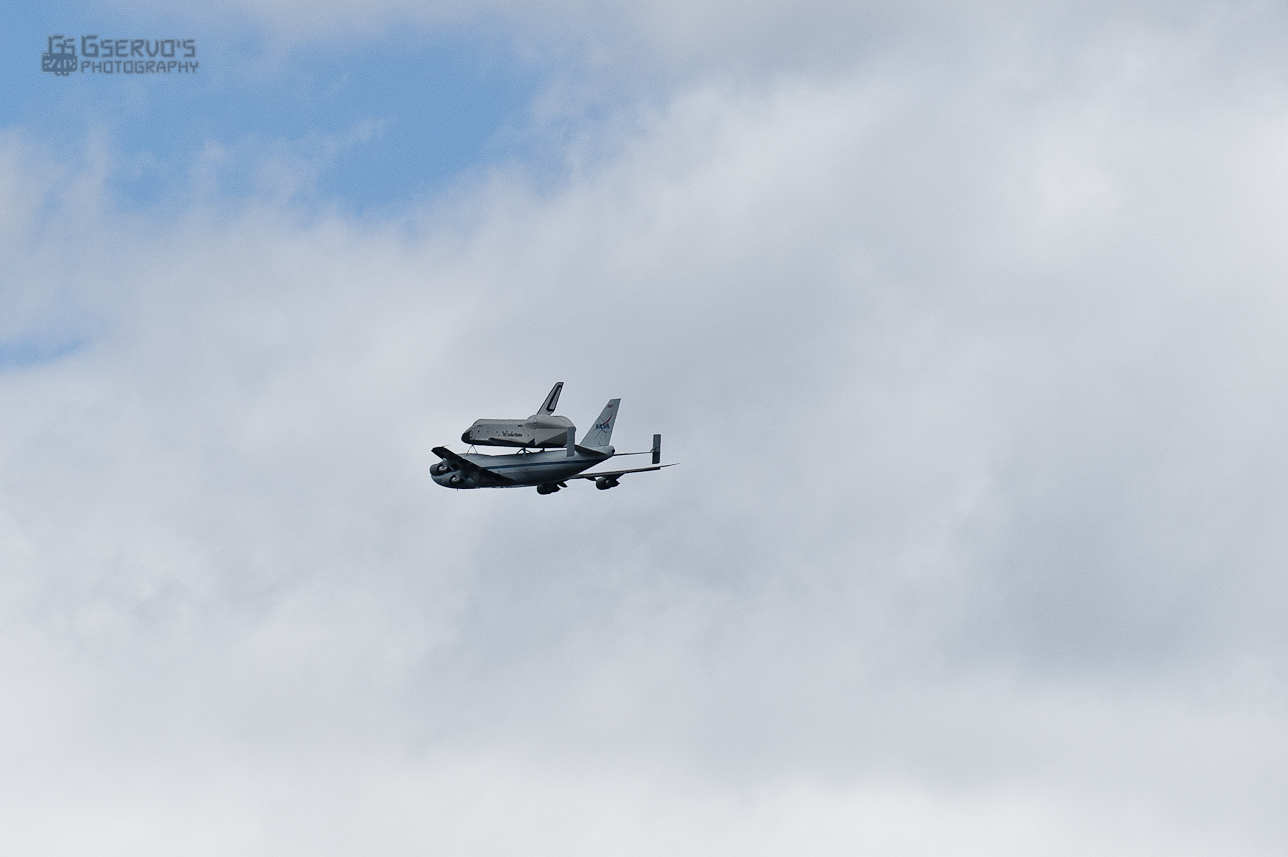
I do not care what your skill level is because, sadly, the first shot is not always an immaculate image. In other words, sometimes you have to take multiple shots, just to get one. You don’t have to show all these images though. If you are looking for that flawless shot, sometimes, you have to labor at it. You may have to wait for the perfect light, for people to get out of the way, or for a space shuttle to fly by.
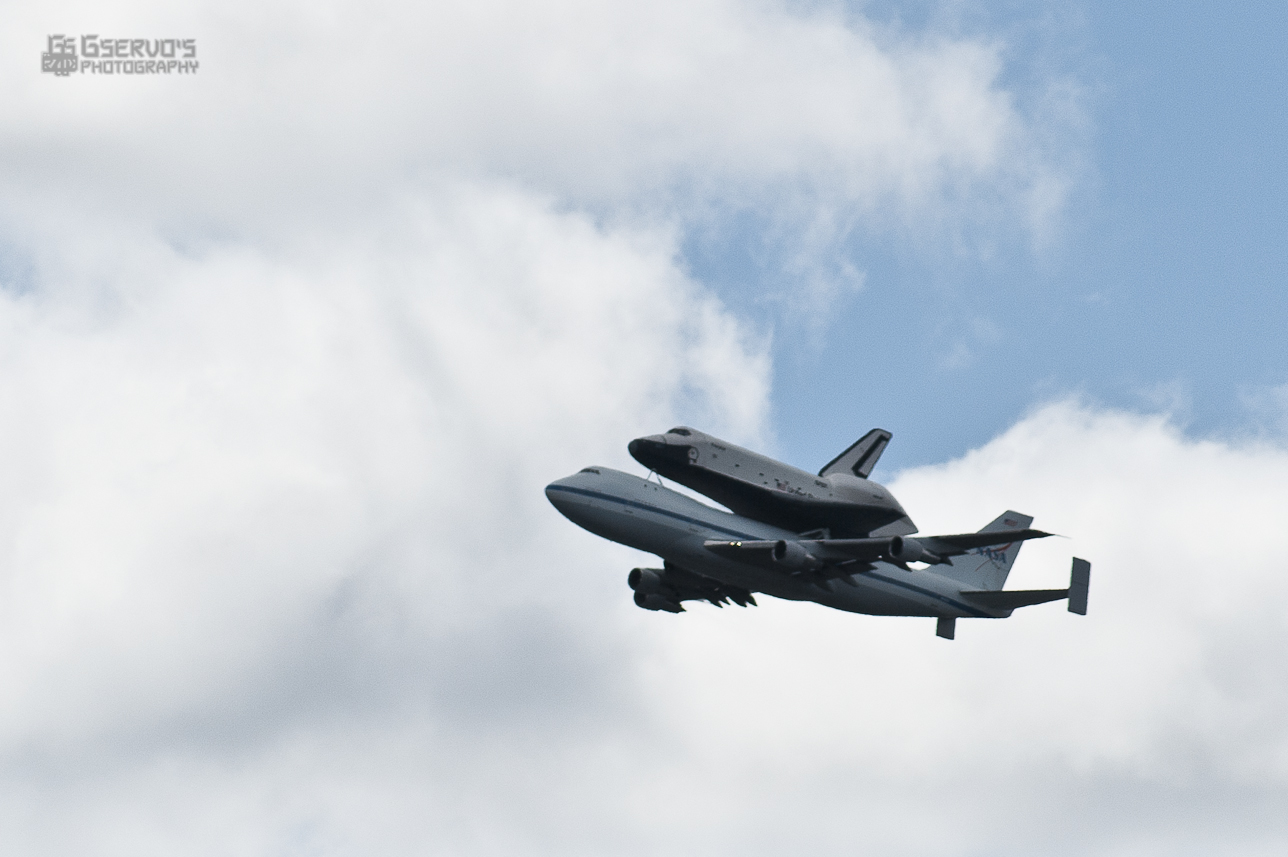
Gear used

Please Support The Phoblographer

We love to bring you guys the latest and greatest news and gear related stuff. However, we can’t keep doing that unless we have your continued support. If you would like to purchase any of the items mentioned, please do so by clicking our links first and then purchasing the items as we then get a small portion of the sale to help run the website.


  • http://twitter.com/alexisrotter Alexis Rotter

    I understand what you mean in this post. When people see my photographs the misconception is that it only took just one shot. For spontaneous moments like the Space Shuttle Enterprise, there is no way to just get one shot. I took many shots so that I was able to tell the story of the shuttle arriving in NYC then leaving. You can see my shots of the space shuttle and many others at https://www.facebook.com/alexisrotterphotography 

  • Derek Stanton

    This is a common misconception, possibly borne in the persisting ‘rangefinder folks’ discussions, and their worship of Henri Cartier-Bresson. HCB was known for his ‘mantra’ regarding The Decisive Moment, a hack cliche that never really represented truth. Rangefinder guys are known to portray themselves as some sort of ‘hunters,’ waiting for the exact moment – and then firing off only one frame, which they will subsequently refuse to crop. Narcissism.

    Fact is, HCB traveled the world, essentially, on a trust fund, and spent countless days, weeks, or months to get the photographs you see in his books. And, his contact sheets reflect that he shot multiple frames and angles to arrive at ‘the decisive moment.’ Yes, there may sometimes be a ‘right’ moment. That doesn’t preclude a good photographer from exploring the various potentials in the pursuit of both finding and recognizing what that best moment may be.

    And, on the other side – the commercial photographers…. It’s standard practice to shoot for a 10 hour day in order to get the one published image for an advertisement. Of course, in this day of instant results, that’s no longer quite true, and you would be expected to capture a CAMPAIGN’s worth of images in a day, but the point is the same. And, that’s when all the variables are controlled and constructed. 

    There are a lot of internet-forwarded bits of BS in the air. “Chimping” is another. As if reviewing an image ‘immediately’ after capture were new to digital. Commercial photographers have long used Polaroid materials to check exposure, composition, etc. when photographing critical work. That wasn’t an indictment against talent and commitment until someone decided to make a once cute quip about the LCD version….. If Irving Penn ‘chimped’ Polaroids, maybe everyone should be doing it.

    • John

      I was about to write a long post and then realized you covered everything I was going to say.  (We must own the same books….)

  • Louis

    I am an Aviation Photographer and this blog post and information presented is somewhat standard for the aviation community. It would also apply to any action based photography. When photographing moving objects, you will always have shots that are not useful and need to be discarded. When I photograph moving aircraft, I might take 20-30 exposures of just one pass, but end up keeping 4-10 of those shots. Out of the final “keepers”, I might only post 1 or maybe 2 for others to see. Unfortunately I have run across other aviation photographers who like to post every shot that they take.

    When it comes to static shots of an aircraft, then that is where you can take the time to compose your shot and possibly take fewer shots. 

  • smudger

    as an oldster non-famous street photographer, i’d argue that derek and guest’s opinion below aren’t really reflections of the truths of issues around decisive moment dogma, but instead regurgitation of some critic’s supposedly original thoughts about them. also i don’t see any evidence for the claim of narcissism re:cropping etc. seriously, spend thousands of hours on the street shooting film as i have, and maybe try to create artful images on kodachrome without the money or facility of a lab much less lightroom and a computer to allow cropping or something, and you might come to the same conclusions as minor white or henri. maybe not. i mean john cage’s songs rock right? all random and stuff, no intention of decisive moment is there? part of decisive moment is that as they worked the complex contrainsts of film, light, time, angle, bkgd, etc they found themselves pushed towards being painted into corner in a way, and from that corner, there may well be ONE moment that a great pic might come. those who love improv in music know that sometimes things come together in new once in a life time way, those who don’t respect that art form see jazz as narcissim often.

Previous post:

Next post: